Understanding Hair Breakage After Bleaching: Causes and Solutions
Forty percent of individuals experience significant hair breakage after bleaching due to the harsh chemicals involved. These chemicals strip the hair of its natural moisture and proteins, leading to weakened strands that are prone to damage. Understanding this risk is crucial for maintaining healthy hair.
Bleaching causes structural damage to hair by breaking down its protein bonds. Moisture loss is another critical factor, as bleached hair becomes dry and brittle. Proper care post-bleaching is essential to minimize breakage and restore strength.
Chemical Structure Damage
Bleaching directly alters the hair’s chemical structure, disrupting its natural integrity. During this process, the strong disulfide bonds in the hair are broken down, which compromises the overall strength. Once these bonds are damaged, hair becomes more porous and susceptible to further harm, leading to breakage and split ends.
- Hydrogen peroxide reacts with melanin, the pigment in hair, altering its structure.
- Protein chains within the hair are weakened, making it less resilient.
- Oxidation causes the hair to lose essential moisture, increasing brittleness.
- Excessive exposure to bleach can lead to irreversible damage, including dryness and frizziness.
- Regular treatments and maintenance are essential to manage and repair this damage.
Recognizing these changes is crucial for anyone considering bleaching. Implementing effective care strategies can significantly improve hair health post-treatment. Prioritizing protein-rich treatments and moisture replenishing products can help restore some of the lost strength.
Moisture Loss Effects
Bleaching processes strip hair of essential moisture, leading to increased breakage. This occurs because harsh chemicals penetrate the hair shaft, disrupting the natural balance. Once moisture is lost, hair becomes dry and brittle, making it more susceptible to damage. Replenishing hydration is crucial to maintaining healthy strands after such treatments.
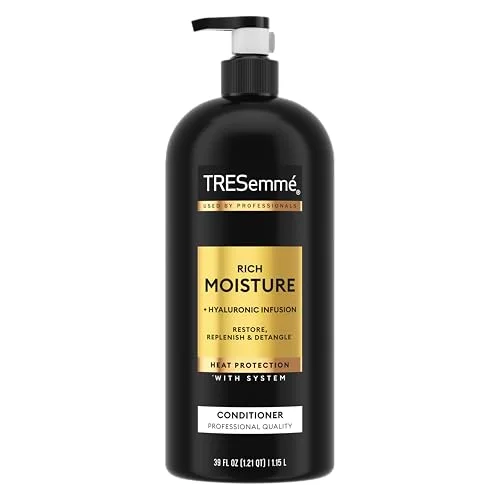
- Seek deep conditioning treatments regularly. These products help restore moisture and elasticity, counteracting the effects of bleaching.
- Incorporate leave-in conditioners or hair oils. Applying these products can provide ongoing hydration, creating a protective barrier against environmental stressors.
- Limit heat styling tools usage. Excessive heat can exacerbate moisture loss, so consider air-drying or using lower heat settings.
- Stay hydrated yourself. Consuming adequate water supports hair health from the inside out, contributing to overall moisture retention.
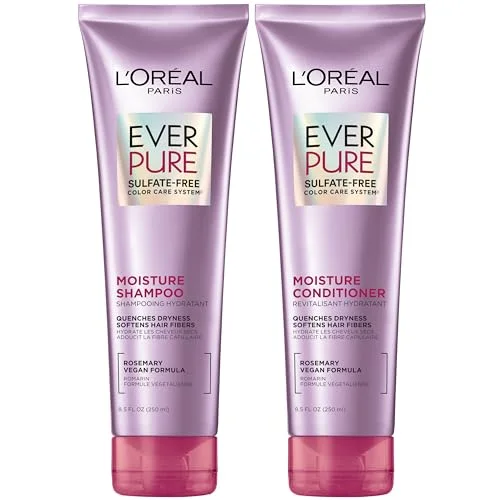
- Opt for sulfate-free shampoos. These gentler formulations help prevent further stripping of moisture during washing.
Addressing moisture loss effectively aids in minimizing breakage, promoting stronger and healthier hair post-bleaching. Implementing these steps will guide you toward maintaining your hair’s integrity.
Cuticle Layer Compromise
Bleaching hair compromises the cuticle layer, which protects the inner structure. This outer layer consists of overlapping cells that shield the hair from damage. During bleaching, harsh chemicals lift this layer, exposing the hair’s cortex and making it vulnerable. Consequently, hair becomes more susceptible to breakage, frizz, and split ends.
- Chemicals in bleach raise cuticle scales. These scales should lie flat to provide protection. Once lifted, they allow moisture and nutrients to escape, leading to dryness.
- Heat from styling tools exacerbates damage. High temperatures can further open the cuticle, increasing the risk of breakage. Limit heat exposure to preserve hair health.
- Improper application can worsen cuticle damage. Applying bleach unevenly stresses certain sections of hair. Always follow professional guidelines to ensure even coverage.
- Frequent bleaching accelerates wear and tear. Repeated treatments without adequate recovery time weaken the cuticle layer. Allow your hair to rest between sessions to promote strength.
- Moisture treatments help restore balance. Incorporating deep conditioning and hydrating masks into your routine can help repair the cuticle layer over time, making hair more resilient.
pH Imbalance Consequences
Bleaching disrupts the natural pH balance of hair, leading to increased vulnerability. Healthy hair typically maintains a pH level between 4.5 and 5.5. Altering this balance causes hair to become more alkaline, resulting in cuticle lift and increased porosity, which can contribute to breakage.
- Minimize pH fluctuations by using sulfate-free shampoos. These products are gentler and help maintain a healthy balance, reducing damage.
- Incorporate pH-balancing conditioners into your routine. Look for those that explicitly state they restore acidity, helping to close the cuticle and lock in moisture.
- Use weekly deep conditioning treatments to reinforce hair strength. Ingredients like hydrolyzed proteins and natural oils can help restore lost moisture and improve elasticity.
- Monitor water temperature while washing. Hot water can further raise pH levels, so opt for lukewarm water to protect your hair.
- Limit the use of heat styling tools. Excessive heat can exacerbate pH imbalance, leading to additional damage and breakage.
Following these steps can significantly improve hair health and reduce breakage after bleaching. Maintaining your hair’s pH balance will help keep it strong and beautiful.
Over-processing Risks
Repeated bleaching sessions significantly weaken hair. Each application strips moisture and essential proteins, leading to cumulative damage. Over time, hair becomes increasingly porous and brittle, making it prone to breakage. Limiting the frequency of bleach treatments is crucial for maintaining hair strength and integrity.
Continuous exposure to harsh chemicals exacerbates weakening. Regularly applying bleach without sufficient recovery time can turn healthy hair into fragile strands. Allowing adequate time between treatments, ideally several weeks or even months, helps restore moisture levels and rebuild the hair’s natural structure.
Ignoring signs of stress leads to serious consequences. If hair becomes excessively dry, frizzy, or difficult to manage, these are clear indicators of over-processing. Listening to these signals is vital; delaying intervention may result in irreversible damage and increased breakage.
Seeking professional advice can mitigate risks. Consulting with a hairstylist or trichologist provides personalized insights into your hair’s condition and the right treatment schedule. They can recommend safe alternatives or assist in creating a customized plan to achieve desired results without compromising hair health.
Inadequate Aftercare
Proper aftercare is crucial for maintaining hair health after bleaching. Skipping essential steps can lead to significant damage and breakage. Nourishing your hair with the right products post-bleach helps to restore moisture and strength, preventing further deterioration.
Moisturizing treatments are essential. Opt for deep conditioners or hydrating masks that contain ingredients like argan oil, shea butter, or keratin. Apply these products weekly to help replenish lost moisture and repair the hair’s structure, reducing the risk of breakage.
Regular trims play a vital role. Cutting off damaged ends every 6-8 weeks keeps your hair looking healthy and prevents split ends from traveling up the hair shaft. Maintaining a good trim schedule ensures your hair remains vibrant and less prone to breakage.
Heat styling tools should be minimized. Excessive use can exacerbate damage, especially after bleaching. If heat is necessary, always use a heat protectant spray to shield your hair from high temperatures, which can lead to further structural damage.
Hair protection is crucial. Consider wearing a hat or using UV protectant products when exposed to the sun. Environmental factors can weaken bleached hair, making it more susceptible to breakage. Taking these precautions will help maintain your hair’s integrity.
Environmental Stressors
External factors significantly impact hair condition, especially after bleaching. Heat styling tools and environmental pollutants can exacerbate hair breakage, making it crucial to protect your strands. Adopting protective measures will help maintain hair integrity and minimize damage.
- Limit heat exposure by reducing the use of blow dryers, flat irons, and curling wands. Opt for air-drying whenever possible to allow your hair to recover.
- Invest in a heat protectant spray. This product creates a barrier against damage, ensuring your hair remains resilient during styling.
- Use a wide-bristle comb on damp hair. This reduces tugging and breakage, helping your strands to remain intact and healthy.
- Shield hair from environmental pollutants by wearing a hat or scarf when outdoors. This minimizes exposure to harmful elements that may weaken your hair.
- Incorporate a deep conditioning treatment weekly. Nourishing your hair with moisture will strengthen it against external stressors and keep it looking vibrant.
Maintaining healthy hair requires a proactive approach, especially after chemical treatments. By addressing these environmental stressors, you can significantly reduce the risk of hair breakage and promote stronger, healthier locks.
Quick Summary
- Bleaching removes natural pigments from hair, which can weaken its structure.
- The chemical process involved in bleaching can strip moisture from hair, leading to dryness.
- Over-processing hair with bleach can cause significant damage and breakage.
- Frequent bleaching can lead to cumulative damage, making hair more prone to breaking.
- Using inadequate aftercare products can exacerbate the effects of bleaching.
- Hair texture and health prior to bleaching influence the extent of damage experienced.
- Proper techniques and professional application can minimize hair breakage during bleaching.
Frequently Asked Questions
Why does hair break after bleaching?
Hair breakage after bleaching occurs because the process strips the hair of its natural moisture and proteins. The harsh chemicals in bleach lift the cuticle layer, making hair more vulnerable to damage and breakage.
How can I tell if my hair is damaged from bleaching?
Signs of damaged hair include increased brittleness, split ends, excessive dryness, and a rough texture. If your hair feels fragile or breaks easily, it may be a sign that the bleaching process has compromised its health.
What can I do to prevent hair breakage after bleaching?
To prevent breakage, consider deep conditioning treatments, using sulfate-free shampoos, and avoiding heat styling. Regular trims can also help remove split ends and promote healthier hair growth.
Is it safe to bleach my hair at home?
While bleaching at home can be tempting, it carries risks, especially for beginners. It’s crucial to follow instructions carefully, perform a patch test, and consider seeking professional help to minimize damage and ensure the best results.
How often can I bleach my hair without causing too much damage?
It’s generally recommended to wait at least 6 to 8 weeks between bleaching sessions to allow your hair to recover. During this time, focus on nourishing and strengthening your hair to reduce the risk of further damage.

- What To Avoid After Prp Hair Treatment? - August 28, 2026
- What Is The Malibu Treatment For Hair? - August 27, 2026
- What Is Malibu Hair Treatment? - August 27, 2026