21 Dark Summer Hair Color Ideas for 2026
Summer 2026 is flipping the script on hair color. While bright blondes and vivid highlights dominate warm-weather trends, dark summer hair is having its moment. Rich, dimensional shades are replacing washed-out pastels, and more women are choosing depth over lightness when the temperature rises.
These are not your average dark colors. Think iced espresso with cool, ashy undertones, cherry chocolate layered with warmth and depth, and dark brown balayage that moves with the light. Each shade works harder in summer because contrast sells. Your skin tone glows more next to depth, not lightness.
The techniques behind these looks are equally smart. Balayage, glossing, and money pieces keep maintenance low while delivering maximum impact. Whether you follow color analysis or just want something that turns heads, dark summer hair gives you a striking, low-upkeep option that holds up through heat, humidity, and long days outdoors.
1. Iced Espresso Hair Color for Summer 2026
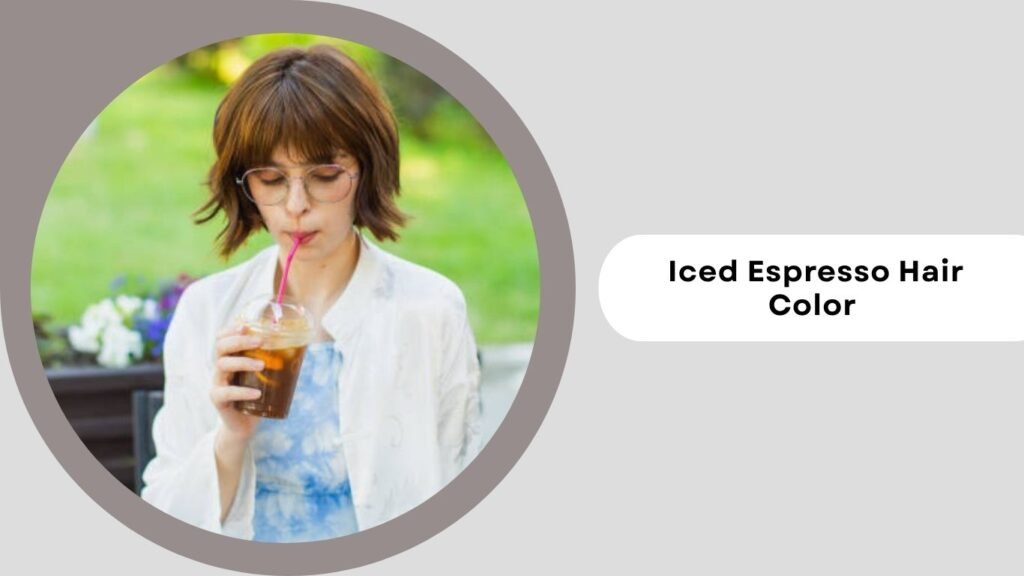
Iced espresso hair is one of the biggest dark summer trends for 2026. It pulls from the cool, ashy side of brunette, skipping warm golden tones entirely. The result is a deep, multi-dimensional brown with grey and silver undertones that reads sharp and polished in summer light. It works especially well on cool and neutral skin tones. Colorists often combine it with fine highlights or a glossing treatment to stop it looking flat. If you want dark hair that feels intentional rather than default, iced espresso delivers exactly that.
What Makes Iced Espresso Different From Regular Dark Brown
Iced espresso is not standard dark brown. It leans cooler, pulling from taupe and ash rather than warm mahogany or chocolate. The tone sits closer to a dark mocha with gray undertones than a rich coffee brown. That coolness is what sets it apart. Most dark brunettes skew warm, especially in summer when the sun adds red and orange shifts. Iced espresso resists that. It holds its cool tone longer and photographs distinctly darker with a near-matte quality that looks high-end without heavy styling.
Best Skin Tones for Iced Espresso Hair
Iced espresso flatters cool and neutral skin tones the most. Fair to medium complexions with pink, olive, or neutral bases benefit the most from the contrast. Deep skin tones also carry this shade beautifully, as the ashy quality adds definition without washing out the complexion. If you are a Cool Summer or Soft Summer in color analysis, iced espresso is one of the few dark shades that fits your palette without requiring warm adjustments.
How to Maintain Iced Espresso Hair at Home
Keeping iced espresso looking sharp takes a few consistent habits:
- Use a color-safe, sulfate-free shampoo to prevent premature fading
- Add a purple or blue toning shampoo once a week to neutralize warm brassiness
- Schedule a gloss treatment every 6 to 8 weeks to refresh shine and depth
- Avoid prolonged sun exposure without UV-protectant hair products
- Deep condition weekly, as ashy tones tend to run drier than warm brunettes
- Limit heat styling to 2 to 3 times per week using a heat protectant at 230°C or lower
How to Ask Your Colorist for Iced Espresso Hair
Walk in with reference photos showing cool-toned brunette with visible dimension, not a flat one-shade dye job. Tell your colorist you want an ashy, cool brown with gray or taupe undertones and no warmth. Ask specifically about a toning gloss layered over the base color. If you want dimension, request fine babylights rather than chunky highlights. A skilled colorist will likely recommend a demi-permanent gloss on top of permanent color to lock in the cool tone and add shine through summer.
2. Cherry Chocolate Hair Color for Summer 2026
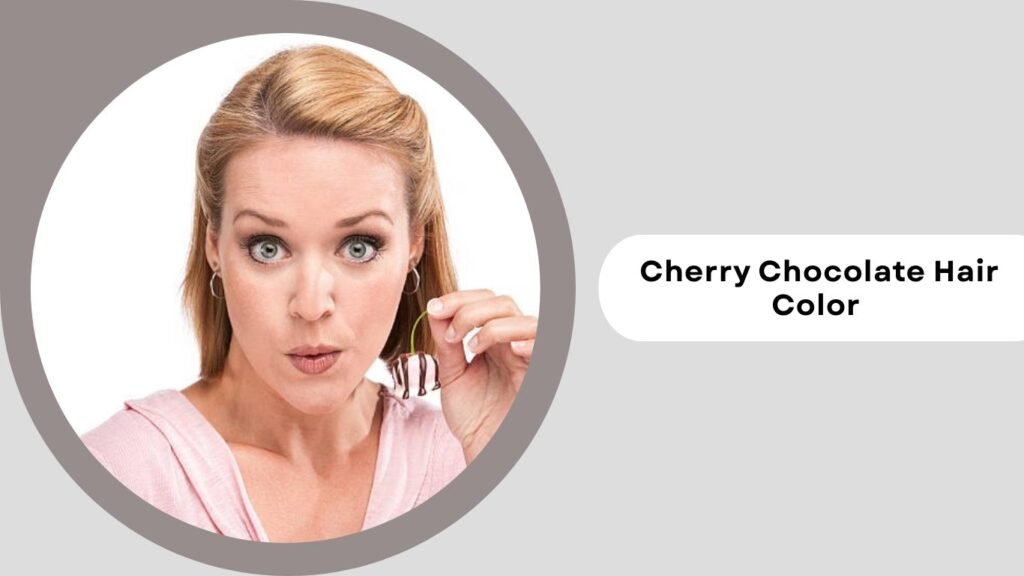
Cherry chocolate hair sits at the warmer end of dark summer shades, but its depth keeps it from reading too bright or bold. It blends deep burgundy red with rich brown, creating a color that shifts between the two depending on the light. In direct sun it glows with red and violet. In shade it reads as a sophisticated dark brown. This is a strong choice for anyone who wants warmth and drama without committing to a full red. It suits medium to deep skin tones particularly well and holds color longer than lighter red shades.
Cherry vs. Chocolate: How the Tones Blend Together
Cherry chocolate is a blend, not a single flat shade. The cherry element brings cool red and violet-red tones, while the chocolate base grounds it with warm brown depth. The ratio matters. A heavier cherry ratio pushes the color toward burgundy or plum. A heavier chocolate ratio keeps it closer to a warm dark brown with red glints. Most colorists aim for a 40 to 60 split, with chocolate dominating and cherry showing through highlights and balayage pieces. That balance keeps the color looking natural rather than dyed.
Best Coloring Techniques for Cherry Chocolate Hair
Balayage is the most practical technique for cherry chocolate hair. Your colorist paints cherry tones freehand through the mid-lengths and ends, leaving roots dark. This creates a natural gradient that grows out cleanly and requires fewer touch-ups. Glossing is the second key step. A red-tinted gloss layered over the full head after coloring unifies the tones and adds reflective shine. Some colorists also use tinting foils around the face to place a brighter cherry piece near the hairline for extra contrast and dimension.
Cherry Chocolate Hair Care: What You Need to Do Weekly
Red-based shades fade faster than any other tone. Protecting this color is non-negotiable:
- Wash hair in cool or cold water only. Hot water lifts color from the cuticle faster
- Use a color-depositing conditioner in a red or burgundy shade every 2 weeks
- Apply a UV-protectant spray before going outside. Red pigments break down quickly in sunlight
- Avoid clarifying shampoos completely. They strip color in one wash
- Book a gloss refresh every 4 to 6 weeks to maintain vibrancy between full appointments
- Sleep on a satin pillowcase to reduce friction and color-dulling
Who Should Choose Cherry Chocolate Hair
Cherry chocolate works best on medium to deep skin tones with warm or neutral undertones. If your skin has golden, olive, or bronze tones, the warm red-brown blend enhances that warmth rather than fighting it. Fair skin with pink undertones also carries this shade well, especially when the chocolate base stays deep. From a color analysis perspective, Warm Autumn and True Autumn types gain the most from cherry chocolate. Deep Winters looking for warmth can try it with a cooler, more violet cherry tone to keep things balanced.
3. Dark Ashy Brown Hair with Subtle Highlights
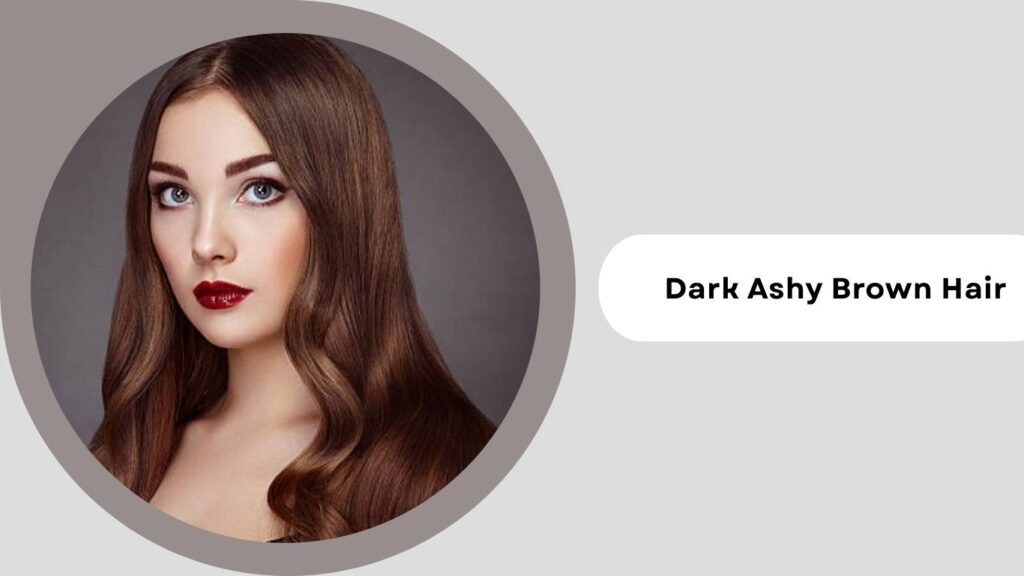
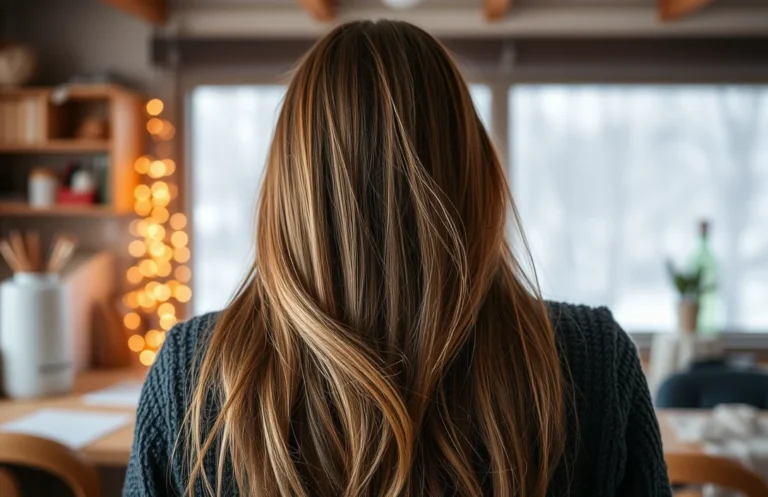
Dark ashy brown with subtle highlights is the definition of low-maintenance summer color. It sits in the cool brunette family, using fine highlights to create dimension without a dramatic contrast. The ash base keeps warmth at bay through summer heat, and the highlights catch light naturally without looking streaky or overdone. This shade works across skin tones, making it one of the most versatile options on this list. If you want dark hair that looks professionally colored without regular touch-ups, this is the most practical choice for the entire season.
What Counts as Subtle Highlights on Dark Ashy Brown
Not all highlights are created equal. Subtle highlights on dark ashy brown are fine, close to the base shade, and placed selectively. They add movement rather than contrast. Babylights, which mimic natural hair variation, are the most common technique used. The goal is dimension you notice in sunlight but not under fluorescent lighting. Chunky or bleached highlights break the look entirely. The highlights should sit one to two shades lighter than the base, never more.
Skin Tones That Benefit Most From This Shade
Dark ashy brown with highlights flatters almost every skin tone. Cool and neutral complexions respond best to the ash base. Fair skin with pink or neutral undertones gets clean contrast without looking washed out. Olive and medium skin tones gain definition and depth. Even deeper skin tones benefit from the ashy dimension, as it adds visual interest without pulling warm or orange. This is one of the few dark summer shades that works across the full skin tone spectrum without adjustment.
How to Keep Ashy Brown From Going Brassy
Brass is the biggest enemy of ashy brown hair. Here is what keeps it in check:
- Use a blue or purple toning shampoo once a week to neutralize orange and yellow tones
- Rinse with cool water every wash to keep the cuticle sealed and color locked in
- Apply a UV hair protectant spray daily. Sun exposure accelerates brassiness faster than anything else
- Book a toning gloss every 6 to 8 weeks between color appointments
- Avoid chlorinated pools without a swim cap or pre-swim leave-in conditioner
- Skip dry shampoo with warm or orange undertones. Use a clear or cool-toned formula instead
How to Ask for Dark Ashy Brown with Highlights
Tell your colorist you want a cool-toned dark brown base with fine babylights placed through the mid-lengths and ends. Specify that you want ash, not warm or golden highlights. Bring reference photos showing dimension in natural light rather than studio lighting. Ask for a toning gloss at the end of the appointment to unify the base and highlights. If you have existing warm tones in your hair, ask about a pre-toning step to neutralize brassiness before the color goes on.
4. Warm Ash Brown Balayage for Summer 2026
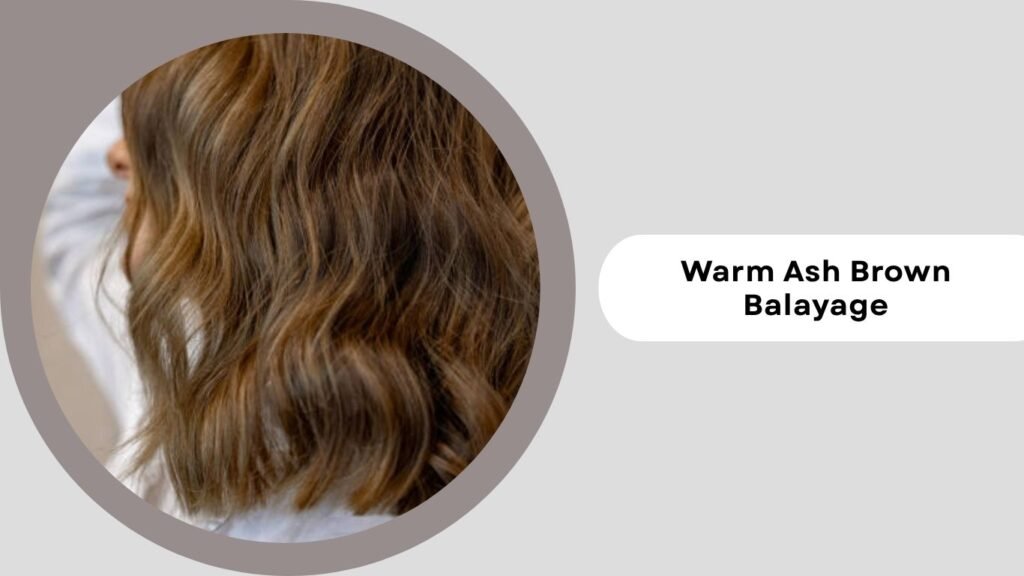
Warm ash brown balayage sits in the middle ground between cool and warm brunette. It takes the softness of ash brown and adds just enough warmth to feel summery without tipping into golden territory. Balayage delivers the color in a freehand painted technique, which means the result looks sun-kissed and natural rather than salon-fresh and uniform. This is one of the most requested dark summer techniques for 2026 because it suits a wide range of brunettes and grows out without a hard root line. The result is effortless, dimensional, and genuinely low maintenance.
Why Balayage Works Better Than Foils for This Look
Balayage outperforms foils for warm ash brown because it mimics how the sun naturally lightens hair. Foils create uniform sections with sharp edges. Balayage places color freehand, concentrating lighter pieces where sunlight would naturally hit: the top layers, around the face, and through the ends. The gradient is softer and the grow-out is cleaner. For warm ash brown specifically, balayage also allows the colorist to blend both warm and cool tones seamlessly, creating the dual-tone effect that makes this shade so distinctive.
Best Application Zones for Warm Ash Brown Balayage
The placement of balayage determines everything. For warm ash brown, colorists typically focus the lighter, warmer pieces on the top layer of hair and around the face. The underneath stays darker and cooler, creating depth at the roots. Mid-lengths get a mix of both tones to create transition. The ends receive the most warmth and lightness, giving the hair a naturally sun-bleached finish. This zone strategy ensures the color looks three-dimensional from every angle rather than flat or one-note.
Warm Ash Brown Balayage Maintenance Checklist
Balayage is lower maintenance than foil highlights but still needs consistent care:
- Wash every 2 to 3 days maximum to preserve both the warm and cool tones
- Alternate between a moisturizing shampoo and a toning shampoo each wash
- Apply a bond-strengthening treatment like Olaplex No. 3 weekly to prevent breakage in lightened sections
- Use a heat protectant every time you blow-dry or style. Lightened hair is more vulnerable to heat damage
- Book a balayage refresh every 3 to 4 months, not every 6 weeks like traditional color
- Deep condition with a protein-rich mask bi-weekly to maintain elasticity in highlighted strands
How to Describe Warm Ash Brown Balayage to Your Colorist
Ask for a balayage that uses two complementary tones: a cooler ash brown at the root and a slightly warmer, lighter brown through the mid-lengths and ends. Specify that you want no gold or orange tones, but a natural warmth rather than full cool ash throughout. Show reference images taken in natural daylight, not filtered Instagram photos. Mention the grow-out specifically and ask how the colorist plans to blend the root so it transitions cleanly. Request a gloss at the end to melt the tones together and add shine.
5. Portocini Brown Hair Color for Summer
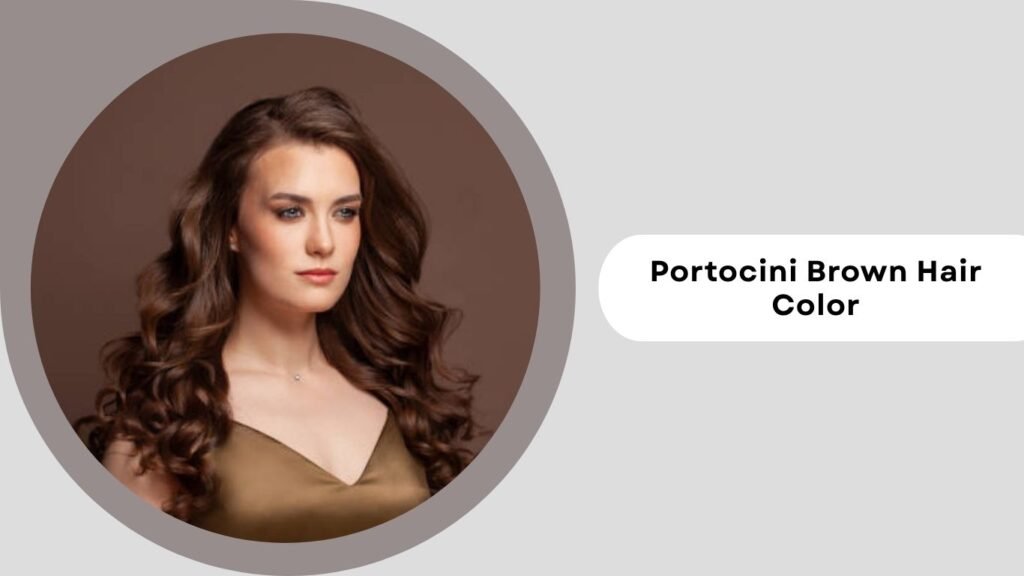
Portocini brown is one of the newer shade names circulating in 2026 hair color conversations. It sits between mocha and medium brown, with a warm, slightly muted quality that reads rich without being heavy. The tone has subtle caramel undertones but stays grounded enough to avoid looking brassy or orange. It photographs beautifully in natural light, shifting between warm brown and deep golden-brown depending on the angle. This shade suits warm and neutral skin tones particularly well and works as a standalone color or as a base for balayage and glossing treatments.
What Portocini Brown Looks Like in Different Lighting
Portocini brown is a chameleon shade. Indoors it reads as a medium, warm brown with depth at the roots. In direct sunlight it picks up golden and caramel flints that give it a luminous quality. Under artificial lighting it looks closer to a rich, muted mocha. That range is exactly why it works so well in summer. The color responds to light dynamically rather than sitting flat. If you want a shade that looks different and interesting throughout the day without any styling effort, portocini brown delivers that naturally.
How Portocini Brown Differs From Standard Chocolate Brown
Portocini brown and chocolate brown are close but not the same. Chocolate brown leans warmer and richer, often with red or orange undertones. Portocini sits slightly more muted and golden, with a softer finish. Chocolate brown can read heavy in summer. Portocini avoids that by staying lighter and more dimensional. It also holds tone more evenly over time, as the muted quality means it fades more gracefully than a pure warm chocolate, which often goes brassy at the first sign of sun exposure or washing.
Portocini Brown Hair Care Basics
Warm tones in portocini brown need consistent protection to stay true:
- Use a warm-toned color-depositing conditioner every 2 to 3 weeks to refresh caramel tones
- Apply a color-sealing gloss treatment at home between salon visits
- Protect hair from chlorine and salt water, both strip warm tones rapidly
- Wash with lukewarm water, never hot. Hot water opens the cuticle and accelerates color loss
- Use a leave-in UV protectant spray before any outdoor activity
- Avoid over-washing. Two to three times per week maximum preserves warm pigment longer
Who Portocini Brown Suits Best
Portocini brown works best on warm and neutral skin tones. Golden, olive, and bronze complexions gain the most from the caramel warmth in this shade. Medium skin tones with yellow or peachy undertones look particularly vibrant with portocini brown. Fair skin with neutral undertones carries it well when the shade is kept light enough to avoid overpowering. Cool skin tones struggle most with this color, as the warm golden tones compete with cool pink or blue undertones rather than complementing them. A cooler version with less caramel can work for neutral-cool types if adjusted correctly.
6. Coffee Brown Hair Color for Summer 2026
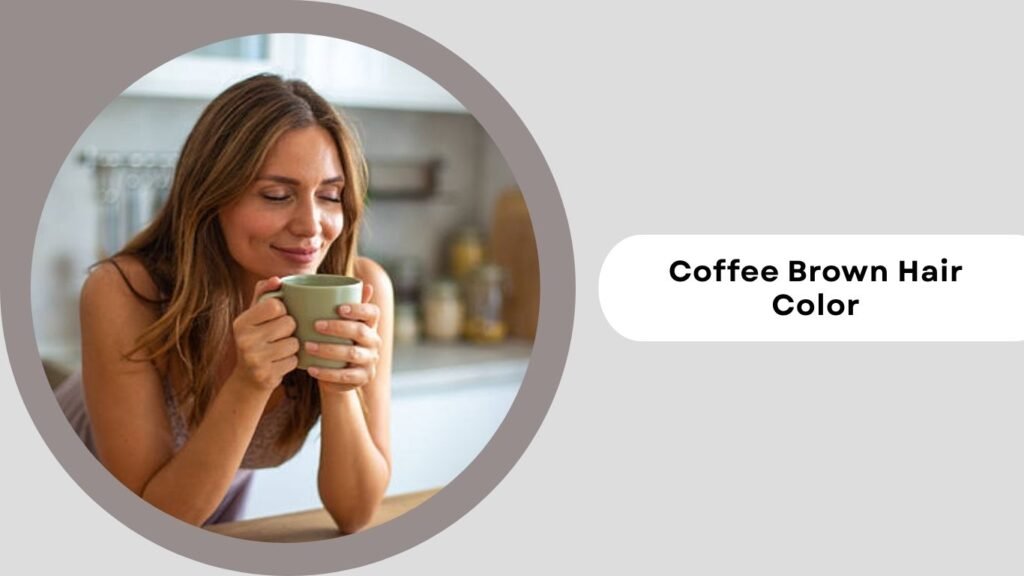
Coffee brown is a timeless dark shade that earns its place on every summer list. It blends deep, warm brown with subtle richness, sitting darker than caramel but lighter than espresso. The key to making coffee brown work in summer is keeping it dimensional. A flat, single-process coffee brown can look heavy and dull in warm weather. Add balayage, glossing, or fine highlights and the same shade transforms into something alive and modern. It suits almost every skin tone and is one of the most universally flattering dark summer options available.
How to Add Dimension to Coffee Brown Hair
Flat coffee brown needs dimension to perform in summer. The most effective approach is a combination of glossing and selective balayage. A clear or amber gloss applied over the base adds shine and depth without changing the tone. Balayage through the mid-lengths introduces lighter, warmer pieces that give the hair movement. Another option is lowlights placed underneath to create contrast between layers. Any of these techniques transforms coffee brown from a basic one-shade dye job into a multi-tonal color that reads rich and intentional in summer light.
Coffee Brown Hair Techniques Compared
Balayage gives the most natural, sun-kissed result and requires the least maintenance. Foil highlights create sharper contrast and more defined lighter pieces, which suits shorter hair better. Glossing alone adds shine and slight tonal shift without structural change, making it ideal for refreshing existing coffee brown color. Lowlights add depth and dimension underneath, creating a shadow root effect that grows out cleanly. For most people, combining a gloss with selective balayage or lowlights produces the most dimensional, season-appropriate coffee brown result with the fewest required touch-ups.
Coffee Brown Hair Maintenance Schedule
Keeping coffee brown looking intentional through summer requires a routine:
- Wash 2 to 3 times per week with a color-safe, sulfate-free shampoo
- Apply a moisturizing hair mask every week to prevent dryness from summer heat and UV exposure
- Use a warm-toned gloss treatment at home every 4 weeks to refresh depth and shine
- Apply UV-protectant products daily, especially if spending extended time outdoors
- Avoid box dye touch-ups at home. Coffee brown is easy to oversaturate, which kills dimension
- Book a salon gloss or toner refresh every 6 to 8 weeks between color appointments
Best Styling Options for Coffee Brown Hair
Coffee brown is one of the most styling-friendly dark shades. Waves and curls show the dimension most clearly, as the tonal variation between lighter and darker sections becomes visible when the hair moves. Blowouts enhance the glossy quality of the shade, making it look polished and rich. Straight styles work well on longer lengths where the depth of the color reads across a larger surface. Air-drying with a curl cream is the lowest-effort option and still looks intentional, especially when balayage is present. The color does the work regardless of the style.
7. Dark Hair with Money Piece Highlights
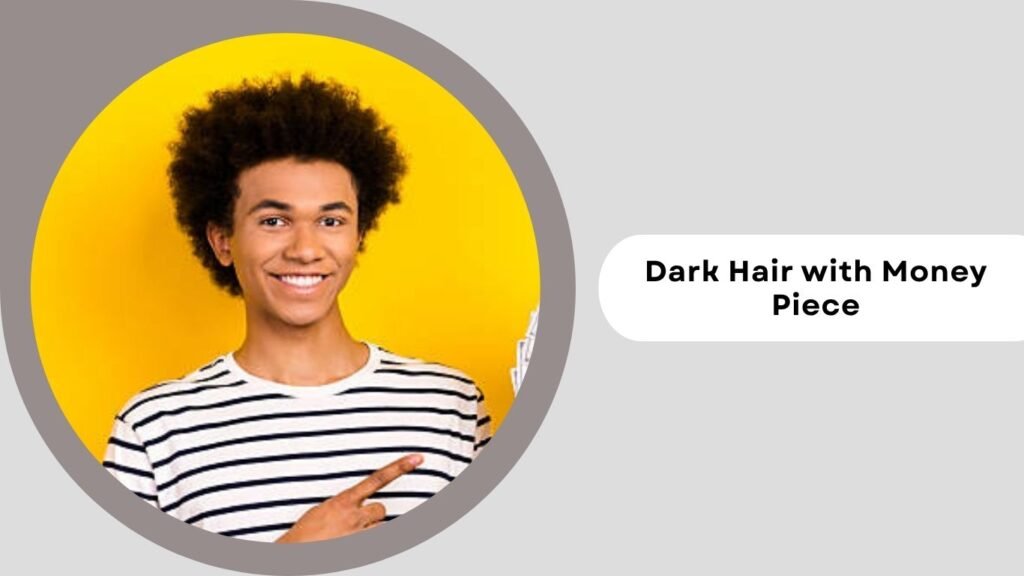
The money piece is one of the most effective techniques for dark summer hair. It places bright, face-framing highlights at the very front of the hairline, contrasting sharply against a dark base. The result is instant brightness around the face without changing the overall dark tone of the hair. In summer, this contrast reads as bold and intentional. It draws attention to facial features and creates the illusion of a lighter, more sun-kissed look while keeping the majority of the hair deep and rich. It is also one of the lower-commitment color techniques available.
How a Money Piece Works on Dark Hair
A money piece on dark hair uses bleached or heavily lightened sections placed directly at the front hairline, framing the face on both sides. On dark brown or black hair, these sections are typically lifted to a light blonde or honey tone to create maximum contrast. The rest of the hair stays at its natural dark base. Some colorists blend the money piece softly into the base for a gradient effect. Others keep it sharp and defined for a higher-contrast, editorial finish. Both approaches work, and the choice depends on how bold you want the result to look.
Placement Variations for the Best Money Piece Result
Placement changes everything with a money piece. A thin, precise placement creates a subtle brightening effect that reads as natural. A wider, thicker placement reads as bold and high-fashion. Some colorists place the money piece starting at the temple, others start it directly at the hairline at the part. Curtain bang-length placements frame the face differently than pieces that extend to the chin. For dark summer hair, a medium-width placement starting at the hairline and blending into the front layers tends to give the most balanced, flattering result across different face shapes and hair lengths.
Money Piece Maintenance on Dark Hair
Dark hair with a money piece has specific upkeep needs:
- Use a purple shampoo on the lightened sections only to prevent them from going yellow
- Apply a bond treatment like Olaplex weekly to keep bleached sections strong and elastic
- Avoid applying heat directly to the money piece sections without a heat protectant
- Refresh the money piece every 8 to 10 weeks as it grows out from the hairline
- Use a targeted toning gloss on the lightened sections every 4 to 6 weeks to keep tone clean
- Keep the dark base conditioned separately, as it has different moisture needs than the bleached sections
Who the Money Piece Works Best For
The money piece suits most face shapes and hair lengths, but it works hardest on certain types. Long dark hair benefits the most visually because the contrast between the bright face-framing pieces and the dark lengths is most dramatic. Medium-length hair with layers also carries it well. For face shapes, the money piece adds width and brightness to narrower faces and draws attention upward on longer face shapes. It works on any dark base, from dark brown to near-black. Warm skin tones pair well with honey or caramel money pieces. Cool skin tones look sharper with an ash blonde or platinum placement.
8. Dark Brown Hair with Blonde Highlights
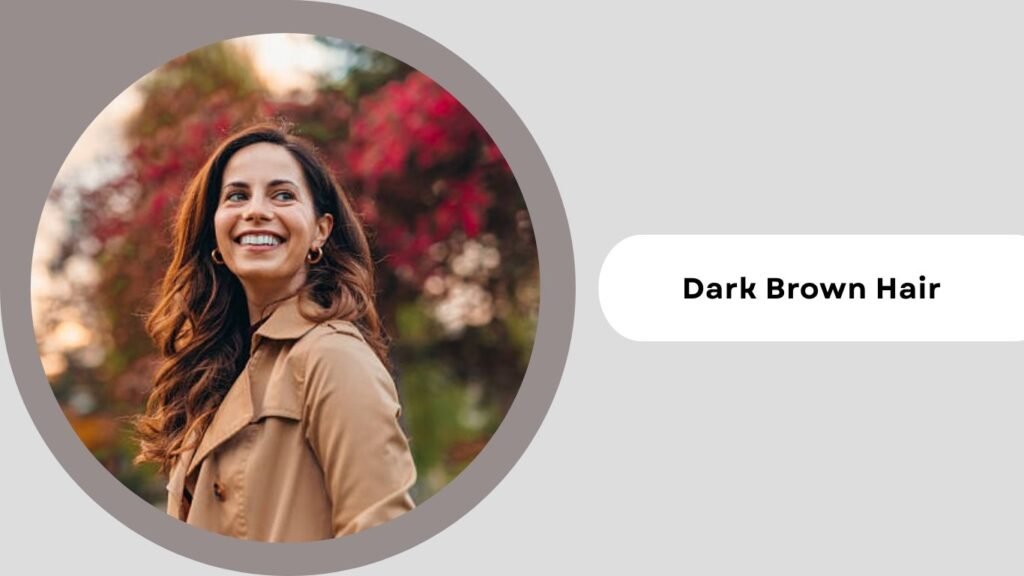
Dark brown hair with blonde highlights is a classic summer combination that stays relevant because it works. The contrast between deep brown and blonde creates natural-looking dimension that reads as sun-lightened rather than salon-colored. In 2026, the trend leans toward softer, more blended blonde placement rather than chunky or dramatic streaks. The highlights are fine, spread throughout the mid-lengths and ends, and finished with a gloss to soften the transition between dark and light. The result is a lived-in, effortlessly dimensional look that suits summer without requiring constant upkeep.
Choosing the Right Blonde Tone for Dark Brown Hair
The blonde tone matters as much as the placement. Warm golden blonde highlights on dark brown create a sun-kissed, natural look best suited to warm skin tones. Ash blonde highlights create a cooler, more modern contrast that suits cool and neutral complexions. Honey blonde sits in the middle, warm but not golden, and works across the widest range of skin tones. For 2026, cooler and more muted blonde tones are trending over warm gold. If your goal is dark summer hair that still looks polished, ash or honey blonde delivers more sophistication than a yellow or brassy golden tone.
How to Avoid Chunky or Dated Highlights
Chunky highlights date a look immediately. The key to modern dark brown with blonde highlights is fine sectioning and soft blending. Ask your colorist for babylights or fine balayage rather than traditional foil highlights. Request that the blonde pieces are no wider than a pencil. The placement should vary in thickness and position rather than following uniform rows. A toning gloss applied after lifting the highlights softens the contrast and blends the transition zones. Shadow root technique, where the dark base is blended slightly into the highlighted sections, is the most effective way to modernize traditional highlights.
Dark Brown and Blonde Highlights Home Care
Two-toned color needs targeted care to keep both shades looking their best:
- Use a purple or blue toning shampoo weekly to keep blonde sections bright, not yellow
- Apply a moisturizing mask to the full length weekly, focusing on the lighter ends
- Use a heat protectant every time you style. Bleached blonde sections are fragile
- Avoid chlorinated water contact without a leave-in conditioner applied first
- Book a gloss refresh every 6 to 8 weeks to maintain the blend between dark and blonde
- Trim ends every 8 weeks. Highlighted ends show split ends and dryness faster than the dark root area
Length and Texture Considerations for This Look
Dark brown with blonde highlights performs differently depending on hair length and texture. On long straight hair, the contrast between dark and blonde is most visible and reads the most dramatically. On shorter cuts, fine highlights add subtle dimension without overpowering the style. Curly and wavy hair is where this combination looks most natural. Coils and waves catch light differently on dark and blonde sections simultaneously, creating a multi-tonal effect that photographs beautifully. If you have natural texture, ask your colorist to place highlights where your curl pattern creates natural separation rather than following standard sectioning.
9. Curly Dark Brown Hair with Lowlights
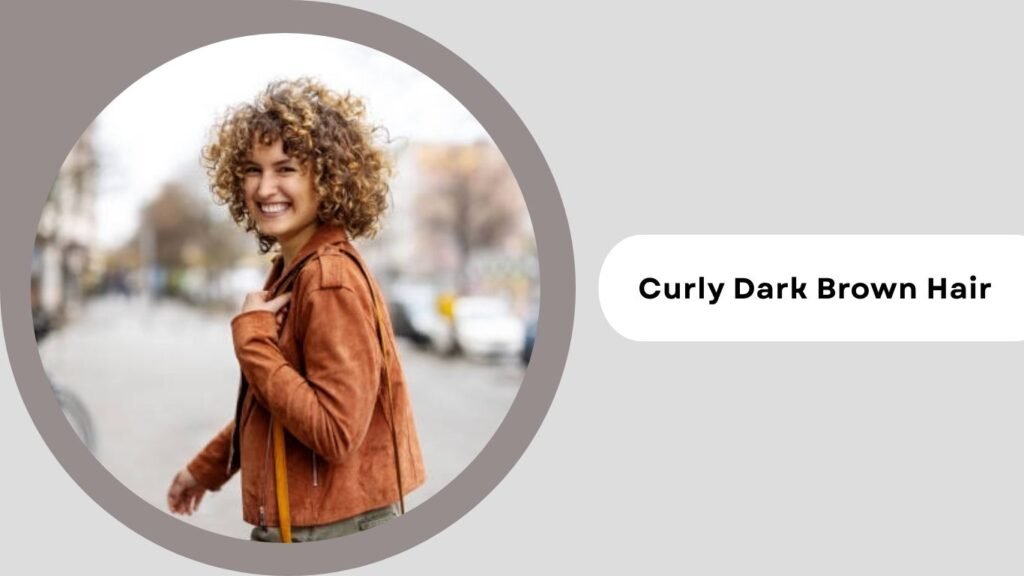
Curly dark brown hair with lowlights is one of the most underrated dark summer combinations. While most curly hair color conversations focus on adding highlights, lowlights work differently on curls. They add depth between coils and waves, creating shadow and contrast that makes the curl pattern appear more defined and three-dimensional. For dark brown curly hair, lowlights placed one to two shades deeper than the base create a richer, more layered look without any bleaching. The result is dimensional, healthy-looking color that enhances rather than fights the natural texture of the hair.
How Lowlights Work Differently on Curly Hair
Lowlights on curly hair create depth in a way that highlights cannot. Because curls naturally separate into sections, darker lowlights placed between curl clusters add shadow that makes each coil look more defined. The darkness creates visual contrast without lightening the hair, which means the cuticle stays intact and curl integrity is preserved. For dark brown curly hair specifically, lowlights close to the base shade add richness, while lowlights two or three shades deeper create dramatic definition. The technique requires a skilled colorist who understands curl patterns, as placement matters more on textured hair than on straight.
Best Lowlight Shades for Dark Brown Curls
The lowlight shade determines the overall result. For a subtle, natural effect, choose a shade one to two levels darker than your natural brown. Dark espresso or near-black lowlights create the most dramatic curl definition and work best on medium to deep skin tones. Cool-toned lowlights with ash or mocha undertones suit cooler skin complexions. Warm-toned lowlights with dark chestnut or deep chocolate undertones suit warm and olive skin. Avoid lowlights with heavy red or copper tones on dark brown curly hair unless you specifically want a red shift. Those tones can look unexpected once the curl pattern separates and the color becomes visible.
Curly Dark Brown Hair Color Routine
Curly hair needs a color care routine that protects texture and pigment simultaneously:
- Co-wash or use a sulfate-free shampoo only. Sulfates strip both color and natural curl moisture
- Apply a deep conditioning treatment every week to maintain moisture balance in color-treated curls
- Use a leave-in conditioner every wash day to protect both the cuticle and the color
- Refresh curl definition with a water and conditioner mix between wash days to avoid frizz from dry styling
- Avoid heat styling as much as possible. Curly hair loses definition and color vibrancy faster under repeated heat
- Apply a UV protectant before outdoor activities. Sun exposure dulls dark shades and disrupts curl protein bonds
Why Lowlights Outperform Highlights on Dark Curly Hair
Highlights on dark curly hair require bleaching, which weakens the curl protein structure. Damaged curls lose definition, elasticity, and bounce. Lowlights add color without lifting, meaning no bleach touches the curl. The hair stays structurally strong and the curl pattern stays intact. Lowlights also grow out more gracefully on curly hair than highlights do. Because dark tones blend into a dark base naturally, the grow-out is invisible rather than creating a harsh root line. For anyone with naturally curly dark brown hair who wants summer color without compromising their texture, lowlights are the most practical and hair-friendly choice available.
10. Dark Mocha Hair Color for Summer 2026
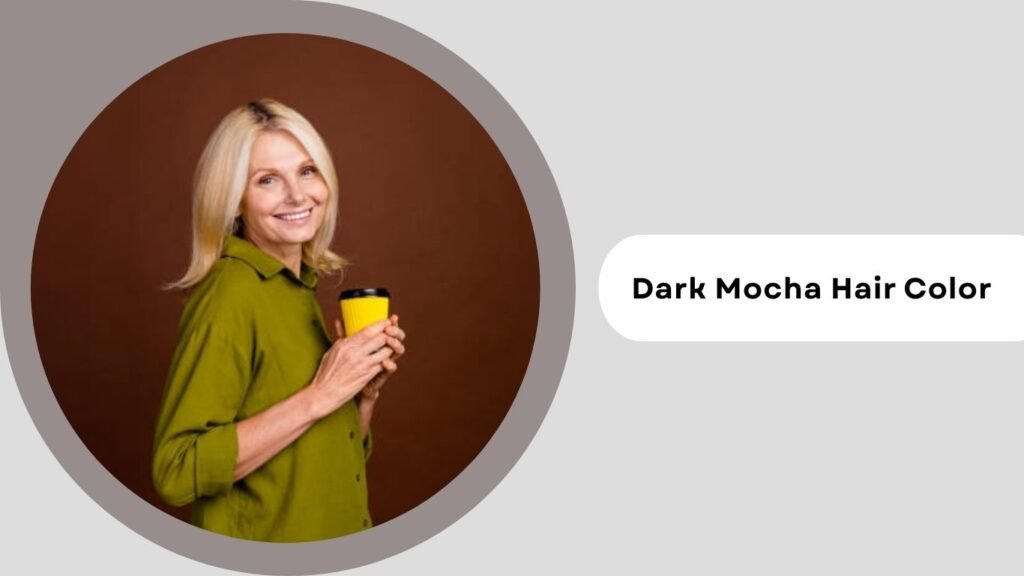
Dark mocha is a deep, cool-warm hybrid brown that sits between espresso and chocolate. It reads as a sophisticated, rich brown with just enough warmth to feel alive in summer without tipping into golden or brassy territory. The mocha tone has a slight creaminess to it that gives the hair a soft, luminous quality under natural light. It is particularly flattering in summer because the depth provides strong contrast against sun-tanned skin. Glossing is the most popular finishing technique for dark mocha because it enhances the natural sheen of the shade and keeps it from looking flat or matte.
What Separates Dark Mocha From Other Brown Shades
Dark mocha occupies a unique position in the brunette spectrum. It is warmer than ash brown but cooler than chocolate or caramel. It is deeper than medium brown but lighter than espresso or near-black. That middle position is its strength. It does not skew so warm that it looks brassy, and it does not skew so cool that it looks ashy or gray. The creamy undertone gives it a richness that reads well in multiple lighting conditions. On straight hair it looks polished and sleek. On wavy or curly hair it creates a warm, multi-dimensional depth that looks naturally rich.
How to Enhance Dark Mocha With Glossing
Glossing is the single most effective treatment for dark mocha hair. A gloss deposits a thin layer of semi-permanent color and shine over the existing shade, deepening the tone and adding significant reflectivity. For dark mocha, a mocha or warm brown gloss amplifies the natural depth of the shade. A clear gloss adds shine only without altering tone. Either option transforms flat, single-process dark mocha into something that looks multidimensional and healthy. Most colorists recommend a professional gloss every 6 to 8 weeks, but at-home gloss products from brands like Kristin Ess or John Frieda make maintenance between appointments simple.
Dark Mocha Hair: Weekly Care Basics
Maintaining richness in dark mocha hair requires a consistent approach:
- Shampoo twice a week maximum. Over-washing strips the warm mocha pigment faster than any other factor
- Use a color-protecting conditioner with every wash, focusing on the mid-lengths and ends
- Apply a warm-toned gloss treatment at home monthly to refresh depth and shine
- Protect hair from salt water and chlorine with a leave-in conditioner applied before swimming
- Trim every 8 to 10 weeks to keep ends looking healthy and prevent split ends from traveling upward
- Use a boar bristle brush for daily detangling. It distributes natural oils from root to end, which enhances the mocha shine naturally
Skin Tones That Glow Next to Dark Mocha
Dark mocha is one of the most flattering brunette shades across skin tones because of its hybrid warm-cool quality. Warm and golden skin tones respond well to the subtle warmth in the mocha tone, which enhances golden and olive complexions without looking jarring. Neutral skin tones gain rich contrast. Cool skin tones with neutral undertones can wear dark mocha when the shade is adjusted to lean slightly more ash than cream. Deep skin tones look particularly striking with dark mocha because the depth of the color creates strong contrast and definition. It is one of the few dark shades that does not require significant adjustment for different complexions.
11. Taupe Brown Hair Color for Summer 2026
Taupe brown is one of the most sophisticated entries on this list. It combines cool gray-brown tones with a muted, almost dusty quality that reads as intentionally understated. Unlike bright or warm browns, taupe leans into neutrality. It is the anti-statement hair color that still manages to look deliberate and high-end. In summer, the cool muted tone provides a striking counterpoint to warm skin and sun-kissed complexions. It photographs exceptionally well in natural light, reading as a complex, nuanced color rather than a flat dye job. It is a strong choice for anyone who wants dark hair with an editorial edge.
How to Describe Taupe Brown to a Colorist
Taupe brown is easy to miscommunicate to a colorist. Be specific. Ask for a cool, muted brown with gray and beige undertones, similar to the color of wet concrete or greige. Specify no warm, golden, or red tones. Bring reference photos showing hair in natural outdoor lighting, as taupe brown shows its true character in sunlight rather than artificial light. Ask your colorist to use a cool ash brown base with a gray-toned toner applied on top. A custom color mix is often required because taupe brown is not a standard off-the-shelf shade. Precision in the brief gets you the right result.
Why Taupe Brown Is Low Maintenance in Summer
Taupe brown is inherently low maintenance because of its muted, neutral tone. Unlike vibrant reds or warm caramels, there is no vivid pigment to protect from fading. The cool gray-brown base fades gracefully, shifting toward a lighter, more ashy brown over time rather than going brassy or orange. This means grow-out looks intentional rather than neglected. Toning shampoos keep the cool quality intact between appointments. A single gloss treatment every 8 to 10 weeks is sufficient for most people. For anyone who wants striking dark summer hair without monthly salon visits, taupe brown is one of the most practical choices available.
Taupe Brown Hair Maintenance Essentials
Keeping taupe brown looking cool and intentional requires the right products:
- Use a blue or purple toning shampoo every 5 to 7 days to neutralize any warm shift
- Avoid heat tools above 200°C. High heat can yellow muted cool tones over time
- Apply a UV protectant spray daily. Sun exposure is the fastest way to warm up a cool taupe tone
- Use a gray-tinted conditioner monthly to reinforce the cool undertone
- Book a toner refresh every 8 to 10 weeks rather than full color appointments
- Avoid warm-toned styling products like bronzing hair mists or gold shimmer sprays
Best Styling Approaches for Taupe Brown Hair
Taupe brown looks best in clean, defined styles that let the color speak. Smooth blowouts on medium to long hair show the muted, cool depth of the shade the most clearly. Sleek ponytails and buns make the gray-brown quality look intentional and polished. On shorter hair, a textured crop or French bob lets the tone sit as the focal point of the look. Wavy styles on taupe brown create a soft, almost artistic effect. Over-textured or overly casual styles can make taupe brown look flat rather than sophisticated. The color rewards neat, deliberate styling rather than effortless undone finishes.
12. Dimensional Brunette Hair Color for Summer
Dimensional brunette is not a single shade but a technique-driven approach to dark brown hair. The goal is to create multiple tonal variations within a brown base so the color reads as complex and alive rather than flat. In summer, dimensional brunette specifically uses a mix of highlights, lowlights, and toning to mimic how natural brunette hair looks after time in the sun. The result is dark hair that appears lighter and richer simultaneously depending on the angle and the light. It is the most versatile entry on this list because it works on any existing brown base and suits every skin tone.
The Three Techniques That Create Dimension in Brunette Hair
Dimension in brunette hair comes from three specific techniques used together. Highlights lighten selected sections to add brightness and contrast. Lowlights darken specific sections to add depth and shadow. Toning adjusts the overall temperature of the color to pull everything together cohesively. Used alone, each technique produces a noticeable but incomplete result. Combined correctly, they create a layered, multi-tonal brunette that looks naturally sun-influenced. A skilled colorist balances the three based on your base shade, skin tone, and the level of contrast you want. More contrast reads as bold. Subtler variation reads as natural and undone.
How Dimensional Brunette Grows Out
One of the strongest arguments for dimensional brunette is its grow-out. Because the technique places lighter and darker tones throughout the hair rather than uniformly at the roots, there is no hard line as the hair grows. The root area blends naturally into the highlighted and lowlighted lengths. This means you can go 10 to 14 weeks between full color appointments without the hair looking neglected or overdue. The color continues to look intentional as it grows. This is especially valuable in summer when frequent salon visits compete with outdoor plans and vacation schedules.
Dimensional Brunette Color Upkeep Schedule
Staying on top of dimensional brunette is simpler than most people expect:
- Shampoo 2 to 3 times per week with a color-safe formula to preserve tonal variation
- Use a toning shampoo once weekly to keep the overall tone from shifting warm
- Apply a gloss treatment at home every 4 to 6 weeks to refresh shine and depth
- Deep condition weekly with a mask that targets both color protection and moisture retention
- Book a full color refresh every 12 to 16 weeks, as the technique holds longer than single-process color
- Between appointments, ask your colorist for a standalone gloss or toner visit at 8 weeks to extend the look
Why Dimensional Brunette Outperforms Flat Brown in Summer
Flat, single-process brown hair looks heavy and dull in summer light. Dimensional brunette solves that. The tonal variation within the color creates movement and light reflection that a single shade simply cannot produce. In sunlight, the highlighted sections catch the light while the lowlighted sections recede, creating a depth and sparkle effect that looks natural and expensive. Against summer skin, the contrast between the lighter face-framing pieces and the darker base creates definition and warmth. The overall effect is that your hair looks healthier, more interesting, and more intentional than flat brown, with minimal additional maintenance required.
13. Dark Plum Brown Hair Color for Summer
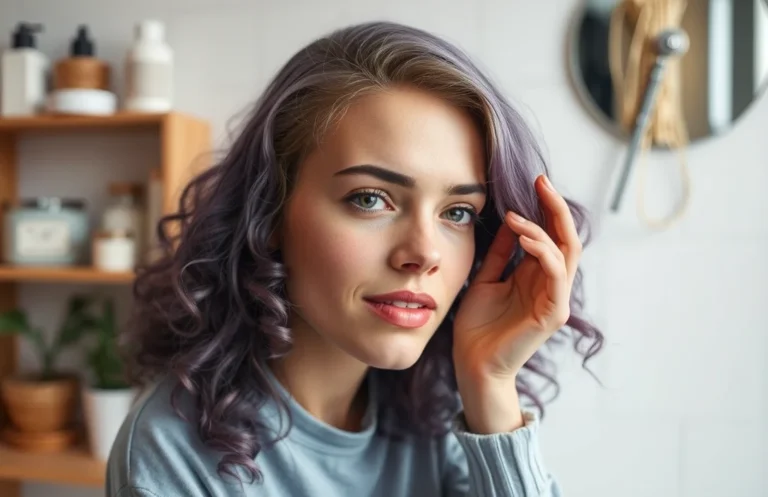
Dark plum brown is a bold but wearable entry on this list. It blends deep brown with a purple-red undertone, creating a shade that reads as sophisticated burgundy in some lights and rich dark brown in others. It avoids the brightness of a full purple or red by keeping brown as the dominant base. In summer, the shifting quality of plum brown is its main appeal. It catches violet and burgundy tones in direct sunlight while staying grounded and dark in shade. It suits cool and neutral skin tones best and makes a strong statement without requiring the full commitment of a vivid color.
How to Balance Plum and Brown in This Shade
The ratio of plum to brown defines the overall character of this color. A higher plum ratio pushes the shade toward a rich burgundy that reads almost wine-toned in daylight. A higher brown ratio keeps it grounded, with the plum showing only as a subtle sheen when light hits at the right angle. For most people, a 30 plum to 70 brown ratio hits the right balance. That proportion gives you the visual interest of a non-traditional shade without the high maintenance of a full vivid color. Ask your colorist to custom-blend the formula rather than using an off-the-shelf shade for the most accurate result.
Keeping Dark Plum Brown Vibrant Through Summer
Plum and purple tones are among the fastest-fading hair colors. Protecting this shade requires active effort:
- Use a purple or color-depositing shampoo specifically for red-violet tones twice a week
- Rinse exclusively with cold water. Hot water opens the cuticle and flushes purple pigment immediately
- Apply a UV hair protectant every morning. Violet tones break down under UV light faster than any other shade
- Avoid chlorine completely. Pool water turns plum tones green or muddy within a single swim
- Book a color gloss every 4 to 5 weeks to redeposit plum tones between full appointments
- Use a heat protectant at every styling session. Heat accelerates fade in violet-based colors significantly
Who Dark Plum Brown Suits Best
Dark plum brown is most flattering on cool and neutral skin tones. Fair skin with pink or cool undertones gets a dramatic, high-contrast result that photographs beautifully. Medium skin tones with neutral or pink undertones gain warmth and definition from the plum without the color clashing. Deep cool-toned skin carries dark plum brown exceptionally well, as the violet undertone harmonizes with cool dark complexions. Warm and golden skin tones can try this shade but should lean toward a more red-plum blend to complement rather than compete with warm undertones. From a color analysis perspective, Deep Winter and Cool Winter types are ideally suited to this shade.
14. Espresso Brown Hair with Face Framing Highlights
Espresso brown with face framing highlights combines one of the deepest dark shades with strategic brightness around the hairline. Espresso brown on its own is almost black, making it a strong, high-contrast base. Adding face framing highlights, which sit lighter at the front of the hair near the temples and hairline, immediately softens that intensity and draws brightness toward the face. In summer, this combination reads as bold but not heavy. The contrast between the near-black base and the lighter face-framing pieces is sharp enough to be noticed without requiring full highlights throughout the entire head.
How Face Framing Differs From a Full Highlight Service
Face framing highlights cover far less surface area than a full highlight service. Only the front sections, typically between two and four pieces on each side, receive color. The rest of the head stays at the espresso base. This has two major advantages: the service costs less and takes less time, and the maintenance window is longer because only a small area needs refreshing. For espresso brown specifically, keeping the face framing contained also ensures the deep richness of the base is not disrupted. The dark body of the hair stays intact while the front brightens strategically.
Best Highlight Tones for Espresso Brown Hair
The tone of the face framing highlight determines the overall mood of the look. Warm caramel or honey highlights on espresso brown create a sun-kissed effect that flatters warm and neutral skin tones. Ash or cool blonde highlights on espresso brown create a sharper, higher-contrast result better suited to cool complexions. Copper or auburn highlights add warmth and a hint of red that works on olive and medium skin tones. Platinum or near-white highlights on espresso create the most dramatic money piece effect, suited to bold styling choices and editorial looks. Match the highlight tone to your skin undertone for the most cohesive result.
Espresso Brown Face Framing Highlight Upkeep
Targeted highlights are easier to maintain than full-head color but still need consistent care:
- Apply a toning shampoo to the highlighted sections only, once a week
- Use a bond-strengthening treatment weekly on the lightened face framing pieces to prevent breakage
- Avoid pulling highlighted sections into tight styles that create friction and stress on the lightened strands
- Refresh the face framing highlights every 8 to 12 weeks depending on how fast your hair grows
- Apply a heat protectant directly to the highlighted sections before blow-drying or styling
- Use a clear gloss over the full head every 6 to 8 weeks to unify the espresso base and the highlighted pieces
15. Dark Brown Glossy Hair for Summer 2026
Glossy dark brown hair is about surface quality as much as color. A deep, high-shine brunette reflects light in a way that makes the color look richer, healthier, and more expensive than the same shade without gloss. In summer, a glossy finish on dark brown hair creates a striking contrast against sun-warmed skin. The technique involves applying a clear or tinted gloss treatment over the existing color, sealing the cuticle and creating a reflective surface. No bleaching, no dramatic tonal shift. Just clean, mirror-like shine over a rich dark base. It is one of the simplest and most impactful dark summer hair updates available.
What Gloss Treatments Actually Do to Dark Brown Hair
A gloss treatment works on two levels simultaneously. First, it deposits a semi-permanent tint over the existing base, which either deepens the current tone or adds a subtle shift in warmth or coolness depending on the formula used. Second, it seals the cuticle of each strand, which flattens the hair surface and creates the high-shine reflective finish the treatment is named for. The result lasts four to six weeks on average. Clear glosses add only shine without tonal change. Tinted glosses adjust tone and add shine simultaneously. For dark brown hair in summer, a tinted mocha or cool brown gloss produces the richest, most dimensional result.
In-Salon vs. At-Home Gloss for Dark Brown Hair
Professional salon gloss treatments use stronger formulas that penetrate deeper and last longer. Brands like Redken Shades EQ and Wella Shinefinity are industry standards that colorists apply after shampooing and rinse out after 20 minutes. Results last four to six weeks. At-home glosses from brands like Kristin Ess Gloss, John Frieda Colour Gloss, and Garnier Nutrisse Booster are weaker but still effective for maintenance between appointments. They are applied like a conditioner and rinsed out after 5 to 10 minutes. At-home options work best as a four-week refresh between professional treatments, not as a replacement.
Glossy Dark Brown Hair Care Between Treatments
Protecting shine between gloss appointments keeps the reflective finish looking fresh:
- Wash with a smoothing or shine-enhancing shampoo rather than a volumizing formula, which roughens the cuticle
- Use a cool or cold final rinse at the end of every shower to seal the cuticle and lock in shine
- Apply a lightweight hair oil to dry or damp hair before styling to maintain surface smoothness
- Avoid heavy, waxy styling products that coat the hair and dull the gloss finish
- Sleep on a silk or satin pillowcase to reduce friction, which degrades the cuticle seal overnight
- Limit heat styling to maintain the sealed cuticle layer. High heat reopens the cuticle and reduces gloss faster
16. Dark Hair with Babylights for Summer
Babylights on dark hair are the most natural-looking highlight technique available. The name refers to the ultra-fine sections used, which mimic the subtle color variation found in children’s hair before it darkens. On a dark brown or near-black base, babylights add dimension without creating visible highlight lines or a streaky effect. The result is a dark base that catches light differently across the surface, creating depth and movement. In summer, this technique gives dark hair a sun-influenced quality that looks like natural lightening rather than a salon service. It is one of the most requested techniques for dark summer hair in 2026.
How Babylights Differ From Standard Highlights
Standard highlights use wider sections of hair, typically lifted to a clearly lighter tone that creates visible contrast lines against the dark base. Babylights use sections as thin as a strand of dental floss, placed throughout the entire head in fine increments. The lift is subtle, usually one to two levels lighter than the base rather than the three to five levels used in traditional highlights. The result is a color variation so fine that it reads as natural depth rather than a coloring technique. On dark brown hair, babylights create a soft, multi-tonal dimension that is visible only when the hair moves or catches direct light.
Placement Strategy for Babylights on Dark Hair
The placement of babylights determines how natural or defined the result looks. For the most sun-kissed effect, ask your colorist to concentrate the finest babylights on the top layer of hair where sunlight would naturally hit. A slightly heavier placement around the face adds brightness near the hairline. The underneath layers stay at the dark base, creating depth that makes the top layer babylights appear to glow by contrast. Random, non-uniform placement looks most natural. Even rows or uniform spacing looks more like traditional highlights and loses the organic quality that makes babylights effective on dark hair.
Babylights Maintenance for Dark Hair
Babylights are low maintenance by design but still need consistent care:
- Book a refresh every 12 to 16 weeks. Babylights grow out invisibly, so timing is flexible
- Use a color-protecting shampoo to prevent the lightened sections from going yellow
- Apply a bond-strengthening treatment weekly. Fine lightened strands are more fragile than standard highlights
- Use a toning shampoo every 10 days to maintain the tone of the babylighted sections
- Apply a hydrating hair mask weekly to keep the fine lightened sections from drying out
- Use a heat protectant on the full head but focus application on the babylighted sections specifically
17. Rich Dark Chocolate Brown Hair for Summer
Rich dark chocolate brown is a warm, indulgent shade that sits deeper than coffee but lighter than espresso. The chocolate descriptor refers specifically to the warm, reddish-brown undertones that give the shade its depth and richness. In summer, this color reads as lush and dimensional, especially when glossed or paired with face-framing highlights. It flatters warm and neutral skin tones with particular strength, enhancing golden and olive complexions against sun-warmed skin. The key to making dark chocolate brown work in summer is keeping it dimensional through balayage or glossing rather than wearing it as a flat, single-process shade.
How to Add Modern Dimension to Dark Chocolate Brown
Flat dark chocolate brown needs dimension to avoid looking heavy in summer. The most effective method is a combination of a clear or warm gloss over the base and selective face framing highlights in a honey or caramel tone. The gloss deepens and unifies the base while adding shine. The face framing highlights add contrast and brightness near the face without disrupting the rich dark tone of the rest of the hair. A second option is adding fine chocolate balayage through the mid-lengths using a shade one to two levels lighter than the base to create internal movement and light reflection.
Dark Chocolate Brown and Skin Tone Compatibility
Dark chocolate brown is one of the warmest shades on this list, which makes skin tone matching especially important. Warm skin tones with golden, olive, or peachy undertones respond beautifully to the rich warmth in chocolate brown. The color amplifies natural golden tones in the complexion. Neutral skin tones carry it well with no adjustment needed. Cool skin tones struggle the most with this shade, as the warm red-brown undertones compete with cool pink or blue complexion tones. For cool skin types who want a chocolate brown, ask your colorist to use a cooler, darker chocolate formula with less red content to reduce the clash.
Dark Chocolate Brown Summer Care Routine
Warm tones in dark chocolate brown need active protection to stay rich and avoid fading to a dull, flat brown:
- Use a warm-toned color-depositing shampoo every two weeks to refresh red-brown pigment
- Apply a hydrating oil treatment weekly to enhance the natural sheen of the chocolate tone
- Protect from direct sun exposure with a UV hair spray applied before outdoor activities
- Avoid over-washing. Twice a week maximum prevents the warm pigment from stripping out prematurely
- Use a warm amber or chocolate-tinted gloss at home every four weeks between salon appointments
- Book a professional color refresh every 8 to 10 weeks to maintain the depth and richness of the chocolate tone
18. Cool Dark Brown Balayage for Summer 2026
Cool dark brown balayage flips the traditional warm summer hair formula. Instead of honey and caramel, this technique uses ash, taupe, and cool mocha tones painted freehand through a dark brown base. The result is dimensional brunette with a sophisticated, muted quality rather than a sun-kissed glow. It is the right choice for anyone who finds warm highlights too bright or too predictably summery. The cool tones work particularly well on cool and neutral skin tones, and the balayage technique ensures the color grows out cleanly without a harsh root line. It reads as intentional, modern, and distinctly 2026.
How Cool Tones Work in a Balayage Technique
Traditional balayage uses warm blonde or caramel tones painted through the hair to mimic sun lightening. Cool balayage replaces those warm tones with ash, smoke, or taupe-brown shades applied through the same freehand technique. The application method is identical but the tonal result is completely different. Cool balayage creates contrast through tone rather than lightness, meaning the highlighted sections do not need to be dramatically lighter than the base. A two to three level lift painted with an ash toner produces dimension that reads as cool and smoky rather than warm and sun-drenched. A toning gloss at the end of the service locks in the cool quality.
Keeping Cool Tones in Balayage From Going Warm
Cool balayage is vulnerable to warmth creeping in over time. Sun exposure, hard water, and heat styling all pull cool brown tones toward brass and orange. Preventing that requires consistent toning. Use a blue or gray toning shampoo weekly to neutralize warm shift. A purple shampoo works if the lightened sections have yellow undertones rather than orange. Apply a UV protectant spray daily, especially through summer months when UV exposure is at its highest. Book a toning gloss refresh every 6 to 8 weeks. A single well-timed professional toner appointment between full color services extends the cool quality for several additional weeks.
Cool Dark Brown Balayage Upkeep Checklist
Maintaining cool tones in balayage requires more active toning than warm-toned alternatives:
- Toning shampoo once a week, alternated with a regular color-safe shampoo
- UV spray applied every morning before leaving the house
- Professional gloss or toner refresh every 6 to 8 weeks
- Deep conditioning mask applied weekly to maintain moisture in lightened sections
- Heat styling limited to 3 times per week with protectant at 200°C or below
- Hard water filter fitted to shower head if your tap water has high mineral content, which accelerates brass
19. Dark Ash Brown Hair Color for Summer
Dark ash brown is the purest cool-toned entry on this list. It strips warmth from the brunette spectrum entirely, leaving a deep, gray-brown shade with no hint of gold, copper, or red. In summer, this contrast against warm skin and bright outdoor light creates a dramatic, striking effect. It is the ideal shade for Cool Summer and Soft Summer color analysis types who need muted, cool-toned hair to complement their complexion. It is also the hardest shade to maintain because warm undertones fight to resurface in dark brown hair. The right toning routine keeps it sharp through the full season.
Why Dark Ash Brown Is Hard to Achieve on Warm Brunettes
Most natural brunettes have warm undertones in their hair. Red, orange, and gold pigments are the hardest to neutralize during the coloring process. Achieving a true dark ash brown on warm hair requires a two-step process: first pre-toning to neutralize existing warmth, then applying the ash brown formula on top. Skipping pre-toning causes the warm undertones to bleed through the ash within weeks, shifting the color back toward a muddy warm brown. A skilled colorist accounts for this in the formula. An inexperienced one produces ash that fades to brass within a month.
How to Maintain Dark Ash Brown Through Summer
Summer is the most challenging season for dark ash brown because heat, sun, and outdoor activity all accelerate warmth returning to the hair. Use a blue-based toning shampoo twice a week. Apply a cool gray or ash-toned conditioner monthly to reinforce the tone. Avoid prolonged sun exposure without UV protection. Wear a hat or apply a UV hair spray every day. Book a toner refresh every six weeks. If the hair starts pulling warm between appointments, an at-home toning gloss in a cool brown or gray-brown shade can neutralize early brassiness before it becomes severe. Consistent toning is non-negotiable for this shade in warm weather.
Dark Ash Brown Product Recommendations by Category
Using the right products makes a significant difference in maintaining dark ash brown:
- Toning shampoo: Fanola No Orange or Matrix Total Results Brass Off for brown hair
- Conditioner: Redken Color Extend Brownlights blue conditioner for brunettes
- Gloss treatment: Wella Shinefinity in shade 5/07 or 6/07 for cool brown refresh
- UV protectant: Kenra Platinum Silkening Mist or Color Wow Dream Coat
- Deep conditioner: Olaplex No. 8 Bond Intense Moisture Mask weekly
- Heat protectant: Redken One United All-In-One Treatment at every styling session
20. Dark Brown Hair with Subtle Copper Lowlights
Dark brown hair with subtle copper lowlights is the warmest entry on this list, and it earns its place because the execution keeps it from going brash. The copper is placed as lowlights, not highlights, meaning it sits beneath the surface of the dark brown base rather than on top. This creates a warm, glowing depth that appears when the hair moves rather than sitting as a prominent contrast on the surface. In summer sunlight, the copper flashes through the brown like an ember, adding richness without overwhelming the dark base. It suits warm and neutral skin tones beautifully.
Why Copper Lowlights Work Better Than Copper Highlights
Copper highlights on dark brown hair read as obvious and can look stripy or overdone. Copper lowlights work differently. Placed underneath the top layer of hair, they create depth and warmth that the eye catches in glimpses rather than head-on. The technique involves weaving fine sections of copper through the underside and mid-layers of dark brown hair. The top layer stays dark, concealing the copper partially. When the hair falls naturally, moves in the wind, or the head turns, the copper sections become visible and add a warm glow that feels organic rather than colored. The effect is warmth you feel more than see.
Copper Lowlight Shades for Different Dark Brown Bases
The copper shade needs to match the warmth of the dark brown base. For cool or neutral dark brown bases, a slightly muted, terracotta copper adds warmth without clashing. For warm dark chocolate or coffee bases, a rich, true copper or auburn copper extends the existing warmth naturally. Avoid bright orange copper on any dark brown base. It reads as brassy rather than warm and intentional. A deep, slightly dusty copper sits closer to a true lowlight and integrates more naturally into dark brown than a saturated, vivid copper tone, which tends to look like a separate color rather than a tonal variation of the same brunette family.
Copper Lowlight Upkeep on Dark Hair
Copper tones fade faster than most brunette shades and need consistent attention:
- Use a red or copper color-depositing shampoo twice a week to maintain warmth in the lowlighted sections
- Avoid clarifying shampoos entirely. They strip copper pigment in a single wash
- Apply a UV protectant daily. UV light degrades warm red and copper tones rapidly in summer
- Rinse with cool water only. Hot water pulls copper out of the hair cuticle every wash
- Book a gloss refresh in a warm copper or auburn tone every 4 to 6 weeks between color appointments
- Use a deep conditioning mask weekly. Copper formulas often contain more developer than standard brunette color and need consistent moisture maintenance
21. Soft Summer Dark Brown Hair Color
Soft Summer dark brown is the most nuanced entry on this list, designed specifically for the Soft Summer color analysis type. Soft Summer complexions have cool, muted undertones that are easily overwhelmed by warm or vivid hair colors. Dark hair in the wrong tone can make a Soft Summer complexion look sallow or washed out. The solution is a cool, muted dark brown with gray-beige undertones, sitting between ash brown and taupe. It is deep enough to read as dark summer hair while staying muted enough to harmonize with the delicate quality of a Soft Summer complexion. This is precision hair color for a specific palette type.
What Soft Summer Color Analysis Means for Hair Color
The Soft Summer type sits in the cool, muted quadrant of the seasonal color analysis system. Complexions are typically fair to light medium, with cool or neutral-cool undertones and low contrast between hair, skin, and eye color. Vivid, warm, or high-contrast hair colors overwhelm this palette. Dark hair works for Soft Summer only when it is sufficiently muted and cool. Think dark taupe, cool muted brown, or dark greige rather than rich chocolate, espresso, or cherry tones. The hair color needs to blend with the complexion rather than contrast sharply against it.
The Right Shades for Soft Summer Dark Hair
Soft Summer dark hair should stay within a specific tonal range. Dark taupe brown, cool muted mocha, dark greige, and ash brown with gray undertones all work within the Soft Summer palette. Avoid anything with obvious warmth: no golden, caramel, chocolate, or red tones. Avoid anything too vivid or contrasting: no near-black, no stark highlights, no cherry or burgundy tones. A muted, blended result where the hair color sits quietly alongside the complexion rather than demanding attention is the correct finish. Subtle babylights in a slightly lighter muted ash brown add dimension without introducing contrast that overpowers the palette.
Soft Summer Dark Brown Maintenance Essentials
Maintaining the cool, muted quality of Soft Summer dark brown requires consistent toning:
- Use a blue or gray toning shampoo every 5 to 7 days to prevent warmth creeping in
- Apply a muted, cool-toned gloss at home monthly to preserve the greige or taupe quality
- Avoid warm-toned styling products including bronzing sprays and warm-shimmer hair oils
- Apply a UV protectant daily. UV light warms cool tones faster than any other factor
- Book a professional toner refresh every 6 to 8 weeks to maintain the muted quality
- Ask your colorist to use a custom formula with gray or beige toner mixed into the brunette base for the most accurate Soft Summer resul

- 7 Best Detangling Brushes for Curly Hair: Thick, Fine, Long & Natural Hair - September 25, 2026
- 5 Best Moisturizing Curl Defining Creams for Soft, Defined Curls - September 24, 2026
- Best Curl Creams for Straight Hair: 5 Top Picks for Women - September 24, 2026