
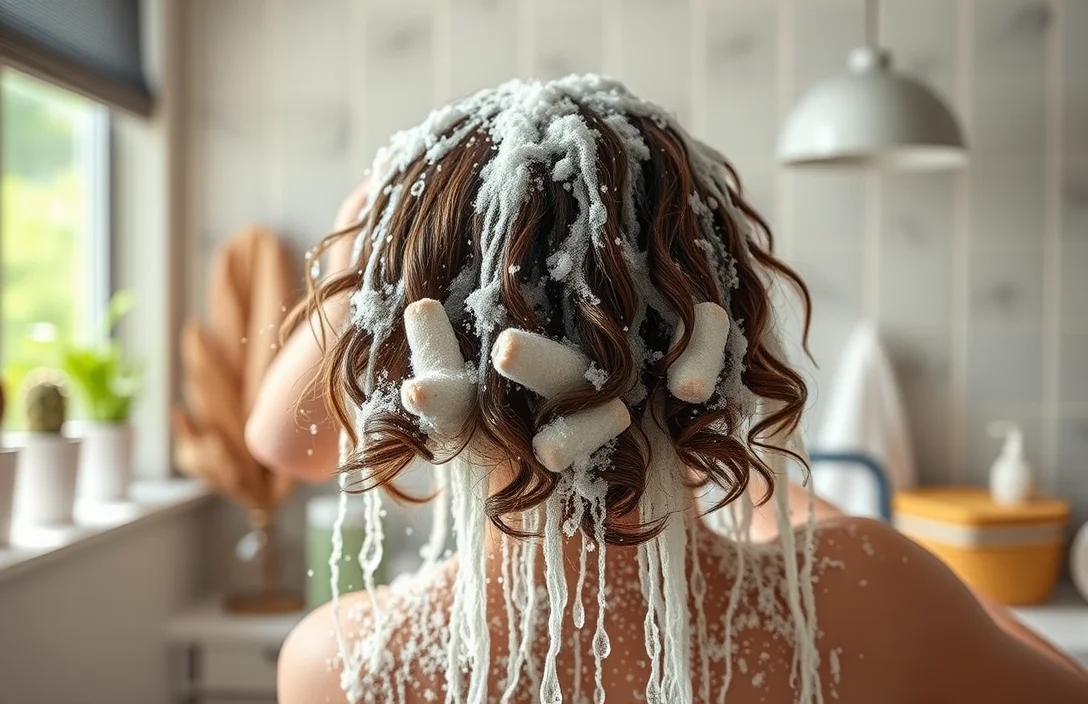
Why Shampoo Makes Hair Rough: Causes and Solutions for Softer Strands
Rough hair after shampooing affects over 70% of people, often due to improper cleansing techniques. Factors like water hardness, shampoo ingredients, and environmental conditions contribute significantly to hair texture changes. Understanding these elements is crucial for achieving smoother, healthier hair.
Shampoo can cause roughness due to harsh chemicals, lack of moisture, and build-up on the scalp. Choosing the right products and methods can help maintain softness and shine, ensuring your hair remains healthy after every wash.
Harsh Ingredients in Shampoo
Sulfates and parabens can significantly contribute to hair texture problems. These common ingredients in many shampoos strip natural oils, leading to dryness and roughness. Understanding their effects is crucial for maintaining healthy, manageable hair.
- Sulfates, such as sodium lauryl sulfate, create lather but also remove essential moisture from strands. Frequent use can result in over-drying and damage.
- Parabens act as preservatives but can lead to irritation and buildup on the scalp. This buildup can weigh hair down, making it feel coarse and unmanageable.
- Choosing sulfate-free and paraben-free shampoos offers a gentler alternative. These options help retain moisture, promoting smoother, softer hair.
- Reading labels becomes vital. Look for natural ingredients like aloe vera or coconut oil that nourish hair without harsh effects.
- Transitioning to gentler products may take time. Gradual changes in your hair care routine can help restore moisture balance and improve texture.
Water Temperature Impact
Hot water strips hair moisture. Using excessively hot water during washing can damage hair cuticles, leading to rough and dry strands. Maintaining a balanced temperature while shampooing can prevent unnecessary harm to your hair’s natural texture and health.
- Opt for lukewarm water. Lukewarm water is gentle on hair, effectively cleansing without causing damage. This temperature helps maintain moisture levels while ensuring that dirt and product buildup are removed.
- Rinse with cool water. A final rinse in cool water helps seal the hair cuticles. This locks in moisture and promotes shine, counteracting the roughness caused by hot water.
- Monitor your water temperature. Regularly check the temperature before washing your hair. Adjusting it to a comfortable level can make a significant difference in hair texture over time.
- Test with your wrist. Use your wrist to gauge water temperature. If it’s too hot for your wrist, it’s likely too hot for your hair.
Taking these steps can greatly improve your hair’s condition. Practicing better water temperature habits leads to softer strands and healthier hair overall.
pH Levels of Shampoo
Imbalanced pH levels lead to rough hair. Most shampoos are formulated to be slightly acidic, ideally between 4.5 and 5.5. When hair is exposed to products with higher pH, it can become dry and frizzy. This disruption in pH causes the hair cuticles to lift, resulting in a rough texture.
- Check shampoo pH before use. Look for labels indicating pH levels. Products with high pH can strip natural oils, making hair less manageable.
- Select pH-balanced shampoos. Opt for those specifically designed for your hair type, ensuring they maintain a healthy acidity that protects hair integrity.
- Test with litmus paper. If unsure, use litmus paper to measure the pH of your shampoo. Adjust your choice based on the reading for better results.
- Monitor hair response. After switching to a pH-balanced product, observe any changes in texture. Softer strands indicate a successful adjustment.
- Consider professional recommendations. Consult hairstylists for product suggestions tailored to your hair needs, ensuring you choose wisely based on pH levels.
Over-Washing Effects
Frequent shampooing strips essential oils from hair. Natural oils provide a protective barrier, keeping strands smooth and healthy. Without these oils, hair becomes rough and prone to damage. This lack of lubrication leads to increased friction between hair strands, resulting in tangles and breakage. Reducing the frequency of washing can help maintain these vital oils.
Rough texture often results from excessive cleansing. Many people mistakenly believe that more frequent washing leads to cleaner hair, but it can cause dryness and brittleness. Over time, this damage accumulates, making it harder for hair to regain its softness. Opting for gentler, sulfate-free shampoos can mitigate these effects.
Increased exposure to harsh ingredients exacerbates the problem. Many commercial shampoos contain sulfates and other detergents that contribute to dryness. Choosing products with nourishing ingredients can help restore moisture and reduce roughness. Look for shampoos with natural oils, proteins, and vitamins that promote hydration.
Long-term over-washing may lead to other issues as well. Scalp health can decline, leading to irritation and flakiness. By washing less often and focusing on scalp health, hair can regain its natural balance. Emphasizing a healthy washing routine is crucial for maintaining the overall quality of your hair.
Lack of Moisture Retention
Hydration plays a crucial role in maintaining soft, manageable hair. Without sufficient moisture, strands can become rough and unmanageable after washing. Hair absorbs moisture from products, the environment, and water, but if it fails to retain that moisture, roughness occurs.
Products designed to add hydration often include ingredients like glycerin and natural oils. These components attract and lock in moisture, helping to combat dryness. Incorporating a hydrating conditioner or leave-in product immediately after shampooing can significantly improve moisture retention.
Maintaining proper hydration also involves adjusting your washing routine. Washing hair too frequently can strip natural oils, leading to dryness. Aim for washing every few days to allow the scalp to produce oils that keep hair nourished.
Environmental factors contribute to moisture loss as well. Dry air, especially in winter, can sap moisture from hair. Using a humidifier at home can help maintain humidity levels, benefiting hair health. Additionally, wearing protective styles can shield hair from harsh climates.
Consider dietary factors that influence hydration too. Foods rich in omega-3 fatty acids and antioxidants help improve hair health from the inside. Drinking plenty of water daily also ensures your body and hair stay adequately hydrated.
Improper Rinsing Techniques
Thorough rinsing is essential for maintaining smooth hair. Neglecting this step allows residual shampoo or conditioner to remain on the hair. These leftover products can create a rough texture, making strands feel dry and unmanageable. To achieve optimal results, ensure that all product is washed away during the rinsing phase.
Directing your focus on water temperature can also enhance the rinsing process. Warm water helps to dissolve products more effectively, while cooler water can seal the hair cuticle for added shine. Ideally, start with warm water to rinse out products, then finish with a cool rinse to lock in moisture and smooth the hair.
Observing the duration of your rinsing is crucial. Many individuals underestimate how long they should rinse their hair. Aim for at least 30 seconds to ensure that all shampoo and conditioner are removed. This simple adjustment can significantly impact hair texture and overall health.
Monitoring your rinsing technique is equally important. Use your fingers to run through your hair while rinsing, ensuring that all areas receive attention. This method helps to dislodge any trapped product, promoting a thorough cleanse and preventing roughness after shampoo.
Product Buildup Consequences
Residue from hair products creates rough strands. Over time, conditioners, styling gels, and sprays accumulate, leading to dryness and brittleness. The buildup prevents moisture absorption, making hair feel coarse and unmanageable. Regularly addressing residue is essential for maintaining soft, healthy hair.
- Choose a clarifying shampoo weekly. This type of shampoo effectively removes buildup, restoring hair’s natural texture. Look for formulas specifically designed to eliminate product residue.
- Follow with a deep conditioning treatment. After using clarifying shampoo, apply a hydrating conditioner or hair mask. This step replenishes moisture, counteracting the drying effects of the clarifying formula.
- Limit heavy product usage. Reducing the number of styling products can minimize buildup. Opt for lighter alternatives that nourish without weighing hair down.
- Rinse thoroughly after each wash. Ensuring all shampoo and conditioner are washed out prevents residue from remaining on the hair. Use warm water for better lather and rinse with cool water to seal moisture.
- Incorporate natural oils into your routine. Oils like argan or jojoba can help nourish hair and reduce roughness. Apply them sparingly to avoid adding to buildup.
Quick Summary
- Shampoo can strip natural oils from hair, leading to dryness and rough texture.
- Overuse of harsh shampoos containing sulfates can damage hair cuticles.
- Environmental factors like humidity and pollution can exacerbate roughness.
- Incorrect water temperature during washing can impact hair softness.
- Lack of moisture in the hair can result from insufficient conditioning.
- Chlorine from swimming pools can further contribute to rough hair.
- Diet and hydration levels also play a crucial role in hair health.
Frequently Asked Questions
Why does my hair feel rough after shampooing?
Your hair may feel rough after shampooing due to the removal of natural oils. Shampoos can strip the hair of these oils, leading to dryness and a rough texture.
Is it normal for hair to feel dry after using certain shampoos?
Yes, it is normal for some shampoos, especially those containing sulfates or harsh chemicals, to cause dryness. Opting for sulfate-free or moisturizing shampoos can help maintain your hair’s natural moisture.
How can I prevent my hair from becoming rough after washing?
To prevent rough hair, consider using a conditioner after shampooing to help restore moisture. Additionally, using leave-in conditioners or hair oils can provide extra hydration and smoothness.
Does the temperature of the water affect hair texture after shampooing?
Yes, washing your hair with hot water can open the hair cuticles and strip away moisture, leading to roughness. Using lukewarm or cool water can help keep the cuticles flat and retain moisture.
Are there any specific ingredients to look for in shampoos to avoid rough hair?
Look for shampoos that contain moisturizing ingredients like argan oil, shea butter, or glycerin. These ingredients help to hydrate and smooth the hair, reducing the likelihood of roughness after washing.

- 7 Best Detangling Brushes for Curly Hair: Thick, Fine, Long & Natural Hair - September 25, 2026
- 5 Best Moisturizing Curl Defining Creams for Soft, Defined Curls - September 24, 2026
- Best Curl Creams for Straight Hair: 5 Top Picks for Women - September 24, 2026