8 Solutions for Rashes from Hair Weave: Causes, Care, and Tips
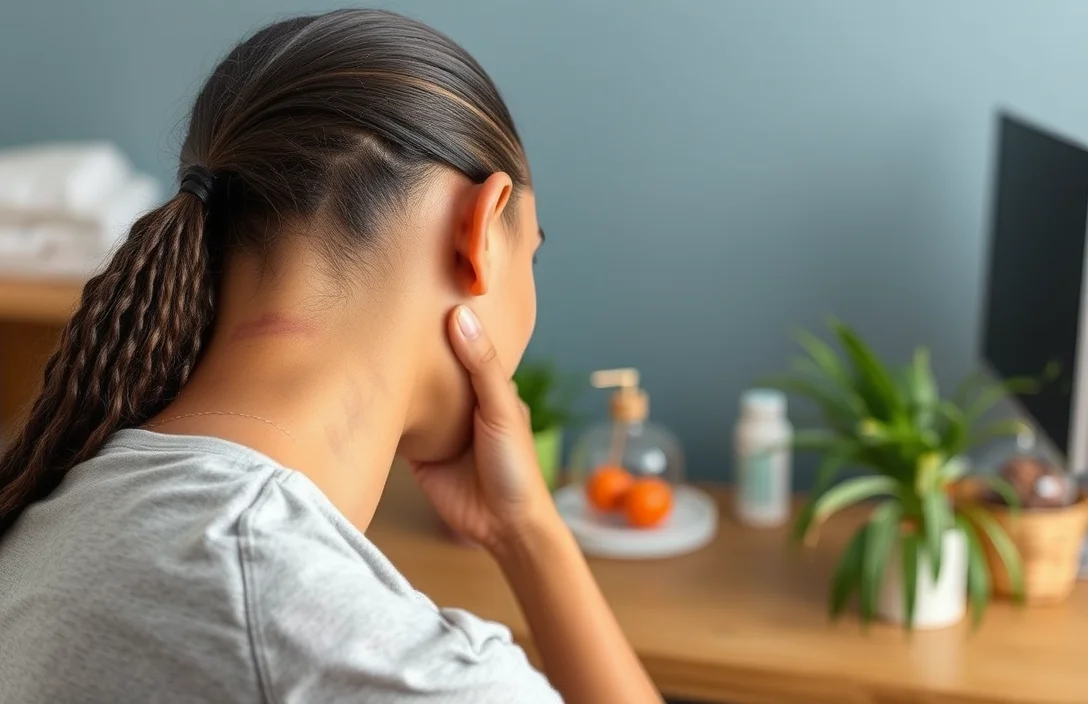
Struggling with a rash on your neck from a hair weave? You’re not alone. Many people find themselves dealing with skin irritations from hair extensions, and understanding the cause is crucial for effective treatment. This topic matters because not only does it affect your comfort, but it can also impact your confidence.
To tackle this issue, focus on soothing ingredients like aloe vera and hydrocortisone cream to reduce inflammation. A gentle cleanser can also help keep the area clean and irritation-free. Best for: all skin types. Use caution if: you have sensitive or easily irritated skin.
What Causes Rashes from Hair Weave
Rashes on the neck from hair weaves can be a distressing issue, affecting both comfort and appearance. Understanding the underlying causes is crucial, as early identification and treatment can prevent further irritation or complications.
- Contact Dermatitis: This occurs when the skin reacts to irritants or allergens found in the hair weave material or adhesives.
- Allergic Reactions: Some individuals may have allergies to synthetic materials, dyes, or even the glue used to secure weaves.
- Heat and Sweat: Weaves can trap heat and moisture against the skin, leading to inflammation and rashes, particularly in warmer climates or during physical activity.
- Poor Hygiene: Inadequate cleaning of the scalp and neck area can lead to buildup of products, sweat, and dirt, causing irritation.
Addressing these rashes is not just about comfort; it’s also essential for maintaining healthy skin. Left untreated, rashes can lead to secondary infections or scarring, which may require more intensive treatment.
“Consult a dermatologist if symptoms persist beyond a few days or worsen, as professional guidance can help tailor treatments specific to your skin type.”
Taking proactive measures to identify and treat rashes can significantly improve your overall experience with hair weaves, ensuring both beauty and skin health are preserved.
Identifying Skin Type and Sensitivities
Understanding your skin type and sensitivities is crucial when addressing rashes caused by hair weaves. Proper identification can help you choose the right products and methods to prevent irritation and ensure healthy skin.
- Determine Your Skin Type: Skin types generally fall into four categories: normal, oily, dry, and combination. To identify your skin type, wash your face and wait an hour without applying any products. Assess how your skin feels — if it’s shiny, you likely have oily skin; if it feels tight or flaky, it could be dry. Combination skin will show both oily and dry characteristics.
- Recognize Signs of Sensitivity: Sensitive skin often reacts negatively to various products and environmental factors. Look for symptoms such as redness, itching, burning, or stinging sensations. If you notice these signs after wearing a hair weave, it may indicate that your skin is reacting to materials or products used in the weave.
- Conduct a Patch Test: To prevent rashes, always perform a patch test before using new hair products or extensions. Apply a small amount of the product on a discreet skin area and wait 24-48 hours for any adverse reactions. This step is vital for avoiding irritation on your neck.
- Consider Your Hair Weave Material: Different materials can cause varying reactions. Synthetic fibers may irritate sensitive skin more than natural fibers. If you have sensitive skin, opt for natural hair extensions or hypoallergenic options to minimize the risk of rashes.
Ingredients to Alleviate Irritation
When dealing with a rash on the neck from hair weaves, choosing the right ingredients can significantly soothe irritation and promote healing. Here are two key ingredients known for their calming properties, along with product specifications to consider when making your selections.
| Item | Amount/Specification | Notes |
|---|---|---|
| Aloe Vera | Pure gel or cream with at least 95% aloe | Ideal for all skin types; provides hydration and reduces inflammation. Apply liberally to affected area. |
| Hydrocortisone Cream | 1% concentration | Best for short-term use; reduces redness and itching. Apply sparingly, and do not exceed recommended usage duration. |
- Always perform a patch test with any new product, especially if you have sensitive skin.
- For optimal results, apply aloe vera in the morning and hydrocortisone cream at night to minimize irritation throughout the day.
- Ensure your products are fragrance-free to avoid additional irritation.
- Monitor the rash; if it worsens or does not improve after a week, consult a dermatologist.
Routine for Neck Rash Treatment
Addressing a rash on the neck caused by hair weaves requires a consistent skincare routine that focuses on soothing and healing the affected area. This section outlines a simple yet effective morning and evening routine to promote recovery and prevent further irritation.
-
Morning Routine:
- Start with a gentle cleanser formulated for sensitive skin to remove any overnight buildup without causing further irritation. Look for products containing coconut-derived surfactants.
- Follow with a soothing toner, preferably alcohol-free, to hydrate and calm the skin. Ingredients like aloe vera or rose water can help reduce redness and inflammation.
- Apply a lightweight, non-comedogenic moisturizer with calming ingredients such as chamomile or niacinamide. This works best for oily to combination skin types.
- Finish with a broad-spectrum SPF 30+ sunscreen to protect the area from UV rays and further irritation. Look for mineral-based sunscreens as they are less likely to irritate sensitive skin.
-
Evening Routine:
- Cleanse the area again with the gentle cleanser to remove any makeup, sweat, or product residue from the day.
- Apply a calming serum containing hyaluronic acid to help hydrate and repair the skin barrier. This step is essential for all skin types, especially if the rash is dry.
- Use a thicker, emollient-rich moisturizer at night to seal in moisture and aid in the skin’s healing process. Look for ingredients like ceramides or shea butter.
- Avoid using any harsh exfoliants or active ingredients like retinol until the rash has fully healed. If you wish to include them later, patch test to check for irritation.
Mistakes That Worsen Rashes
Understanding common mistakes that can exacerbate rashes caused by hair weaves is essential for effective management and prevention. Ignoring symptoms and using inappropriate products can significantly worsen the condition, prolonging discomfort and irritation. Here’s what to avoid:
Ignoring Symptoms
Many people dismiss initial signs of irritation, thinking it will resolve on its own. This can lead to further complications, including more severe rashes or infections. Pay attention to:
- Redness and itching: Early signs that should not be ignored.
- Swelling: Indicates a possible allergic reaction.
- Flaking or peeling: Suggests the skin is not responding well to the weave.
Consult a dermatologist if symptoms persist for more than a few days.
Choosing the Wrong Products
Using products that contain harsh ingredients or allergens can worsen rashes. Here’s what to avoid:
- Fragrances: Often irritating; opt for fragrance-free options.
- Alcohol-based products: Can dry out skin and worsen irritation.
- Heavy creams: May clog pores, especially for oily to combination skin types.
“Always patch test new products on a small area of skin before full application, especially if you have sensitive skin.”
Choosing soothing ingredients like aloe vera or chamomile can be beneficial for calming irritated skin.
Affordable Treatments and DIY Remedies
Finding effective and budget-friendly solutions for rashes caused by hair weaves is essential for comfort and skin health. Here are some drugstore products and DIY remedies that can help soothe irritation and promote healing.
Drugstore Products
Look for products that contain soothing ingredients such as aloe vera, chamomile, or hydrocortisone. These can help reduce inflammation and calm the skin. Here are some recommendations:
| Product | Price | Key Ingredient | Best For |
|---|---|---|---|
| CeraVe Hydrocortisone Cream | $12 | Hydrocortisone | All skin types |
| Neutrogena Hydro Boost Gel-Cream | $18 | Hyaluronic Acid | Dry or dehydrated skin |
| First Aid Beauty Ultra Repair Cream | $36 | Colloidal Oatmeal | Sensitive skin |
DIY Soothing Masks
You can also create soothing masks at home using natural ingredients. Here are a couple of simple recipes:
- Aloe Vera Mask: Apply fresh aloe vera gel directly from the leaf to the affected area. Leave on for 20 minutes and rinse. This works best for all skin types.
- Chamomile Tea Compress: Brew chamomile tea, let it cool, and soak a clean cloth in it. Apply to the rash for 15-20 minutes. This is particularly soothing for sensitive skin.
“Always perform a patch test on a small area before using new products or DIY remedies to avoid further irritation.”
With these affordable options, you can effectively manage rashes resulting from hair weaves without breaking the bank.
Expert Tips for Prevention
Preventing rashes from hair weaves is crucial for maintaining skin health and comfort. By taking proactive steps, you can minimize the risk of irritation and allergic reactions. Here are some expert tips to consider.
Patch Testing
Before applying a full weave, perform a patch test to check for potential allergic reactions:
- Choose a small area of your neck or behind your ear.
- Apply a small amount of adhesive or hair product used in the weave and cover it.
- Wait 24-48 hours to observe any reactions, such as redness or itching.
- If no reaction occurs, it’s likely safe to proceed with the full application.
Choosing Breathable Materials
Selecting the right materials can significantly reduce the likelihood of skin irritation:
- Opt for natural fibers such as human hair or silk, which allow the scalp to breathe.
- Avoid synthetic materials that can trap heat and moisture, leading to irritation.
- Ensure that any adhesive used is designed for sensitive skin and free from harsh chemicals.
Expert tip: Always consult with a professional stylist for recommendations on the best materials and methods for your unique hair and skin type.
By incorporating these strategies into your hair weave routine, you can enjoy stylish looks without compromising your skin’s health. Remember, prevention is always better than treatment.
Common Questions About Rashes
For those experiencing a rash on the neck from hair weaves, it’s vital to address common concerns to ensure proper care and management. Here, we answer frequently asked questions about persistent rashes and the possibility of continuing to wear weaves.
What to Do if Rash Persists?
If your rash continues despite initial treatment, consider the following steps:
- Consult a dermatologist for a professional evaluation and potential allergy testing.
- Switch to hypoallergenic products and materials, such as natural hair fibers.
- Consider over-the-counter treatments with hydrocortisone cream to reduce inflammation.
- Keep the affected area clean and moisturized; look for non-comedogenic moisturizers suitable for sensitive skin.
Expert tip: Always patch test new hair care products on a small area before applying them widely.
Can I Still Wear Weaves?
Wearing weaves after experiencing a rash is possible, but precautions are essential:
- Opt for lightweight, breathable weaves that don’t irritate the skin.
- Choose natural hair or high-quality synthetic materials to minimize allergic reactions.
- Consult with your stylist about alternative application techniques that reduce tension on the scalp and neck.
| Product | Price | Key Ingredient | Best For |
|---|---|---|---|
| CeraVe Hydrating Cream | $16 | Hyaluronic Acid | Dry to Normal Skin |
| Clinique Allergy Tested Moisturizer | $38 | Glycerin | Sensitive Skin |
By following these guidelines, you can manage rashes effectively and continue enjoying the versatility of hair weaves while prioritizing your skin’s health.
Quick Summary
- Identify the cause: Rashes on the neck from hair weaves can stem from allergic reactions to materials or products used.
- Maintain cleanliness: Regularly cleanse the scalp and neck area to prevent irritation and buildup.
- Patch test products: Always conduct a patch test before using new hair products near the neck.
- Choose breathable materials: Opt for natural fibers or hypoallergenic weaves to reduce skin irritation.
- Consult a dermatologist: Seek professional advice if the rash persists or worsens.
| Routine | Steps |
|---|---|
| Morning | 1. Cleanse neck area 2. Apply lightweight moisturizer 3. Use sunscreen |
| Evening | 1. Cleanse neck area 2. Apply soothing serum 3. Moisturize |
- Top ingredients: Look for aloe vera, chamomile, and hyaluronic acid.
- STOP using: Fragrance-heavy products immediately.
- Timeline: Expect improvement in 1-2 weeks with consistent care.
Frequently Asked Questions
How long until I see results from treating a rash on my neck?
You can typically see improvement within 3 to 7 days with appropriate treatment, such as topical corticosteroids or antihistamines, depending on the severity of the rash.
Can I use hair products if I have sensitive or acne-prone skin?
Yes, but you should choose products labeled as hypoallergenic and non-comedogenic to minimize the risk of irritation or breakouts.
What’s the difference between hydrocortisone cream and aloe vera for rash relief?
Hydrocortisone cream is a steroid that reduces inflammation, while aloe vera is a natural soothing agent that can provide moisture and cooling relief but may not address severe inflammation.
Do I really need to stop using my hair weave while treating the rash?
Yes, it’s advisable to remove the hair weave to prevent further irritation and allow the skin to heal properly without additional friction or pressure.
Is a prescription treatment worth it compared to over-the-counter options?
If the rash is severe or persistent, a prescription treatment from a dermatologist can be more effective as it may contain stronger active ingredients tailored to your specific condition.

- 7 Best Detangling Brushes for Curly Hair: Thick, Fine, Long & Natural Hair - September 25, 2026
- 5 Best Moisturizing Curl Defining Creams for Soft, Defined Curls - September 24, 2026
- Best Curl Creams for Straight Hair: 5 Top Picks for Women - September 24, 2026