
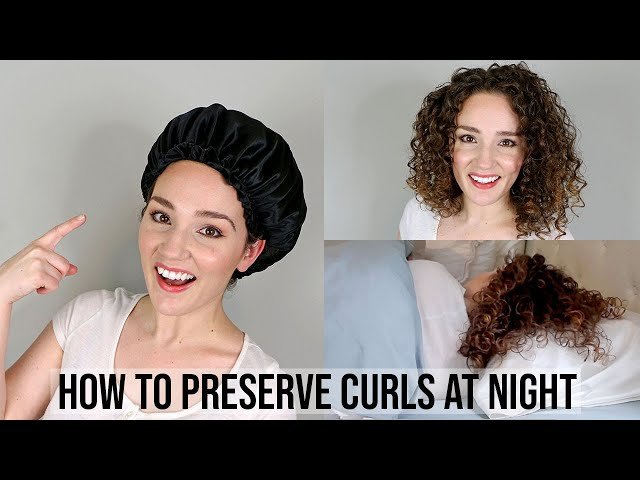
Can Any Hair Type Wear A Bonnet: Your Ultimate Guide To Hair Protection
Bonnets are beneficial for nearly all hair types, offering protection and moisture retention. The widespread belief that bonnets are exclusively for specific hair textures often deters many from exploring their profound advantages. As someone deeply invested in hair health and care, I can attest that understanding the science behind hair protection reveals that bonnets offer universal benefits. This article aims to demystify who can truly benefit from wearing a bonnet, exploring how this simple accessory can revolutionize your hair care, regardless of your hair's unique characteristics.
Understanding the Purpose of a Bonnet
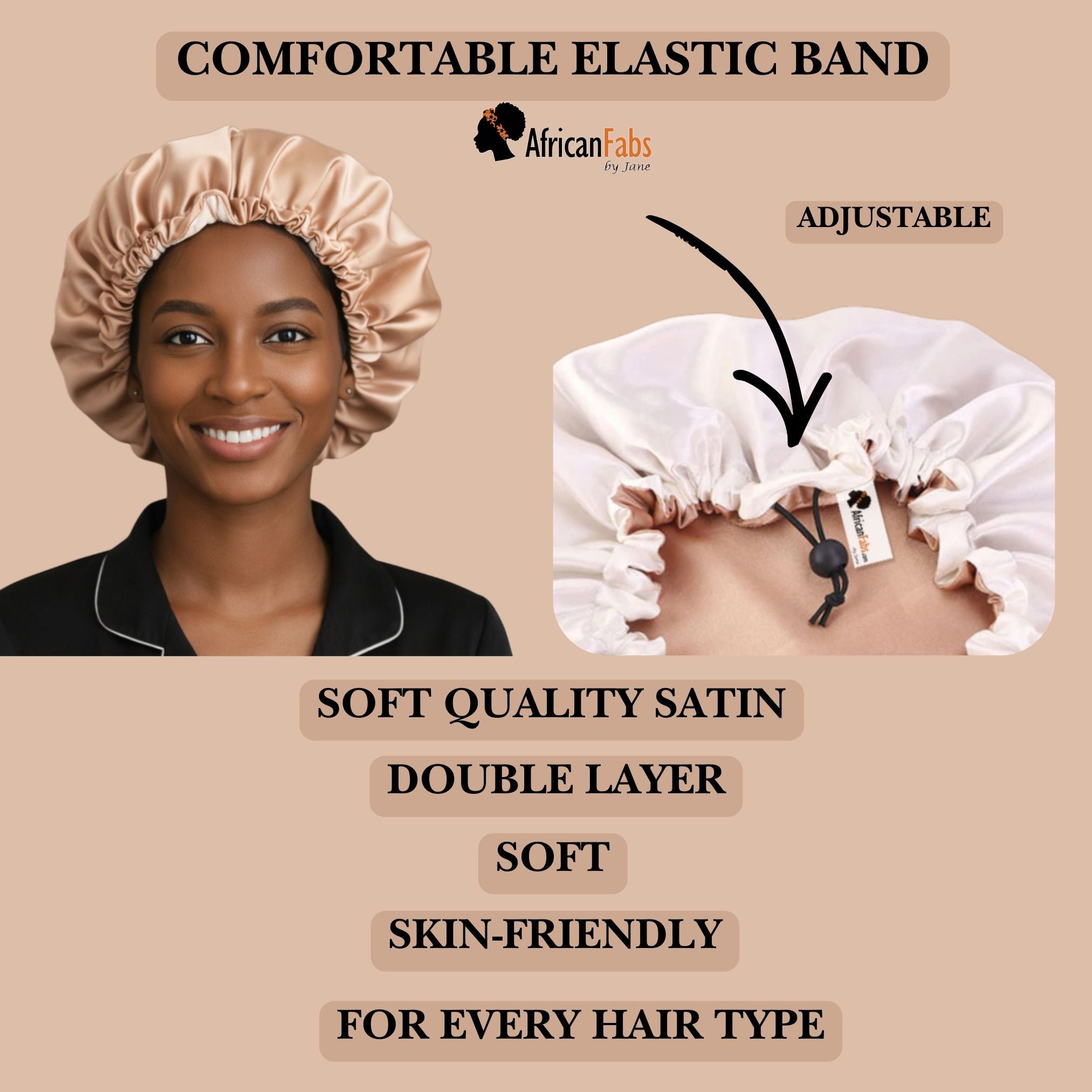
A bonnet serves as a protective barrier for your hair, typically worn at night to safeguard strands from friction, tangling, and moisture loss. Traditional pillowcases, particularly those made from cotton, can be quite abrasive. The rough fibers create friction against the hair cuticle, leading to breakage, frizz, and dryness. A quality bonnet, usually crafted from satin or silk, offers a smooth surface that allows hair to glide freely, significantly reducing these damaging effects. The primary function of a bonnet is to maintain your hair's integrity, preserve styling, and promote overall hair health by creating a more favorable environment for your strands as you sleep.
Benefits of Wearing a Bonnet for Different Hair Types
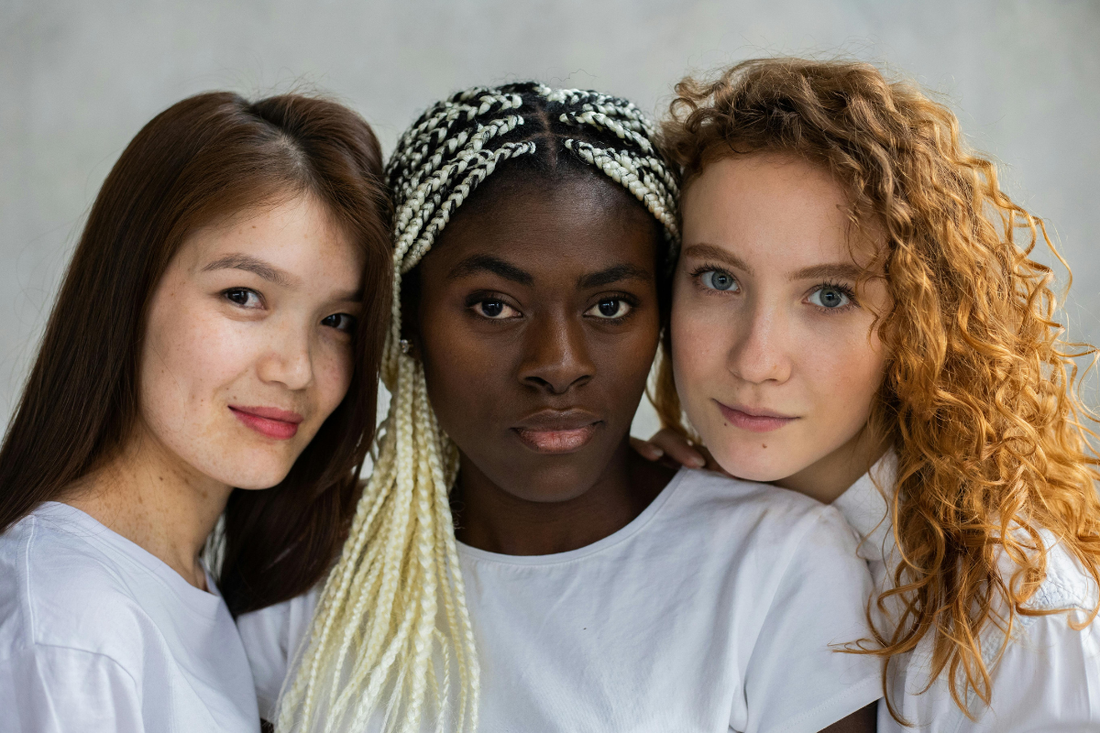
The protective qualities of a bonnet extend across the entire spectrum of hair types, each deriving unique advantages from its consistent use. My experience, both personally and through observing countless hair journeys, has shown that a bonnet is an invaluable tool for maintaining hair health.
Curly and Coily Hair
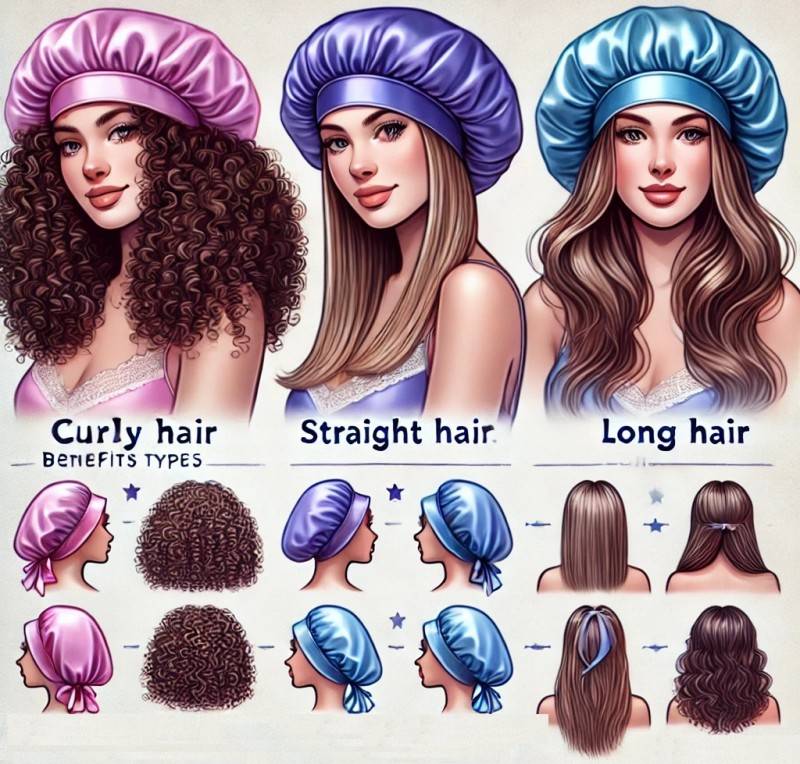
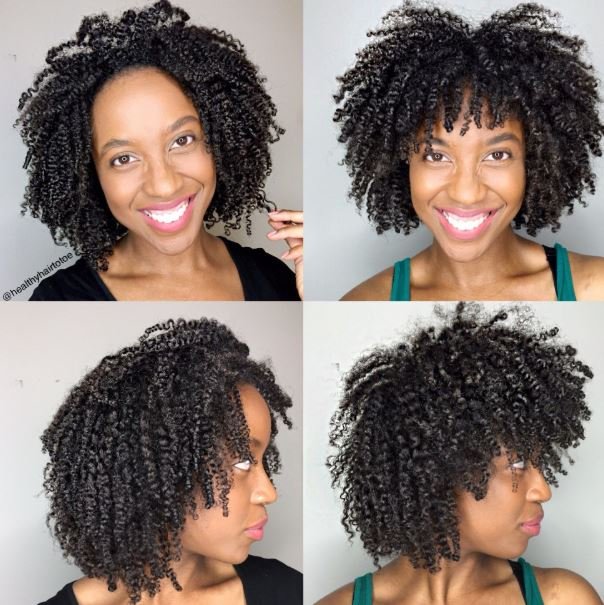
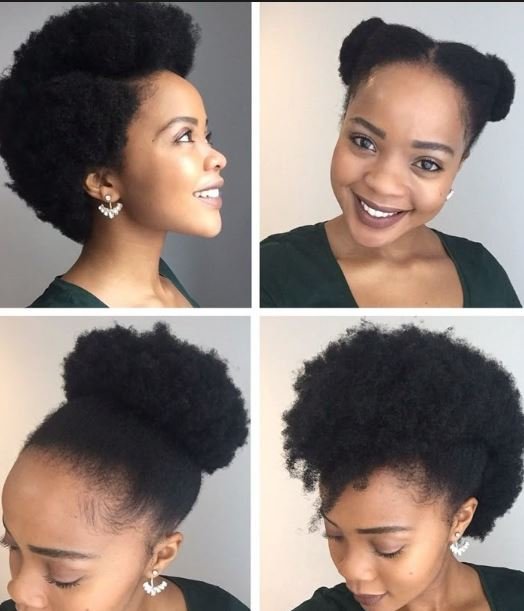
For those with curly and coily hair, a bonnet is often considered indispensable. These hair types are prone to dryness and frizz due to their unique structure, which makes it harder for natural oils to travel down the hair shaft. Wearing a satin or silk bonnet significantly reduces friction against pillowcases, thereby preserving curl patterns, minimizing frizz, and retaining essential moisture overnight. This helps to extend the life of wash-and-go styles and prevents tangles, making morning routines much smoother. I’ve personally seen how a good bonnet can transform a frizzy morning into defined, manageable curls.
Straight and Wavy Hair
While often associated with textured hair, straight and wavy hair types also gain considerable benefits from wearing a bonnet. Fine or delicate straight hair can experience significant breakage from constant rubbing against cotton pillowcases. A bonnet provides a smooth surface, reducing static, tangles, and split ends. It also helps to preserve sleek blowouts or styled waves, preventing them from becoming flattened or disheveled. This means fewer touch-ups and less heat styling, contributing to healthier hair over time.
Fine and Thin Hair
Individuals with fine or thin hair often struggle with breakage and a lack of volume. A bonnet offers a gentle protective layer that minimizes physical stress on delicate strands. By reducing friction, it helps prevent the hair from becoming brittle and breaking off, which can contribute to the appearance of thinning. Furthermore, a bonnet can help maintain any styling done the previous day, preventing fine hair from tangling into knots that require forceful detangling, a common cause of damage.
Thick and Dense Hair
Thick and dense hair, while often resilient, can still benefit immensely from a bonnet. Managing such a volume of hair can be challenging, particularly when it comes to preventing tangles and preserving moisture. A bonnet helps to contain the hair, preventing it from matting or forming large knots during sleep. It also ensures that the entire head of hair retains moisture evenly, preventing the outer layers from drying out while the inner layers remain hydrated. This uniform protection simplifies detangling and styling in the morning.
Chemically Treated or Damaged Hair
Hair that has been chemically treated (colored, permed, relaxed) or is already damaged (brittle, split ends) requires extra care. A bonnet acts as a crucial protective measure, shielding vulnerable strands from further environmental damage and friction. The smooth material helps to seal the cuticle, retaining treatments and moisture, which is vital for repair and health. In my experience, advising clients with damaged hair to use a bonnet often leads to noticeable improvements in texture and strength, as it allows the hair to recover without additional nightly stressors.

Choosing the Right Bonnet for Your Hair
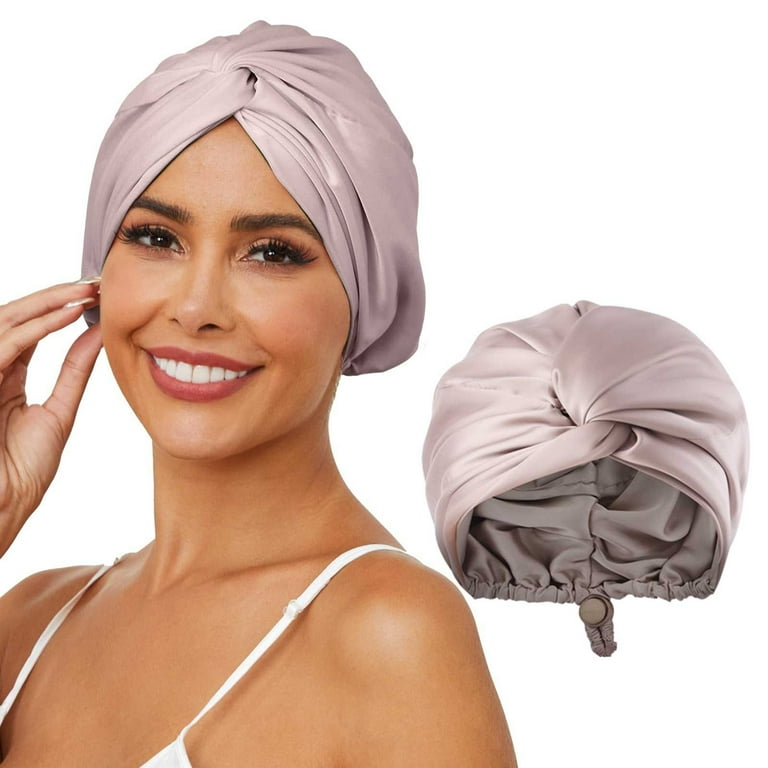
Selecting the appropriate bonnet is key to maximizing its benefits. The material is paramount; satin and silk are the gold standards due to their smooth, low-friction properties. Silk is a natural fiber and offers breathability and temperature regulation, while satin, often a polyester blend, is a more affordable yet still effective alternative. When choosing a bonnet, consider the following:
- Material: Opt for 100% silk or high-quality satin. Avoid cotton bonnets as they can absorb moisture and create friction.
- Size: Ensure the bonnet is large enough to comfortably accommodate all your hair without compressing it too much. If your hair is particularly long or voluminous, a larger, 'oversized' bonnet might be necessary to prevent flattening.
- Fit: The bonnet should fit snugly enough to stay on throughout the night but not so tight that it causes discomfort or leaves marks on your forehead. Look for bonnets with adjustable bands or soft elastic.
- Style: There are various styles, including tie-back bonnets, elastic bonnets, and scarf-style wraps. Experiment to find what feels most secure and comfortable for your sleeping habits.
My personal preference leans towards silk bonnets because of their luxurious feel and superior breathability, especially during warmer months. However, a good satin bonnet is a fantastic entry point for anyone looking to try this hair protection method.
Common Misconceptions About Bonnets
Despite their widespread utility, bonnets are still subject to several misconceptions. One common myth is that bonnets are solely for people with curly or coily hair. As we've explored, this is simply not true; all hair types can reap rewards. Another misconception is that wearing a bonnet is unfashionable or inconvenient. Modern bonnets come in a variety of stylish designs and colors, moving far beyond their utilitarian origins. Many find the slight inconvenience of wearing a bonnet to be a small price to pay for significantly healthier, more manageable hair. Some also believe bonnets make their head too hot, but high-quality silk or satin bonnets are breathable and do not typically cause overheating. It's about choosing the right bonnet and integrating it naturally into your routine.

How to Incorporate a Bonnet into Your Hair Care Routine
Integrating a bonnet into your nightly hair care routine is straightforward and highly effective. Consistency is key to seeing the most significant benefits. Here’s a simple guide:
- Prep Your Hair: Before putting on your bonnet, ensure your hair is dry or only slightly damp. Sleeping with wet hair in a bonnet can create a humid environment that fosters bacterial growth or can lead to a musty smell.
- Style for Protection: Gently gather your hair. For longer hair, a loose bun or braid at the crown of your head can help maintain volume and prevent tangles. For shorter hair, simply sweeping it up and into the bonnet works well.
- Secure the Bonnet: Place the bonnet over your head, ensuring all your hair is tucked inside. Adjust the elastic or ties so it feels secure but not too tight.
- Consistency: Make wearing your bonnet a regular part of your bedtime ritual, just like brushing your teeth. Within a few weeks, you should notice a positive difference in your hair's texture, moisture, and manageability. I always tell my friends that once you start, you'll wonder how you ever managed without a bonnet.
Potential Limitations and Considerations
While bonnets offer numerous advantages, it's important to acknowledge some potential limitations. For some, finding a bonnet that stays on throughout the entire night can be a challenge, especially if they are active sleepers. Experimenting with different styles and adjustable features often resolves this. Additionally, individuals with very short hair might find a bonnet less necessary, as their hair has less surface area to rub against a pillowcase. However, even short hair can benefit from moisture retention. It's also crucial to wash your bonnet regularly, perhaps once a week, to prevent product buildup and maintain hygiene, which is vital for scalp health. Overlooking this simple step can diminish the positive effects of wearing a bonnet.

Frequently Asked Questions of Can any hair type wear a bonnet?
Can a bonnet help with hair growth?
While a bonnet does not directly stimulate hair growth, it significantly reduces breakage and split ends, which allows hair to retain its length and grow healthier over time. By protecting fragile strands, it creates an optimal environment for growth.
Should I wear a bonnet every night?
For optimal protection and moisture retention, wearing a bonnet every night is highly recommended. Consistent use maximizes the benefits of reduced friction, frizz, and dryness, leading to healthier hair.
Can men wear bonnets for their hair?
Absolutely, bonnets are not gender-specific. Men with any hair type, especially those with longer hair or specific styles they wish to preserve, can greatly benefit from wearing a bonnet.
How often should I wash my bonnet?
It is advisable to wash your bonnet at least once a week, or more frequently if you use a lot of hair products. Regular washing ensures hygiene and prevents product buildup, which can transfer back to your hair.
Will a bonnet flatten my hair?
If a bonnet is too tight or your hair is excessively compressed, it can potentially flatten your style. Opt for a larger, looser-fitting bonnet or gather your hair into a loose bun on top of your head to prevent flattening.
Conclusion
The notion that bonnets are exclusive to certain hair types is a myth that needs to be dispelled. From the finest straight strands to the thickest coils, every hair type can experience profound benefits from incorporating a bonnet into a nightly routine. This simple yet effective hair accessory works by minimizing friction, preserving moisture, and protecting the hair cuticle, leading to reduced breakage, frizz, and overall healthier hair. Understanding the universal protection a quality satin or silk bonnet provides empowers you to make an informed choice for your hair's well-being. Embrace the bonnet as a cornerstone of your hair care and discover the transformative impact it can have. To delve deeper into personalized hair care strategies, consider exploring more resources on protective styling or consult with a hair care professional to tailor advice to your specific needs.

- 10 Best Hair Oil For Pre Wash Buyer Guide 2026 - October 27, 2026
- 10 Best Hair Oil For Porous Hair Buyer Guide 2026 - October 27, 2026
- 10 Best Hair Oil For Pregnant Women Buyer Guide 2026 - October 27, 2026
One Comment