Type 4A Hair Routine: The Complete Daily and Weekly Routine for Healthy, Defined Coils (2026)
A proper Type 4A hair routine focuses on gentle cleansing, deep conditioning, daily moisture, and protective styling to keep curls healthy and defined. Washing once a week with a sulfate-free shampoo, moisturizing with a leave-in conditioner, sealing hydration using the LOC or LCO method, and protecting your hair at night help reduce dryness, prevent breakage, and improve length retention.
Type 4A hair is known for its soft, tightly coiled S-shaped curls, natural volume, and beautiful definition. While this hair type holds styles well, its coiled structure makes it difficult for natural scalp oils to travel from the roots to the ends. As a result, Type 4A hair is more likely to become dry, frizzy, and prone to breakage without a consistent care routine.
The best Type 4A hair routine combines gentle cleansing, deep hydration, moisture retention, protective styling, and healthy scalp care. It also adapts to your hair porosity, lifestyle, and seasonal changes to keep your curls soft, elastic, and manageable.
In this guide, you’ll learn how to build a complete daily, weekly, and monthly Type 4A hair routine, choose the right products, master moisturizing methods like LOC and LCO, safely detangle your coils, reduce frizz, prevent breakage, and maintain healthy curls that retain length and shine.
What Is the Best Type 4A Hair Routine?
A healthy Type 4A hair routine focuses on cleansing the scalp, maintaining moisture, strengthening the hair, and protecting the curls from daily damage. Because 4A hair naturally loses moisture more quickly than straight or wavy hair, consistency is more important than using many products. Following a simple daily, weekly, and monthly routine helps reduce breakage, improve curl definition, and retain length.
What Makes Type 4A Hair Unique?
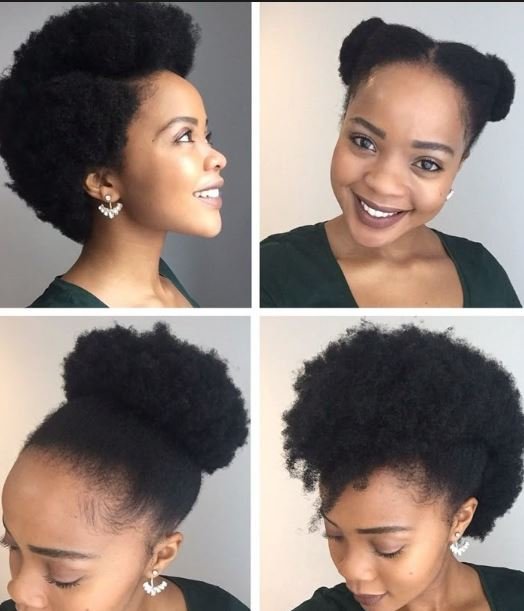
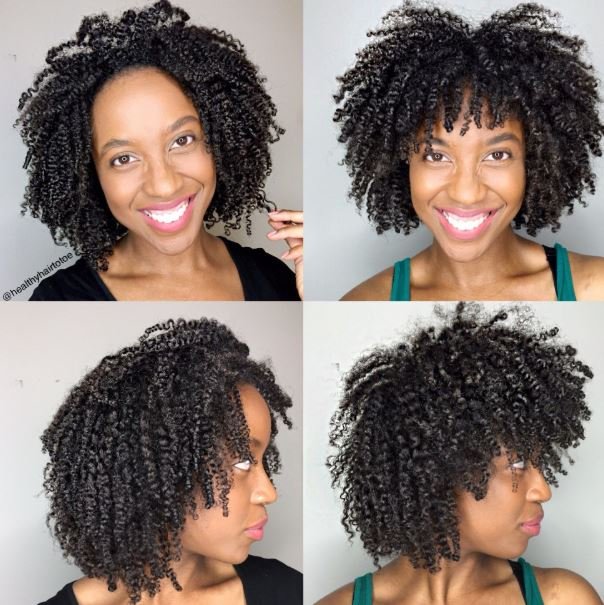
Type 4A hair has tight, springy S-shaped coils that are naturally soft and well-defined. Although these curls hold styles beautifully, their coiled structure makes it difficult for natural scalp oils to travel from the roots to the ends. This causes the hair to dry out faster, making regular moisturizing an essential part of any hair care routine.
Characteristics of Type 4A hair include:
- Tight S-shaped curl pattern
- Medium to high hair density
- Soft, defined coils
- Approximately 50–60% shrinkage
- Prone to dryness and breakage
- Excellent styling versatility
Why 4A Hair Needs a Consistent Routine
A consistent routine helps maintain the moisture balance that Type 4A hair needs to stay healthy. Without regular cleansing, conditioning, and moisturizing, curls can become dry, tangled, and more likely to break. Repeating the same healthy habits every week strengthens the hair over time and keeps curls soft, manageable, and easier to style.
Goals of a Healthy 4A Hair Routine
The main purpose of a 4A hair routine is to keep the scalp clean while preserving moisture throughout the hair shaft. A balanced routine also strengthens weak strands, improves elasticity, reduces frizz, protects the ends, and promotes better length retention. Healthy hair is easier to detangle, styles more effectively, and maintains its natural curl definition longer.
Daily, Weekly, and Monthly Hair Care Schedule
A complete routine combines daily maintenance with weekly treatments and occasional monthly care. Daily moisturizing keeps the hair hydrated, weekly wash days remove buildup and restore moisture, and monthly clarifying helps reset the scalp by removing stubborn product residue. Following this schedule creates healthier curls without overwhelming your hair.
Type 4A Hair Before Building a Routine
Learning how your hair behaves makes it easier to choose products and techniques that actually work. Factors such as curl pattern, porosity, density, and elasticity all influence how often you should moisturize, wash, and deep condition your hair.
Characteristics of Type 4A Hair (S-Shaped Coils, Density, Shrinkage)
Type 4A hair forms small, springy coils with visible curl definition. It often appears shorter than its true length because healthy curls naturally shrink after washing. Despite its softness, the hair is delicate and benefits from gentle handling, especially during washing and detangling.
Key characteristics include:
- Defined S-shaped curls
- Medium to high density
- High natural volume
- Moderate shrinkage
- Soft but fragile texture
Hair Porosity and How It Changes Your Routine
Hair porosity determines how easily moisture enters and leaves the hair shaft. Low-porosity hair usually benefits from lightweight products and gentle heat during deep conditioning, while high-porosity hair often needs richer creams, protein treatments, and heavier sealants to maintain hydration. Understanding your porosity allows you to customize your routine instead of following generic advice.
Common Challenges: Dryness, Breakage, Frizz, and Shrinkage
The most common concerns for people with Type 4A hair include dryness, frizz, tangles, shrinkage, and split ends. Most of these issues occur when the hair lacks moisture or is manipulated too frequently. Using protective styles, moisturizing consistently, and minimizing heat styling help reduce these problems while preserving healthy curls.
Moisture Retention and Curl Definition Explained
Moisture is the foundation of healthy Type 4A hair. Hydrated curls remain soft, flexible, and more resistant to breakage. Applying water-based products first, followed by creams and oils, helps lock moisture inside the hair shaft while improving curl definition and reducing frizz throughout the week.
Pre-Wash Routine (Pre-Poo) for Type 4A Hair
Preparing your hair before shampooing helps reduce moisture loss and protects delicate strands during washing. A pre-poo treatment creates a protective barrier that softens the hair, improves elasticity, and makes detangling easier after cleansing.
Why Pre-Poo Protects 4A Hair From Dryness
Pre-pooing coats the hair with moisture before shampoo removes dirt and buildup. This helps reduce the drying effects of cleansing while making the hair softer and easier to manage. People with dry or high-porosity hair often notice less breakage when they consistently pre-poo before wash day.
Benefits of pre-pooing include:
- Reduces moisture loss during washing
- Softens dry curls
- Improves elasticity
- Makes detangling easier
- Helps minimize breakage
Best Oils and Conditioners for Pre-Poo Treatments
Natural oils such as coconut oil, olive oil, avocado oil, and jojoba oil are popular pre-poo choices because they help soften the hair before cleansing. Many people also use a moisturizing conditioner or aloe vera-based treatment to increase slip and improve hydration before shampooing.
How Long Should You Leave a Pre-Poo Treatment On?
Most pre-poo treatments work well when left on for 20 to 30 minutes before washing. For very dry hair, leaving the treatment on for up to one hour under a shower cap can provide additional softness and make wash day easier. Gentle heat may also improve product absorption.
Common Pre-Poo Mistakes to Avoid
Applying too much oil, skipping sectioning, or rushing the treatment reduces its effectiveness. Divide your hair into sections, distribute the product evenly, and allow enough time for it to penetrate before washing. This creates a smoother wash day and helps preserve moisture throughout the cleansing process.
Drying, Night Care, and Daily Maintenance
How you care for your hair after styling is just as important as wash day. Proper drying techniques and nighttime protection help preserve moisture, reduce frizz, and keep curls defined for longer. A simple daily maintenance routine also minimizes breakage and extends the life of your hairstyle.
Air Drying vs Diffusing on Low Heat
Air drying is the gentlest way to dry Type 4A hair because it preserves the natural curl pattern without exposing the hair to heat. If you’re short on time, a diffuser attached to a blow dryer can speed up drying while maintaining volume and definition. Always use a heat protectant and the lowest heat setting to minimize damage.
Healthy drying tips:
- Gently blot hair with a microfiber towel or cotton T-shirt.
- Avoid rubbing the hair vigorously.
- Air dry whenever possible.
- Use a diffuser on low heat if needed.
- Do not touch curls until they are completely dry.
Pineapple Method for Overnight Protection
The pineapple method is one of the easiest ways to protect curly hair while sleeping. Gather your curls into a loose ponytail at the top of your head using a soft satin scrunchie. This reduces flattening, prevents tangles, and helps maintain curl definition overnight without creating unnecessary tension.
Satin Bonnets, Silk Pillowcases, and Satin Scarves
Cotton pillowcases absorb moisture and create friction that leads to frizz and breakage. Replacing them with a satin bonnet, satin scarf, or silk pillowcase helps your hair retain moisture while protecting delicate curls. This simple habit can significantly improve the appearance of your hair each morning.
Refreshing 4A Hair Between Wash Days
Between wash days, your curls may lose moisture and definition. Instead of applying heavy products repeatedly, lightly mist your hair with water or a moisturizing spray, smooth in a small amount of leave-in conditioner, and seal with a few drops of lightweight oil if necessary. This refreshes curls without creating excessive product buildup.
Best Products for a Type 4A Hair Routine
Choosing products that match your hair’s needs is more important than following trends. Focus on moisturizing formulas with nourishing ingredients that support healthy curls, reduce dryness, and improve manageability.
Sulfate-Free Shampoos and Clarifying Shampoos
A sulfate-free shampoo gently cleanses the scalp while preserving natural moisture. If you regularly use styling creams, gels, or oils, include a clarifying shampoo once every three to four weeks to remove stubborn buildup and restore your hair’s ability to absorb moisture.
Look for ingredients such as:
- Aloe vera
- Shea butter
- Glycerin
- Coconut-derived cleansers
- Chamomile extract
Deep Conditioners and Leave-In Conditioners
Deep conditioners restore hydration after cleansing and improve hair elasticity. Leave-in conditioners provide lasting moisture between wash days while making curls softer and easier to detangle. Choose products containing moisturizing ingredients such as shea butter, aloe vera, honey, avocado oil, or panthenol.
Hair Oils, Butters, and Moisturizers
Natural oils and butters help seal moisture inside the hair shaft after applying water-based products. Lightweight oils such as jojoba and argan oil work well for many hair types, while thicker products like shea butter and Jamaican black castor oil provide extra protection for dry or high-porosity hair.
Curl Creams, Styling Gels, and Mousses
Styling products improve curl definition while controlling frizz. Curl creams soften and moisturize the hair, gels provide longer-lasting hold, and lightweight mousses create volume without making the hair feel heavy. Select products based on your preferred hairstyle and desired level of hold.
Common Type 4A Hair Routine Mistakes
Even a good routine can produce poor results if common mistakes become habits. Understanding these mistakes helps you protect your curls and maintain healthy hair over the long term.
Washing Too Frequently
Washing Type 4A hair too often removes natural oils before they have a chance to nourish the hair. For most people, cleansing once every seven to ten days provides enough scalp care without causing excessive dryness.
Avoid these mistakes:
- Shampooing every day.
- Using harsh sulfate shampoos.
- Washing with very hot water.
- Skipping conditioner after shampooing.
- Over-scrubbing the scalp.
Skipping Deep Conditioning and Moisturizing
Deep conditioning replenishes moisture lost during cleansing, while regular moisturizing prevents the hair from becoming brittle between wash days. Skipping either step increases dryness, tangles, and breakage, making the hair more difficult to manage over time.
Using Heat or Tight Hairstyles Too Often
Frequent heat styling weakens the hair shaft and gradually reduces curl definition. Likewise, hairstyles that are installed too tightly can strain the scalp and hairline, increasing the risk of traction alopecia. Choose low-manipulation styles and limit heat whenever possible.
Ignoring Hair Porosity and Product Buildup
Hair porosity influences how products perform. Using products that don’t match your porosity can leave the hair either dry or overloaded with residue. Clarifying your hair monthly and adjusting your routine based on your hair’s response helps maintain healthy moisture balance.
Frequently Asked Questions About Type 4A Hair Routine
Many people beginning their natural hair journey have similar questions about maintaining healthy Type 4A curls. These answers cover the basics of building an effective routine.
How Often Should You Wash Type 4A Hair?
Most people should wash Type 4A hair every 7 to 10 days using a sulfate-free shampoo. If you exercise frequently, use heavy styling products, or have an oily scalp, you may need to cleanse more often while maintaining regular conditioning.
What Is the Best Moisturizing Routine for 4A Hair?
The most effective routine begins with water or a water-based leave-in conditioner, followed by a moisturizing cream and finished with a lightweight oil or butter to lock in hydration. Reapply moisture whenever the hair begins to feel dry.
Which Protective Style Is Best for Type 4A Hair?
Mini twists, flat twists, box braids, cornrows, bantu knots, and low buns are excellent protective styles because they reduce daily manipulation and help retain moisture. Ensure each style is installed gently to avoid unnecessary tension on the scalp.
Can a Proper Hair Routine Help Type 4A Hair Grow Longer?
Yes. A consistent hair care routine supports healthier growth by reducing breakage and improving length retention. Although hair growth is largely influenced by genetics and overall health, maintaining clean scalp conditions, adequate moisture, regular deep conditioning, and protective styling allows you to retain more of the hair you naturally grow.

- How Many Washes Does Temporary Hair Color Spray Last? - September 24, 2026
- Is Temporary Hair Color Spray Safe for Curly Hair? - September 24, 2026
- Temporary Hair Color Spray: Application, Longevity, and Removal - September 22, 2026