Bonnet Hair Types: The Universal Guide To Protection
Yes, any hair type can wear a bonnet for enhanced hair health and protection.
While bonnets are often associated with specific hair textures, their fundamental purpose of protecting hair from friction, dryness, and tangles extends benefits across the entire spectrum of hair types. Understanding the science behind hair protection and the nuances of various hair textures reveals how this simple accessory can be a valuable addition to nearly anyone's nighttime routine. This comprehensive guide will explore how different hair types can effectively utilize a bonnet, debunk common myths, and provide practical advice for maximizing its advantages.
Understanding the Universal Benefits of a Bonnet
A bonnet serves as a crucial barrier between your hair and environmental stressors, primarily friction from cotton pillowcases. This friction can lead to a host of hair issues, regardless of texture. Essentially, a bonnet creates a protective cocoon for your strands while you sleep, promoting healthier hair over time.
One of the primary benefits of wearing a bonnet is significantly reducing mechanical damage. Cotton, while soft to the touch, has fibers that can snag and pull at the delicate hair cuticle, leading to breakage, split ends, and frizz. By encasing your hair in a smooth fabric like silk or satin, a bonnet minimizes this abrasive contact, allowing your hair to glide effortlessly without stress. This protective measure is vital for maintaining the integrity of each strand, from root to tip.
Furthermore, a bonnet plays a critical role in moisture retention. Unlike absorbent cotton, silk and satin fabrics do not strip the hair of its natural oils or applied styling products. This means that hydrating treatments, leave-in conditioners, and natural sebum can remain on your hair, keeping it nourished and preventing dryness. For individuals struggling with brittle hair or a dry scalp, a bonnet can be a game-changer, helping to seal in essential moisture and create a more balanced environment for hair growth. My experience has shown that clients who consistently wear a bonnet report noticeably softer, more pliable hair, even those who initially doubted its efficacy for their particular hair type.
Exploring Bonnet Compatibility Across Diverse Hair Types
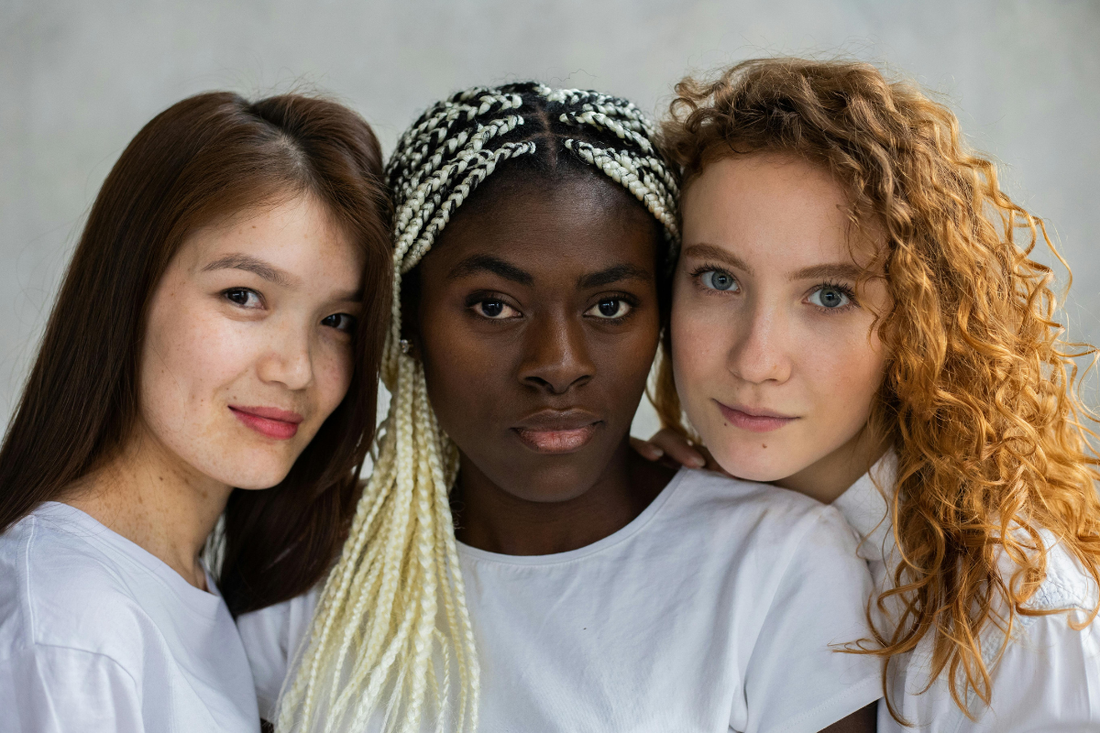
The notion that bonnets are exclusively for curly or coily hair is a pervasive misconception that often deters individuals with straighter or finer hair from experiencing their benefits. In reality, the protective qualities of a bonnet are advantageous for nearly every hair type, albeit for slightly different reasons and with varied outcomes.
Straight and Wavy Hair (Types 1 and 2)
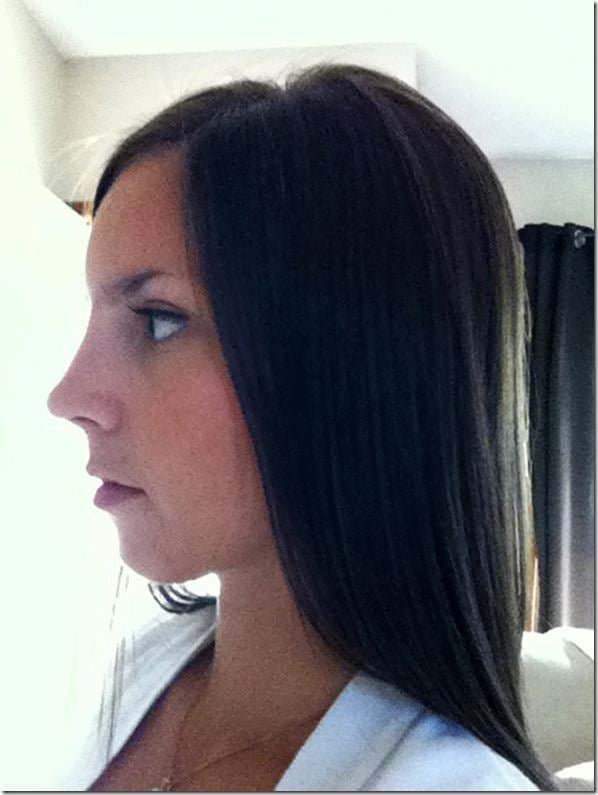
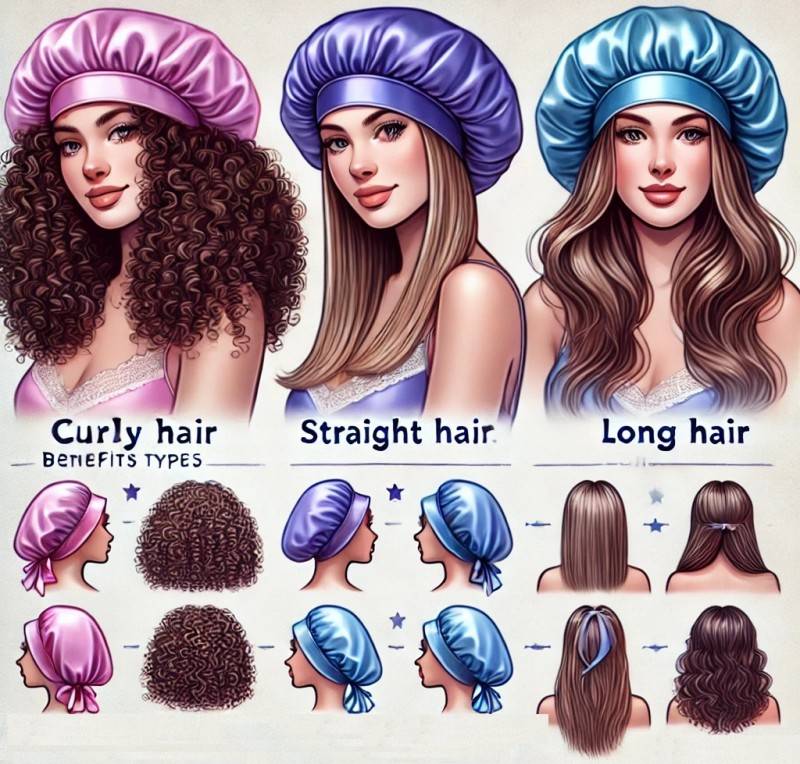
For those with straight (Type 1) or wavy (Type 2) hair, a bonnet may seem unnecessary, as these types are generally less prone to tangling and dryness than curlier textures. However, they are still susceptible to friction-induced damage. My early career saw many clients with straight hair complaining about bedhead, static, and split ends. Introducing them to a satin bonnet often resolved these issues. A bonnet can dramatically reduce frizz caused by tossing and turning, minimize static electricity, and prevent hair from becoming matted or flattened in odd directions overnight. It helps maintain the sleekness or natural wave pattern, making morning styling quicker and easier. Fine hair, in particular, benefits from the gentle embrace of a bonnet, as it protects delicate strands from breakage that can occur from vigorous rubbing against a pillowcase.
Curly and Coily Hair (Types 3 and 4)
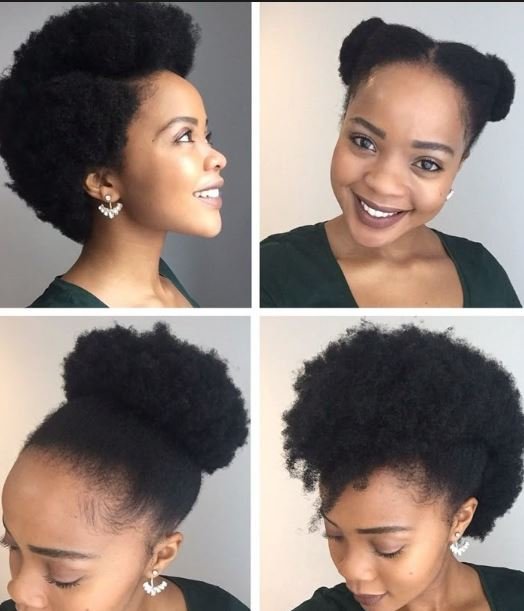
Bonnets are indeed a staple for curly (Type 3) and coily (Type 4) hair types, and for good reason. These textures are inherently drier and more fragile due to their intricate structure, making them highly susceptible to moisture loss and breakage. A bonnet acts as a shield, preserving hydration and preventing the delicate curl patterns from being disrupted. It significantly reduces frizz, maintains curl definition, and minimizes tangles, which are common challenges for these hair types. The smooth surface of a satin or silk bonnet allows curls to maintain their shape without being crushed or pulled, ensuring a better "wash day" outcome that lasts longer.
Chemically Treated and Damaged Hair
Regardless of texture, chemically treated hair (colored, permed, relaxed, or straightened) and hair that is generally damaged can immensely benefit from the protective environment a bonnet provides. These hair types are often more porous and brittle, making them even more vulnerable to environmental aggressors. A bonnet helps to lock in restorative treatments, minimize further damage, and create an optimal healing environment. It's like giving your hair a gentle, restorative hug all night long, reducing stress on already compromised strands.

The Science Behind Bonnet Benefits: Friction and Moisture
Understanding the scientific principles that underpin the efficacy of a bonnet highlights why it’s a universal tool for hair health. The primary mechanisms at play are friction reduction and moisture regulation, both critical for maintaining strong, vibrant hair.
When we sleep on conventional cotton pillowcases, our hair is subjected to constant friction as we move. Under a microscope, cotton fibers appear rough and uneven, acting like tiny hooks that can catch and abrade the hair's outer layer, the cuticle. This mechanical stress can lift the cuticle, leading to a rough surface that tangles easily, appears dull, and is more prone to breakage and split ends. Think of it like constantly rubbing sandpaper over a delicate surface. A smooth, tightly woven fabric like silk or satin, used in bonnets, creates a much lower coefficient of friction. Instead of snagging, hair glides effortlessly over the surface, preserving the integrity of the cuticle and preventing the micro-damage that accumulates over time.
Beyond physical damage, moisture loss is another significant concern addressed by a bonnet. Hair, especially curly or textured hair, relies on adequate hydration to maintain its elasticity and strength. Cotton is highly absorbent; it wicks away moisture from your hair and scalp, along with any nourishing products you’ve applied. This can lead to dry, brittle strands and a thirsty scalp, exacerbating issues like flakiness and itching. Silk and satin, on the other hand, are non-absorbent, meaning they allow your hair to retain its natural oils and the moisture from your hair care products. This creates a humid micro-environment around your hair, preventing dehydration and ensuring that your strands remain soft, supple, and well-conditioned. This retention of moisture is a cornerstone of preventing hair breakage and promoting overall hair vitality, a benefit universally sought after by all hair types.
Choosing the Right Bonnet for Your Hair
Selecting the appropriate bonnet is crucial for maximizing its benefits, as not all bonnets are created equal. The market offers a variety of materials, sizes, and designs, each suited to different preferences and hair needs. Making an informed choice ensures comfort, protection, and optimal results.
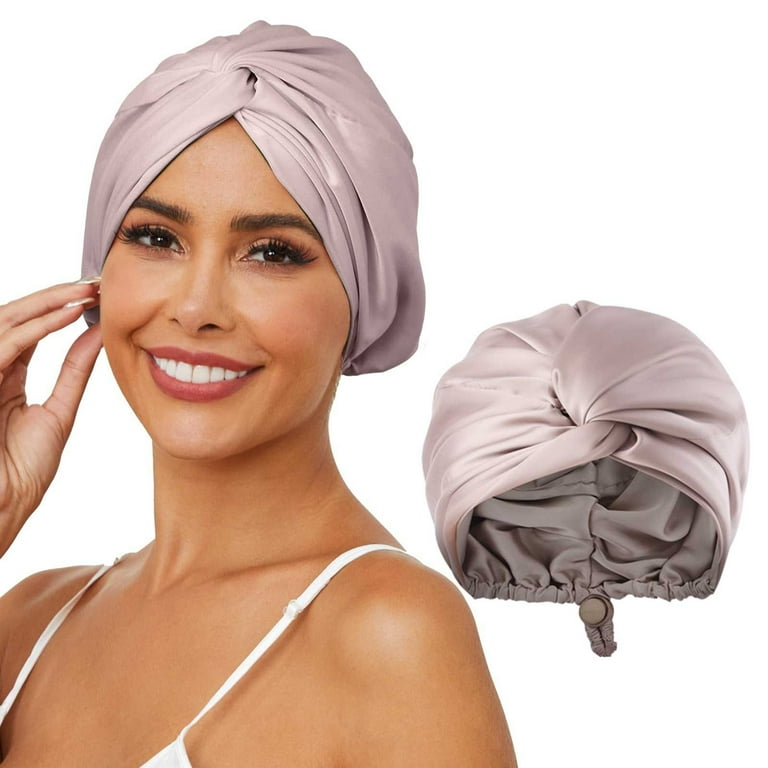
The material of your bonnet is arguably the most critical factor. Satin and silk are the gold standards due to their smooth texture and non-absorbent properties. Silk, a natural fiber, is renowned for its breathability, luxurious feel, and skin-friendly properties. It’s excellent for preventing frizz, retaining moisture, and is often recommended for sensitive scalps. Satin, a weave rather than a fiber, is typically made from polyester or a blend of synthetic fibers. It offers similar benefits to silk in terms of smoothness and non-absorbency, making it a more affordable yet highly effective alternative. My personal preference leans towards silk for its natural breathability, especially for those in warmer climates or with easily overheated scalps, though I’ve seen many clients achieve fantastic results with high-quality satin bonnets.
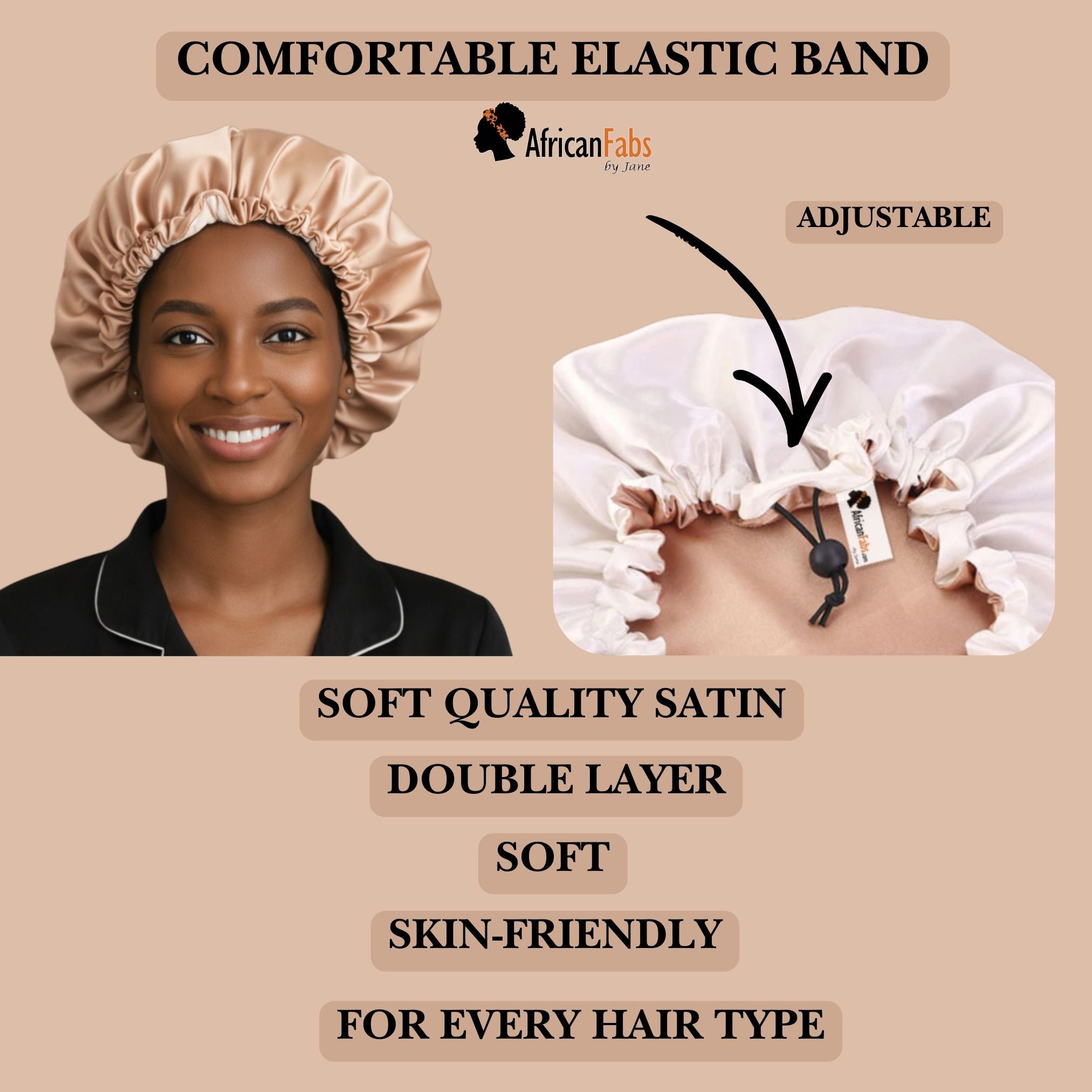
Beyond material, consider the size and fit. A good bonnet should be snug enough to stay on throughout the night but not so tight that it leaves indentations or causes discomfort. Look for bonnets with adjustable bands, elastic that is covered to prevent snagging, or drawstrings. If you have very long, thick, or voluminous hair, a larger "puff" style bonnet or one with a roomier design will accommodate your strands without squashing them, preserving your style. For shorter or finer hair, a standard-sized bonnet might suffice. Some bonnets are also reversible or double-lined, offering enhanced durability and an extra layer of protection. Ultimately, the best bonnet is one that you find comfortable to wear consistently, as consistency is key to reaping the long-term rewards of this simple hair care tool.

Addressing Common Concerns and Misconceptions About Bonnets
Despite the growing awareness of bonnets' benefits, several misconceptions persist that can prevent individuals from trying them. Addressing these concerns directly can help clarify their universal applicability and diverse advantages.
One common concern is, "My hair is too straight or fine for a bonnet; it will just make it flat." This belief is understandable, but often stems from using a bonnet that is too tight or inappropriately sized. A loose-fitting, roomy satin or silk bonnet can actually help preserve the volume of straight or fine hair by preventing it from being crushed or matted against a pillow. It also protects against friction-induced breakage and static, which can make fine hair appear even thinner and more unruly. The key is to gather your hair gently into a loose pineapple or simply lay it flat within the bonnet to avoid creating creases.
Another misconception is that "Bonnets are only for protective styles or sleeping." While bonnets are excellent for protecting braids, twists, and other styles overnight, their use isn't limited to sleep or specific styles. Many individuals use bonnets during daily activities like cleaning, cooking, or applying makeup to keep their hair out of the way and protected from environmental factors or product transfer. The idea that "Bonnets are a hassle to wear" can also be a deterrent. In my experience, finding the right fit and material makes all the difference. An uncomfortable bonnet won't be worn, but a well-chosen one quickly becomes a seamless part of a bedtime routine. It's a small adjustment that yields significant hair health dividends, making the minimal effort well worth it.
Frequently Asked Questions About Bonnets
Can a bonnet really prevent split ends for all hair types?
Yes, a bonnet can significantly help prevent split ends for all hair types by reducing friction against harsh fabrics like cotton pillowcases. This protection minimizes mechanical damage, which is a primary cause of split ends, keeping the hair cuticle smoother and more intact.
How often should I wash my bonnet?
You should wash your bonnet regularly, ideally once a week or more often if you use a lot of hair products or experience excessive sweating. Regular washing prevents product buildup and keeps the bonnet fresh and hygienic for your scalp and hair.
Will wearing a bonnet make my scalp sweat or cause acne?
A good quality silk or satin bonnet, especially one that is breathable, should not cause excessive sweating or acne for most people. If you experience these issues, ensure your bonnet isn't too tight and consider a natural fiber like silk, which is more breathable than some synthetic satins.
Can men wear bonnets, and do they offer the same benefits?
Absolutely, men can and should wear bonnets to protect their hair. The benefits of friction reduction, moisture retention, and style preservation apply equally to men's hair, regardless of length, texture, or style.
Is there a specific way to put my hair in a bonnet for best results?
For best results, gather your hair loosely, either in a high "pineapple" for longer curly hair, or simply lay it flat within the bonnet if it's straight or shorter, ensuring it's not pulled taut. The goal is to keep your hair contained and protected without tension or crushing.
Conclusion
The evidence overwhelmingly supports the idea that any hair type can wear a bonnet and reap substantial benefits. From minimizing friction and preventing breakage to preserving moisture and maintaining style, a quality satin or silk bonnet offers universal advantages for hair health. Dispelling the myths surrounding its use allows a broader audience to discover this simple yet effective tool. By incorporating a bonnet into your nightly routine, you are making a conscious decision to protect your hair, reduce styling time, and invest in its long-term vitality. We encourage you to explore the diverse range of bonnets available and experience firsthand the transformative power of this essential hair care accessory. Don't hesitate to share your experiences or questions in the comments below, or delve deeper into our resources on comprehensive hair care strategies.

- 10 Best Hair Oil For Oily Skin Buyer Guide 2026 - October 26, 2026
- 10 Best Hair Oil For Overnight Buyer Guide 2026 - October 26, 2026
- 10 Best Hair Oil For Oily Scalp And Dry Ends Buyer Guide 2026 - October 26, 2026