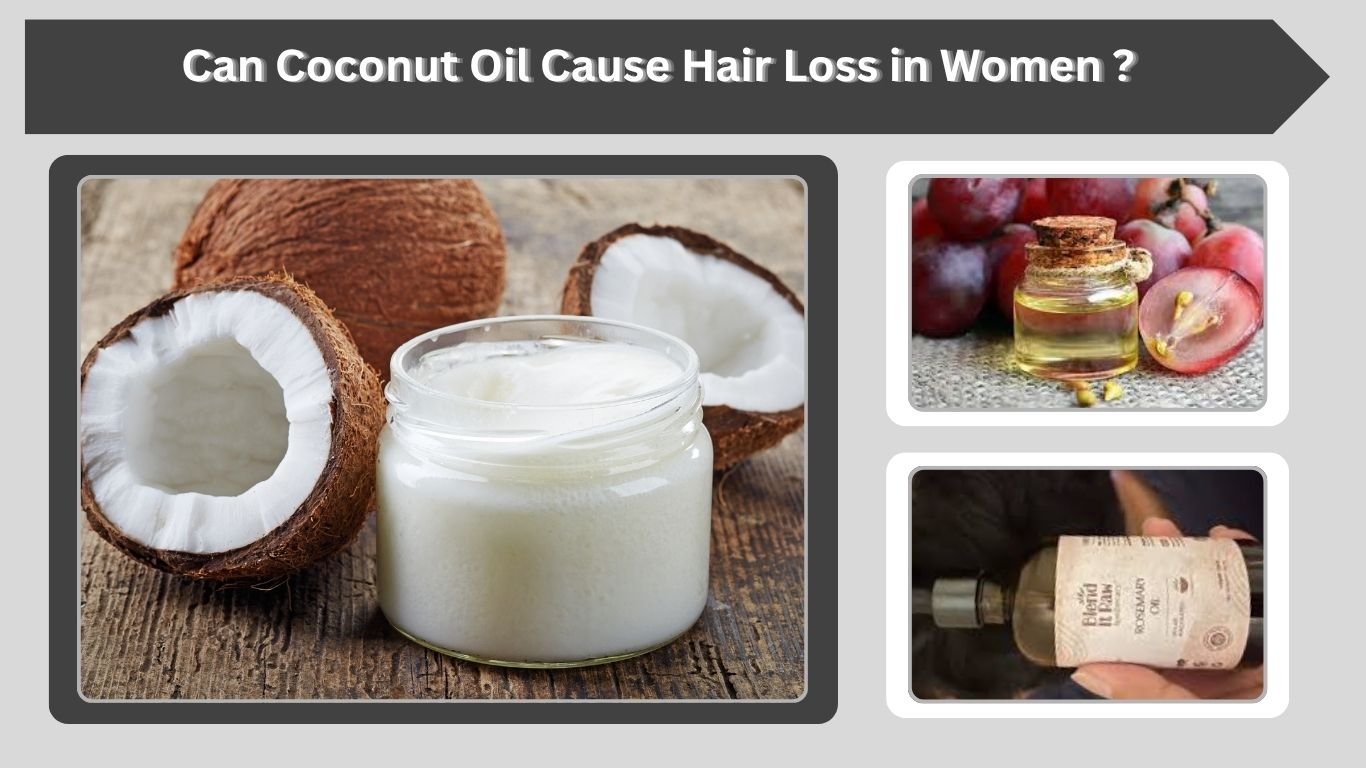
Can Coconut Oil Cause Hair Loss in Women? Truth, Causes & Safe Usage Tips
Coconut oil has been a trusted beauty ingredient for generations. Many women use it to reduce dryness, add shine, and protect hair from damage. From overnight oil treatments to scalp massages, coconut oil is often praised as a natural solution for healthier hair. But recently, some women have started asking an important question: can coconut oil actually cause hair loss?
The truth is more complicated than a simple yes or no. Coconut oil itself does not directly make hair fall out, but in certain situations, it may contribute to scalp problems, buildup, breakage, or increased shedding. Hair type, scalp condition, and the way the oil is used all play a major role in how your hair reacts.
In this guide, you’ll learn whether coconut oil can cause hair loss in women, why some people experience negative effects, which hair types should be cautious, and how to safely use coconut oil without damaging your hair.
What Is Coconut Oil ?
Coconut oil is a natural oil extracted from mature coconuts. It contains fatty acids, especially lauric acid, which allows it to penetrate deep into the hair shaft better than many other oils. Because of this, coconut oil has become one of the most popular ingredients in hair care routines worldwide.
Women often use coconut oil to moisturize dry hair, reduce frizz, and improve softness. It is also commonly used before shampooing because it may help reduce protein loss from the hair strands during washing. Many people believe regular oiling keeps hair healthier, shinier, and easier to manage.
Nutrients Found in Coconut Oil
Coconut oil contains several components that may benefit the hair and scalp, including:
- Lauric acid
- Medium-chain fatty acids
- Vitamin E
- Antioxidants
- Antibacterial and antifungal properties
These nutrients can help protect the hair from environmental stress and reduce moisture loss.
How Coconut Oil Affects the Hair Shaft
Unlike some heavier oils that simply coat the surface, coconut oil can penetrate the hair shaft. This may help strengthen hair from within and reduce damage caused by heat styling, brushing, or chemical treatments.
However, because coconut oil penetrates deeply, it can also make certain hair types feel stiff, dry, or overloaded with protein-like effects, especially when overused.
Benefits of Coconut Oil for Scalp and Hair
When used correctly, coconut oil may offer several benefits:
- Adds shine and softness
- Helps reduce frizz
- Protects hair from protein loss
- Supports scalp hydration
- Helps detangle dry hair
- May reduce split ends temporarily
Still, coconut oil is not suitable for everyone, and results can vary depending on hair texture and scalp condition.
Can Coconut Oil Cause Hair Loss in Women?
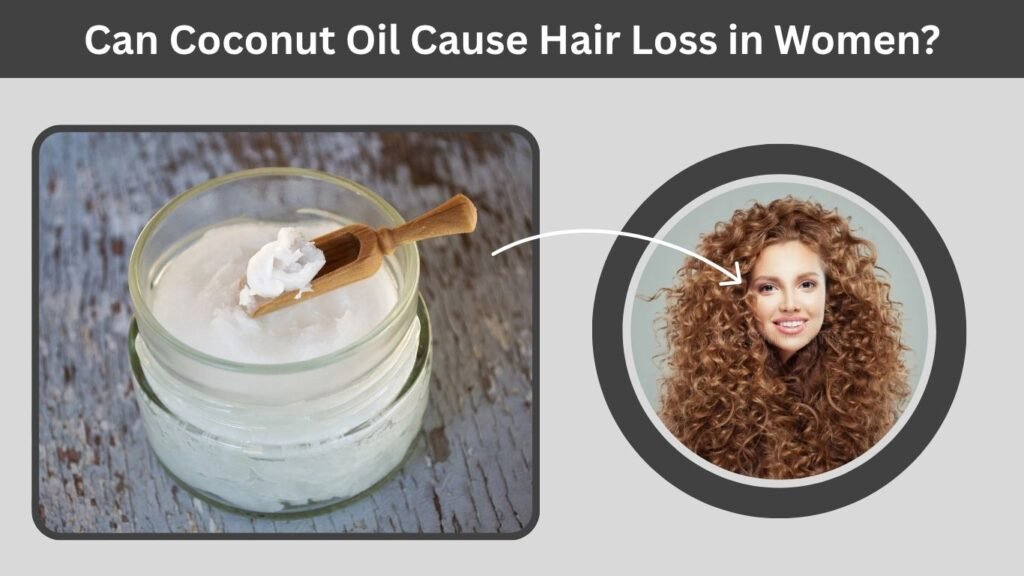
Coconut oil itself does not directly cause permanent hair loss. However, improper use or scalp sensitivity can sometimes lead to problems that make hair appear thinner or cause temporary shedding.
For some women, coconut oil may create buildup on the scalp, clog follicles, or make hair feel heavy and brittle. In other cases, difficulty washing out the oil can lead to excess shedding during brushing or shampooing. This is why some people believe coconut oil caused their hair loss.
The Short Answer Explained
Coconut oil is generally safe for most women when used in moderation. But using too much oil, applying it too frequently, or using it on the wrong hair type may create scalp irritation or worsen existing hair problems.
Hair loss linked to coconut oil is usually indirect rather than permanent follicle damage.
When Coconut Oil May Contribute to Shedding
Certain situations may increase the risk of hair shedding after using coconut oil:
- Excessive scalp buildup
- Oily scalp conditions
- Sensitive or acne-prone scalp
- Poor washing habits
- Overuse on fine hair
- Protein-sensitive hair types
If the scalp becomes irritated or follicles become clogged, hair shedding may temporarily increase.
Difference Between Hair Fall and Hair Breakage
Many women mistake hair breakage for hair loss. True hair loss occurs from the root, while breakage happens when weakened strands snap in the middle or at the ends.
Coconut oil may sometimes make hair stiff or dry if overused, especially on low-porosity hair. This can increase breakage, making it seem like more hair is falling out.
Understanding the difference is important before blaming coconut oil for thinning hair.
Common Reasons Coconut Oil May Seem to Cause Hair Loss
Many women notice increased shedding or unhealthy-looking hair after using coconut oil and immediately assume the oil is the problem. In reality, coconut oil usually affects the scalp or hair indirectly. Understanding the real causes can help you avoid damage while still enjoying the benefits of oiling.
Product Buildup on the Scalp
One of the most common issues with coconut oil is buildup. Since coconut oil is thick and heavy, applying too much can create a layer on the scalp that traps dirt, sweat, dead skin, and styling products.
Over time, this buildup may make the scalp feel greasy, itchy, or irritated. In some cases, clogged follicles can weaken healthy hair growth and increase shedding.
Women who frequently oil their hair without properly cleansing the scalp are more likely to experience this issue.
Clogged Hair Follicles From Overuse
Using coconut oil every day or applying excessive amounts directly to the scalp can sometimes block hair follicles. A clogged follicle creates an unhealthy environment for hair growth and may lead to inflammation or scalp discomfort.
Although coconut oil does not permanently damage follicles, overuse can contribute to temporary hair shedding and scalp imbalance.
Signs of clogged follicles may include:
- Small bumps on the scalp
- Excess oiliness
- Itching
- Increased dandruff
- Hair feeling heavy or flat
Allergic Reactions or Scalp Sensitivity
Some women may be sensitive or allergic to coconut oil. Even though allergic reactions are uncommon, they can still happen.
If your scalp becomes irritated after applying coconut oil, you may notice:
- Redness
- Burning sensation
- Itching
- Flaking
- Increased hair shedding
A sensitive scalp can become inflamed, and inflammation often disrupts the natural hair growth cycle. If irritation appears after using coconut oil, it’s best to stop using it immediately.
Using Coconut Oil on Low-Porosity Hair
Low-porosity hair has tightly packed cuticles that struggle to absorb moisture. Coconut oil often sits on top of this hair type instead of penetrating properly.
As a result, hair may feel:
- Dry
- Waxy
- Heavy
- Brittle
- Stiff
This stiffness can lead to breakage during brushing or styling. Many women with low-porosity hair mistake this breakage for actual hair loss.
Improper Washing After Oiling
Leaving thick layers of coconut oil on the scalp for too long without washing thoroughly can create residue. Some women also use harsh shampoos repeatedly trying to remove the oil, which can strip natural moisture and weaken the hair.
Improper cleansing may lead to:
- Dry scalp
- Tangles
- Hair breakage
- Weak roots
- Excess shedding during washing
The key is balance. Coconut oil should nourish the hair, not suffocate it under layers of residue.
Heavy Oils Weakening Fine Hair Strands
Women with fine or thin hair often struggle with heavier oils. Coconut oil can weigh down delicate strands, making them look limp and lifeless.
Fine hair is naturally more fragile, so excessive oiling may increase tension and breakage when combing or styling. In these cases, lightweight oils usually work better than coconut oil.
Signs Coconut Oil Is Not Working for Your Hair
Not every hair care product works the same for everyone. While some women see smoother, shinier hair with coconut oil, others notice dryness, buildup, or increased shedding.
Learning to recognize the warning signs early can help prevent further damage.
Increased Hair Shedding After Use
If you consistently notice more hair falling out after coconut oil treatments, your scalp or hair type may not tolerate the oil well.
Temporary shedding may happen because of:
- Scalp irritation
- Excess buildup
- Heavy product residue
- Weak hair strands breaking during washing
Pay attention to whether the hair is falling from the root or snapping in the middle.
Greasy Scalp and Limp Hair
Hair that stays greasy even after shampooing is a sign that too much oil is being used. Coconut oil can coat the hair heavily, especially on fine textures.
Common symptoms include:
- Flat roots
- Sticky scalp
- Lack of volume
- Hair looking dirty quickly
This buildup can eventually affect scalp health if not properly removed.
Itchy Scalp or Dandruff Flare-Ups
Although coconut oil may help dryness for some people, it can worsen scalp conditions for others.
An itchy scalp after oiling may signal:
- Product sensitivity
- Fungal imbalance
- Excess residue
- Blocked follicles
If dandruff increases after coconut oil use, your scalp may respond better to lighter oils or medicated scalp treatments.
Dry or Brittle Ends Despite Oiling
Many women assume oil automatically means moisture, but coconut oil can sometimes create the opposite effect.
In certain hair types, especially protein-sensitive or low-porosity hair, coconut oil may make strands feel hard and brittle. This can increase split ends and breakage instead of improving softness.
If your hair feels rough after oiling instead of smooth, coconut oil may not be the best match for your texture.
Hair Types That May React Poorly to Coconut Oil
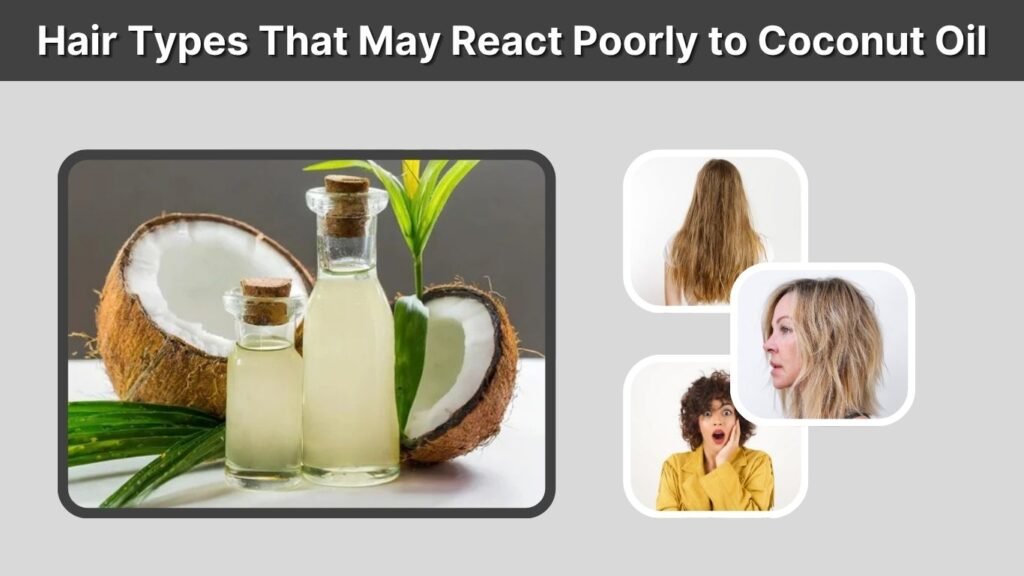
Coconut oil is often promoted as a universal hair remedy, but the reality is that different hair types respond differently. Some women experience softer, shinier hair, while others notice dryness, heaviness, or increased breakage.
Understanding your hair type is essential before making coconut oil a regular part of your routine.
Low-Porosity Hair
Low-porosity hair has tightly closed cuticles that make it difficult for moisture to enter the hair shaft. Because coconut oil is dense and rich, it often sits on top of low-porosity hair instead of absorbing properly.
This can leave the hair feeling:
- Coated
- Sticky
- Heavy
- Dry underneath
- Difficult to style
Over time, repeated coconut oil use may cause buildup and stiffness that increase breakage.
Women with low-porosity hair usually benefit more from lightweight oils like argan or jojoba oil.
Fine or Thin Hair
Fine hair strands are naturally delicate and easily weighed down by heavy oils. Coconut oil can flatten the roots and make thin hair appear greasy or lifeless.
Heavy oiling may also increase tension during brushing and washing, which can lead to:
- Hair snapping
- Split ends
- Tangling
- Increased shedding appearance
Using only a tiny amount on the ends rather than the scalp may help reduce these problems.
Oily Scalp Types
Women with naturally oily scalps often struggle with coconut oil because it adds even more heaviness to the scalp area.
Too much oil can contribute to:
- Greasy roots
- Itching
- Scalp acne
- Product buildup
- Dandruff flare-ups
For oily scalps, lighter oils or scalp serums are usually a better choice than thick coconut oil treatments.
Protein-Sensitive Hair
Some hair types are sensitive to ingredients that mimic protein-strengthening effects. Coconut oil can sometimes make protein-sensitive hair feel stiff and dry.
Signs of protein sensitivity include:
- Hair feeling rough after treatments
- Loss of elasticity
- Brittle strands
- Excess breakage
- Difficulty retaining moisture
If your hair feels stronger but less flexible after coconut oil use, protein sensitivity could be the reason.
Does Coconut Oil Cause Hair Breakage?
Many women who think coconut oil is causing hair loss are actually dealing with hair breakage. Breakage occurs when hair strands become weak and snap, usually from dryness, stiffness, or physical stress.
Unlike true hair loss, broken hair does not fall from the root. Instead, strands break at different lengths, making the hair appear thinner over time.
How Protein Overload Affects Hair
Coconut oil is known for reducing protein loss in hair, which is beneficial for many people. However, too much strengthening without enough moisture can create an imbalance.
When hair becomes overloaded, it may feel:
- Hard
- Straw-like
- Rigid
- Less flexible
Hair needs both strength and moisture. Too much of one without the other can weaken the strands instead of improving them.
Coconut Oil and Stiffness in Hair Strands
For certain hair textures, coconut oil creates a stiff coating that reduces flexibility. Hair that cannot bend easily is more likely to snap during:
- Brushing
- Heat styling
- Towel drying
- Tight hairstyles
This is especially common in low-porosity and protein-sensitive hair.
Ways to Prevent Breakage While Oiling
Using coconut oil correctly can help reduce the risk of damage. Here are some simple tips:
- Apply only a small amount
- Focus on mid-lengths and ends
- Avoid daily use
- Combine with hydrating conditioners
- Wash thoroughly after treatments
- Avoid tight hairstyles after oiling
- Use a wide-tooth comb on damp hair
Balance is the key to healthy oil treatments.
Benefits of Coconut Oil for Women’s Hair
Despite the concerns surrounding buildup or breakage, coconut oil still offers real benefits when used properly. Many women continue to use it successfully as part of a balanced hair care routine.
The secret is knowing your hair type and avoiding overuse.
Reduces Protein Loss
One of coconut oil’s biggest advantages is its ability to reduce protein loss from hair strands. This may help protect hair from damage caused by washing, heat styling, and chemical treatments.
Healthier protein levels can make hair feel stronger and smoother over time.
Helps Protect Damaged Hair
Women with dry or damaged hair often notice improvement after using coconut oil treatments. The oil can help temporarily seal rough cuticles and improve the appearance of split ends.
This creates hair that looks:
- Shinier
- Softer
- Less frizzy
- Easier to detangle
Adds Shine and Softness
Coconut oil forms a protective layer around the hair shaft that reflects light and smooths roughness. This is why many women notice instant shine after applying a small amount.
However, moderation is important because too much can quickly make the hair greasy.
Supports Scalp Hydration
Dry scalps may benefit from occasional coconut oil massages. The oil can help reduce moisture loss and soothe flaky skin in some people.
Its natural antibacterial and antifungal properties may also support overall scalp health when used properly.
Still, women with oily or sensitive scalps should be cautious because heavy oils can sometimes worsen irritation instead of helping it.
Here’s the final section completing the article:
How to Use Coconut Oil Without Causing Hair Problems
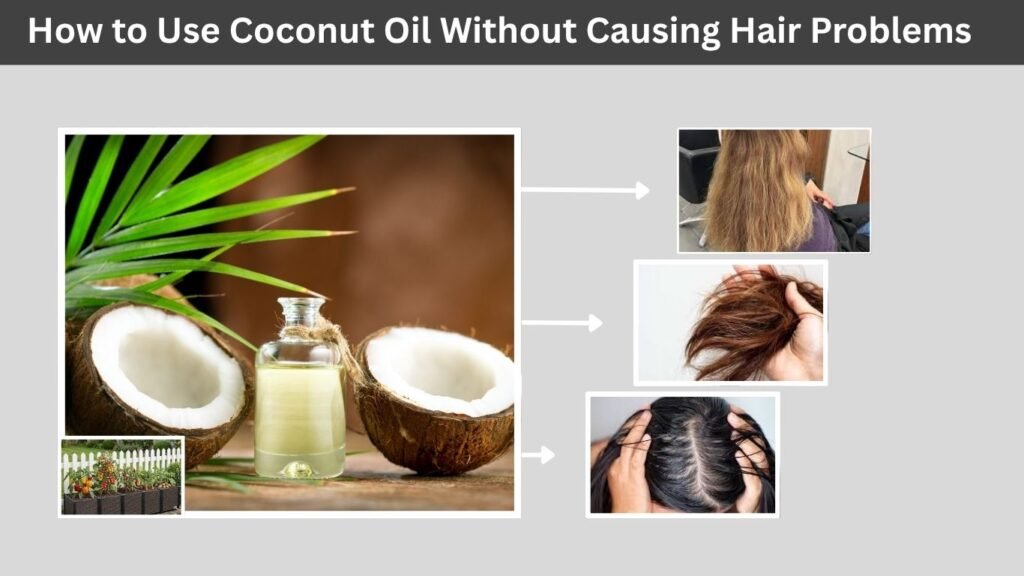
Coconut oil can still be part of a healthy hair routine when used correctly. Most problems happen because of overuse, poor cleansing, or applying the oil to the wrong hair type.
A balanced approach helps you enjoy the benefits without increasing buildup or breakage.
How Much Coconut Oil to Apply
A little coconut oil goes a long way. Using too much can leave hair greasy and difficult to wash.
General guideline:
- Short hair: a pea-sized amount
- Medium hair: 1 teaspoon
- Long or thick hair: 1–2 teaspoons
The goal is to lightly coat the hair, not soak it completely.
Best Frequency for Oil Treatments
Most women do not need daily coconut oil treatments.
Recommended frequency:
- Dry hair: 1–2 times weekly
- Normal hair: once weekly
- Oily or fine hair: every few weeks only
Over-oiling may increase buildup and scalp irritation.
Pre-Wash vs Overnight Treatment
Pre-wash treatments are usually safer than leaving coconut oil overnight. Applying the oil for 30 minutes to 2 hours before shampooing gives the hair time to absorb benefits without excessive residue.
Overnight treatments may work for very dry hair but can be too heavy for many scalp types.
How to Properly Wash Out Coconut Oil
Removing coconut oil thoroughly is important for preventing clogged follicles and greasy buildup.
Tips for washing:
- Use lukewarm water
- Shampoo twice if necessary
- Focus on cleansing the scalp
- Avoid harsh scrubbing
- Follow with lightweight conditioner
Safe Coconut Oil Hair Routine
- Warm a small amount between your palms
- Apply mainly to mid-lengths and ends
- Avoid excessive scalp application
- Leave on for 30 minutes to 2 hours
- Wash thoroughly with gentle shampoo
- Finish with a hydrating conditioner
Best Alternatives to Coconut Oil for Sensitive Hair
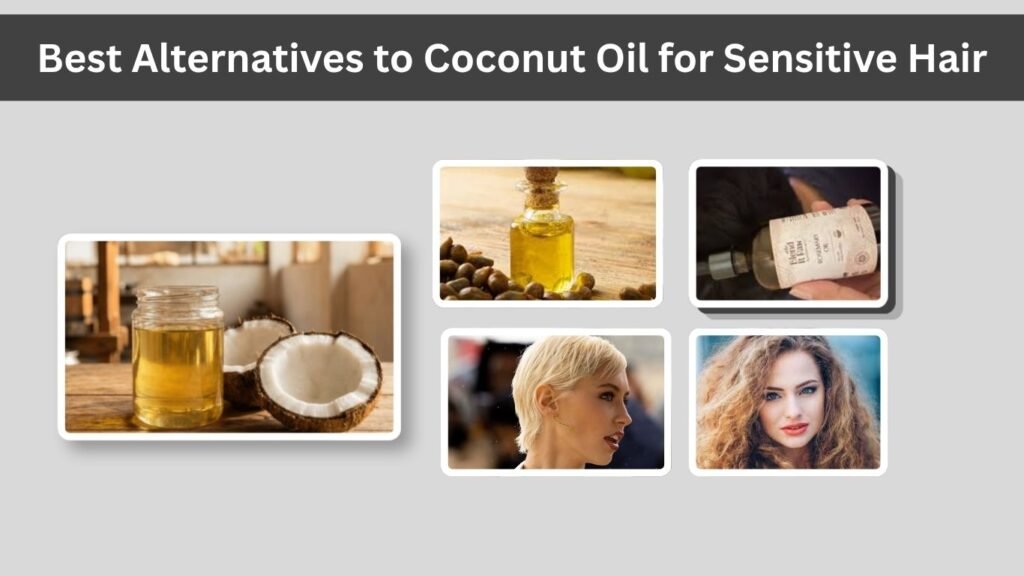
If coconut oil makes your hair feel heavy, stiff, or greasy, you may respond better to lighter oils.
Argan Oil
Argan oil is lightweight and rich in vitamin E. It helps smooth frizz and add shine without creating heavy buildup.
Best for:
- Fine hair
- Frizzy hair
- Dry ends
Jojoba Oil
Jojoba oil closely resembles the scalp’s natural oils, making it ideal for balancing oily scalps.
Benefits include:
- Lightweight moisture
- Reduced greasiness
- Scalp-friendly hydration
Rosemary Oil Blends
Rosemary oil is commonly used in scalp treatments because it may help support healthy circulation and hair growth when diluted properly.
Always mix essential oils with a carrier oil before use.
Grapeseed Oil
Grapeseed oil is extremely lightweight and works well for women whose hair becomes flat from heavier oils.
It can help:
- Add softness
- Reduce frizz
- Improve manageability
Lightweight Serums for Fine Hair
Some women benefit more from silicone-based serums or lightweight leave-in products instead of traditional oils.
These products provide shine and protection without overwhelming delicate strands.
Coconut Oil vs Other Hair Oils
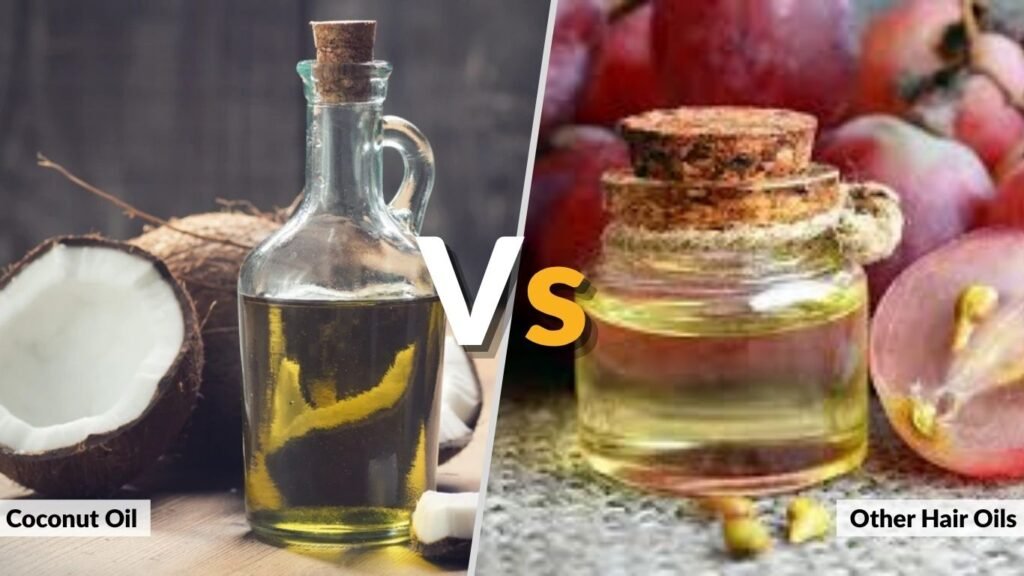
Different oils serve different purposes. Choosing the right one depends on your scalp condition, hair texture, and styling goals.
Coconut Oil vs Argan Oil
Coconut oil penetrates deeply into the hair shaft, while argan oil mainly smooths and coats the surface.
- Coconut oil: better for dry, damaged hair
- Argan oil: better for frizz and fine hair
Coconut Oil vs Castor Oil
Castor oil is much thicker and commonly used for scalp massages.
- Coconut oil: lighter and easier to spread
- Castor oil: heavier and harder to wash out
Coconut Oil vs Olive Oil
Olive oil is rich in antioxidants and provides deep conditioning benefits.
- Coconut oil: absorbs better into hair
- Olive oil: softer conditioning effect
Comparison Table
| Oil Type | Best For | Texture | Risk of Buildup | Suitable for Fine Hair |
|---|---|---|---|---|
| Coconut Oil | Dry damaged hair | Heavy | Medium-High | No |
| Argan Oil | Frizz control | Light | Low | Yes |
| Castor Oil | Scalp massage | Very Thick | High | No |
| Jojoba Oil | Oily scalp balance | Lightweight | Low | Yes |
| Olive Oil | Deep conditioning | Medium-heavy | Medium | Sometimes |
Expert Tips to Prevent Hair Loss While Using Oils
Using hair oils correctly can help nourish your scalp and protect your strands, but poor oiling habits may lead to buildup, irritation, or increased shedding. The key is using oils in moderation and choosing methods that match your hair type and scalp condition. Small changes in your routine can make a big difference in maintaining healthy hair.
Avoid Over-Oiling the Scalp
Many women believe applying more oil will automatically make their hair healthier, but excessive oiling often creates the opposite effect. Thick layers of oil can trap dirt, sweat, and dead skin cells on the scalp, leading to buildup and clogged follicles. This may weaken the scalp environment and increase temporary shedding. Instead of soaking the scalp, use a small amount and focus mainly on the mid-lengths and ends of the hair.
Patch Test Before First Use
Even natural products like coconut oil can cause allergic reactions or scalp sensitivity in some people. Before using a new oil treatment, apply a tiny amount to your inner arm or behind your ear and wait 24 hours. If redness, itching, or irritation develops, avoid using the product on your scalp. Patch testing is especially important for women with sensitive skin or existing scalp conditions.
Use Clarifying Shampoo Occasionally
Regular shampoos may not completely remove heavy oil residue from the scalp. Over time, leftover buildup can make hair feel greasy, itchy, or lifeless. Using a clarifying shampoo once or twice a month helps deeply cleanse the scalp and remove stubborn residue. This keeps hair follicles cleaner and supports a healthier scalp environment.
Combine Oils Based on Hair Type
Not every hair type responds well to thick oils alone. Mixing coconut oil with lightweight oils like argan or jojoba oil may create a more balanced treatment that adds moisture without excessive heaviness.
Stop Use if Irritation Occurs
If your scalp becomes itchy, painful, or inflamed after oiling, stop using the product immediately. Persistent irritation may signal sensitivity, allergies, or scalp imbalance that requires professional attention.
Myths About Coconut Oil and Hair Loss
The internet is full of confusing hair care advice. Understanding the truth can help you make smarter decisions for your hair.
“Oil Makes Hair Grow Faster”
Oil does not magically speed up hair growth. Healthy growth depends on genetics, hormones, nutrition, and scalp health.
“More Oil Means Healthier Hair”
Too much oil can actually damage scalp balance and increase buildup.
Moderation is always better.
“Coconut Oil Works for Everyone”
Every hair type reacts differently. What works beautifully for one person may cause problems for another.
When to See a Dermatologist
Sometimes hair shedding has little to do with coconut oil and may actually be a sign of an underlying health or scalp condition. While mild seasonal shedding is normal, excessive or sudden hair loss should never be ignored. If your hair continues thinning despite changing products or improving your routine, it may be time to seek professional help from a dermatologist.
Sudden Excessive Hair Shedding
Losing a small amount of hair daily is completely normal, but large amounts of shedding in a short period can signal a deeper issue. Sudden hair loss may happen because of hormonal imbalances, emotional stress, illness, nutritional deficiencies, or major lifestyle changes. Conditions such as anemia, thyroid disorders, and vitamin deficiencies are common causes of unexplained hair shedding in women. A dermatologist can help identify the root cause through scalp examinations, blood tests, and medical history evaluation.
Bald Patches or Scalp Inflammation
Patchy hair loss is not usually caused by coconut oil alone. Circular bald spots, painful areas, or visible scalp inflammation may indicate medical conditions like alopecia areata, fungal infections, or severe scalp irritation. Redness, swelling, tenderness, or burning sensations should be taken seriously because untreated inflammation can sometimes damage hair follicles over time.
Persistent Itching or Redness
An itchy or irritated scalp that lasts for weeks may point to allergies, dandruff, psoriasis, eczema, or scalp infections. If coconut oil worsens itching or causes redness after application, you may have scalp sensitivity or an allergic reaction. A dermatologist can recommend treatments that calm inflammation while protecting healthy hair growth.
Hair Loss Linked to Hormones or Stress
Hormonal fluctuations are one of the biggest causes of female hair loss. Pregnancy, menopause, thyroid imbalance, polycystic ovary syndrome (PCOS), and chronic stress can all disrupt the hair growth cycle. In these situations, treating the underlying condition is often more important than changing hair products alone.
Frequently Asked Questions (FAQs)
Can coconut oil clog hair follicles?
Yes, coconut oil may clog hair follicles when used excessively, especially on oily scalps. Thick buildup can trap dirt, sweat, and dead skin cells, leading to irritation or temporary shedding. Using smaller amounts and washing the scalp properly helps prevent clogged follicles and keeps the scalp healthier and more balanced over time.
Why does my hair shed after using coconut oil?
Hair shedding after coconut oil use is often caused by buildup, scalp irritation, or hair breakage rather than true hair loss. Heavy oil can make some hair types stiff or difficult to wash properly. This may weaken strands during brushing or shampooing, making the hair appear thinner or more fragile afterward.
Is coconut oil bad for thin hair?
Coconut oil can feel too heavy for thin or fine hair. It may flatten the roots, reduce volume, and create greasy buildup if overused. Fine hair strands are also more prone to breakage when coated with thick oils. Lightweight oils usually work better for maintaining softness without weighing hair down excessively.
How often should women use coconut oil on hair?
Most women only need coconut oil treatments once or twice per week. Daily use may cause buildup, greasiness, or scalp irritation over time. Women with dry hair may tolerate it more often, while fine or oily hair types usually benefit from less frequent applications and lighter oil treatments instead of heavy oiling.
Which hair type should avoid coconut oil?
Low-porosity, fine, oily, and protein-sensitive hair types often struggle with coconut oil. The oil may sit heavily on the strands instead of absorbing properly, causing dryness, stiffness, or buildup. Women who notice brittle hair, greasy roots, or increased breakage after oiling may respond better to lightweight hair oils instead.
Can coconut oil help damaged hair?
Yes, coconut oil may improve the appearance of dry or damaged hair by reducing protein loss and adding temporary softness. It can help smooth rough strands, reduce frizz, and protect hair from further damage. However, it cannot permanently repair split ends or severely damaged hair without proper hair care habits.
Is overnight coconut oiling safe?
Overnight coconut oiling can be safe for some women, especially those with thick or extremely dry hair. However, leaving heavy oil on the scalp too long may increase buildup or irritation. Many women get better results from shorter pre-wash treatments lasting one to two hours before shampooing thoroughly afterward.
What oil is better than coconut oil for fine hair?
Argan oil, jojoba oil, and grapeseed oil are usually better choices for fine hair because they are lightweight and absorb more easily. These oils help reduce frizz, improve softness, and add shine without making the hair greasy or flat. They also lower the risk of buildup and breakage significantly.
Conclusion
Coconut oil does not directly cause permanent hair loss in women, but it can contribute to buildup, scalp irritation, or breakage when used incorrectly. Hair type plays a major role in how coconut oil affects the scalp and strands.
For some women, coconut oil creates softness, shine, and protection. For others, it may feel too heavy or lead to stiffness and shedding. The key is learning what your hair truly needs rather than following trends blindly.
Using small amounts, washing thoroughly, and choosing oils that match your hair type can help you avoid problems while keeping your hair healthy and strong.

- 10 Best Hair Oil For Oily Hair Buyer Guide 2026 - October 26, 2026
- 10 Best Hair Oil For Oily Scalp Buyer Guide 2026 - October 26, 2026
- 10 Best Hair Oil For Newborn Baby Girl Buyer Guide 2026 - October 25, 2026