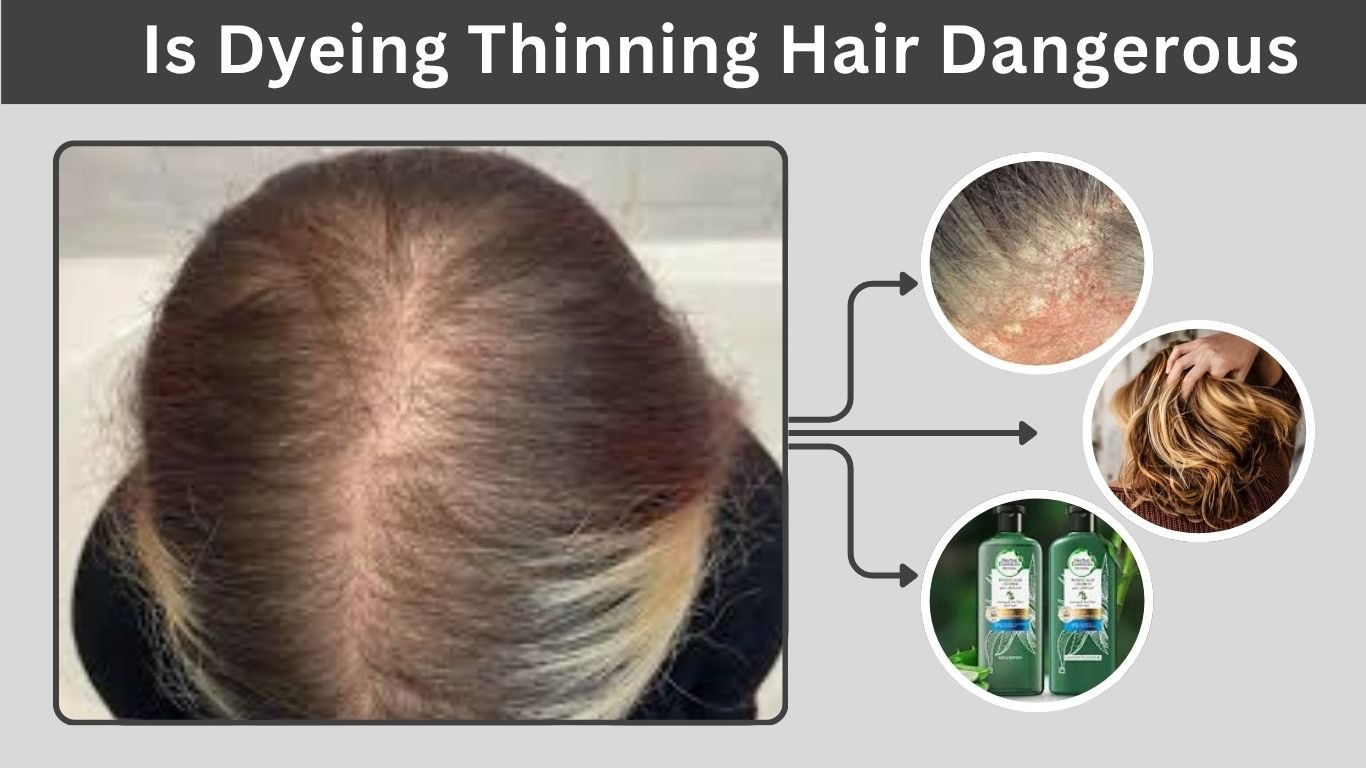
Is Dyeing Thinning Hair Dangerous? Risks, Causes & Safe Hair Coloring Tips
Yes, dyeing thinning hair can sometimes worsen dryness, breakage, and scalp irritation, especially when strong chemical dyes or bleach are used. However, hair dye does not always cause permanent hair loss. The risk depends on your hair’s condition, scalp health, the type of dye used, and how often you color your hair.
Many people with thinning hair worry that coloring will make their hair fall out faster. In reality, most hair dye damage affects the hair strands rather than the follicles themselves. Weak or fragile hair may become brittle after chemical processing, leading to breakage that can look like increased hair loss.
Certain ingredients found in permanent dyes, such as ammonia, peroxide, and bleach, may weaken already-thin hair and irritate sensitive scalps. Women and men experiencing hormonal thinning, postpartum shedding, stress-related hair loss, or aging hair should be especially careful when coloring.
The good news is that thinning hair can often be dyed safely with the right precautions. Choosing gentle formulas, spacing out coloring sessions, deep conditioning regularly, and avoiding excessive bleaching can significantly reduce damage.
In this guide, you’ll learn whether dyeing thinning hair is dangerous, which products are safest, warning signs to watch for, and expert tips to protect your scalp and hair while coloring.
What Does Thinning Hair Mean?
Thinning hair refers to a gradual decrease in hair density, making the scalp more visible over time. Unlike sudden baldness, thinning usually happens slowly and may affect the entire scalp or specific areas like the crown or hairline. Both women and men can experience thinning hair due to aging, stress, hormones, genetics, poor nutrition, or certain medical conditions.
Many people confuse normal shedding with thinning hair, but they are not exactly the same. Understanding the difference is important before deciding whether hair dye is safe for your hair condition.
Difference Between Thinning Hair and Hair Shedding
Hair shedding is a natural process where old hairs fall out so new ones can grow. Most people lose around 50 to 100 hairs daily, and this is considered normal.
Thinning hair happens when hair starts growing back weaker, finer, or less frequently than before. Over time, the hair appears less full, and the scalp becomes easier to see. Thinning may occur gradually because of genetics, hormonal imbalance, stress, or damage from styling and chemicals.
Common Signs of Thinning Hair
The signs of thinning hair can appear differently for each person. Some people notice increased shedding during washing, while others see changes in volume or scalp visibility.
Common symptoms include:
- Wider hair part
- Reduced ponytail thickness
- More scalp visibility
- Excessive hair on brushes or pillows
- Weak or fragile strands
- Slower hair growth
Recognizing these signs early may help prevent further damage.
Causes of Thinning Hair in Women and Men
Many factors can contribute to thinning hair. Hormonal changes are one of the most common causes, especially during pregnancy, menopause, or thyroid imbalance. Stress, poor diet, illness, and certain medications may also affect hair growth.
Other common causes include:
- Genetics and family history
- Heat styling and chemical treatments
- Tight hairstyles
- Nutritional deficiencies
- Scalp conditions
- Aging
Identifying the cause of thinning hair is important before using harsh chemical dyes or bleach.
Is Dyeing Thinning Hair Dangerous?
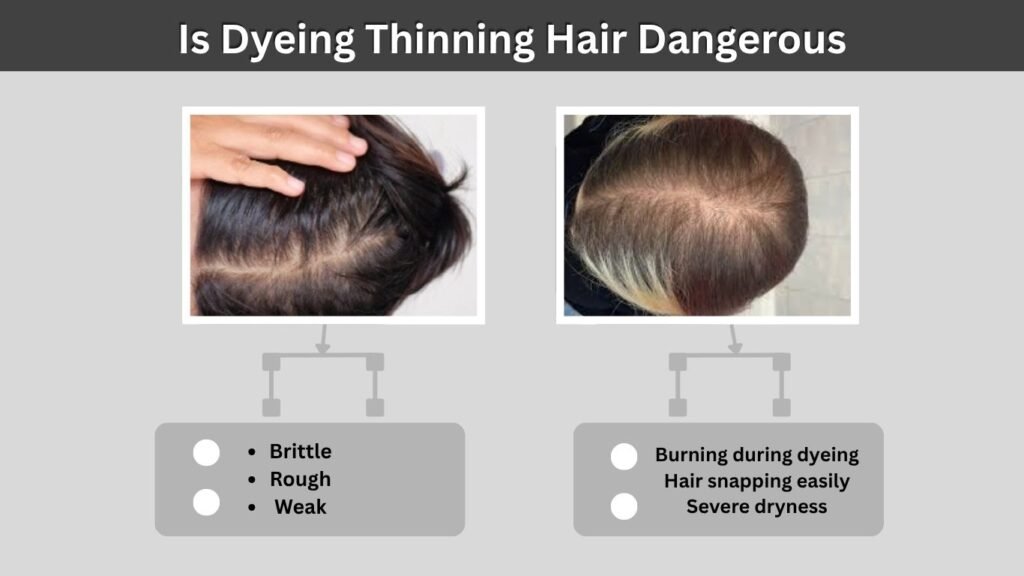
Dyeing thinning hair is not always dangerous, but it does require extra care. Hair dye can weaken fragile strands, dry out the hair, and irritate sensitive scalps when used incorrectly. The risk becomes higher when strong bleach or permanent dyes are applied repeatedly to already-damaged hair.
For many people, the biggest issue is not permanent hair loss but increased breakage that makes the hair look thinner than before.
The Short Answer Explained
Hair dye itself does not usually destroy hair follicles or directly cause permanent baldness. However, chemical ingredients may weaken thin hair strands and increase breakage, especially if the hair is already dry or damaged.
Frequent coloring, bleaching, or overlapping dye applications can stress fragile hair and worsen thinning over time.
How Chemical Dyes Affect Fragile Hair
Permanent hair dyes work by opening the hair cuticle and changing the hair’s internal pigment. This chemical process may leave thinning hair feeling:
- Dry
- Brittle
- Rough
- Weak
- More prone to snapping
Thin hair already has less strength and density, so repeated chemical exposure can make damage more noticeable.
When Hair Dye Becomes Risky
Hair dye becomes more dangerous when the scalp is irritated or the hair is already severely weakened. Bleach, high-volume developers, and frequent coloring sessions increase the risk of breakage and scalp sensitivity.
Warning signs include:
- Burning during dyeing
- Hair snapping easily
- Severe dryness
- Increased shedding
- Red or painful scalp
If these symptoms appear, it is best to stop chemical treatments and focus on restoring scalp and hair health first.
How Hair Dye Can Affect Thinning Hair
Hair dye changes the structure of the hair to deposit or remove color, but this process can place extra stress on already-thinning hair. Fragile strands are more vulnerable to dryness, breakage, and chemical damage, especially when strong dyes or bleach are used frequently. While hair dye does not always cause permanent hair loss, it can make weak hair appear thinner and less healthy over time.
Understanding how hair dye affects the scalp and strands can help you color your hair more safely.
Damage to the Hair Cuticle
The outer layer of the hair, called the cuticle, protects the inner structure of each strand. Permanent hair dye works by opening this layer so color can penetrate the hair shaft.
Repeated coloring may weaken the cuticle, causing the hair to become:
- Rough
- Porous
- Dry
- Fragile
When the protective layer becomes damaged, thinning hair is more likely to snap and lose its healthy appearance.
Increased Dryness and Brittleness
Many chemical dyes remove natural moisture from the hair during processing. Thin hair already struggles with strength and volume, so dryness can quickly make it more vulnerable to breakage.
Hair that becomes brittle may show signs like:
- Split ends
- Frizz
- Tangling
- Dullness
- Hair snapping during brushing
Deep conditioning treatments may help reduce some of this damage after coloring.
Scalp Irritation From Chemicals
Hair dye contains ingredients that may irritate sensitive scalps. Chemicals like ammonia, peroxide, and PPD can sometimes trigger itching, redness, burning, or inflammation.
A damaged scalp environment may affect healthy hair growth over time. Women and men with existing scalp conditions should be especially careful before using permanent dyes or bleach treatments.
Breakage Mistaken for Hair Loss
One of the biggest misunderstandings about hair dye is confusing breakage with true hair loss. Hair damaged by dye often snaps in the middle or near the ends rather than falling directly from the root.
This breakage can make the hair look thinner and patchy even though the follicles themselves remain healthy.
Allergic Reactions to Hair Dye
Some people experience allergic reactions to certain dye ingredients, especially PPD found in many dark permanent dyes. Reactions may include:
- Swelling
- Severe itching
- Burning sensations
- Rash around the scalp or face
- Scalp tenderness
In serious cases, allergic reactions can lead to scalp inflammation and temporary shedding. Performing a patch test before dyeing is extremely important.
Ingredients in Hair Dye That May Cause Problems
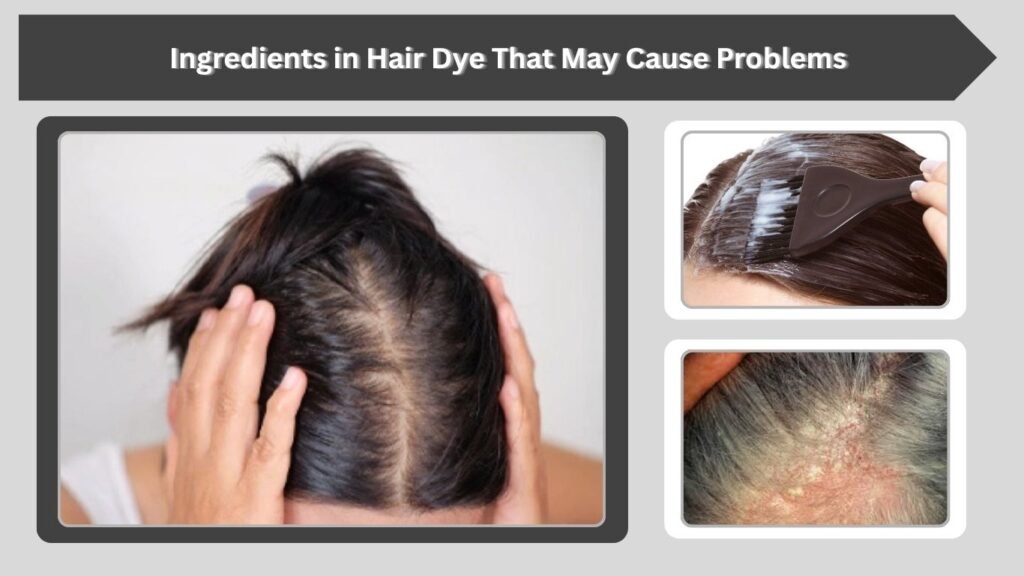
Not all hair dyes are equally damaging. Some ingredients are harsher than others and may weaken thinning hair or irritate sensitive scalps more easily.
Learning which ingredients to watch for can help you choose safer products.
Ammonia
Ammonia is commonly used in permanent hair dyes to open the hair cuticle and allow color to penetrate deeply. While effective, ammonia can strip moisture from the hair and leave it feeling rough or dry.
Women with thinning hair often benefit from ammonia-free formulas because they are generally gentler on fragile strands.
Hydrogen Peroxide
Hydrogen peroxide helps lighten the natural hair pigment before new color is added. High concentrations can weaken hair structure and increase brittleness over time.
Frequent peroxide exposure may lead to:
- Dryness
- Breakage
- Loss of elasticity
- Increased fragility
PPD (Paraphenylenediamine)
PPD is a common dye ingredient known for causing allergic reactions in some individuals. It is often found in darker permanent hair colors.
Sensitive people may experience:
- Redness
- Burning
- Swelling
- Scalp irritation
- Temporary shedding
Patch testing before each coloring session is strongly recommended.
Bleach and Lighteners
Bleach is considered one of the most damaging chemical treatments for hair. It strips natural pigment aggressively and weakens the hair shaft significantly.
Thin or fragile hair is especially vulnerable to:
- Severe dryness
- Elasticity loss
- Hair snapping
- Split ends
- Increased thinning appearance
Fragrances and Preservatives
Some hair dyes contain artificial fragrances and preservatives that may irritate sensitive scalps. While these ingredients do not directly cause baldness, they can worsen scalp discomfort and inflammation in certain individuals.
Choosing fragrance-free or sensitive-scalp formulas may help reduce irritation risks.
Can Hair Dye Cause Permanent Hair Loss?
Hair dye rarely causes permanent hair loss on its own, but repeated chemical damage can weaken the hair and scalp over time. In most cases, the problem is temporary shedding or breakage rather than permanent follicle damage. However, harsh chemicals, allergic reactions, or severe scalp irritation may sometimes contribute to longer-lasting hair problems if left untreated.
Understanding the difference between temporary damage and true hair loss is important before blaming hair dye completely.
Temporary Shedding vs Permanent Damage
Many people notice extra hair fall after coloring because chemically treated hair becomes weaker and more fragile. Dry, brittle strands are more likely to snap during washing, brushing, or heat styling.
Temporary shedding often improves once the hair is properly moisturized and protected. Permanent hair loss is much less common and usually involves damage to the scalp or hair follicles rather than the hair strands alone.
Hair Dye and Damaged Follicles
Hair dye mainly affects the outer hair shaft, not the follicles deep beneath the scalp. However, repeated irritation, harsh bleaching, or chemical burns may create inflammation around the follicles.
Long-term scalp inflammation can interfere with healthy hair growth if not treated early. This is why protecting the scalp during coloring is just as important as protecting the hair itself.
Rare Cases of Chemical Burns
Severe reactions to hair dye can sometimes cause chemical burns on the scalp. This may happen when strong products are left on too long or when a person has an allergic reaction to ingredients like PPD or bleach.
Signs of a chemical burn include:
- Burning pain
- Swelling
- Blisters
- Red patches
- Peeling skin
Severe scalp damage should always be evaluated by a dermatologist immediately.
When to Worry About Long-Term Thinning
Occasional shedding after dyeing is common, but ongoing thinning should not be ignored. You should pay attention if you notice:
- Continuous excessive shedding
- Bald patches
- Scalp pain or inflammation
- Hair becoming progressively weaker
- Thinning that worsens after every coloring session
In these cases, reducing chemical treatments and seeking professional advice may help prevent further damage.
Signs Your Hair Is Too Weak for Dyeing
Not all hair is healthy enough for chemical coloring. Thin, damaged, or overprocessed hair may react badly to permanent dye or bleach. Coloring weak hair can increase breakage and make thinning appear more severe.
Learning the warning signs can help you avoid unnecessary damage.
Excessive Shedding
If large amounts of hair are falling out daily, your hair may already be under stress from hormones, illness, nutritional deficiencies, or damage.
Adding strong chemicals during active shedding can sometimes worsen the problem temporarily.
Dry, Stretchy, or Gummy Hair
Healthy hair should feel soft and flexible. Hair that feels stretchy, mushy, or gummy when wet may already be severely damaged from heat or chemicals.
This type of hair is highly vulnerable to breakage during coloring treatments.
Visible Scalp Patches
If the scalp is becoming easier to see or patches of thinness are developing, harsh dye treatments may place extra strain on fragile areas.
Gentler color methods or temporary alternatives may be safer choices.
Burning or Itching Scalp
A sensitive scalp should never be ignored. If your scalp already feels irritated before coloring, chemical dyes may trigger stronger inflammation or allergic reactions.
Hair Snapping During Brushing
Hair that breaks easily during combing or brushing is often too weak for bleaching or permanent color treatments. Strengthening and moisturizing treatments should come before additional chemical processing.
Hair Types Most Vulnerable to Dye Damage
Some hair types are naturally more sensitive to chemical treatments than others. Thin, dry, or previously damaged hair often reacts more strongly to permanent dyes and bleach. Understanding your hair type can help you choose safer coloring methods and avoid worsening thinning or breakage.
Fine Hair
Fine hair has a smaller diameter and less strength compared to thicker hair types. Because the strands are delicate, chemical dyes can quickly make fine hair feel dry, weak, and flat.
Common problems include:
- Increased breakage
- Loss of volume
- Split ends
- Hair snapping during styling
Gentle formulas and minimal processing are usually safer for fine hair.
Bleached or Chemically Treated Hair
Hair that has already been bleached, relaxed, or chemically straightened is more vulnerable to further damage. Repeated processing weakens the hair cuticle and reduces elasticity.
Adding more dye on top of damaged hair may cause:
- Severe dryness
- Fragility
- Excessive breakage
- Rough texture
Deep conditioning and longer breaks between treatments are essential for maintaining healthier hair.
Curly and Textured Hair
Curly and textured hair tends to be naturally drier because scalp oils struggle to travel evenly through the curls. This makes the hair more sensitive to harsh chemicals and moisture loss during coloring.
Bleach and permanent dyes may lead to:
- Dry curls
- Frizz
- Loss of curl definition
- Increased breakage
Hydration-focused hair care is especially important for textured hair after dyeing.
Aging Hair
As people age, hair naturally becomes thinner, drier, and more fragile. Older hair often loses elasticity and moisture, making it less resilient to chemical treatments.
Gentler dyes and ammonia-free products may help reduce damage for aging hair.
Postpartum or Hormonal Thinning Hair
Hormonal changes during pregnancy, menopause, thyroid imbalance, or stress-related conditions can weaken the hair growth cycle. Hair already affected by hormonal shedding may become even more fragile after chemical coloring.
Women experiencing active shedding should be cautious with bleaching and frequent dye applications.
Safest Hair Dye Options for Thinning Hair
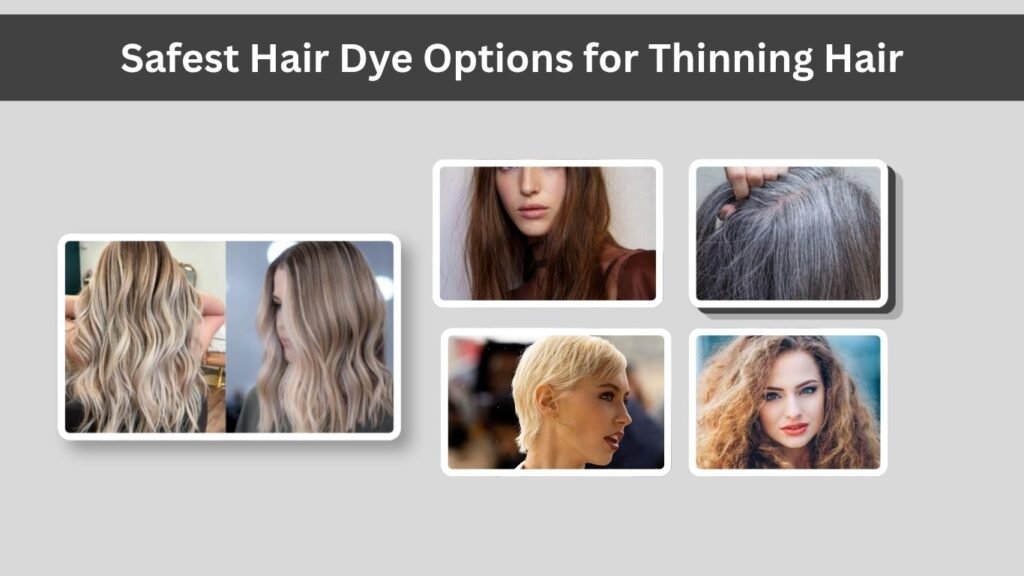
Choosing the right hair dye can reduce the risk of dryness, irritation, and breakage. Some formulas are much gentler on fragile hair than traditional permanent dyes.
Ammonia-Free Hair Dye
Ammonia-free dyes are popular because they are generally less harsh on the hair cuticle. These formulas help reduce dryness and irritation while still providing long-lasting color.
They are often better for:
- Thin hair
- Dry hair
- Sensitive scalps
- Aging hair
Semi-Permanent Color
Semi-permanent dyes coat the surface of the hair instead of deeply penetrating the shaft. Because they contain fewer strong chemicals, they are usually less damaging than permanent dyes.
Benefits include:
- Lower breakage risk
- Less dryness
- Temporary color changes
- Gentler fading process
Vegetable and Henna Dyes
Natural color options like henna and vegetable-based dyes may be safer for some people with fragile hair. These products often contain fewer harsh chemicals and may add shine or softness while coloring.
However, even natural dyes can trigger allergies in sensitive individuals, so patch testing is still important.
Low-Volume Developers
Lower-volume developers use less peroxide, reducing the amount of stress placed on the hair during coloring. They may help minimize dryness and breakage, especially on already-thinning hair.
Professional Salon Coloring
Professional stylists can assess your hair condition and choose techniques that reduce damage. Salon professionals may also avoid overlapping dye on weak areas and use protective treatments during the coloring process.
Tips for Dyeing Thinning Hair Safely
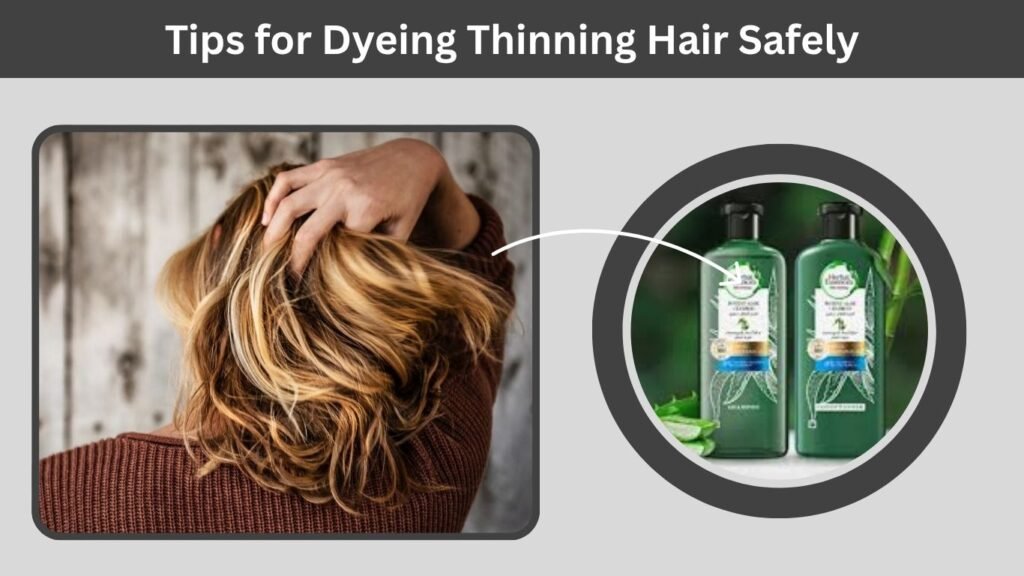
Thinning hair can still be colored safely when proper precautions are taken. The goal is to reduce stress on fragile strands while protecting the scalp from unnecessary irritation. Gentle techniques, moisturizing treatments, and choosing the right products can help minimize damage and maintain healthier-looking hair.
Wait Between Coloring Sessions
Frequent coloring places repeated stress on already-thin hair. Giving the hair enough recovery time between dye sessions helps reduce dryness and breakage.
Most experts recommend waiting at least:
- 6 to 8 weeks between permanent coloring
- Longer between bleaching sessions
- Extra time if hair feels weak or brittle
Spacing out treatments allows the hair cuticle to recover and retain more moisture.
Deep Condition Before and After Dyeing
Moisture is essential for protecting thinning hair from chemical damage. Deep conditioning before coloring helps strengthen the hair and improve elasticity, while post-color treatments restore lost hydration.
Benefits of deep conditioning include:
- Softer texture
- Reduced breakage
- Improved shine
- Better manageability
- Increased flexibility
Hydrated hair is less likely to snap during coloring or styling.
Avoid Bleaching Weak Hair
Bleach is one of the harshest chemical treatments for hair because it strips natural pigment aggressively. Thin or damaged hair may become extremely brittle after bleaching.
If your hair already feels dry, stretchy, or fragile, avoiding bleach completely may prevent severe breakage and worsening thinning.
Do a Patch Test First
Patch testing is important even if you have used hair dye before. Allergies and sensitivities can develop over time.
Apply a small amount of dye behind the ear or on the inner arm and wait 24 to 48 hours. If itching, redness, swelling, or irritation occurs, avoid using the product.
Use Sulfate-Free Shampoo
Sulfate-free shampoos are gentler on dyed hair because they cleanse without stripping too much natural moisture. This helps maintain color while reducing dryness and scalp irritation.
They are especially helpful for:
- Dry hair
- Chemically treated hair
- Sensitive scalps
- Curly hair textures
Protect Hair From Heat Damage
Heat styling combined with chemical coloring can weaken thinning hair even further. Excessive heat may dry out the strands and increase breakage.
To reduce damage:
- Lower heat tool temperatures
- Use heat protectant sprays
- Limit daily heat styling
- Air dry whenever possible
Safe Hair Dye Routine
- Choose gentle or ammonia-free dye formulas
- Avoid overlapping color on damaged sections
- Use deep conditioning masks weekly
- Minimize heat styling after coloring
- Trim split ends regularly
- Use scalp-friendly hair products
- Avoid tight hairstyles on fragile hair
Best Hair Care Routine for Dyed Thinning Hair
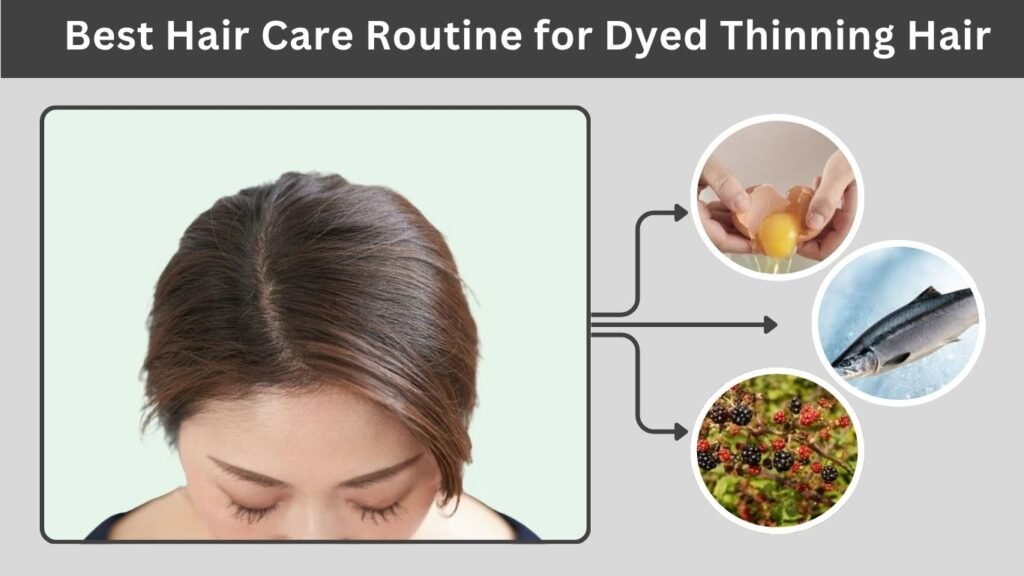
Hair that is both dyed and thinning needs extra moisture, protection, and gentle handling. A healthy routine can help reduce breakage and keep hair looking fuller and stronger.
Moisturizing Shampoos and Conditioners
Hydrating products help replenish moisture lost during coloring treatments. Look for shampoos and conditioners designed for color-treated or damaged hair.
These products may help:
- Improve softness
- Reduce frizz
- Prevent dryness
- Increase shine
- Protect hair color
Protein Treatments in Moderation
Protein treatments may strengthen weak strands temporarily, but too much protein can make hair stiff and brittle.
Using balanced treatments occasionally may help thinning hair feel stronger without causing overload.
Lightweight Scalp Serums
Lightweight scalp serums can support scalp hydration without creating heavy buildup. Some formulas contain ingredients that help soothe irritation and improve scalp comfort.
Satin Pillowcases and Gentle Brushing
Rough fabrics and aggressive brushing can increase breakage on thinning hair. Satin pillowcases reduce friction while sleeping, and gentle detangling methods help protect fragile strands.
Foods That Support Healthy Hair Growth
Healthy hair growth also depends on nutrition. Diets rich in protein, iron, omega-3 fatty acids, vitamins, and minerals support stronger hair over time.
Common hair-friendly foods include:
- Eggs
- Salmon
- Spinach
- Nuts
- Beans
- Berries
Natural Alternatives to Traditional Hair Dye
Many people with thinning hair prefer natural or low-damage alternatives instead of permanent chemical dyes. These options may help refresh color, cover grays, or enhance shine while reducing the risk of dryness and breakage. Although natural products are not completely risk-free, they are often gentler on fragile hair and sensitive scalps.
Henna
Henna is one of the most popular natural hair coloring options. It comes from a plant and coats the hair shaft with color instead of deeply penetrating the hair like permanent dyes.
Benefits of henna include:
- Adds shine
- Strengthens hair appearance
- Reduces chemical exposure
- Creates rich reddish-brown tones
However, pure henna works best for warm shades and may be difficult to remove completely later.
Coffee Hair Rinses
Coffee rinses are a temporary way to darken hair slightly and boost shine naturally. While the results are subtle, some people enjoy using coffee as a chemical-free method for refreshing brunette tones.
Coffee rinses may help:
- Add temporary depth to dark hair
- Improve shine
- Reduce harsh chemical exposure
Results usually fade after a few washes.
Color-Depositing Conditioners
Color-depositing conditioners combine moisturizing ingredients with temporary pigments. These products refresh faded color while conditioning the hair at the same time.
They are often safer for thinning hair because they contain fewer harsh chemicals than permanent dyes.
Root Touch-Up Powders and Sprays
Root touch-up products are quick cosmetic solutions for covering thinning areas or gray roots temporarily. Powders, sprays, and fibers sit on the surface of the hair and wash out easily.
These products may help create the appearance of fuller hair without damaging fragile strands.
Hair Gloss Treatments
Hair gloss treatments add shine and refresh tone without the intensity of permanent dye. Many gloss formulas are semi-permanent and contain conditioning ingredients that improve softness and smoothness.
Gloss treatments are often ideal for:
- Dull hair
- Mild color fading
- Dry strands
- Thin hair needing extra shine
Hair Dye vs Bleach: Which Is More Damaging?
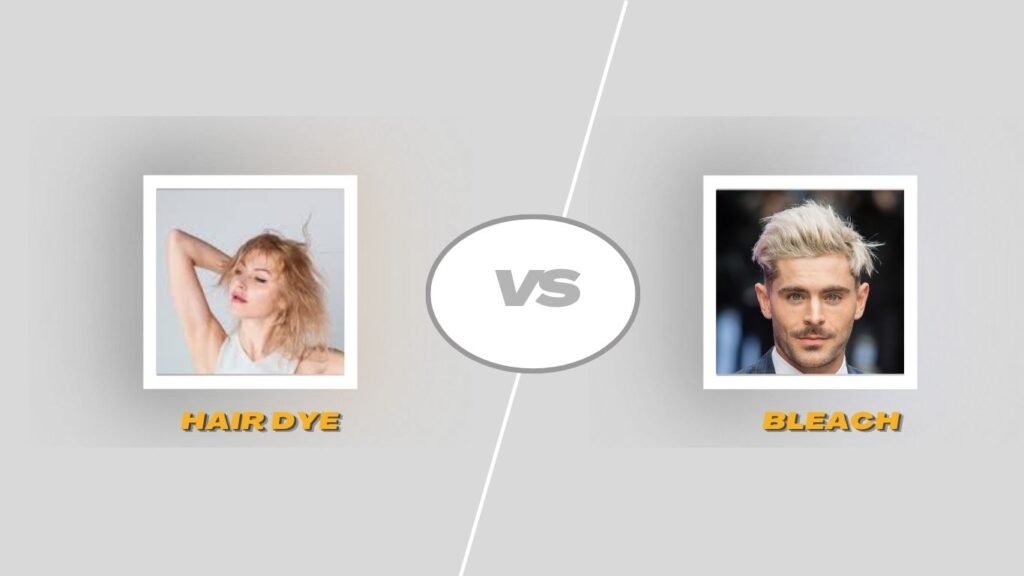
Both hair dye and bleach can stress the hair, but bleach is usually far more damaging because it removes natural pigment aggressively. Thin or fragile hair often struggles to tolerate repeated bleaching treatments.
Understanding the difference can help you make safer coloring decisions.
How Bleach Weakens Hair Structure
Bleach works by breaking down the hair’s natural pigment inside the shaft. This process weakens the hair structure and strips away moisture and proteins.
Bleached hair often becomes:
- Dry
- Fragile
- Rough
- Elastic
- Easy to break
Repeated bleaching can make thinning hair appear significantly worse over time.
Why Dark Dyes May Be Safer
Dark permanent dyes generally require less lifting and chemical processing than blonde transformations. Because they do not remove as much natural pigment, they may cause less structural damage.
This makes darker shades a safer option for many people with thinning hair.
Comparing Permanent and Semi-Permanent Dye
Permanent dyes penetrate deeply into the hair shaft and typically last longer, but they may also create more dryness and damage.
Semi-permanent dyes sit closer to the surface of the hair and gradually fade over time. They are usually gentler and better suited for fragile or thinning hair.
Comparison Table
| Hair Treatment | Damage Level | Best For | Risk for Thin Hair |
|---|---|---|---|
| Permanent Dye | Medium-High | Gray coverage | Moderate |
| Semi-Permanent Dye | Low-Medium | Temporary color | Lower |
| Bleach | Very High | Lightening hair | High |
| Henna | Low | Natural coloring | Low |
| Color Gloss | Low | Shine and tone refresh | Very Low |
When to See a Dermatologist About Hair Thinning
Sometimes thinning hair is linked to underlying health issues rather than hair dye alone. If your hair continues worsening despite improving your routine, a dermatologist can help identify the real cause.
Sudden Hair Loss After Dyeing
Large amounts of shedding after coloring may signal a severe reaction, scalp irritation, or pre-existing hair condition that needs professional evaluation.
Painful Scalp Reactions
Burning, swelling, blistering, or severe itching after dyeing should never be ignored. Chemical burns and allergic reactions require immediate attention.
Bald Patches or Inflammation
Patchy hair loss or inflamed scalp areas may indicate conditions like alopecia areata, fungal infections, or chronic scalp disorders.
Hair Thinning That Continues Worsening
If your hair becomes progressively thinner over months despite reducing damage, underlying hormonal, nutritional, or medical causes may be involved.
Common Myths About Dyeing Thin Hair
There are many misconceptions about hair dye and thinning hair. Some people believe coloring automatically causes baldness, while others assume natural dyes are completely harmless. Understanding the truth behind these myths can help you make safer and more informed decisions about coloring fragile hair.
“Hair Dye Always Causes Baldness”
Hair dye does not automatically cause permanent baldness. In most cases, chemical dyes affect the hair shaft rather than destroying the follicles themselves. What many people mistake for hair loss is actually breakage caused by dryness or weakened strands.
However, repeated bleaching, harsh chemical treatments, or severe allergic reactions may contribute to scalp damage and worsening thinning if ignored.
“Natural Dyes Are Always Completely Safe”
Natural hair dyes like henna are often gentler than permanent chemical dyes, but they are not risk-free. Some natural products may still trigger allergies, dryness, or scalp irritation in sensitive individuals.
Certain store-bought “natural” dyes may also contain hidden chemicals or metallic salts that can damage hair unexpectedly.
“Cutting Hair Makes It Grow Back Thicker”
Trimming hair does not change the thickness of the follicles or speed up hair growth. Hair may appear fuller after a haircut because damaged split ends are removed, creating a healthier look.
Actual hair thickness is influenced by:
- Genetics
- Hormones
- Nutrition
- Overall scalp health
“Only Bleach Damages Hair”
Bleach is one of the harshest treatments, but permanent dyes can also weaken hair over time. Even dark dyes may cause dryness, cuticle damage, and breakage when used too frequently or incorrectly.
The overall health of the hair and scalp matters more than the color itself.
Frequently Asked Questions (FAQs)
Can I dye my hair if it is thinning?
Yes, thinning hair can usually be dyed safely with the right precautions. Choosing gentle formulas, avoiding frequent bleaching, and keeping the hair moisturized may help reduce damage. Semi-permanent or ammonia-free dyes are often better options for fragile hair because they are less harsh on the strands and scalp.
Does hair dye make thinning hair worse?
Hair dye can make thinning hair appear worse if the hair becomes dry, brittle, or damaged after coloring. Chemical processing may weaken fragile strands and increase breakage. However, hair dye does not always cause permanent hair loss. Proper hair care and gentle coloring techniques can help minimize the risk of additional thinning.
Which hair dye is safest for thinning hair?
Ammonia-free dyes, semi-permanent colors, and gentle salon formulas are usually the safest choices for thinning hair. These products tend to cause less dryness and breakage than strong permanent dyes or bleach. Choosing moisturizing formulas and avoiding harsh chemical treatments may help protect fragile strands during coloring.
Is bleach bad for thinning hair?
Yes, bleach is one of the most damaging treatments for thinning hair because it removes natural pigment aggressively and weakens the hair structure. Thin hair often becomes dry, brittle, and more prone to breakage after bleaching. Limiting bleach use or avoiding it completely may help preserve healthier-looking hair.
How often can I dye thinning hair safely?
Most people with thinning hair should wait at least six to eight weeks between permanent coloring sessions. Frequent dyeing may increase dryness, breakage, and scalp irritation. Giving the hair enough recovery time between treatments helps reduce stress on fragile strands and maintain better overall hair health.
Can hair grow back after dye damage?
In many cases, hair can recover from mild dye damage once healthier hair care habits are followed. Reducing heat styling, deep conditioning regularly, and avoiding harsh chemicals may improve the appearance of damaged hair over time. However, severe scalp damage or untreated conditions may require medical attention.
Should I avoid dyeing postpartum thinning hair?
Postpartum hair shedding is common because hormonal changes affect the hair growth cycle after pregnancy. Coloring fragile postpartum hair may increase breakage temporarily. Many women choose gentler dyes or wait until shedding slows down before using strong chemical treatments to reduce additional stress on the hair.
Are natural hair dyes safer for weak hair?
Natural dyes may be gentler for some people because they usually contain fewer harsh chemicals. However, they are not completely risk-free. Some individuals still experience allergies or dryness from natural products. Patch testing and choosing high-quality formulas remain important even when using plant-based hair color options.
Conclusion
Dyeing thinning hair is not always dangerous, but fragile hair requires extra care and attention. Harsh chemicals, frequent bleaching, and poor hair care habits can weaken already-thin strands and increase breakage, making the hair appear thinner over time.
The good news is that many people with thinning hair can still enjoy coloring safely by choosing gentler products, spacing out treatments, and focusing on scalp and hair health. Ammonia-free dyes, semi-permanent colors, deep conditioning treatments, and heat protection can all help reduce damage significantly.
Ultimately, healthy hair starts with understanding your hair type, recognizing warning signs early, and avoiding excessive chemical stress. If thinning continues worsening or scalp irritation develops, seeking advice from a dermatologist may help identify underlying causes and protect long-term hair health.

- 10 Best Hair Oil For Oily Hair Buyer Guide 2026 - October 26, 2026
- 10 Best Hair Oil For Oily Scalp Buyer Guide 2026 - October 26, 2026
- 10 Best Hair Oil For Newborn Baby Girl Buyer Guide 2026 - October 25, 2026