
Coily Hair Care Guide: Everything You Need for Healthy, Defined Coils
Coily hair needs consistent moisture, gentle handling, and the right product order to stay healthy and defined. This guide walks through washing, moisturizing, styling, and protecting coily hair using methods built for its tight curl pattern and high shrinkage. You will learn how to choose a shampoo that will not strip your coils, how to layer leave in conditioner, oil, and cream for lasting definition, and how nighttime habits protect your progress. Whether your coils are 3C, 4A, 4B, or 4C, this guide covers the core routine every coily hair type needs to grow strong and stay defined.
What Is Coily Hair
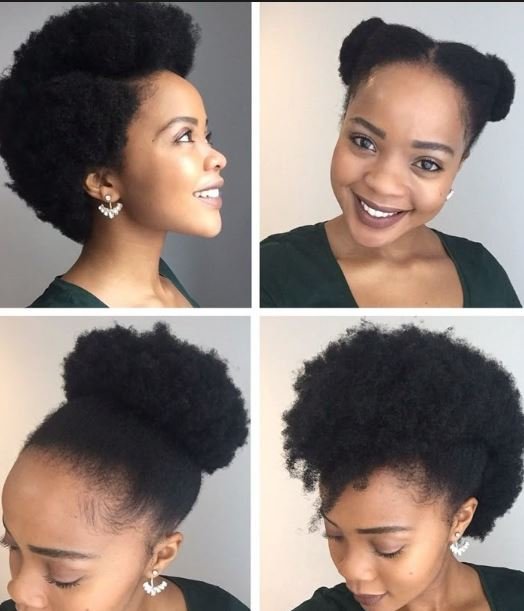
Coily hair is a natural hair type known for tight curls, high shrinkage, and a springy texture. Understanding its structure helps explain why coily hair needs a specific care routine.
Curl Pattern and Types
Coily hair covers the 3C through 4C range on the hair typing chart. Each type forms a tighter coil as the numbers and letters increase.
Hair Strand Structure
A coily strand grows in a spiral shape from the follicle. This shape makes natural oil travel slowly down the hair shaft.
Common Traits of Coily Hair
Coily hair often shows high shrinkage, a dry feel, and fast tangling. These traits come directly from the tight coil pattern.
Porosity and Density
Porosity controls how well hair absorbs and holds moisture, while density describes how many strands grow per area. Both attributes shape the right product choice for each person.
| Curl Type | Shrinkage Level |
|---|---|
| 3C | Moderate shrinkage |
| 4C | High shrinkage, up to 75 percent |
How to Wash Coily Hair
Washing sets the foundation for every coily hair routine. The right method removes buildup while keeping natural moisture in place.
Choosing the Right Shampoo
A sulfate free shampoo cleans the scalp without stripping natural oils from coily strands. Look for one with added moisture, such as glycerin or aloe.
Cowashing Method
Cowashing uses conditioner instead of shampoo to cleanse the scalp gently. This method suits coily hair that dries out quickly with regular shampoo.
Detangling Before Washing
Detangling dry or damp hair before washing prevents knots from tightening in the shower. A wide tooth comb or fingers work best for this step.
Washing Frequency
Most coily hair does well with washing every one to two weeks. Washing too often can strip moisture and increase dryness.
How to Moisturize Coily Hair
Moisture is the single most important factor in coily hair health. A layered routine keeps water and oil locked inside each strand.
The LOC Method
LOC stands for liquid, oil, cream, applied in that order. This method traps water inside the strand before sealing it with oil and cream.
Best Leave In Products
A leave in conditioner adds the first layer of hydration after washing. Choose one with slip to ease detangling at the same time.
Sealing With Oils
Oils such as jojoba or castor oil seal moisture inside the strand after the leave in step. A small amount goes a long way on coily hair.
Deep Conditioning Routine
Deep conditioning once a week restores softness and strength to coily strands. Heat from a cap or hooded dryer helps the product absorb fully.
| Step | Product Type |
|---|---|
| Liquid | Water or leave in conditioner |
| Oil | Jojoba, castor, or coconut oil |
Best Products for Coily Hair
The right product lineup supports every stage of a coily hair routine, from cleansing to styling.
Shampoos and Conditioners
Sulfate free shampoos and rich conditioners clean and soften coily hair without stripping natural moisture.
Curl Creams and Gels
Curl cream adds softness and definition, while gel adds hold and reduces frizz. Together they support long lasting curl clumps.
Oils and Butters
Shea butter and natural oils seal moisture and add shine to coily strands. Apply them as the final step in a wash day routine.
Protective Styling Products
Edge control, braid gel, and satin wraps support protective styles and reduce breakage during long term wear.
Protective Styling and Maintenance
Protective styling reduces daily manipulation and helps coily hair retain length over time.
Braids and Twists
Braids and twists tuck the ends away and reduce friction from clothing and pillows. These styles can last one to four weeks.
Satin or Silk Protection
A satin bonnet or silk pillowcase reduces friction while sleeping. This step prevents dryness and breakage overnight.
Trimming Schedule
Trimming every three to four months removes split ends before they travel up the hair shaft. Regular trims support healthier length retention.
Nighttime Routine
A nighttime routine of light moisture and a protective wrap keeps curls defined until the next wash day.
| Style | Typical Duration |
|---|---|
| Twists | One to two weeks |
| Braids | Two to four weeks |
Common Coily Hair Mistakes
Certain habits slow down progress even when a person follows most of the right steps. Avoiding these mistakes protects the health of coily hair over time.
Overwashing
Washing too often strips natural oils and leaves coily hair dry and brittle. Space out wash days to protect moisture levels.
Using Wrong Tools
Fine tooth combs and standard brushes break coily strands and disrupt curl clumps. A wide tooth comb or fingers work better for detangling.
Skipping Deep Conditioning
Skipping deep conditioning leaves coily hair weak and prone to breakage. A weekly session keeps strands strong and elastic.
Heat Damage
Frequent high heat styling loosens the natural coil pattern and causes long term damage. Low heat settings protect curl definition.
Frequently Asked Questions About Coily Hair Care
These questions address the details readers ask about most when starting or improving a coily hair routine.
How Often Should Coily Hair Be Washed
Most coily hair benefits from washing every one to two weeks, depending on scalp oil production and activity level.
What Is the Best Way to Retain Length
Regular moisture, protective styling, and gentle detangling all support length retention in coily hair.
Can Coily Hair Be Heat Styled Safely
Occasional low heat styling with a heat protectant is generally safe, but frequent high heat use can weaken the curl pattern.
Why Does Coily Hair Feel Dry So Quickly
The spiral shape of coily strands slows natural oil from traveling down the hair shaft, which leads to faster dryness compared to straighter hair types.

- 10 Best Hair Oil For Oily Skin Buyer Guide 2026 - October 26, 2026
- 10 Best Hair Oil For Overnight Buyer Guide 2026 - October 26, 2026
- 10 Best Hair Oil For Oily Scalp And Dry Ends Buyer Guide 2026 - October 26, 2026