15 Coily Hair Types Explained: Features, Care, and Styling Tips
Coily hair covers the tightest curl patterns on the hair type chart, from 4A to 4C, plus variations in density, porosity, and coil shape. There are 15 recognized coily hair types, each defined by curl size, strand thickness, and moisture needs. Fine coily hair needs light products. Coarse coily hair needs heavy creams. High porosity coily hair absorbs moisture fast but loses it fast too. Low porosity coily hair resists moisture. Knowing your type helps you pick the right wash routine, the right products, and the right styles that reduce breakage and boost curl definition.
What Is Coily Hair
Coily hair sits at the tightest end of the curl spectrum. It forms small springs, zigzags, or Z shaped strands that coil tightly from root to tip. This hair type shrinks the most of all curl patterns, often losing 60 to 75 percent of its length when dry. Coily hair grows out of a follicle that curves at an angle, which forces the strand to bend as it grows. People with coily hair often describe it as soft, cottony, or springy to the touch, even though it looks dense and coarse from a distance. Understanding this hair type starts with the follicle, moves through the curl chart, and ends with the care habits that keep the strand strong.
Definition and Curl Pattern
Coily hair is the fourth category on the Andre Walker hair typing system. It includes three subtypes, 4A, 4B, and 4C. Each subtype differs in coil size and shape. 4A forms defined springs. 4B forms sharp Z angles. 4C forms tight coils with little to no visible pattern when dry. The system groups hair by the width of the curl, not by texture or thickness, so two people with 4A hair can still have very different strand feel.
Where Coily Hair Sits on the Hair Type Chart
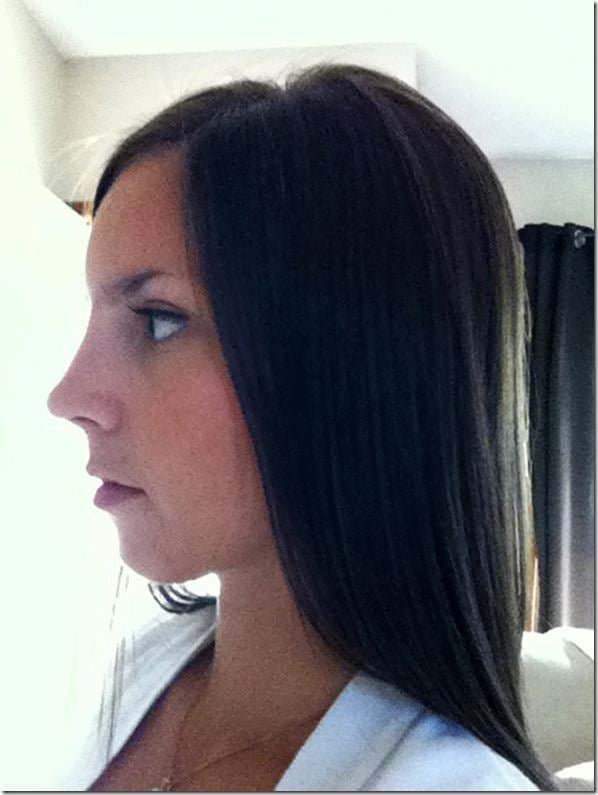
The hair type chart runs from type 1, straight hair, to type 4, coily hair. Type 2 covers wavy hair. Type 3 covers curly hair. Type 4 sits at the end because it holds the tightest curl radius and the smallest coil diameter of any hair type. Each type also splits into A, B, and C subcategories, moving from the loosest bend in the A group to the tightest bend in the C group.
Why Coily Hair Forms Coils
The follicle shape drives coil formation. A round follicle grows straight hair. An oval follicle grows wavy or curly hair. A flat, ribbon shaped follicle grows coily hair. The flatter the follicle, the tighter the coil, since the hair strand bends more as it exits the scalp. This bend also changes how light reflects off the strand, which is part of why coily hair often looks matte rather than shiny, even when well moisturized.
Common Myths About Coily Hair
Many people think coily hair is dry by nature. It is not dry, it is just harder for natural oils to travel down the tight coils from the scalp to the ends. Another myth says coily hair cannot grow long. Coily hair grows at the same rate as other hair types, it just shows less length due to shrinkage. A third myth claims coily hair needs constant trimming to grow, when in fact overhandling causes more length loss than infrequent trims.
Type 4A Coily Hair
Type 4A hair forms a defined S shaped coil about the size of a crochet needle. It holds the most visible curl pattern among the three coily subtypes and responds well to moisture. People often mistake 4A for a very tight type 3 curl, since the spring shape stays consistent from root to tip.
Features
4A strands form springy S coils with a consistent diameter close to a pen spring. The coil pattern stays visible even when the hair dries, unlike tighter coily types. Strands often clump together naturally, which gives 4A hair a defined look with minimal styling effort.
Porosity and Density
4A hair often carries medium porosity and medium density. The cuticle lies fairly flat, so moisture enters and stays without heavy buildup. This balance makes 4A one of the easier coily types to manage, since it responds well to a wide range of products without much trial and error.
Care Routine
Wash 4A hair once or twice a week with a sulfate free shampoo. Follow with a rich conditioner and detangle with fingers or a wide tooth comb while the hair is wet and coated in conditioner. A weekly deep condition session, left on for 20 to 30 minutes under a warm towel, keeps the coil pattern soft and bouncy.
Styling Tips
Use the wash and go method with a curl cream and gel for hold. Diffuse on low heat to keep the coil pattern intact without frizz. Applying product in small sections, rather than all at once, helps each coil clump evenly and reduces the need for restyling later in the day.
Type 4B Coily Hair
Type 4B hair bends in sharp Z shaped angles rather than round coils. It holds less defined pattern than 4A and needs more moisture to stay soft. The zigzag shape means strands often shrink more than 4A hair, sometimes by more than half their stretched length.
Features
4B strands change direction sharply at multiple points along each strand, forming a Z pattern instead of a smooth spiral. This gives the hair a cottony, soft texture. Because the curl pattern bends at several points, 4B hair often looks fluffier and less defined without added product.
Porosity and Density
4B hair often runs high porosity due to raised cuticles. Density varies from low to high depending on the person, so care needs adjust from head to head. High porosity means product and moisture soak in quickly, but they also leave the strand just as fast without a sealing step.
Care Routine
Deep condition weekly with a moisture rich mask. Seal each section with an oil after applying leave in conditioner to lock moisture inside the strand. Adding a protein treatment once a month helps balance the high porosity and gives the strand more strength between wash days.
Styling Tips
Twist outs and braid outs work well on 4B hair since they stretch the coil without heat. Apply product on soaking wet hair for even coverage and better definition. Letting the twists or braids dry fully before unraveling prevents frizz and helps the pattern hold longer through the week.
Type 4C Coily Hair
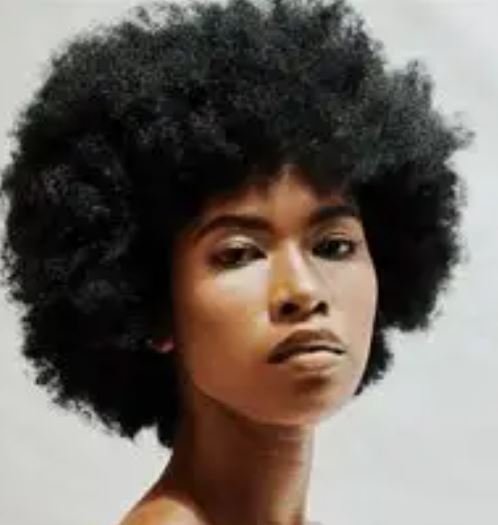
Type 4C hair holds the tightest coil pattern of all hair types. It shrinks the most and often shows no visible curl pattern when dry. Many describe 4C hair as the most versatile type for protective styles, since the tight coil holds braids and twists with strong grip.
Features
4C strands coil so tightly that the pattern often appears invisible without stretching the hair. Strands feel soft but pack together densely, which raises the risk of tangling. The tight coil also means 4C hair shows the most dramatic difference between its stretched length and its resting, shrunken length.
Porosity and Density
4C hair commonly shows high porosity and high density. The tight coil and raised cuticle layer make moisture retention the top priority for this hair type. High density combined with high porosity means moisture escapes fast unless each strand gets sealed properly after every wash.
Care Routine
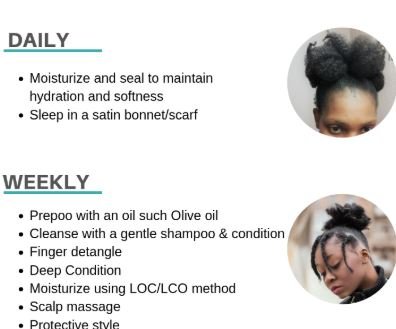
Pre poo with oil before shampoo day to reduce moisture loss. Follow the LOC method, liquid, oil, cream, in that order, to lock in hydration after washing. Finger detangling before reaching for a comb also helps remove shed hair gently, since 4C strands tangle around each other more than looser coily types.
Styling Tips
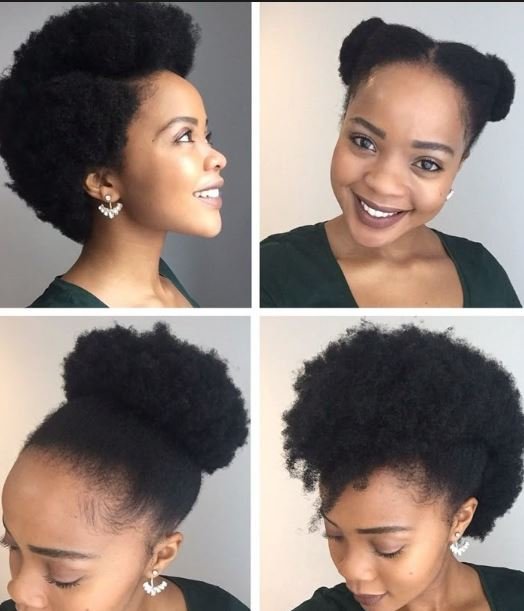
Stretch the hair with braid outs, bantu knots, or banding to reduce shrinkage and show length. Avoid daily manipulation since 4C strands break easily under friction. Low manipulation styles like two strand twists, worn for one to two weeks at a time, help retain length while keeping the hair moisturized.
Fine Coily Hair vs Coarse Coily Hair
Coily hair also varies by strand thickness, not just coil shape. Fine and coarse coily strands need different product weights and handling methods, so knowing your strand thickness matters as much as knowing your subtype letter.
Fine Coily Hair Features
Fine coily strands feel thin and light. They hold less structural strength, so they break under heavy products or rough handling. Fine coily hair often looks less full even at high density, since each individual strand carries less width to fill out the overall style.
Coarse Coily Hair Features
Coarse coily strands feel thick and strong. They resist damage better but take longer to absorb moisture and product. Coarse hair often looks fuller with fewer strands per square inch, since each strand carries more width and weight than fine hair.
Care Differences
Fine coily hair needs lightweight leave in conditioners and gentle detangling. Coarse coily hair needs richer butters and longer conditioning time to soften the strand. Overloading fine hair with heavy butter often weighs down the coil pattern and causes limp, greasy looking curls.
Styling Differences
Fine coily hair holds curl definition with light gel. Coarse coily hair needs strong hold products like custard or heavy cream to shape and control the coil. Coarse hair also benefits from longer styling sessions, since product needs more time to work through the thicker strand.
| Fine Coily Hair | Coarse Coily Hair |
|---|---|
| Light products, quick to absorb moisture | Heavy products, slow to absorb moisture |
| Prone to breakage under rough handling | Resistant to damage, harder to style |
High Density Coily Hair vs Low Density Coily Hair
Density measures how many strands grow per square inch of scalp. This changes how thick the hair looks and how it should be washed and styled, separate from the coil pattern itself.
High Density Features
High density coily hair holds many strands packed closely together. It looks full and often takes longer to dry and detangle due to strand count. Products can also take longer to reach every strand, since the hair sits so close together that water and product struggle to travel to the scalp.
Low Density Features
Low density coily hair holds fewer strands per square inch. It looks thinner and shows scalp more easily, but dries faster and tangles less. Low density hair often needs styles that create the appearance of volume rather than styles that rely on natural thickness.
Washing Tips
High density hair needs sectioning during wash day to reach the scalp fully. Low density hair washes faster since water and shampoo reach every strand with less effort. Sectioning into four to six parts before shampooing helps high density hair get a full, even cleanse without missing spots near the scalp.
Styling Tips
High density hair can carry bulkier styles like twists and braids without looking flat. Low density hair benefits from styles that add the appearance of fullness, like finger coils or smaller twist sections. Using a root clip or roller set at the roots also adds lift for low density hair.
| High Density Coily Hair | Low Density Coily Hair |
|---|---|
| Thick, full look, longer wash time | Thinner look, shorter wash time |
| Holds bulky protective styles well | Needs volumizing styles for fullness |
High Porosity Coily Hair vs Low Porosity Coily Hair
Porosity measures how well the hair cuticle absorbs and holds moisture. This affects product choice and how often you should deep condition, and it often shifts over time due to heat damage or chemical treatments.
High Porosity Features
High porosity coily hair holds raised or damaged cuticles. Moisture enters fast but escapes fast too, leaving the hair dry soon after washing. This type often results from repeated heat styling, coloring, or harsh detangling that lifts the cuticle layer over time.
Low Porosity Features
Low porosity coily hair holds tightly closed cuticles. Moisture and product sit on the surface rather than absorbing, which often leads to buildup. Low porosity is often a natural trait rather than a sign of damage, and it tends to run in families.
Moisture Tips
High porosity hair needs protein treatments to fill gaps in the cuticle. Low porosity hair needs heat, like a warm towel, to open the cuticle so moisture can enter. Applying conditioner under a plastic cap with light heat for 20 minutes helps low porosity hair absorb far more product than at room temperature.
Product Tips
High porosity hair does well with heavier creams and butters that seal moisture in. Low porosity hair does better with lightweight, water based products applied on soaking wet strands. Layering too many heavy products on low porosity hair often causes buildup that blocks moisture rather than adding it.
| High Porosity Coily Hair | Low Porosity Coily Hair |
|---|---|
| Absorbs moisture fast, loses it fast | Resists moisture, prone to buildup |
| Needs protein treatments regularly | Needs heat to open the cuticle |
Kinky, Zigzag, Tightly Coiled, and Loosely Coiled Hair
Beyond the standard 4A, 4B, and 4C labels, coily hair shows further variation in shape and tightness. These four descriptive types cover common patterns seen within the coily family and often overlap with more than one official subtype.
Kinky Coily Hair
Kinky coily hair forms extremely tight, small bends with almost no visible spiral. It often overlaps with 4C hair and shows the highest shrinkage rate of all coily types. This texture holds protective styles especially well, since the tight bend grips braiding hair and twist extensions with strong hold.
Zigzag Coily Hair
Zigzag coily hair bends at sharp angles rather than round curves, similar to 4B hair. Strands change direction several times along their length, giving a crimped appearance. This shape often makes detangling harder, since the sharp angles catch on nearby strands more than a smooth spiral would.
Tightly Coiled Hair
Tightly coiled hair wraps around itself in small, dense loops. It often needs the most moisture of all coily variations since the tight wrap blocks natural oil from traveling down the strand. Daily moisture spritzing, followed by a sealing oil, works better for this type than a heavier once a week routine.
Loosely Coiled Hair
Loosely coiled hair forms wider springs, closer to 4A hair. It holds a looser bend and stretches out more under its own weight compared to tighter coily types. This texture often shows the clearest curl definition of the group and needs the least product to hold its shape.
Long Coily Hair and Short Coily Hair
Length changes how coily hair behaves, even within the same curl pattern. Long and short coily hair need different care priorities to stay healthy, since weight and age of the strand both play a role.
Long Coily Hair Features
Long coily hair carries more weight per strand, which can stretch out the coil pattern slightly near the roots. Ends also carry more age and damage since they have existed the longest, often showing thinner, more porous texture compared to hair closer to the scalp.
Short Coily Hair Features
Short coily hair shows a tighter, more uniform coil pattern since less weight pulls on the strand. It often shows shrinkage the most, sometimes losing most of its length when dry, which can make growth progress hard to notice without regular length checks.
Length Retention Tips
Protect ends with protective styles like twists or buns. Sleep on a satin pillowcase or bonnet to reduce friction that leads to breakage over time. Moisturizing the ends specifically, rather than only the roots, also helps prevent the thinning that often shows up on longer coily hair.
Trimming Tips
Trim coily hair every three to four months to remove split ends before they travel up the strand. Skipping trims for too long often leads to more breakage than length gained, since a single split end can travel several inches up the hair shaft if left uncut.
Daily Care Routine for Coily Hair
A steady care routine keeps coily hair moisturized, strong, and easy to style. Each step below plays a distinct role in the health of the strand, and skipping any one step often shows up as dryness or breakage within a few weeks.
Washing
Wash coily hair once a week with a sulfate free shampoo, or try co washing between full washes to add moisture without stripping natural oils. Focus shampoo mainly on the scalp and let the rinse water carry cleanser down the length of the strand.
Moisturizing
Moisturize daily or every other day using a water based spray followed by a sealing oil or cream. This keeps the strand soft between wash days. Refreshing with a light water spray in the morning also helps revive curls that flattened overnight.
Detangling
Detangle coily hair while wet and coated in conditioner. Start from the ends and work up to the roots with a wide tooth comb or your fingers to reduce breakage. Working in small sections, rather than the whole head at once, cuts down on snapped strands significantly.
Protective Styling
Wear protective styles like twists, braids, or buns to reduce daily manipulation. Change styles every two to six weeks to give the scalp and strands a rest. Cleansing the scalp between styles, even while wearing braids or twists, prevents buildup and itching underneath the style.
Best Products for Coily Hair
Coily hair needs products built for moisture retention and low friction handling. Product choice shifts based on porosity and density, but a few categories stay constant across nearly every coily hair type.
Shampoo
Choose a sulfate free, moisturizing shampoo to cleanse without stripping natural oil. Clarifying shampoo works well once a month to remove product buildup that a regular shampoo often leaves behind.
Conditioner
Pick a rich, slip heavy conditioner to ease detangling. Deep conditioners with humectants like glycerin help draw moisture into the strand during wash day, especially when applied under gentle heat for better absorption.
Leave In Cream
Apply a leave in cream on wet hair right after rinsing conditioner. This forms the base layer for the rest of the styling routine and locks in moisture before any additional gel or oil goes on top.
Styling Gel or Custard
Finish with a gel or custard for hold and frizz control. Coarse and high density hair often needs a stronger hold formula compared to fine or low density hair, which does better with a lighter, more flexible gel.
Common Coily Hair Problems
Coily hair faces a specific set of challenges tied to its tight coil shape and raised cuticle structure. Knowing the cause helps you fix the problem faster instead of guessing at random product swaps.
Dryness
Dryness happens because natural oil struggles to travel down the tight coils from scalp to end. Regular moisturizing and sealing with oil helps offset this issue, and adding a humectant based product on humid days pulls in extra moisture from the air.
Breakage
Breakage often comes from rough detangling or skipping moisture before manipulation. Gentle detangling on wet, conditioned hair reduces strand snapping significantly, and switching to a microfiber towel instead of a rough cotton towel also lowers friction damage.
Shrinkage
Shrinkage is a natural trait of coily hair, not damage. Stretching methods like braid outs, banding, or blow drying on low heat show length without altering the curl pattern permanently. Banding, where sections are wrapped with soft bands from root to tip, works well without any heat at all.
Tangling
Tangling happens when coils from nearby strands wrap around each other, especially in high density hair. Detangling in small sections with conditioner reduces knots and breakage, and finishing each section with a twist before moving to the next helps prevent it from tangling again before styling.
Frequently Asked Questions
What Is the Difference Between 4A, 4B, and 4C Hair
4A forms defined S shaped springs, 4B forms sharp Z shaped angles, and 4C forms tight coils with little visible pattern when dry. Each subtype needs a different moisture level, with 4C needing the most and 4A needing the least among the three.
Can Coily Hair Grow Long
Yes, coily hair grows at the same rate as other hair types. Shrinkage often hides length, so stretched styles like braid outs show true growth progress over time far better than checking the hair in its shrunken state.
How Often Should You Wash Coily Hair
Wash coily hair once a week, or add a co wash between full washes if your scalp or strands feel dry. Overwashing strips natural oil and leads to dryness, while underwashing can cause buildup and scalp irritation over time.
What Is the Best Way to Detangle Coily Hair
Detangle wet hair coated in conditioner, working from ends to roots in small sections with a wide tooth comb or your fingers. This method reduces breakage compared to detangling dry hair, since wet strands stretch and bend without snapping as easily.
Does Coily Hair Need Protein Treatments
High porosity coily hair benefits most from protein treatments, since raised cuticles leave gaps that protein can fill and smooth over. Low porosity hair needs protein far less often, since the cuticle already sits tightly closed and holds its structure well without added reinforcement. A monthly protein treatment works for most high porosity coily types, while low porosity hair does fine with protein once every two to three months.
Is Heat Styling Safe for Coily Hair
Heat styling is safe for coily hair when used with a heat protectant and a low setting. Frequent high heat use raises porosity over time by lifting the cuticle, which then makes the hair harder to keep moisturized. Limiting heat styling to special occasions, and stretching the hair with low heat or no heat methods for daily wear, keeps the coil pattern healthier over the long run.

- 10 Best Hair Oil For Oily Skin Buyer Guide 2026 - October 26, 2026
- 10 Best Hair Oil For Overnight Buyer Guide 2026 - October 26, 2026
- 10 Best Hair Oil For Oily Scalp And Dry Ends Buyer Guide 2026 - October 26, 2026