4C Hair Routine: The Complete Daily, Weekly & Monthly Care Routine for Healthy Natural Hair
A healthy 4C hair routine includes cleansing, deep conditioning, moisturizing, sealing moisture, and protecting the hair from breakage. Most people with 4C hair should wash their hair every 1–2 weeks, moisturize every 2–4 days, and use protective styles to retain length. The ideal routine depends on your hair porosity, density, scalp condition, and lifestyle.
A consistent 4C hair routine is the foundation of healthy natural hair. Because Type 4C hair has tightly coiled strands, it requires regular hydration, gentle handling, and a structured care routine to prevent dryness, breakage, and excessive shrinkage.
This guide explains how to build an effective daily, weekly, and monthly routine by understanding your hair’s unique characteristics and choosing the right products and techniques.
What Is a 4C Hair Routine?
A 4C hair routine is a personalized hair care plan that keeps tightly coiled natural hair clean, moisturized, and protected. Rather than relying on one product, it combines cleansing, conditioning, moisturizing, detangling, and protective styling to maintain healthy hair and improve length retention.
A successful routine is based on your hair’s individual needs, including porosity, density, strand thickness, and scalp condition.
Definition of a 4C Hair Routine
A 4C hair routine is a step-by-step schedule of hair care practices performed daily, weekly, and monthly to maintain healthy Type 4C natural hair.
A complete routine typically includes:
- Cleansing the scalp
- Deep conditioning
- Moisturizing
- Sealing moisture
- Gentle detangling
- Protective styling
- Nighttime protection
Why Type 4C Hair Needs a Specialized Routine
Type 4C hair has tightly packed coils that make it difficult for natural scalp oils to travel from the roots to the ends. As a result, the hair dries out more quickly and is more susceptible to tangles and breakage.
A specialized routine focuses on hydration, moisture retention, and gentle handling to keep the hair healthy.
Goals of a Healthy 4C Hair Routine
Every routine should support long-term hair health by helping you:
- Maintain moisture
- Reduce breakage
- Improve elasticity
- Retain length
- Support scalp health
- Simplify styling
Factors That Affect Your Hair Routine
No two routines are exactly alike because every person’s hair is different. Your routine should be adjusted based on:
- Hair porosity
- Hair density
- Hair thickness
- Scalp condition
- Climate
- Lifestyle
Know Your Hair Before Creating a Routine
Before selecting products or styling methods, it’s important to understand how your hair behaves. Knowing your hair’s characteristics helps you choose products that improve moisture retention without causing buildup or unnecessary damage.
Hair Porosity and Product Absorption
Hair porosity determines how easily moisture enters and leaves the hair shaft.
- Low porosity: Absorbs moisture slowly and benefits from lightweight products.
- Medium porosity: Holds moisture well and is generally easy to maintain.
- High porosity: Absorbs moisture quickly but loses it rapidly, requiring richer moisturizing products.
Understanding your porosity makes product selection much easier.
Hair Density vs Hair Thickness
Hair density refers to the number of hair strands on your scalp, while hair thickness refers to the width of each strand.
Knowing both helps you choose the correct amount and type of products.
- Fine strands perform better with lightweight products.
- Coarse strands often require richer creams and butters.
- High-density hair usually needs more sectioning during wash day.
Scalp Condition and Hair Health
Healthy hair begins with a healthy scalp.
A balanced scalp supports consistent hair growth and improves the effectiveness of your hair care products.
Watch for signs such as:
- Dryness
- Oiliness
- Itching
- Flaking
- Product buildup
Addressing scalp issues early helps prevent future hair problems.
Identifying Your Hair Needs
Your routine should solve your hair’s biggest concerns rather than follow trends.
Ask yourself:
- Does my hair become dry quickly?
- Does it break easily?
- Do I struggle with tangles?
- Is product buildup common?
- Does my scalp feel healthy?
The answers will determine whether your routine should focus more on moisture, protein, cleansing, or protective styling.
How Climate Affects 4C Hair
Environmental conditions directly affect moisture retention.
- Dry climates often require richer moisturizers and sealing oils.
- Humid climates may increase frizz but reduce dryness.
- Cold weather usually requires heavier moisturizing routines.
- Hot weather may require more frequent scalp cleansing.
Adjusting your routine according to the season helps keep your hair healthy all year.
Daily 4C Hair Routine
A daily 4C hair routine focuses on maintaining moisture, protecting the hair from damage, and keeping styles looking fresh without excessive manipulation. Unlike wash day, daily care does not require using many products. Instead, the goal is to preserve hydration and reduce friction so your hair remains healthy between washes.
Consistency is more important than complexity. A few simple habits each day can significantly improve moisture retention and reduce breakage over time.
Refreshing Hair Without Overwashing
Type 4C hair does not need to be shampooed every day. Frequent washing can strip away natural oils and leave the hair feeling dry.
Instead, refresh your hair when it feels dry or flattened.
A simple refresh routine includes:
- Lightly mist the hair with water.
- Apply a small amount of leave-in conditioner if needed.
- Gently fluff the roots with your fingers.
- Smooth frizzy areas using a lightweight styling cream.
This routine restores softness without causing product buildup.
Moisturizing Dry Hair Daily
Water is the best moisturizer for Type 4C hair. When your hair begins to feel dry, apply moisture before using oils or butters.
A simple moisturizing routine:
- Spray hair with water or a water-based moisturizer.
- Apply a leave-in conditioner.
- Seal the moisture with a lightweight oil or butter if necessary.
Avoid applying heavy creams every day without cleansing, as this may lead to buildup.
Protecting Hair During the Day
Daily activities expose your hair to friction, wind, sunlight, and dry air. Protecting your hair throughout the day helps reduce moisture loss and breakage.
Simple protective habits include:
- Wearing low-manipulation hairstyles.
- Avoiding excessive touching.
- Using satin-lined hats during cold weather.
- Keeping the ends tucked away whenever possible.
These small changes help preserve your hairstyle while minimizing damage.
Preventing Breakage Between Styles
Breakage often occurs between wash days due to excessive handling.
Reduce breakage by:
- Detangling only when necessary.
- Avoiding tight ponytails.
- Limiting heat styling.
- Keeping the hair moisturized.
- Handling the hair gently during styling.
Healthy daily habits improve long-term length retention.
Evening Hair Maintenance
Nighttime care is just as important as daytime maintenance.
Before bed:
- Moisturize dry areas if needed.
- Loosely twist or braid longer hair.
- Wear a satin bonnet or scarf.
- Sleep on a satin or silk pillowcase for extra protection.
Protecting your hair overnight helps reduce tangles, frizz, and moisture loss.
Weekly 4C Hair Routine
A weekly routine restores moisture, removes buildup, and prepares your hair for another week of healthy styling. Most people with Type 4C hair benefit from washing every 7 to 14 days, although the ideal schedule depends on lifestyle, product use, and scalp condition.
Wash day should focus on cleansing, conditioning, detangling, and styling with minimal stress on the hair.
Cleansing the Scalp Properly
A clean scalp promotes healthy hair growth and improves the performance of moisturizing products.
When shampooing:
- Thoroughly saturate the hair with warm water.
- Apply sulfate-free shampoo to the scalp.
- Massage gently using your fingertips.
- Allow the shampoo to cleanse the lengths while rinsing.
- Rinse thoroughly before conditioning.
Avoid scratching the scalp with your fingernails, as this may cause irritation.
Deep Conditioning for Moisture
Deep conditioning replenishes moisture and improves hair elasticity after cleansing.
For best results:
- Apply generously from roots to ends.
- Cover with a shower cap.
- Leave on for 20–30 minutes.
- Use gentle heat if recommended by the product.
- Rinse with cool or lukewarm water.
Weekly deep conditioning helps reduce dryness, improve softness, and strengthen the hair shaft.
Detangling Without Damage
The best time to detangle Type 4C hair is during conditioning, when the strands are soft and slippery.
Follow these steps:
- Divide the hair into sections.
- Apply conditioner generously.
- Finger detangle first.
- Use a wide-tooth comb if necessary.
- Work from the ends toward the roots.
Taking your time reduces breakage and preserves healthy strands.
Applying Leave-In Conditioner and Sealants
After washing and conditioning, lock in moisture before styling.
Follow this order:
- Leave-in conditioner
- Hair cream (optional)
- Oil or butter to seal moisture
Choose lightweight oils for low-porosity hair and richer butters for high-porosity hair.
This step helps maintain hydration until your next wash day.
Styling for the Week
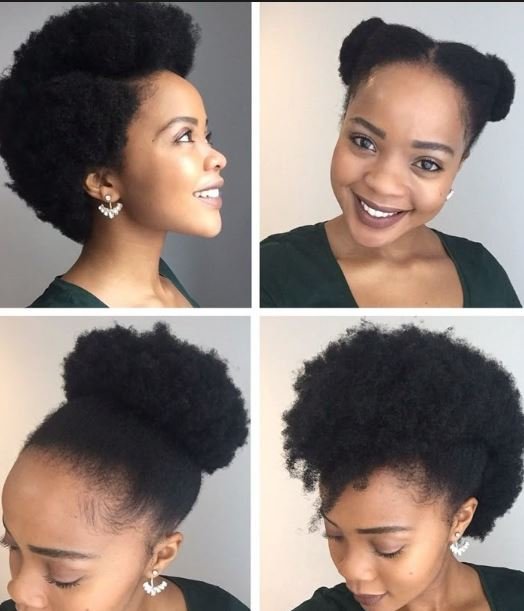
Choose hairstyles that reduce daily manipulation while keeping the hair protected.
Popular weekly styles include:
- Twist-outs
- Braid-outs
- Mini twists
- High puffs
- Flat twists
- Protective buns
Avoid styles that pull tightly around the hairline, as excessive tension can lead to breakage and thinning edges.
Monthly 4C Hair Routine
Monthly treatments help maintain long-term hair health by addressing issues that weekly routines may not fully resolve. These treatments focus on removing stubborn buildup, strengthening the hair, monitoring scalp health, and preventing split ends.
Including monthly maintenance in your routine improves moisture retention and supports healthier hair growth over time.
Clarifying to Remove Product Buildup
Styling creams, oils, gels, and environmental pollutants gradually accumulate on the hair and scalp.
Use a clarifying shampoo about once a month to:
- Remove stubborn buildup
- Refresh the scalp
- Improve product absorption
- Restore hair softness
If you use heavy styling products regularly, you may need to clarify slightly more often.
Protein Treatments for Stronger Hair
Protein strengthens weak hair by temporarily reinforcing damaged areas of the hair shaft.
Protein treatments are especially helpful if your hair:
- Feels overly soft
- Breaks easily
- Stretches excessively before snapping
- Has been heat styled or chemically treated
After a protein treatment, always follow with a moisturizing conditioner to restore balance.
Trimming Split Ends
Split ends cannot repair themselves. Regular trims prevent damage from traveling farther up the hair shaft.
Benefits of trimming include:
- Less breakage
- Easier detangling
- Healthier-looking ends
- Better length retention
Inspect your ends monthly and trim when necessary, typically every 8–12 weeks.
Scalp Assessment and Hair Progress
Take time each month to evaluate your hair and scalp.
Check for:
- Excessive shedding
- Dryness
- Itching
- Product buildup
- Changes in moisture retention
- Hair growth progress
Tracking your hair’s condition helps you make adjustments before small issues become larger problems.
Updating Your Routine by Season
Your 4C hair routine should evolve throughout the year as environmental conditions change.
- Spring: Increase moisture as humidity rises.
- Summer: Cleanse the scalp more frequently if sweating increases.
- Autumn: Add richer moisturizers as the air becomes drier.
- Winter: Focus on sealing moisture and protecting the hair from cold, dry conditions.
Making seasonal adjustments keeps your hair healthy regardless of the weather.
Moisturizing Routine for 4C Hair
Moisture is the foundation of every healthy 4C hair routine. Because tightly coiled strands make it difficult for natural scalp oils to travel from the roots to the ends, Type 4C hair loses moisture more quickly than straighter hair types. A proper moisturizing routine keeps the hair soft, improves elasticity, reduces breakage, and supports long-term length retention.
The key is to hydrate the hair with water-based products first, then seal that moisture to slow water loss.
The LOC Method
The LOC Method stands for:
- L – Leave-In Conditioner
- O – Oil
- C – Cream
This method starts by applying a leave-in conditioner to damp hair, followed by an oil to lock in hydration, and finishes with a moisturizing cream.
The LOC method works well for many people with medium- to high-porosity hair because it helps reduce moisture loss throughout the week.
Best Practices
- Apply products to damp, not soaking wet, hair.
- Work in small sections for even coverage.
- Use lightweight oils to avoid buildup.
- Adjust product amounts based on your hair density.
The LCO Method
The LCO Method changes the order of application:
- L – Leave-In Conditioner
- C – Cream
- O – Oil
Applying cream before oil allows the moisturizer to hydrate the hair more effectively, while the oil forms a protective barrier that helps seal everything in.
Many people with low-porosity 4C hair find the LCO method works better because it reduces the feeling of heavy product buildup.
Benefits of the LCO Method
- Improves moisture retention
- Leaves hair feeling softer
- Reduces product buildup
- Works well for fine strands
Choosing the Right Moisturizers
Not every moisturizing product works the same for every hair type. The best choice depends on your hair’s porosity, strand thickness, and climate.
Look for moisturizers containing ingredients such as:
- Aloe vera
- Glycerin
- Panthenol
- Honey
- Marshmallow root extract
Avoid relying on oils alone. Oils help seal moisture, but they cannot hydrate dry hair without water or a water-based product underneath.
Best Oils and Butters for Sealing
After moisturizing, apply an oil or butter to reduce moisture loss and protect the hair shaft.
| Hair Type or Need | Recommended Sealant |
|---|---|
| Low Porosity | Jojoba oil, argan oil, grapeseed oil |
| Medium Porosity | Sweet almond oil, avocado oil |
| High Porosity | Castor oil, shea butter, mango butter |
Use heavier sealants sparingly to prevent excessive buildup.
Signs Your Hair Needs More Moisture
Your hair often tells you when it needs hydration.
Common signs include:
- Dry or rough texture
- Dull appearance
- Increased tangles
- Excessive frizz
- Difficulty styling
- Frequent breakage
If you notice these signs, refresh your hair with water and a leave-in conditioner before adding more oils or creams.
Styling Routine for Healthy 4C Hair
A healthy styling routine protects your hair while minimizing manipulation. The best hairstyles maintain moisture, reduce tangles, and place minimal tension on the scalp and hairline.
Changing styles regularly also helps prevent stress on the same sections of hair.
Wash-and-Go Routine
A wash-and-go allows your natural coils to remain visible while keeping the routine simple.
To create a successful wash-and-go:
- Wash and deep condition your hair.
- Apply leave-in conditioner.
- Work in a curl cream or styling gel section by section.
- Allow the hair to air dry or diffuse on low heat.
A wash-and-go works best on freshly cleansed, well-moisturized hair.
Twist-Out and Braid-Out Routine
Twist-outs and braid-outs stretch the hair while creating defined curls and reducing shrinkage.
For the best results:
- Start with damp hair.
- Apply a moisturizing styling cream.
- Create even twists or braids.
- Allow the hair to dry completely.
- Separate gently with lightly oiled fingers.
These styles often last several days with proper nighttime protection.
Protective Styling Schedule
Protective styles reduce daily manipulation and help improve length retention.
A balanced schedule might look like this:
- Week 1–2: Mini twists or flat twists
- Week 3–6: Box braids or knotless braids
- Wash and deep condition after removing protective styles
- Allow the hair to rest before reinstalling extensions
Avoid wearing protective styles continuously without giving your natural hair time to recover.
Low-Manipulation Hairstyles
Low-manipulation styles require minimal daily handling, reducing friction and breakage.
Popular options include:
- High puff
- Low puff
- Flat twists
- Mini twists
- Loose buns
- Afro
These styles make it easier to maintain moisture while protecting the ends.
Heat Styling Safely
Occasional heat styling is possible, but excessive heat may permanently loosen the natural curl pattern.
To minimize damage:
- Always apply a heat protectant.
- Use the lowest effective temperature.
- Limit repeated passes with flat irons.
- Deep condition after heat styling.
Using heat only occasionally helps preserve your natural Type 4C texture.
Products Needed for a Complete 4C Hair Routine
Using the right products is just as important as following the right routine. Rather than buying every trending product, choose products that match your hair’s needs and work together to keep your hair moisturized and healthy.
A complete routine usually requires only a few essential products.
Sulfate-Free Shampoo
A sulfate-free shampoo cleanses the scalp without removing too much natural moisture.
Look for shampoos that:
- Remove buildup effectively
- Leave the hair soft
- Maintain moisture balance
- Work well with natural hair
Clarify monthly if you frequently use heavy styling products.
Moisturizing and Deep Conditioners
Conditioners restore hydration after cleansing and improve manageability.
Deep conditioners should contain ingredients such as:
- Shea butter
- Aloe vera
- Coconut oil
- Avocado oil
- Hydrolyzed proteins
Weekly deep conditioning improves elasticity and reduces breakage.
Leave-In Conditioners and Curl Creams
Leave-in conditioners provide ongoing hydration, while curl creams improve softness and definition.
Together they help:
- Reduce frizz
- Improve manageability
- Support moisture retention
- Make styling easier
Apply these products to damp hair for the best results.
Hair Oils, Butters, and Styling Gels
These products complete the routine by sealing moisture and helping styles last longer.
Common options include:
- Jojoba oil
- Argan oil
- Castor oil
- Shea butter
- Mango butter
- Flaxseed gel
- Curl-defining gel
Use only the amount needed to avoid heavy buildup.
Essential Hair Tools and Accessories
The right tools make hair care easier while reducing unnecessary damage.
Helpful tools include:
- Wide-tooth comb
- Detangling brush
- Spray bottle
- Satin bonnet
- Satin scarf
- Silk pillowcase
- Microfiber towel
- Sectioning clips
Choosing gentle tools helps protect the hair during washing, styling, and daily maintenance.
Common 4C Hair Routine Mistakes to Avoid
Even with a consistent hair care routine, certain habits can prevent your 4C hair from reaching its full potential. Many issues, including dryness, breakage, and poor length retention, are often caused by improper care rather than the hair type itself. Understanding these common mistakes allows you to adjust your routine and maintain healthier, stronger, and more manageable hair over time.
Overwashing or Underwashing
Maintaining the right washing schedule is essential for keeping both your scalp and hair healthy. Washing too frequently can strip away the natural oils that help protect the hair, leaving it dry and fragile. On the other hand, waiting too long between washes allows dirt, sweat, and styling products to accumulate on the scalp, reducing the effectiveness of moisturizing products. Most people with 4C hair achieve the best results by washing every one to two weeks and using a clarifying shampoo once a month to remove stubborn buildup.
Skipping Deep Conditioning
Deep conditioning is one of the most beneficial steps in a 4C hair routine because it restores moisture, improves elasticity, and strengthens the hair after cleansing. Skipping this treatment regularly can cause the hair to become dry, difficult to detangle, and more prone to breakage. Making deep conditioning a weekly habit helps maintain softness, improves manageability, and supports healthier hair over the long term.
Product Buildup From Heavy Oils
Using oils and butters can help seal moisture into the hair, but applying them repeatedly without properly cleansing the scalp often creates heavy buildup. When too much residue collects on the hair, moisture has difficulty penetrating the hair shaft, causing the hair to feel coated, dull, and difficult to style. Instead of continuously adding more products, cleanse the hair regularly and apply only the amount of oil or butter needed to maintain hydration.
Excessive Heat and Tight Hairstyles
Frequent use of flat irons, blow dryers, and tightly pulled hairstyles places unnecessary stress on 4C hair. High temperatures can permanently weaken the hair’s natural curl pattern, while excessive tension around the hairline may contribute to thinning edges and breakage. Limiting heat styling, using a heat protectant when necessary, and choosing protective styles that do not pull tightly on the scalp help preserve both the health of the hair and its natural texture.
Inconsistent Hair Care Routine
Healthy 4C hair develops through consistency rather than constantly trying new products. Frequently changing routines or skipping important steps such as moisturizing or deep conditioning often prevents the hair from maintaining a healthy moisture balance. Following a simple routine consistently allows the hair to become stronger, retain more length, and remain easier to manage throughout the year.
Frequently Asked Questions About a 4C Hair Routine
Many people beginning a natural hair journey have similar questions about washing frequency, moisturizing, products, and hair growth. The answers below address the most common concerns and provide practical guidance for building a routine that supports healthy Type 4C hair.
How often should you wash 4C hair?
Most people with 4C hair should wash their hair every seven to fourteen days using a moisturizing, sulfate-free shampoo. This schedule removes dirt and product buildup while helping the hair retain its natural moisture. If you exercise regularly, sweat heavily, or frequently use styling products, you may need to cleanse your scalp more often. A clarifying shampoo once each month also helps keep the scalp clean and improves the performance of moisturizing products.
What is the best daily routine for 4C hair?
A daily 4C hair routine should focus on preserving moisture instead of restyling the hair repeatedly. Lightly misting the hair with water, applying a small amount of leave-in conditioner when needed, and wearing low-manipulation hairstyles help reduce breakage throughout the day. At night, protecting the hair with a satin bonnet or sleeping on a silk pillowcase minimizes friction and helps preserve moisture until the next morning.
How often should you moisturize 4C hair?
The ideal moisturizing schedule depends on your hair’s porosity, climate, and lifestyle, but most people benefit from refreshing their hair every two to four days. Water or a water-based leave-in conditioner should always be applied before sealing with an oil or butter. Paying special attention to the ends of the hair helps prevent dryness because they are usually the oldest and most fragile part of each strand.
What products are essential for a 4C hair routine?
A complete 4C hair routine requires only a few essential products rather than an extensive collection. A gentle sulfate-free shampoo, moisturizing conditioner, deep conditioner, leave-in conditioner, curl cream, sealing oil or butter, and a heat protectant for occasional heat styling provide everything needed to maintain healthy hair. Choosing products based on your hair’s porosity and moisture needs is generally more effective than following product trends.
How can you retain length with a 4C hair routine?
Retaining length is primarily about reducing breakage rather than increasing the speed of hair growth. Consistently moisturizing the hair, deep conditioning every week, detangling gently, wearing protective or low-manipulation hairstyles, and trimming split ends before they worsen all contribute to healthier length retention. With patience and a consistent routine, Type 4C hair can remain strong, hydrated, and continue retaining more of its natural growth over time.

- Temporary Hair Color Spray: Application, Longevity, and Removal - September 22, 2026
- 10 Best Washable Hair Dye Sprays for Dark Hair That Actually Show Up - September 22, 2026
- Washable Hair Dye Spray vs. Hair Chalk: Which Is Better? - September 22, 2026