DIY Deep Conditioner for 4B Hair: Moisture, Strength, and Curl Definition
4B and 4C hair types represent some of the most beautiful, unique, and textured hair on the planet.
However, these tightly coiled and coily hair types have specific needs that differ significantly from straight, wavy, or loose curl patterns.
The natural structure of 4B and 4C hair makes it more prone to dryness, breakage, and damage if not properly cared for. Many commercial deep conditioners are not formulated specifically for these hair textures and often leave hair feeling dry, stiff, or weighed down.
Creating homemade organic deep conditioners specifically designed for 4B and 4C hair offers the perfect solution delivering intense moisture, protein restoration, and curl definition that these hair types desperately need. This comprehensive guide explores everything necessary to understand, create, and use the best organic deep conditioning treatments for 4B and 4C hair.
1. 4B and 4C Hair Texture and Their Unique Needs

Before creating effective deep conditioners, it’s essential to understand what makes 4B and 4C hair unique.
The Structure and Characteristics of 4B Hair
4B hair features tightly coiled curls with a texture that resembles a “Z” or spring-like pattern when stretched. These coils are tighter than 4A curls but slightly more defined than 4C curls. The hair is naturally textured, dense, and has significant volume. 4B hair strands have a smaller diameter than straighter hair types, making them more fragile and prone to breakage. The tight curl pattern means that natural oils from the scalp (sebum) have difficulty traveling down the hair shaft to the ends, leaving the hair naturally drier than other types. 4B hair often requires more moisture, protein balance, and specialized care than most commercial products provide.
The Structure and Characteristics of 4C Hair
4C hair features extremely tight, coily curls that form tight spirals or “Z” patterns. This is the tightest curl pattern in the hair typing system. The hair has the smallest diameter of any hair type, making it delicate and prone to breakage. 4C hair often displays less defined curl definition than 4B, with shrinkage that can reach 75% or more—what appears to be 12 inches of hair might actually be 3 inches curled. The density is high, with significant volume potential. Like 4B hair, natural oils struggle to reach the ends, making moisture retention extremely challenging. 4C hair requires intensive, targeted care specifically formulated for its unique needs.
Why 4B and 4C Hair Requires Specialized Deep Conditioning
Commercial deep conditioners often fail 4B and 4C hair because they’re typically formulated for looser curl patterns or straight hair. Many contain silicones that coat the hair but don’t penetrate, leaving curls feeling heavy and stiff. Some commercial products have heavy butters or thick formulations that cause weighing down. Many lack sufficient moisture for the dryness these hair types experience. 4B and 4C hair needs deep conditioning with intense hydration, protein balance, curl definition support, and lightweight formulations that don’t flatten curls. Homemade organic deep conditioners allow customization specifically for these requirements.
The Moisture-Protein Balance for Curly Textured Hair
4B and 4C hair requires careful balance between moisture and protein. Moisture alone leaves curls soft but weak, prone to breakage. Protein alone leaves curls stiff and brittle. The optimal balance depends on your individual hair’s needs, porosity, and recent history. Generally, 4B and 4C hair benefits from moisture-heavy treatments 2-3 times weekly and protein treatments weekly or every two weeks. Listening to your hair and adjusting based on how it feels is crucial. When curls feel droopy and lack definition, increase protein. When curls feel stiff or crunchy, increase moisture. Finding this balance transforms curl health dramatically.
2. Essential Organic Ingredients Specifically for 4B and 4C Hair
Creating effective deep conditioners for 4B and 4C hair requires understanding which ingredients provide maximum benefit.
Moisture-Rich Carrier Oils for Curl Penetration
Certain oils penetrate 4B and 4C hair more effectively than others due to molecular weight and structure. Coconut oil is exceptional for this hair type its medium-chain fatty acids penetrate easily and provide protein-like conditioning. Castor oil is incredibly moisturizing and has a viscosity that works well for curl definition. Shea butter is luxurious, moisturizing, and perfect for curl clumping. Argan oil is lightweight enough to penetrate without heaviness. Jojoba oil closely mimics natural sebum and doesn’t weigh curls down. Almond oil provides nourishing moisture. Sesame oil is warming and deeply conditioning. Black seed oil (nigella sativa oil) is exceptional for scalp health and curl strength. Avocado oil provides deep nourishment. Camellia oil adds shine without greasiness.
Protein Sources for Strengthening Coils
4B and 4C hair requires protein to prevent breakage and maintain curl strength. Egg yolks provide potent natural protein and natural oils. Greek yogurt offers protein plus probiotics for scalp health. Coconut milk contains plant proteins and natural fats. Aloe vera contains amino acids that strengthen hair. Honey provides amino acids and acts as a humectant. Mayonnaise (egg-based) offers intensive protein and moisture. Mashed avocado provides protein and healthy fats. Black-eyed pea flour provides plant-based protein. Chickpea flour offers protein and conditioning. These protein sources are essential for preventing breakage in delicate 4B and 4C strands.
Hydrating and Humectant-Rich Ingredients
Humectants draw moisture from the air and deeper scalp layers into the hair. Aloe vera gel is exceptional for 4B and 4C hair, providing hydration and slip. Honey naturally humectant-rich and conditioning. Glycerin draws moisture into hair (use cautiously in dry climates where it draws moisture from hair instead). Rose water provides light hydration and pleasant scent. Coconut water provides electrolytes and hydration. Vegetable glycerin is a powerful humectant. Agave nectar provides natural sweetness and humectant properties. These ingredients ensure your curls stay moisturized throughout the day.
Specialty Ingredients for Curl Definition and Anti-Frizz
Beyond basic conditioning, certain ingredients specifically enhance curl definition and reduce frizz. Flaxseed gel creates natural hold and definition. Aloe vera provides slip for curl clumping. Shea butter helps curls clump and defines curl pattern. Avocado provides natural hold. Honey adds hold and shine. Coconut oil improves curl pattern definition. These ingredients help you achieve defined, bouncy curls rather than frizzy, undefined texture.
3. The Science of How Deep Conditioning Works on 4B and 4C Hair
Understanding the mechanism helps you appreciate why these treatments work.
How Moisture Penetrates Tight Curl Structures
4B and 4C hair’s tight curl pattern creates challenges for moisture penetration. The cuticles of coily hair naturally stand up more than straighter hair, creating spaces where moisture can penetrate. However, the tightness of the curls means moisture can also get trapped, requiring specific application techniques. Deep conditioning works by allowing water and oil molecules time to penetrate into the cortex. The longer conditioning treatments sit, the deeper they penetrate. Heat gently opens cuticles, allowing deeper penetration. Proper application ensures moisture reaches curls rather than just coating the surface.
Protein Deposition and Strengthening Mechanisms
When proteins are applied to 4B and 4C hair, they fill microscopic gaps where the hair structure is compromised. Proteins form bonds with existing hair proteins, essentially adding strength to the hair shaft. This deposition is temporary—proteins wash away with shampooing—but repeated applications strengthen hair significantly over time. This is why consistent protein treatments are crucial for 4B and 4C hair, which is naturally more prone to breakage.
Curl Clumping and Definition Enhancement
One unique benefit of deep conditioning 4B and 4C hair is improved curl clumping—where individual curls group together forming more defined curl patterns. Certain ingredients (aloe vera, flaxseed gel, shea butter) facilitate this clumping. When curls clump together, they appear shinier, bouncier, and more defined. This is purely a cosmetic benefit but significantly impacts hair appearance and manageability.
Scalp Health and Its Connection to Curl Health
A healthy scalp produces healthy curls. 4B and 4C hair is particularly sensitive to scalp issues because natural oils don’t travel easily down the hair shaft. Deep conditioning that includes scalp-focused ingredients (aloe, tea tree, black seed oil) supports a healthy scalp environment. This is crucial because scalp inflammation, dandruff, or irritation directly impacts curl health.
4. Best Homemade Deep Conditioner Recipes for 4B and 4C Hair
These recipes are specifically formulated for tightly coiled and coily hair types.
Recipe 1: Ultimate 4B/4C Moisture Deep Conditioner
This is the go-to recipe for maximum hydration and curl definition.
Ingredients:
- 1/4 cup raw shea butter (curl definition and moisture)
- 2 tablespoons coconut oil (penetration and protein)
- 2 tablespoons castor oil (intense moisture)
- 1/4 cup aloe vera gel (hydration and slip)
- 2 tablespoons raw honey (humectant and conditioning)
- 1 tablespoon coconut milk (protein and creaminess)
- 5 drops rose essential oil (fragrance)
- Optional: 1/2 teaspoon flaxseed gel (additional hold)
Instructions:
- Gently warm shea butter, coconut oil, and castor oil together in double boiler
- Remove from heat and allow to cool slightly
- Mix aloe vera gel and honey together thoroughly
- Slowly add oil mixture to aloe-honey mixture while stirring constantly
- Add coconut milk gradually
- Add essential oil and optional flaxseed gel
- Stir until smooth, creamy consistency
- Allow to cool completely and thicken
- Store in glass container with tight-fitting lid
- Shake well before each use
Best For: 4B and 4C hair needing maximum moisture and curl definition. Use 1-2 times weekly for 20-30 minutes.
Recipe 2: Protein-Rich Strengthening Conditioner for 4B/4C Hair
For preventing breakage and strengthening delicate strands.
Ingredients:
- 2 egg yolks (intensive protein)
- 1/4 cup Greek yogurt (protein and probiotics)
- 2 tablespoons coconut oil (protein penetration)
- 2 tablespoons almond oil (nourishment)
- 1/4 cup aloe vera gel (hydration and slip)
- 2 tablespoons raw honey (amino acids)
- 1 tablespoon mashed avocado (protein and healthy fats)
- 3 drops rosemary essential oil (circulation stimulation)
Instructions:
- Whisk egg yolks thoroughly to prevent lumps
- Mix Greek yogurt with aloe vera gel
- Gently combine whisked egg with yogurt mixture
- Warm coconut oil and almond oil together
- Mix honey and mashed avocado
- Slowly combine oil mixture with egg-yogurt mixture
- Add honey-avocado combination
- Add rosemary essential oil
- Stir until well blended
- Store in refrigerator and use within one week
Best For: 4B and 4C hair experiencing breakage or needing strengthening. Use weekly for 30-45 minutes.
Recipe 3: Lightweight Curl Definition Conditioner
For enhanced curl definition without heaviness.
Ingredients:
- 2 tablespoons castor oil (definition and moisture)
- 2 tablespoons coconut oil (penetration)
- 1/2 cup aloe vera gel (hydration and slip)
- 1/4 cup flaxseed gel (natural hold and definition)
- 2 tablespoons raw honey (hold and shine)
- 1 tablespoon coconut milk (creaminess)
- 2 drops lavender essential oil (fragrance)
- 1 tablespoon vegetable glycerin (humectant)
Instructions:
- Mix aloe vera gel with coconut milk thoroughly
- Add flaxseed gel and stir well
- Add vegetable glycerin and honey
- Warm castor oil and coconut oil together
- Slowly combine oils with aloe-flaxseed mixture
- Add lavender essential oil
- Stir until smooth consistency
- Store in glass container
- Shake well before use
Best For: 4B and 4C hair desiring curl definition without weighing down. Use 1-2 times weekly for 15-20 minutes.
Recipe 4: Black Seed Oil Scalp-Health Conditioner
For addressing scalp issues while conditioning curls.
Ingredients:
- 2 tablespoons black seed oil (scalp health and strength)
- 2 tablespoons coconut oil (conditioning)
- 1/4 cup aloe vera gel (healing and hydration)
- 2 tablespoons raw honey (soothing)
- 1 tablespoon apple cider vinegar (pH balance)
- 1/4 cup chamomile tea (brewed and cooled, soothing)
- 2 drops tea tree oil (scalp health, use cautiously)
- 1 tablespoon coconut milk (conditioning)
Instructions:
- Brew chamomile tea and allow to cool completely
- Mix cooled tea with aloe vera gel
- Add honey and apple cider vinegar
- Add coconut milk
- Warm black seed oil and coconut oil together
- Slowly combine oil mixture with tea-aloe mixture
- Add tea tree oil carefully (very small amount)
- Stir thoroughly until well blended
- Store in glass bottle
- Apply with focus on scalp and throughout hair
Best For: 4B and 4C hair with scalp issues or needing scalp health support. Use weekly for 20-30 minutes.
Recipe 5: Intensive Moisture Mask for Very Dry 4B/4C Hair
For severely dry, dehydrated curls needing emergency moisture.
Ingredients:
- 1/4 cup raw shea butter (intense moisture)
- 3 tablespoons castor oil (deep penetration)
- 2 tablespoons coconut oil (protein and moisture)
- 1/4 cup thick coconut milk (protein and creaminess)
- 1/4 cup aloe vera gel (hydration)
- 3 tablespoons raw honey (humectant and conditioning)
- 1 tablespoon mashed avocado (nourishment)
- 1/2 tablespoon vegetable glycerin (additional humectant)
Instructions:
- Gently warm shea butter, castor oil, and coconut oil
- Remove from heat to cool slightly
- Mix aloe vera gel with honey thoroughly
- Add coconut milk and glycerin
- Slowly combine oil mixture with aloe mixture
- Mash avocado and add to mixture
- Stir until thick, creamy consistency
- Allow to cool
- Store in glass jar
- Use as intensive 30-45 minute treatment or overnight
Best For: Very dry, dehydrated 4B and 4C hair. Use weekly or as needed for 30-45 minutes, or overnight weekly.
5. Application Techniques Specific to 4B and 4C Hair

How you apply deep conditioner significantly impacts effectiveness.
Preparation and Sectioning Strategy
Proper preparation ensures even application. Start with clean hair, either freshly shampooed or with dry shampoo to remove excess oil. Detangle thoroughly with a wide-tooth comb or fingers to remove knots that would trap conditioner unevenly. Section hair into 6-8 manageable sections using clips or bands. This ensures every section receives adequate conditioner application. For 4B and 4C hair, smaller sections ensure better coverage than larger sections would. Take your time with this step—proper sectioning makes the entire conditioning process more effective.
Preparation Steps:
- Start with clean, detangled hair
- Section into 6-8 manageable parts
- Use clips or bands to secure sections
- Work methodically section by section
- Ensure even coverage throughout
- Never rush the application process
- Take care to reach the scalp area
Applying Conditioner for Maximum Penetration
With hair sectioned, apply conditioner using the “praying hands” method for curly hair. Take a small amount of conditioner between your palms and gently squeeze it through one section, pressing upward to encourage curl clumping. Work from roots to ends, ensuring all hair in that section receives conditioner. For 4B and 4C hair specifically, you can use a bit more conditioner than for looser curls since these textures require more to achieve full saturation. Apply more generously to ends, which are usually driest. Pay special attention to the back of the head, which often gets less conditioner naturally.
Application Method:
- Use praying hands method for curl clumping
- Press upward to encourage curl definition
- Apply from roots to ends
- Use generous amounts for thick, coily hair
- Extra focus on the ends
- Work methodically through each section
- Ensure complete saturation
Timing and Heat Acceleration Techniques
Leave your deep conditioner on for at least 15-20 minutes for basic conditioning, 30-45 minutes for intensive treatments. Apply gentle heat to accelerate penetration. Wrap hair in a warm (not hot) towel or use a plastic conditioning cap under a warm towel. Alternatively, sit under a warm shower without shampooing. Some people use a steamer or hooded dryer on low heat. The warmth opens cuticles slightly and helps ingredients penetrate more deeply. Heat can be applied for the entire treatment duration or just the first 15 minutes, then left on without heat. Overnight treatments (sleeping with conditioner in a satin bonnet or cap) also work well.
Timing Guidelines:
- Minimum: 15-20 minutes
- Standard: 20-30 minutes
- Intensive: 30-45 minutes
- Overnight: 6-8 hours (in bonnet)
- Apply gentle heat initially
- Wrap in warm towel or cap
- Can use steamer or warm shower
- Never use hot heat (damaging)
Removal and Rinsing Protocol
Proper rinsing is crucial to avoid leaving residue. Rinse thoroughly with warm (not hot) water, working your fingers gently through curls to remove conditioner. You can use a wide-tooth comb gently during rinsing to help remove product. Some people rinse multiple times to ensure complete removal. For very thick formulations, a second water rinse after shampooing may be necessary. Follow with a cool water rinse at the very end—this seals cuticles and adds shine. The cool rinse is particularly important for 4B and 4C hair as it enhances curl definition.
Rinsing Steps:
- Use warm (not hot) water
- Work fingers gently through curls
- Can use wide-tooth comb during rinse
- Rinse multiple times if needed
- Be thorough to avoid residue
- Final cool water rinse is essential
- Cool rinse enhances curl definition
- Pat dry gently (avoid vigorous rubbing)
6. Understanding Porosity and How It Affects Deep Conditioning
Porosity determines how well your hair absorbs and retains moisture.
What Is Hair Porosity and How to Test Yours
Porosity refers to your hair’s ability to absorb and retain moisture. Low porosity hair has tightly sealed cuticles that repel water and products. Medium porosity hair has balanced cuticles that absorb and retain moisture well. High porosity hair has open cuticles that absorb moisture quickly but struggle to retain it. To test porosity, drop a strand of clean, dry hair into a glass of water. Hair that floats is likely low porosity. Hair that sinks is likely high porosity. Hair that suspends in the middle is medium porosity. Most 4B and 4C hair is high porosity, though some can be medium or low porosity.
Customizing Deep Conditioning for Your Porosity Level
If you have low porosity 4B/4C hair, use lighter oils, less conditioning time, and more heat to help products penetrate. Focus on moisture rather than heavy butters. If you have medium porosity, your standard recipes work well as provided. If you have high porosity, focus on protein-moisture balance, use heavier butters and oils, and extend conditioning time. High porosity hair benefits from leave-in conditioning after deep conditioning. Understanding your porosity allows customization for optimal results.
Porosity-Specific Adjustments:
- Low porosity: lighter oils, more heat, shorter time
- Medium porosity: recipes as provided
- High porosity: heavier butters, longer time, extra protein
- High porosity: add leave-in conditioner after
- Test regularly as porosity can change
How Climate Affects Porosity and Conditioning Needs
Humidity affects how open cuticles are. High humidity opens cuticles, making them absorb moisture more readily. Low humidity closes cuticles, making absorption harder. During humid seasons, you may need less intense conditioning. During dry seasons, more intensive conditioning becomes necessary. If you travel between climates, adjust your conditioning routine. Dry winter climates require heavier conditioning than humid summers typically need.
Climate Adjustments:
- High humidity: lighter conditioning
- Low humidity: heavier conditioning
- Travel: adjust for new climate
- Seasonal changes: adapt routine
- Test hair and adjust as needed
7. Comparing Homemade vs. Commercial Deep Conditioners for 4B/4C Hair
Understanding the differences justifies the effort of making your own.
| Factor | Homemade Conditioner | Commercial 4B/4C Product | Winner |
|---|---|---|---|
| Cost | $2-5 per batch | $12-35 per bottle | Homemade |
| Ingredient Control | Complete | Limited | Homemade |
| Natural Ingredients | 100% possible | Often synthetic | Homemade |
| Customization | Fully customizable | Pre-formulated | Homemade |
| Curl Definition Results | Excellent | Good to moderate | Homemade |
| Moisture Retention | Deep, lasting | Surface coating | Homemade |
| Protein Balance | Adjustable | Fixed ratio | Homemade |
| Ingredient Buildup | Minimal | Often accumulates | Homemade |
| Frizz Control | Excellent | Good | Homemade |
| Scalp Health | Supports | Often irritates | Homemade |
| Preparation Time | 10-15 minutes | None (ready-made) | Commercial |
| Shelf Life | 2-4 weeks | 1-2 years | Commercial |
| Environmental Impact | Minimal | Plastic waste | Homemade |
Why Homemade Conditioners Are Superior for Curly Hair
Commercial conditioners formulated for 4B and 4C hair often contain ingredients that either weigh curls down or fail to provide adequate moisture. Many use silicones that coat hair temporarily but prevent genuine moisture penetration. Homemade conditioners allow you to customize the exact moisture-protein balance your curls need. You control all ingredients, eliminating anything you wish to avoid. Most importantly, homemade conditioners work with your hair’s natural biology rather than against it. Results improve continuously as your curls become healthier.
When Commercial Products Might Be Useful
Commercial products offer convenience—they’re ready to use without preparation. Some people prefer the consistency or fragrance of commercial products. For travel, commercial products offer portability. If you’re unwilling to dedicate 10-15 minutes weekly to preparation, commercial products provide an easier alternative. However, for truly optimal 4B and 4C hair health, homemade solutions deliver superior results.
Creating a Hybrid Approach
Many people use homemade deep conditioner 1-2 times weekly with occasional commercial products for convenience. This hybrid approach provides benefits of both while maintaining flexibility. Ensure products don’t conflict—avoid applying silicone-heavy products over your natural conditioner, which would prevent absorption.
8. Frequency and Scheduling Your Deep Conditioning Routine
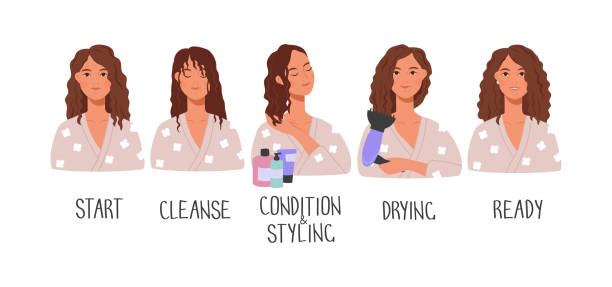
Consistency matters more than individual applications.
Recommended Weekly Deep Conditioning Schedule
For healthy 4B and 4C hair, deep conditioning 1-2 times weekly is optimal. Many people do one moisture-focused treatment and one protein treatment weekly. Others do moisture treatments 2 times weekly. Listen to your hair—if curls feel droopy and lack definition, increase protein. If they feel stiff or crunchy, increase moisture. Most 4B and 4C hair benefits from moisture-heavy treatments 2 times weekly and protein treatments every 2-3 weeks. Adjust based on your hair’s response.
Weekly Scheduling Examples:
- Option 1: Moisture twice weekly
- Option 2: Moisture once, protein once weekly
- Option 3: Moisture twice weekly, protein every 2 weeks
- Option 4: Alternating moisture/protein weekly
- Listen to hair and adjust
- More frequent is better than infrequent
Seasonal Variations in Conditioning Frequency
Summer humidity may allow slightly less frequent conditioning, though 4B and 4C hair usually needs consistent care regardless of season. Winter dryness requires more intensive conditioning. Spring and fall are transition seasons needing moderate approaches. Adjust frequency seasonally—potentially increase in winter, maintain or decrease slightly in summer. Many people notice their curl needs changing with seasons and adjust accordingly.
Seasonal Adjustments:
- Summer: can maintain 1-2 times weekly
- Fall: potentially increase to weekly
- Winter: increase frequency for dryness
- Spring: transition season, moderate frequency
- Track results and adjust as needed
Creating Consistency With a Designated Conditioning Day
Designate specific days for deep conditioning (like Monday and Thursday, or every Sunday). This ensures consistency and makes conditioning part of your routine. Consistency matters more than frequency—regular weekly conditioning outperforms sporadic intensive conditioning. Many people find designating a specific day makes conditioning easier to maintain long-term.
Consistency Tips:
- Choose specific days for conditioning
- Make it a routine, not a random task
- Set reminders if needed
- Prepare ingredients ahead
- Make it enjoyable self-care time
- Track your conditioning schedule
9. Building Your Organic Deep Conditioner Collection
Develop a rotation of formulas for different needs.
Creating Your Personal Formula Rotation
Rather than using one formula exclusively, develop a rotation of 2-3 favorite recipes. Many people rotate between moisture-focused and protein-focused treatments. Others rotate three formulas: lightweight, intensive moisture, and protein. This rotation prevents your curls from adapting to one formula and ensures comprehensive care. It also keeps conditioning interesting and allows customization based on how your curls feel that week.
Rotation Examples:
- 2-formula: moisture + protein
- 3-formula: lightweight + moisture + protein
- Seasonal: light summer + moderate fall + intensive winter
- As-needed: adjust based on curl response
- Keep detailed notes on results
Emergency Deep Conditioning Treatments for Damaged Curls
Sometimes curls need emergency intensive care. If curls feel very dry, weak, or damaged, use the most intensive formula available, apply heat, and leave on longer (30-45 minutes or overnight). You can do emergency conditioning more frequently than normal routine—up to 3-4 times weekly if curls are severely compromised. Once curls recover, return to regular schedule. Emergency conditioning prevents further damage and facilitates faster recovery.
Emergency Conditioning Protocol:
- Use most intensive formula available
- Apply moderate heat
- Leave on 30-45 minutes or overnight
- Can do 3-4 times weekly until improvement
- Monitor curl response closely
- Return to regular schedule once recovered
Seasonal Deep Conditioning Formulas
Adjust your formulas seasonally for optimal results. Summer formulas might be lighter and include more antioxidants for sun protection. Winter formulas should be heavier and more intensive for combating dryness. Fall and spring can use moderate formulas. Creating seasonal variations ensures your conditioning adapts to environmental changes affecting your curls.
Seasonal Formula Ideas:
- Summer: lightweight, antioxidant-rich, UV protection
- Fall: moderate, transitional formula
- Winter: intensive, heavy butters, extra moisture
- Spring: moderate, balancing formula
- Adjust oil ratios seasonally
10. Troubleshooting Common Deep Conditioning Issues for 4B/4C Hair

Even careful application sometimes leads to problems.
Product Buildup and How to Clarify
Buildup occurs when conditioner isn’t fully rinsed or accumulates from repeated applications. Signs include dull curls, reduced shine, loss of definition, and limp appearance. Prevent buildup through thorough rinsing. If buildup occurs, use a clarifying shampoo (sulfate-free) or dilute apple cider vinegar rinse. Mix 1 part apple cider vinegar with 3-4 parts water and rinse thoroughly. Do this once weekly if needed, then resume normal conditioning. After clarifying, use your next deep conditioning treatment to restore moisture.
Preventing and Treating Buildup:
- Rinse thoroughly after conditioning
- Use clarifying shampoo monthly if needed
- Apple cider vinegar rinse if buildup occurs
- Adjust amount of conditioner used
- Ensure complete rinsing
- Follow clarifying with deep conditioning
Curls Feeling Stiff or Crunchy
Stiff, crunchy curls indicate too much protein. Reduce protein frequency or switch to moisture-only treatments for a week or two. If using a protein treatment, reduce application time. Ensure you’re rinsing thoroughly—incomplete rinsing leaves protein residue that causes crunchiness. Once curls feel softer, you can resume regular protein schedule.
Solutions for Protein Overload:
- Switch to moisture-only treatments
- Reduce protein treatment frequency
- Reduce protein treatment duration
- Ensure thorough rinsing
- Can do moisture deep conditioning extra time
- Return to protein schedule once balanced
Droopy, Weak Curls Lacking Definition
Droopy curls lacking definition indicate insufficient protein. Increase protein frequency to every 5-7 days instead of every 2-3 weeks. Use protein-focused formulas. Ensure protein treatment sits long enough (20-30 minutes minimum) for deposition. Once curls regain strength and definition, return to normal protein schedule. This adjustment usually shows results within 2-3 treatments.
Solutions for Protein Deficiency:
- Increase protein treatment frequency
- Use protein-focused formulas
- Extend treatment time to 20-30 minutes
- Apply gentle heat
- Use curl-defining ingredients
- Monitor and adjust based on response
Hair Feeling Heavy or Weighed Down
Weighed down curls indicate too much product or formulas too heavy for your hair. Use less product—start with smaller amounts. Switch to lighter formulas with less shea butter and oils. Ensure you’re using appropriate amounts for your hair density and length. Fine, thin 4B/4C hair needs less product than dense, thick hair. If using recommended amounts feels heavy, your formula may be too rich for your hair type.
Solutions for Weighed Down Curls:
- Use less product (start small)
- Switch to lighter formulas
- Reduce oil and butter amounts
- Use lighter oils (jojoba, grapeseed)
- Ensure complete rinsing
- Increase moisture-only treatments temporarily
11. Advanced Techniques for Maximum Deep Conditioning Results

Once comfortable with basic conditioning, explore advanced approaches.
Heat Acceleration Methods
Apply gentle heat to significantly accelerate penetration. Wrap hair in a warm towel for the entire conditioning duration. Alternatively, apply heat for the first 15 minutes, then leave on without heat for remaining time. Use a steamer, hooded dryer on low, or sit in a warm (not hot) shower. Never use temperatures so hot they damage hair—warm, not hot, is the goal. Heat accelerates results dramatically, reducing 30-minute conditioning to 15-20 minutes while achieving similar penetration.
Heat Application Options:
- Warm towel wraps entire treatment
- Heat first 15 minutes, then leave without
- Steamer or hooded dryer on low
- Warm shower without shampooing
- Never use hot water (damaging)
- Check temperature with hand first
Overnight Deep Conditioning Treatments
Apply deep conditioner at night and sleep in it using a satin bonnet or cap to prevent staining pillowcases. This extended contact time allows maximum penetration without additional effort. Some people do overnight conditioning 1-2 times weekly. Use lighter formulas for overnight application to avoid excessive buildup. Overnight conditioning is particularly beneficial for very dry or damaged 4B and 4C hair.
Overnight Conditioning Protocol:
- Apply conditioner at night
- Use satin bonnet or cap
- Sleep 6-8 hours
- Shampoo in morning
- Can do weekly or twice weekly
- Use lighter formulas
- Perfect for busy schedules
Combining Deep Conditioning With Other Treatments
For maximum benefit, combine deep conditioning with other supportive treatments. After deep conditioning, apply a lightweight leave-in conditioner. Use a scalp treatment before deep conditioning to address scalp health. Get regular trims every 6-8 weeks to remove damaged ends. These practices amplify deep conditioning benefits significantly.
Complementary Treatments:
- Scalp treatment before conditioning
- Leave-in conditioner after
- Regular trims every 6-8 weeks
- Protective styling between conditioning
- Limited heat styling
- Protective products before heat
Creating Flaxseed Gel for Additional Hold and Definition
Flaxseed gel adds natural hold and helps curls clump and define. Boil 1 cup flaxseeds in water until mixture is thick and gel-like. Strain, cool, and store in refrigerator. Add to deep conditioner for enhanced curl definition. Flaxseed gel provides light hold similar to light gel without crunchiness or flaking. This DIY ingredient maximizes definition benefits.
Flaxseed Gel Recipe:
- Boil 1 cup flaxseeds in 3-4 cups water
- Simmer until thick and gel-like
- Strain through fine mesh
- Cool completely
- Store in refrigerator
- Add to conditioning recipes
- Use within 2 weeks
12. Creating a Sustainable Long-Term Deep Conditioning Routine

Making deep conditioning sustainable ensures consistent curl health.
Weekly Batch Preparation and Organization
Prepare your weekly deep conditioning batch on a consistent day (like Sunday evening). Set aside 15-20 minutes for preparation. Prepare 1-2 cups of conditioner and store in separate containers for backup. This ensures fresh product available consistently. Many people find weekly preparation meditative and enjoyable—it becomes part of their self-care ritual. Label containers with date and contents. Keep notes on which formulas work best.
Batch Preparation System:
- Choose consistent preparation day
- Allocate 15-20 minutes
- Prepare 1-2 cups per batch
- Store in multiple containers
- Label with date
- Keep detailed notes
- Make it enjoyable self-care time
Tracking Your Curls’ Response and Adjusting Accordingly
Monitor your curls’ appearance, texture, and feel. Take photos every 2-3 weeks in consistent lighting to document progress. Rate curls weekly on shine, definition, softness, and manageability. Note which formulas produce best results. Track seasonal changes and environmental impacts. Over time, you’ll develop deep understanding of what your curls need. This tracking system helps you continuously optimize your routine.
Tracking Method:
- Take monthly photos
- Rate curls weekly
- Note formula effectiveness
- Track seasonal changes
- Document environmental impacts
- Keep written records
- Adjust based on data
Preventing Future Damage While Maintaining Results
Once curls are healthy, prevent re-damaging through smart practices. Minimize heat styling or always use heat protectant products. Use gentle detangling methods. Avoid tight protective styles that cause tension. Get regular trims every 6-8 weeks. Protect curls from sun with hats or protective products. Minimize manipulation and rough handling. Sleep on satin pillowcases. These practices maintain your deep conditioning results long-term.
Damage Prevention Practices:
- Minimize heat styling
- Use heat protectant products
- Gentle detangling
- Avoid tension styles
- Regular trims every 6-8 weeks
- Sun protection
- Satin pillowcases
- Minimize manipulation
Building Community and Sharing Knowledge
Connect with other 4B and 4C curl enthusiasts through social media, forums, or local groups. Share your favorite recipes and results. Learn from others’ experiences and discoveries. Community support makes the journey more enjoyable and provides valuable knowledge. Many online communities dedicated to natural hair care can help troubleshoot issues and celebrate successes.
Community Engagement:
- Join online natural hair groups
- Share your recipes and results
- Learn from others’ experiences
- Celebrate curl journey together
- Get support and troubleshooting help
- Stay motivated and inspired
- Build lasting connections
Scaling and Adjusting for Life Changes
As your life changes, adjust your conditioning routine accordingly. When busy, use simpler recipes or less frequent conditioning. When you have more time, try advanced techniques or more frequent treatments. If traveling, prepare portable batches or use simpler formulas. If you experience stress, increase conditioning frequency as stress impacts curl health. Flexibility ensures your routine is sustainable long-term.
Scaling Guidelines:
- Busy periods: simplify routine
- Extra time: try advanced techniques
- Travel: use portable formulas
- Stress periods: increase conditioning
- Seasonal changes: adjust frequency
- Life changes: adapt routine
- Maintain consistency where possible
CONCLUSION
Creating homemade organic deep conditioners specifically formulated for 4B and 4C hair is one of the most transformative steps you can take for your curl health. These tightly coiled and coily hair types have unique needs that differ significantly from straighter textures. Commercial products often fail to meet these specific requirements, leaving curls dry, damaged, and undefined.
The recipes and techniques provided in this guide are specifically designed with 4B and 4C hair in mind. Each recipe emphasizes moisture, protein balance, curl definition, and scalp health. By understanding your hair’s unique characteristics—porosity, density, and sensitivity—you can customize these recipes for your individual curl pattern.
The journey to thriving 4B and 4C curls requires consistency, experimentation, and patience. Most people see noticeable improvement within 4-6 weeks of consistent deep conditioning. Dramatic transformation typically occurs within 3-4 months. Complete restoration of very damaged hair may take 6-12 months, but the process is visible from the start.
The financial case is compelling. Deep conditioning twice weekly costs just $2-5 weekly with homemade treatments versus $12-35 for commercial products. Over a year, you’ll save hundreds of dollars while achieving superior results. Beyond finances, you have complete control over ingredients, customization options, and environmental impact.
Most importantly, your 4B and 4C curls possess remarkable beauty and potential. They deserve care specifically formulated for their unique structure. Homemade organic deep conditioning allows you to provide exactly that care, celebrating and enhancing your natural curl pattern. Your curls will respond with increased shine, improved definition, reduced breakage, and the health and vitality they deserve.
Begin your curl journey today. Choose one recipe that appeals to you. Commit to consistent conditioning for 4 weeks. Track your results and adjust based on your curls’ response. Within months, you’ll see the transformation you’ve always desired. Your healthiest, most beautiful curls are absolutely achievable.
Your 4B and 4C curls are worth the investment. Celebrate them, nourish them, and watch them flourish.

- 7 Best Detangling Brushes for Curly Hair: Thick, Fine, Long & Natural Hair - September 25, 2026
- 5 Best Moisturizing Curl Defining Creams for Soft, Defined Curls - September 24, 2026
- Best Curl Creams for Straight Hair: 5 Top Picks for Women - September 24, 2026