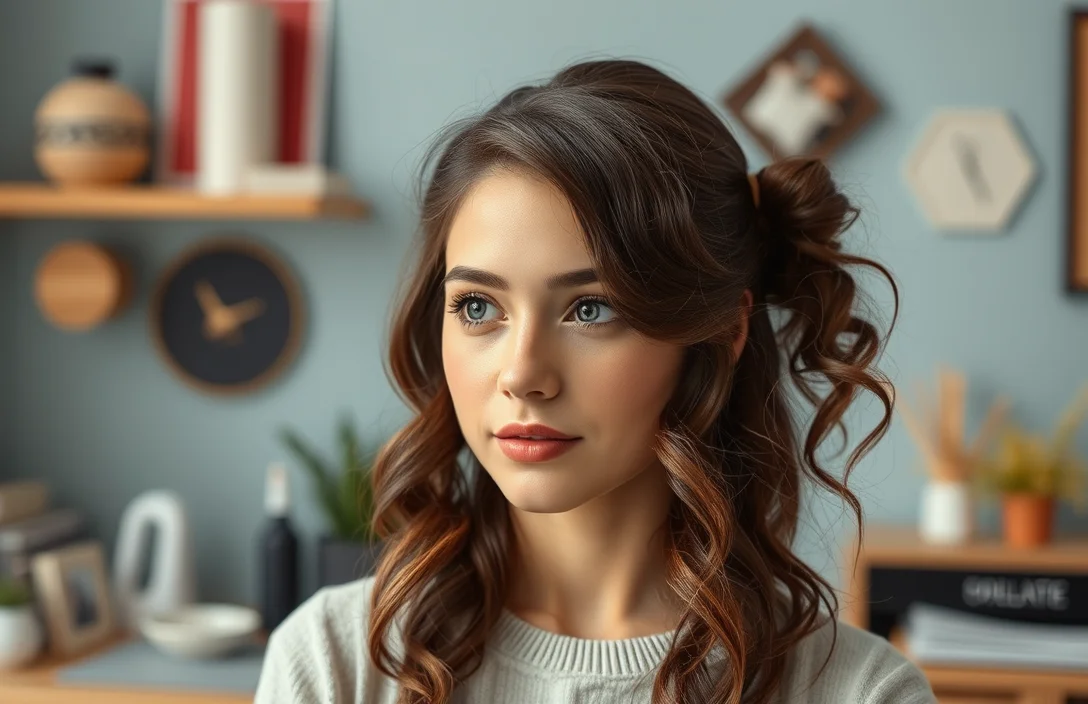
Transform Your Look: 5 Easy Hairstyles to Elevate Your Style
Sixty percent of people believe their hairstyle affects their overall confidence. This statistic highlights the profound impact that a well-chosen hairstyle can have on self-esteem and perception. Understanding how to style hair effectively can significantly enhance personal image and expression.
Gaining knowledge about hair types, face shapes, and styling techniques is essential. Learning the right products, tools, and methods allows anyone to create looks that suit their individual style and needs.
Essential Hairstyling Tools for Beginners
Comb brushes are essential for every hairstyling kit. These versatile tools help detangle hair and create smooth styles. A wide-tooth comb is particularly useful for wet hair, minimizing breakage. Invest in a sturdy comb to ensure longevity and effectiveness in styling.
Heat styling tools play a crucial role in achieving various hairstyles. Hair straighteners and curling irons provide the ability to create sleek or voluminous looks. Opt for tools with adjustable temperatures to protect hair from damage. Quality brands often feature ceramic or tourmaline plates for even heat distribution.
Hair dryers are indispensable for quick styling. A good-quality hair dryer with a diffuser attachment works well for both straight and curly hairstyles. Look for lightweight models with multiple heat settings for versatility. This tool can drastically reduce drying time and enhance your overall styling process.
Hair products, such as sprays, gels, and creams, are vital for finishing looks. These items provide hold, shine, and texture, allowing for more creativity in styling. Explore different formulations to find what works best for your hair type. Always keep styling products in stock for effortless hair transformations.
Hairpins and elastics are crucial components for securing styles. A variety of sizes and strengths offer flexibility in creating different hairstyles. Use strong elastics to hold ponytails and buns in place, while hairpins can elegantly secure strands for updos. Keep a selection handy for easy access during styling.
Step-by-Step Guide to Five Hairstyles
Gather all essential hairstyling tools before starting. Ensure you have a comb, hair ties, bobby pins, and styling products. Organizing your workspace will streamline the process. A clean area helps prevent distractions and allows for better focus on the hairstyle at hand.
Section off hair for easier styling. Use a comb to create sections that are manageable. Working with smaller portions simplifies the styling process, allowing for precision and better control. Secure unwanted sections with clips or ties to maintain organization.
Apply the right products based on your desired outcome. For instance, mousse can add volume, while a serum might provide smoothness. Product choice influences the hairstyle’s longevity and appearance. Experiment with different products to determine what works best for your hair type.
Utilize heat tools carefully to achieve desired styles. Ensure hair is completely dry before using curling irons or straighteners. Always apply a heat protectant to minimize damage. Adjust the temperature according to your hair’s texture for optimal results.
Finalize your look with a suitable setting spray. Applying a light mist will help hold the hairstyle in place throughout the day. Additionally, choosing a product based on humidity levels can enhance durability. Ensure even distribution for maximum effectiveness.
Understanding Hair Type for Styling
Hair texture significantly influences styling choices. Different types, such as straight, wavy, curly, or coily, react uniquely to products and techniques. Identifying your hair type enables you to select the most suitable styling methods, ensuring that your look remains polished and manageable. Knowing your hair’s characteristics is essential for achieving desired results.
- Straight hair benefits from sleek styles. Opt for straightening products or smoothing serums to create a polished finish. Styles like a chic bob or a simple ponytail work well with this texture.
- Wavy hair thrives with natural texture. Beach waves or soft curls enhance the volume and body of this hair type. Use a texturizing spray to define the waves and add movement.
- Curly hair requires moisture and definition. Embrace your curls with products designed for curl enhancement. Styles like a curly updo or a half-up, half-down look showcase this texture beautifully.
- Coily hair benefits from hydration and definition. Use creams or gels to maintain curl integrity. Protective styles like braids or twists not only look fabulous but also promote healthy growth.
- Fine hair needs volume-boosting techniques. Lightweight products can create lift without weighing hair down. Consider styles like layered cuts or messy buns to add dimension.
Current Trends in Easy Hairstyles
Messy buns remain a top choice. Achieving that effortless look requires minimal effort and works well for both casual and formal settings. To create a messy bun, gather your hair into a high ponytail, twist it around, and secure it with a hair tie or pins. Allow some strands to fall out for a relaxed vibe.
Pigtails are making a comeback. This playful hairstyle can be modified to suit any occasion. For a chic look, try braiding the pigtails or wrapping sections with hair to create a polished finish. Pairing pigtails with accessories like ribbons can add a touch of fun to your style.
Sleek ponytails are classic and practical. To achieve this look, straighten your hair first and secure it tightly at the nape or crown of your head. Use a small section of hair to wrap around the hair tie for a sophisticated touch. This style works well in professional environments.
Half-up, half-down styles provide versatility. Pulling the top half of your hair back while leaving the rest down allows for a relaxed yet stylish appearance. Add curls or waves to the lower section for added texture. This look is great for both casual outings and special events.
Beginner-Friendly DIY Hairstyle Techniques
Creating a stylish bun requires minimal effort and tools. Start by gathering a hair tie, bobby pins, and a brush. Brush your hair thoroughly to eliminate tangles. Next, pull your hair into a high ponytail and secure it with the hair tie. The base of your bun will be formed here.
Begin twisting your ponytail tightly. Wrap the twisted hair around the base of the ponytail, forming a bun shape. Secure it in place with bobby pins, ensuring the bun feels stable. Adjust the pins as necessary to achieve your desired look. This technique allows for versatility, whether you want a sleek or messy bun.
Experimenting with textures can enhance your bun. Adding curls or waves beforehand can create a fuller appearance. Use a curling iron or braiding damp hair overnight for added volume. Finishing touches like hairspray can help maintain the style throughout the day. This simple method offers a chic, elegant solution for any occasion.
Hair Maintenance Tips for Longevity
Maintaining styled hair requires consistent care and attention. Regularly use heat protectants before styling to shield your strands from damage. Opt for products with nourishing ingredients like argan oil or shea butter, which help keep hair hydrated and healthy. Apply these products generously, especially to the ends, where damage is most likely to occur.
Regular trims significantly improve hair health. Schedule a trim every six to eight weeks to remove split ends and maintain shape. This not only keeps your hairstyle looking fresh but also reduces breakage, allowing your hair to grow stronger and healthier over time.
Hydration plays a crucial role in hair vitality. Drink plenty of water daily to keep your hair and scalp hydrated. Incorporating a hydrating shampoo and conditioner into your routine can also enhance moisture retention, ensuring your styled hair remains vibrant and manageable.
Protecting hair during sleep is vital. Use a silk or satin pillowcase to minimize friction, which can cause frizz and breakage. Alternatively, consider wrapping your hair in a silk scarf or using a loose braid to keep it protected overnight, ensuring it looks fresh in the morning.
Limiting heat styling preserves hair integrity. Reduce the frequency of blow-drying, curling, or straightening to prevent damage. On non-styling days, embrace natural textures or opt for protective hairstyles that require minimal manipulation, allowing your hair to rest and recover.
Avoiding Common Hairstyling Mistakes
Avoiding common hairstyling mistakes enhances your results. Many individuals overlook the importance of using the right tools. Using appropriate tools for your hair type can prevent damage and ensure better styling outcomes. For instance, using heat protectant spray before applying heat shields your strands from thermal damage, preserving their health.
- Ignoring hair texture leads to frustration. Tailoring your styling techniques to your specific hair type, whether straight, wavy, curly, or coily, is essential. For example, a curling iron may not work effectively on very fine hair compared to thicker hair.
- Overusing products damages hair health. Applying excessive amounts of styling products can lead to buildup and weigh your hair down. Instead, opt for a small amount and gradually increase as needed, ensuring a lighter, more manageable style.
- Neglecting regular trims causes split ends. Scheduling regular haircuts, every 6-8 weeks, keeps your hair looking fresh and healthy. Regular trims remove damaged ends and promote healthier growth, enhancing any hairstyle.
- Rushing the styling process compromises quality. Taking your time ensures each step is done correctly, from sectioning hair to applying products. Quality styling results in a polished look and boosts your confidence.
- Skipping preparation hinders styling success. Preparing your hair before styling, such as washing and conditioning, sets the foundation for a great look. Clean, well-nourished hair holds styles better and appears more vibrant.
Quick Summary
- Hairstyling enhances personal expression and can significantly change one’s appearance.
- Understanding face shape is crucial for choosing the most flattering hairstyle.
- Regular maintenance and care are essential for healthy hair and optimal styling results.
- Experimenting with different styles can help discover what works best for you.
- Utilizing the right tools and products can make hairstyling easier and more effective.
- Inspiration can be found in various places, including social media, magazines, and celebrity styles.
- Professional help may be beneficial for complex styles or major changes.
Frequently Asked Questions
What are some basic tools I need for hairstyling?
To get started with hairstyling, you’ll need a few essential tools such as a good quality comb, hairbrush, hairdryer, curling iron, and straightener. Additionally, consider having hair clips and styling products like mousse or hairspray for better control and hold.
How can I learn different hairstyling techniques?
There are various ways to learn hairstyling techniques, including watching online tutorials, enrolling in a hairstyling course, or practicing with friends and family. Experimentation and practice will help you gain confidence and improve your skills over time.
What hairstyles are easiest for beginners?
Beginner-friendly hairstyles include simple ponytails, braids, and half-up styles. These styles require minimal tools and techniques, making them perfect for those just starting out.
How can I maintain the health of my hair while styling?
To keep your hair healthy while styling, use heat protectant sprays before applying heat, limit the use of heated tools, and ensure you regularly condition your hair. Additionally, avoid tight hairstyles that can lead to breakage.
What should I consider when choosing a hairstyle for my face shape?
When selecting a hairstyle, consider your face shape as it can significantly impact how a style looks on you. For example, round faces often benefit from styles that add height, while square faces can be softened with layers or waves.

- 7 Best Detangling Brushes for Curly Hair: Thick, Fine, Long & Natural Hair - September 25, 2026
- 5 Best Moisturizing Curl Defining Creams for Soft, Defined Curls - September 24, 2026
- Best Curl Creams for Straight Hair: 5 Top Picks for Women - September 24, 2026