
Finding Your Perfect Shade: Hair Colors That Enhance Your Beauty
Sixty percent of people choose a hair color that doesn’t suit their skin tone, leading to dissatisfaction. Finding the right shade can enhance your features and boost your confidence. Knowing how to select a hair color that complements you is essential for looking your best.
Identifying your ideal shade involves considering skin tone, eye color, and personal style. Cool undertones often pair well with ash shades, while warm undertones shine with golden hues. Testing different colors through temporary dyes can help in making your final decision.
Understanding Skin Tone and Hair Color
Determining your skin tone is crucial for selecting hair color. Skin tones generally fall into three categories: cool, warm, and neutral. Each category complements specific hair shades, enhancing your overall appearance. Knowing your tone allows you to choose colors that harmonize with your natural complexion, making it essential for achieving the best look.
- Identify your skin undertone. Cool tones usually have pink, red, or blue hues, while warm tones appear more yellow or golden. Neutral tones blend both characteristics.
- Observe your veins under natural light. Blue or purple veins typically indicate a cool tone, while green or olive veins suggest a warm tone. If you see a mix, you may have a neutral tone.
- Consider how your skin reacts to the sun. If you burn easily, your skin tone is likely cool. If you tan easily, it tends to be warm. Neutral types may experience both.
- Evaluate how different colors look against your skin. Hold hair color swatches up to your face. Cool tones tend to look best with ash blondes and cool browns, while warm tones pair well with golden blondes and rich auburns.
- Consult with a professional stylist. They can provide personalized advice based on your skin tone and desired look, ensuring you choose a shade that complements your features.
Evaluating Eye Color for Best Match
Eye color significantly influences hair color selection. Matching your hair to your eyes can enhance your overall appearance, creating a harmonious look. By considering your eye color, you can choose shades that complement and accentuate your natural features. Focus on the following guidelines to find the best options.
- Blue eyes typically pair well with cooler hair colors such as platinum blonde, ash brown, or soft caramel. These shades enhance the brightness of blue irises.
- Green eyes shine with warmer hues like auburn, chestnut, or golden blonde. These colors create a stunning contrast, making green eyes pop.
- Brown eyes are versatile and can handle both warm and cool shades. Opt for rich chocolate brown, warm honey blonde, or deep burgundy to enhance their depth.
- Hazel eyes adapt beautifully to a variety of colors. Shades like copper, mahogany, or warm caramel can bring out the unique flecks in hazel irises.
- Gray eyes can be striking with cool hair tones. Consider slate gray, icy blonde, or even dark charcoal for a sophisticated look.
Exploring these combinations allows you to identify what hair color looks best on you, enhancing your natural beauty through thoughtful selection.
Identifying Warm and Cool Undertones
Undertones significantly influence hair color selection. Recognizing whether your undertones are warm or cool can lead you to the most flattering shades. Warm undertones typically include hints of yellow or gold, while cool undertones lean towards pink or blue hues. Identifying these nuances is essential for achieving a harmonious look.
Warm-toned individuals often find that golden blondes, rich browns, and warm reds enhance their natural beauty. Colors like honey blonde or copper will complement their skin tone and create a glowing appearance. Testing various shades against your skin can help confirm which colors resonate best.
Cool-toned people usually look stunning in ashy blondes, deep blacks, and vibrant jewel tones. Shades such as platinum blonde or burgundy will highlight their features without clashing. Swatching these colors against your skin can reveal the perfect match that enhances your overall aesthetic.
Consider your wardrobe as well. Clothing colors that suit your undertones will generally guide you towards hair colors that will enhance your appearance. Observing how different shades interact with your skin can be an effective way to narrow down your choices.
Applying Seasonal Color Analysis
Seasonal color analysis categorizes individuals into four seasonal palettes: spring, summer, autumn, and winter. Each season has distinct characteristics that help identify the most flattering hair colors. By determining your seasonal type, you can easily narrow down options that harmonize with your natural coloring, enhancing your overall appearance.
- Spring types should consider warm, golden tones. Light blonde, honey, and soft copper can add warmth and vibrancy to your look.
- Summer types benefit from soft, muted shades. Ashy blondes and light browns with cool undertones complement their delicate features.
- Autumn types shine with rich, warm hues. Consider deep auburn, golden brown, or caramel tones to bring out the warmth in your complexion.
- Winter types excel in bold, dramatic colors. Jet black, cool dark brown, and platinum blonde styles enhance their striking contrasts and vibrant energy.
Identifying your seasonal category simplifies the process of choosing hair colors. With this knowledge, you can make informed decisions that align with your natural beauty, resulting in a more cohesive and flattering appearance.
Choosing Shades for Brunettes
Rich tones like chocolate brown and chestnut enhance brunette hair beautifully. Opt for warm highlights such as caramel or honey to add dimension. These shades create a vibrant contrast against darker bases, making hair look fuller and more dynamic. Avoid overly cool tones, which can clash with natural warmth, resulting in a less flattering appearance.
Warm balayage techniques can also uplift brunette shades. Soft transitions from darker roots to lighter ends add depth and movement without requiring frequent touch-ups. This method provides a natural sun-kissed effect, making hair look effortlessly stylish. Incorporating golden undertones will further warm the overall look, ensuring a radiant finish.
Soft ombre styles work exceptionally well for brunettes. Gradually blending darker shades into lighter ones creates a stunning visual effect. Choose shades that complement your skin tone, ensuring a harmonious look. This technique allows for creativity while maintaining the richness of brunette shades, enhancing overall beauty.
Vibrant colors like burgundy or deep plum can also flatter brunette hair. These shades provide an eye-catching contrast while still being elegant. Opt for semi-permanent dyes for a less committed color change, allowing exploration without long-term consequences. Mixing these hues with a base color can create a unique, personalized look.
Selecting Colors for Blondes
Blondes can enhance their look with the right hair colors that complement their skin tones and eye colors. Shades like honey blonde, platinum, and strawberry blonde work beautifully for various blonde shades. Opt for warmer tones if you have a golden complexion, while cooler tones suit those with fair or neutral undertones.
Warm honey tones provide a sun-kissed effect, adding depth and richness to blonde hair. This shade can brighten complexions and create a youthful appearance. For those with fair skin, icy platinum offers a striking contrast, giving a sophisticated and edgy vibe that stands out.
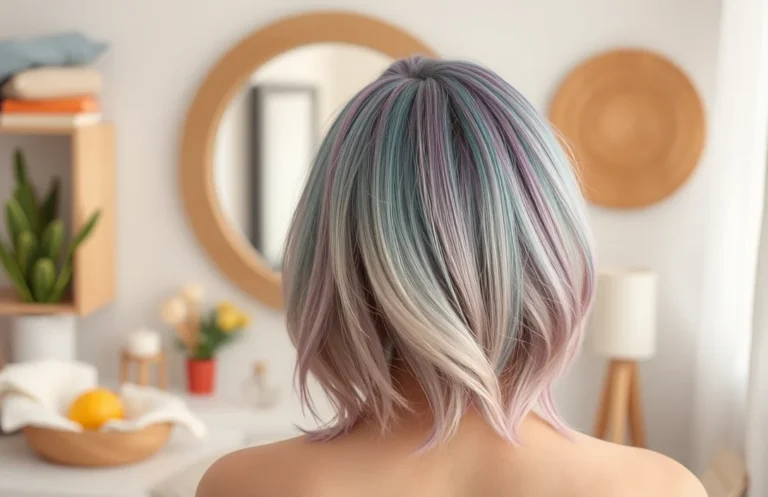
Soft pastel colors, such as lavender or baby pink, can work well for adventurous blondes. These delicate hues add a whimsical touch, perfect for those looking to express their individuality without overwhelming their natural color. Balayage techniques can also blend these shades seamlessly with blonde hair, adding dimension.
Medium blonde shades can benefit from caramel highlights, which introduce warmth and richness. These highlights create a multidimensional look, making hair appear fuller and more vibrant. Keeping the overall style soft and natural helps maintain a fresh and modern appearance.
Perfecting Shades for Redheads
Red-haired individuals should consider rich hues. Shades like copper, auburn, and strawberry blonde enhance natural tones beautifully. These colors create a harmonious balance, complementing the warmth of red hair while adding dimension. Lightening with golden highlights can also provide a sun-kissed effect, making hair appear vibrant and full of life.
Choosing darker shades can offer striking contrast. Deep burgundy or dark chocolate can create a bold look that highlights the uniqueness of red hair. These colors provide a dramatic flair, perfect for those seeking to stand out. Opting for these shades can transform your appearance while maintaining an edgy sophistication.
Balayage techniques work wonders for redheads. This method involves hand-painting lighter shades into the hair, creating a natural gradient. Incorporating warmer tones, such as honey or caramel, adds depth and texture, enhancing the overall look. Such techniques can modernize your style while preserving the beauty of your natural hair color.
Emphasizing maintenance is crucial for vibrant colors. Regular touch-ups and conditioning treatments keep your hair healthy and radiant. Invest in quality hair care products specifically designed for color-treated hair to maintain shine and prevent fading. Following these steps ensures your chosen shade remains fresh and lively for longer.
Quick Summary
- Determine your skin tone: warm, cool, or neutral tones significantly influence hair color choices.
- Consider your eye color: certain shades can enhance your natural eye color, making it pop.
- Evaluate your natural hair color: staying close to your natural shade can create a more harmonious look.
- Think about maintenance: some hair colors require more upkeep than others, affecting your long-term commitment.
- Test with temporary dyes: experimenting with different shades can help you find the best match without a permanent change.
- Consult with a professional stylist: they can provide personalized advice based on your features and preferences.
- Consider your lifestyle: choose a hair color that fits your personality and daily routine for the best results.
Frequently Asked Questions
1. How do I determine my skin tone?
To determine your skin tone, examine your veins under natural light. If they appear blue, you likely have a cool tone; greenish veins suggest a warm tone. Neutral tones often have a mix of both colors.
2. What hair colors suit cool skin tones?
Cool skin tones typically look great with ash blonde, platinum, cool browns, and shades of black. Additionally, colors like burgundy or violet can enhance your features beautifully.
3. What hair colors are best for warm skin tones?
Warm skin tones usually shine with golden blondes, rich browns, and warm reds. Consider honey-colored hues or caramel highlights for a radiant look that complements your warmth.
4. Can I wear bold colors with my skin tone?
Yes, bold colors like bright reds, vibrant blues, or deep purples can look stunning if chosen carefully. It’s essential to consider your underlying skin tone, opting for variations that harmonize with your natural coloring.
5. Should I consider my eye color when choosing a hair color?
Absolutely! Your eye color can enhance your overall look. For instance, those with blue eyes may find that shades of blonde or light brown can make their eyes pop, while green or hazel eyes can be highlighted by warm chestnuts or copper tones.

- 7 Best Detangling Brushes for Curly Hair: Thick, Fine, Long & Natural Hair - September 25, 2026
- 5 Best Moisturizing Curl Defining Creams for Soft, Defined Curls - September 24, 2026
- Best Curl Creams for Straight Hair: 5 Top Picks for Women - September 24, 2026