Hair Root Pain Causes: Complete Medical Guide for All Regions
Updated: August 23, 2026 | Author: Kamrul Hasan
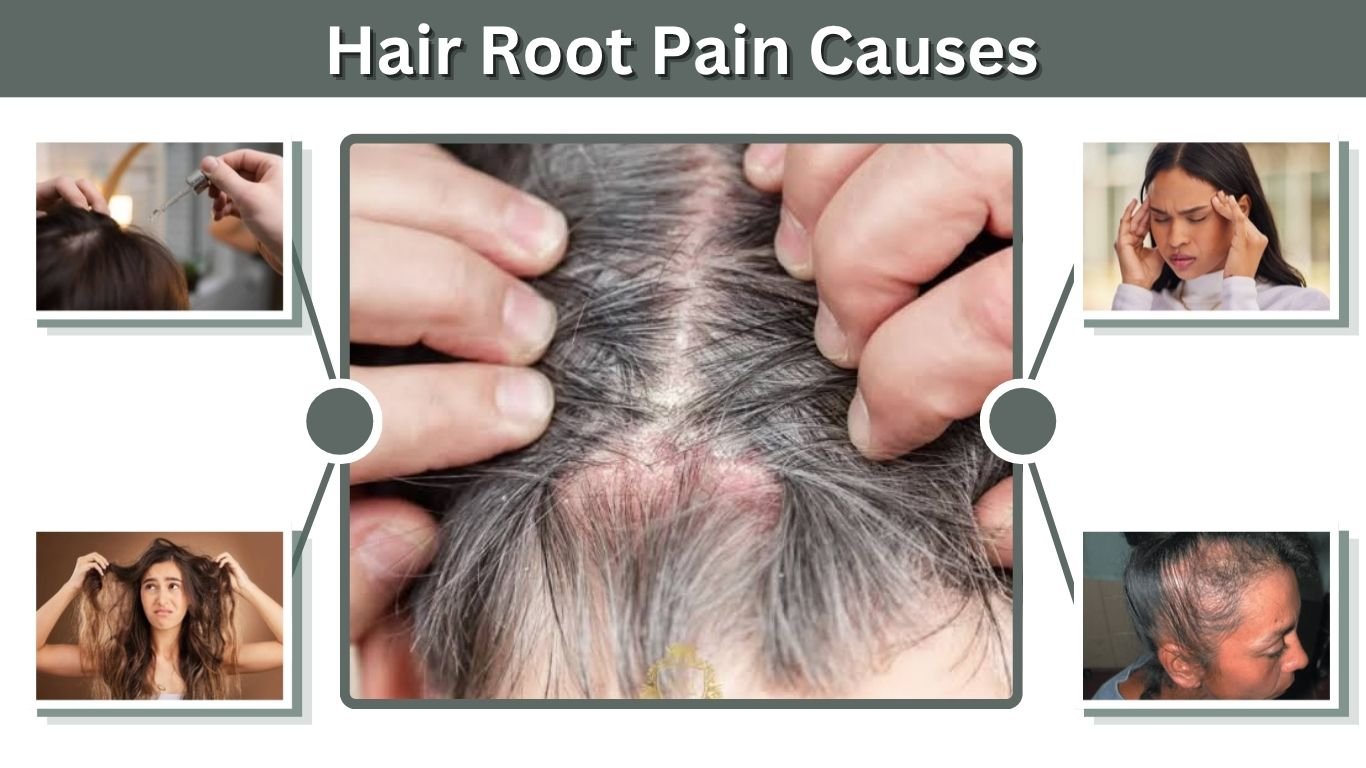
Hair root pain is caused by tight hairstyles (traction alopecia), scalp inflammation (folliculitis, dermatitis), stress, climate factors, or underlying health conditions. Understanding your specific cause determines the right treatment. This guide covers all major causes with geographic variations.
Quick Navigation
- 1. Understanding Hair Root Pain
- 2. Tight Hairstyles and Traction Alopecia
- 3. Scalp Inflammation and Infections
- 4. Stress and Tension Headaches
- 5. Climate and Environmental Factors
- 6. Hair Products and Chemical Damage
- 7. Systemic Health Conditions
- 8. Geographic and Age Variations
1. Understanding Hair Root Pain: What It Means
What Is Hair Root Pain (Medical Definition)
- Hair root pain originates from follicle base and surrounding scalp tissue, NOT the hair shaft itself (hair is dead and cannot feel pain)
- Pain comes from nerve endings, blood vessels, and sebaceous glands surrounding the follicle that ARE sensitive to stimuli
- Clinical term: scalp dysesthesia (abnormal pain sensation) or folliculitis (follicle inflammation)
- Ranges from mild tenderness to severe burning sensation; described as soreness, aching, or sharp stabbing pain
- Worsens with touch, brushing, or specific hairstyles; indicates follicle or nerve involvement
- May be constant or intermittent depending on underlying cause
Hair Follicle Structure and Pain Sources
- Hair follicle is living structure containing blood vessels, nerves, and sebaceous glands producing scalp oil
- Scalp has extremely high nerve density (more sensitive than most body parts) due to trigeminal nerve innervation
- Arrector pili muscles attached to follicles contract under stress, causing tension and pain sensation
- Inflammation of any follicle component (gland, blood vessel, nerve) triggers pain signal to brain
- Follicle root sits deep in scalp; problems at root often indicate significant inflammation or structural damage
- Root pain worsening suggests problem progression; improvement indicates healing beginning
Localized vs. Generalized Pain Patterns
- Localized pain: One area (back of head, crown, temples) = usually mechanical cause (tight braids, tension from hairstyle)
- Generalized pain: Entire scalp = typically systemic cause (inflammation, stress, infection, health condition)
- Localized pain resolves quickly (within hours) when cause removed; generalized pain may persist days/weeks
- Pain location provides diagnostic clue: temporal region = tension, crown = pressure damage, nape = tight ponytails
- Sharp pain = nerve-related; dull pain = mechanical; burning = allergic/inflammatory
- Pain that radiates beyond scalp suggests neurological involvement requiring medical evaluation
When Root Pain Becomes Serious
- Root pain + hair loss in patches indicates traction alopecia or folliculitis; catch early to prevent permanent loss
- Root pain + fever/swollen lymph nodes suggests infection requiring antibiotics
- Root pain + numbness/tingling extends beyond scalp indicates nerve involvement (neuropathy)
- Persistent root pain (2+ weeks) despite removing obvious cause warrants medical evaluation
- Root pain preventing normal activities (brushing, ponytails, sleeping) requires treatment intervention
- Worsening pain trend indicates progression; stable pain often self-limiting or responding to home care
2. Tight Hairstyles and Traction Alopecia: Mechanical Causes
Traction Alopecia Explained
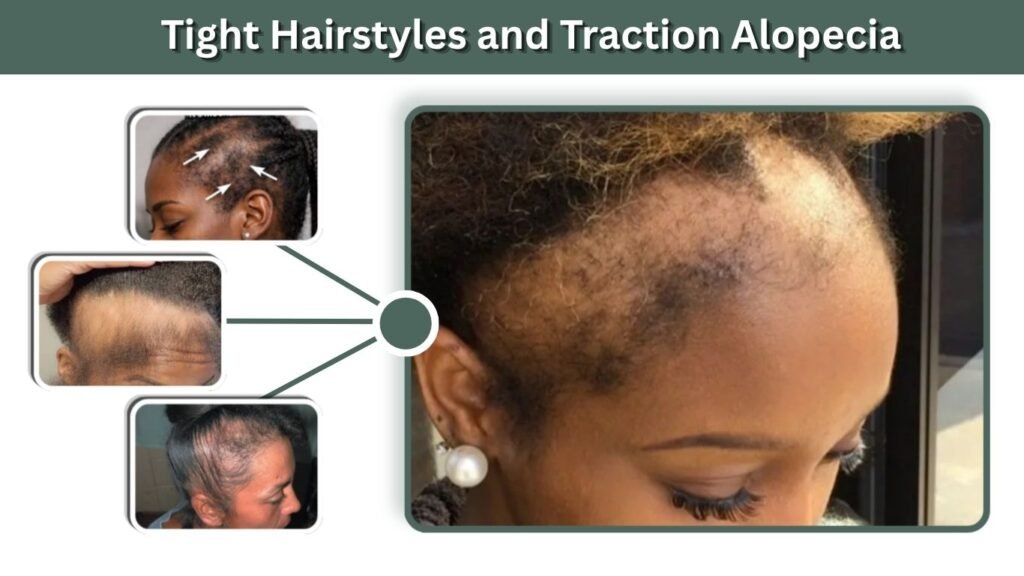
- Traction alopecia is hair loss caused by continuous pulling tension on follicles from tight styling
- Root pain is FIRST WARNING SIGN of traction damage; occurs before visible hair loss
- Most common in African descent populations due to braiding and protective styling culture
- Can develop within weeks of repeated tight styling, more commonly after months/years of chronic tension
- Early-stage pain is reversible; if ignored, leads to scarring and permanent irreversible hair loss
- Root pain at hairline and temples indicates highest-risk traction areas
High-Risk Hairstyles for Root Pain
- Tight braids/cornrows: Continuous tension on roots; pain within hours indicates damage level
- High ponytails: Hairline and crown experience constant pulling; especially problematic if worn daily
- Weave extensions: Added weight + tension at track placement; roots hurt where sewn attachment stressed
- Tight buns: Crown and temples experience pressure; sleeping in tight bun increases cumulative damage
- Hair threading: Traditional removal method; tension on roots causes pain before hair falls out
- Dreadlocks: Fresh locks being twisted cause root pain during formation phase
Identifying Traction-Related Root Pain
- Pain appears 30 minutes to few hours after tight hairstyling; resolves 30-60 minutes after releasing tension
- Pain localized to areas under most tension (hairline for ponytails, temples for tight braids, nape for tight buns)
- Pain intensity increases with tighter styling; decreases with looser alternative styles
- NO pain when hair is loose or in very loose styles; presence only with tension = mechanical cause confirmed
- Accompanying symptoms: short broken hairs in tight areas, itching at roots (early damage sign), slight swelling
- Predictable pattern: same pain with same hairstyle repeatedly = mechanical cause
Prevention and Safe Styling
- Rule of grip: Hair should move slightly when styled tightly; no movement = too tight, loosen immediately
- Duration limits: Wear tight styles maximum 2-3 times weekly; give scalp 3-4 rest days between styles
- Continuous limit: Never wear braids continuously more than 6-8 weeks; take multi-week break between
- Location rotation: Change part location and braided areas weekly to prevent chronic tension on same roots
- Maintenance: Loosen styles immediately if experiencing root pain; don’t “push through” pain
- Scalp massage: 5-minute gentle massage daily improves circulation and relieves tension
3. Scalp Inflammation and Infections: Dermatological Causes
Folliculitis and Bacterial Infections
- Folliculitis is inflammation/infection of hair follicles; main cause of root tenderness and pain
- Bacterial folliculitis (most common): caused by Staphylococcus aureus entering damaged follicle; affects roots specifically
- Risk factors: tight hairstyles, humidity, poor hygiene, follicle damage from scratching or picking
- Symptoms: tender painful roots, visible pustules/bumps, itching, sometimes pus or crusting
- More prevalent in tropical/humid climates and warm seasons when sweat and bacteria multiply
- More common in coiled/curly hair (curl pattern traps bacteria) and African descent populations
Fungal and Parasitic Infections
- Tinea capitis (ringworm): Fungal infection causing root pain, itching, circular hair loss patches
- More common in children and developing countries; spreads through direct contact or shared items
- Geographic prevalence: Higher in Africa, South Asia, Middle East; rare in developed Western countries
- Lice infestation: Parasites cause intense itching and secondary root pain; most common in children ages 3-12
- Malassezia-related: Yeast causes follicular inflammation; contributes to seborrheic dermatitis
- Recurrence risk: High if treatment incomplete or reexposure to source occurs
Seborrheic Dermatitis and Scalp Dermatitis
- Seborrheic dermatitis is inflammatory skin condition; causes root tenderness, itching, flaking, and discomfort
- Root pain from dermatitis worsens with shampooing, sweating, or touching; indicates inflammation
- Caused by combination of fungus (Malassezia), genetics, immune response, and stress
- Worse in cold/dry climates (heating, lack of humidity); some improve in warm/humid climates
- Triggered by stress, weather changes, certain products, oily/dry scalp imbalance
- Contact dermatitis (allergic reaction to products) causes localized root pain and acute inflammation
Identifying Inflammatory Root Pain
- Root pain accompanied by visible redness, bumps, or inflammation on scalp surface
- Pain worsens with shampooing, sweating, humidity, or product application; improves with treatment
- Itching is prominent; combination of pain + itching indicates inflammation/infection
- Flaking, scaling, discharge, or odor visible in hair or on scalp
- Pain pattern matches visible changes; bumps in certain areas correspond to tender areas
- Persistent despite loose hairstyles and good hygiene; indicates underlying skin condition not mechanical cause
4. Stress and Tension Headaches: Psychological Causes
Tension Headaches Affecting Roots
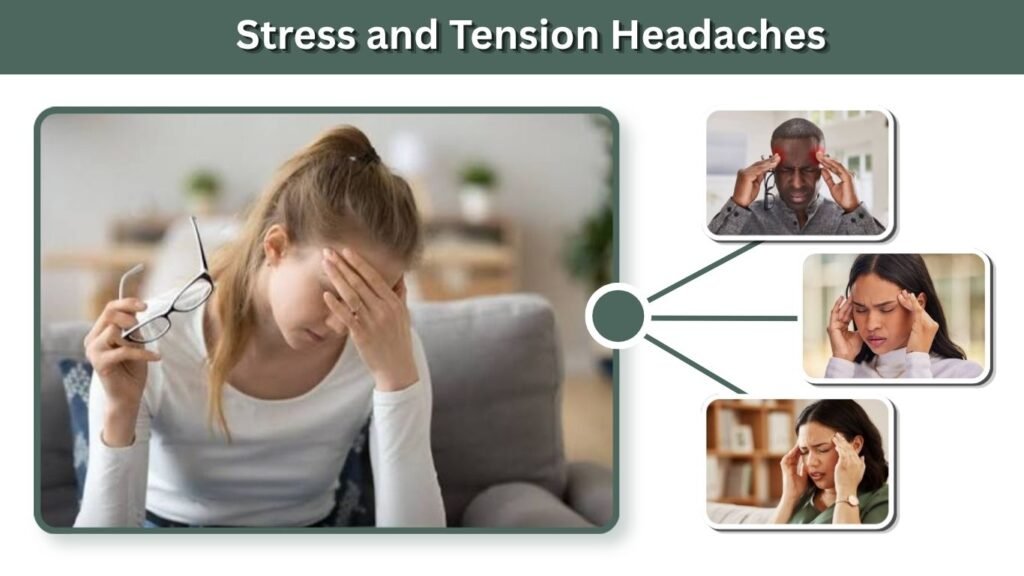
- Tension headaches cause muscle contractions in scalp, neck, and shoulders; affects follicles and surrounding tissue
- When neck/shoulder muscles contract, tension transmits via connective tissue to scalp causing root discomfort
- Pain described as “band-like” pressure across top of head or localized pressure around root area
- Triggered by stress, poor posture, jaw clenching, prolonged computer work, muscle tightness
- More prevalent in people with sedentary jobs, desk work, or high-stress professions
- Can last 30 minutes to several hours; chronic cases persist for days affecting daily comfort
Stress-Induced Scalp Sensitivity
- Under chronic stress, nervous system becomes hyperactive; scalp becomes hypersensitive to normal stimuli
- Stress hormone cortisol increases systemic inflammation; scalp feels more tender and painful
- Hair follicles contain stress receptors; high stress activates these receptors causing pain sensation
- Anxiety disorders accompanied by increased scalp sensitivity and heightened pain perception
- Stress causes sustained muscle tension in neck/scalp; prolonged contraction causes root pain
- Pain real despite psychological origin; stress causes actual physiological inflammation changes
Migraine Headaches and Root Pain
- Migraines involve vascular and neurological changes; scalp becomes extremely sensitive during attacks
- During migraine, even light hair touching roots causes significant pain; temporary but severe
- Migraine-related root pain typically one-sided (unilateral), corresponding to migraine location
- Accompanied by light sensitivity, nausea, visual disturbances; not just root pain alone
- More common in women (2:1 ratio); highest frequency women ages 30-40
- Root pain improves when migraine medication taken; treats underlying vascular component
Stress Management for Root Pain Relief
- Meditation/mindfulness: 10-15 minutes daily reduces cortisol levels and scalp tension significantly
- Neck stretches: Gentle stretching 3-5 times daily relieves muscle tension transmitting to scalp
- Deep breathing: Activates parasympathetic nervous system; reduces overall tension and inflammation
- Scalp massage: Professional or self-massage releases tension and improves circulation to roots
- Regular exercise: 30 minutes moderate activity daily reduces stress hormones and muscle tension
- Sleep optimization: 7-9 hours quality sleep nightly reduces tension and scalp sensitivity dramatically
5. Climate and Environmental Factors: Geographic Causes
Dry Climate Effects on Hair Roots
- In dry climates (deserts, high altitudes, winter heating), scalp loses moisture rapidly causing dehydration
- Dehydrated scalp becomes inflamed and hypersensitive; hair roots become tender and painful
- Regions affected: Middle East, North Africa, Southwestern USA, parts of Central Asia, high-altitude areas
- Winter heating in temperate climates creates artificial dry environment; root pain increases seasonally
- Dry scalp increases sebum overproduction (compensation mechanism); can cause follicle inflammation
- Root pain from dryness improves within days of increased moisturizing and humidity exposure
Humid Climate and Fungal Issues
- High humidity (tropical regions, monsoon seasons) increases fungal and bacterial growth on scalp
- Fungal infections common cause of root pain in tropical/subtropical regions; requires antifungal treatment
- Sweat in humid climate prevents evaporation; creates warm, moist environment ideal for microorganisms
- Regions affected: Southeast Asia, sub-Saharan Africa, Caribbean, Central America, South Asia
- Hair stays damp longer in humidity; remaining moisture increases bacterial colonization risk
- Root pain from humidity-related infections improves with antifungal shampoos and better scalp drying
Water Quality and Mineral Content
- Hard water (high calcium/magnesium content) leaves mineral deposits on scalp irritating follicles
- Mineral buildup causes root pain, sensitivity, and potential for inflammation development
- Geographic variation: hard water common in limestone regions and some urban water systems
- Chlorinated water (pools or tap water in some regions) irritates sensitive scalp causing root discomfort
- People moving from soft water to hard water areas develop root pain within days/weeks
- Root pain from water quality improves with chelating shampoos removing mineral deposits
Seasonal Variation in Root Pain
- Winter: Dry indoor heating, cold outdoor temperatures reduce humidity; increase root pain and dryness
- Summer: Heat, humidity, chlorine exposure increase bacterial/fungal root pain prevalence
- Tropical monsoons: High humidity peaks; fungal root pain at annual highest in monsoon regions
- Spring/fall: Climate transition periods; dramatic changes can trigger scalp sensitivity flare-ups
- Predictable pattern: If root pain follows seasonal pattern consistently, environment is primary cause
- Geographic difference: Tropical regions experience opposite seasonality than temperate regions
6. Hair Products and Chemical Damage: Product-Related Causes
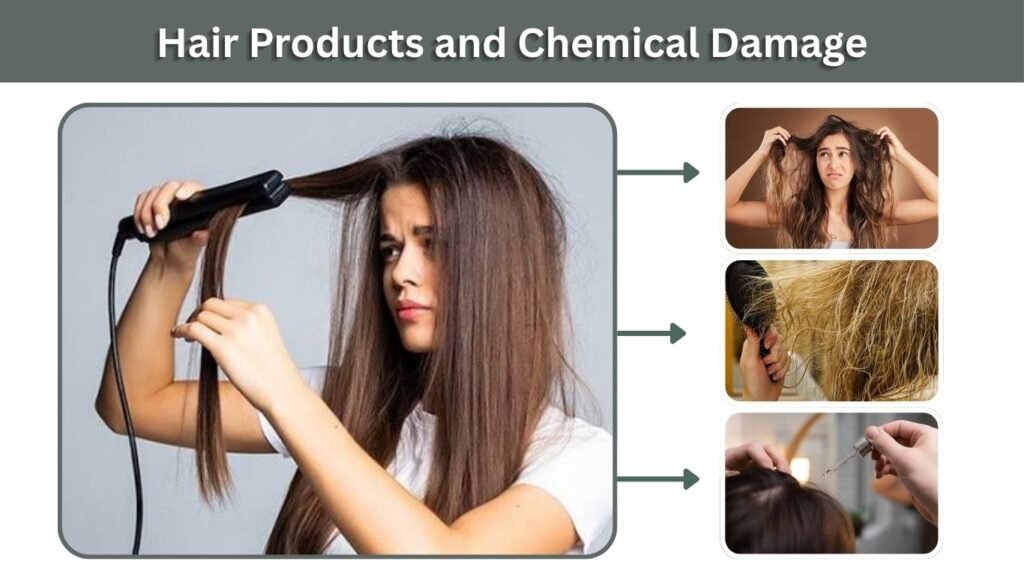
Allergic Reactions to Hair Products
- Hair root pain often FIRST sign of allergic reaction to shampoo, conditioner, or styling product
- Allergic reaction causes inflammation of roots and surrounding scalp tissue within hours of exposure
- Common allergens: fragrance (#1 trigger), preservatives (parabens), sulfates, botanical extracts, dyes
- Reaction may develop within hours of first application or after weeks of repeated use (sensitization)
- Symptoms: root pain, intense itching, redness, swelling, sometimes hives extending to neck/ears
- Natural/organic products actually HIGHER allergy risk (plant allergens more reactive than synthetic)
Chemical Damage from Harsh Treatments
- Permanent hair color, relaxers, chemical straighteners damage hair protein structure and irritate scalp
- Root pain during/after chemical treatment indicates scalp irritation or chemical burn of follicles
- Scalp irritation severity depends on: chemical strength, processing time, pre-existing scalp damage, individual sensitivity
- Color treatments strip protective protein coating; roots become weak, tender, and vulnerable
- Relaxers break disulfide bonds in hair; can break follicle structure causing root pain and potential damage
- Bleaching removes protective layer; leaves scalp exposed to secondary irritants
Product Buildup on Roots
- Repeated heavy products (oils, butters, styling creams) accumulate on scalp preventing moisture absorption
- Buildup prevents water from reaching roots; roots become dry, tender, and painful
- Accumulated products + hard water minerals + scalp oils create severe buildup layers
- Buildup traps bacteria; increases risk of folliculitis and secondary infection causing root pain
- Fine hair susceptible to buildup (heavier products weigh down thin strands more noticeably)
- Curly/coily hair prone to buildup (dense curl pattern doesn’t release products easily during rinsing)
Product Selection for Sensitive Roots
- Patch test: Apply product to small scalp area; wait 24-48 hours before full application
- Fragrance-free: Fragrance is #1 allergen; unscented products safer for reactive scalps
- Sulfate-free: Sulfates strip natural oils; sulfate-free gentler on sensitive, painful roots
- Paraben-free: Preservatives can cause sensitivity in susceptible individuals
- Hypoallergenic brands: Specifically formulated to minimize allergic reactions
- Professional guidance: Dermatologist can identify specific allergens causing root pain via patch testing
7. Systemic Health Conditions: Internal Medical Causes
Nutritional Deficiencies Affecting Roots
- Vitamin D deficiency: Associated with hair loss and scalp pain; more common in limited sun exposure regions
- Iron deficiency: Causes hair thinning and root sensitivity; common in women, vegetarians, developing regions
- Zinc deficiency: Causes alopecia and scalp inflammation; prevalent in developing countries, low-income areas
- B-vitamin deficiency: Affects nerve function and hair health; root pain from neuropathy possible
- Protein deficiency: Hair made entirely of protein; insufficient intake weakens roots causing pain
- Solution: Supplement deficiencies after blood testing confirms; root pain improves within 6-8 weeks
Autoimmune and Inflammatory Conditions
- Lupus (SLE): Can cause scalp inflammation and root pain as part of systemic response
- Alopecia areata: Autoimmune hair loss; affected roots painful from immune attack on follicles
- Rheumatoid arthritis: Can cause scalp inflammation; root pain one symptom among many joint/systemic issues
- Celiac disease/gluten sensitivity: Associated with hair loss and root pain in susceptible individuals
- Thyroid diseases: Both hypo and hyperthyroidism cause hair loss and scalp pain
- Treatment: Systemic treatment of underlying condition gradually improves root pain
Circulation and Metabolic Issues
- Poor circulation reduces blood flow to roots; causes oxygen/nutrient starvation resulting in pain
- Diabetes affects small blood vessels; diabetics experience more scalp pain and reduced healing
- High blood pressure damages scalp blood vessels; reduces nutrient delivery to roots
- Anemia reduces oxygen delivery; root pain from weakened, under-oxygenated follicles
- Metabolic syndrome increases inflammation systemically; manifests as scalp sensitivity
- Improved circulation through exercise and cardiovascular health reduces root pain
Neurological and Nerve-Related Causes
- Trigeminal neuralgia: Severe facial/scalp pain from trigeminal nerve irritation; requires specialist care
- Occipital neuralgia: Nerve pain at base of skull; causes sharp root pain in back scalp
- Neuropathy: Diabetes/chemotherapy nerve damage causes burning root pain sensation
- Fibromyalgia: Widespread pain including scalp; roots feel tender with full-body symptoms
- Multiple sclerosis: Can cause scalp pain as neurological manifestation
- Diagnosis: Requires specialist evaluation; imaging may be needed to rule out serious causes
8. Geographic and Age Variations: Regional and Lifespan Patterns
Root Pain by Geographic Region
- South Asia (India, Bangladesh, Pakistan): Hot/humid climate; tight braids common; high folliculitis/traction alopecia root pain rates
- Middle East/North Africa: Dry climate primary cause; hard water mineral buildup; henna allergies common
- Tropical regions (Africa, SE Asia, Caribbean): Fungal infections dominant cause; humidity-related folliculitis prevalent
- Developed Western countries: Stress-related root pain most common; chemical treatments frequent cause
- Geographic factors matter: Treatment approach varies; tropical regions need antifungals; dry regions need moisturizing
- Water quality varies: Hard water areas experience mineral-related root pain; soft water areas have fewer deposit issues
Root Pain by Age Group
- Children (3-12 years): Lice infestation most common; tight braids in some communities; rapidly resolving with treatment
- Teenagers (13-19 years): Stress increases; puberty causes hormonal scalp changes; first allergic reactions to products
- Young adults (20-35 years): Chemical treatments peak (coloring, straightening); tight professional hairstyles common
- Middle age (35-55 years): Menopause hormone changes (women); cumulative damage from years of treatments; stress peaks
- Older adults (55+ years): Age-related hair thinning; sensitive scalp; reduced circulation; medication side effects
- Age patterns: Chemical treatment causes peak in 20s-30s; hormonal causes peak in 40s-50s; age-related causes 55+
Hormonal Root Pain in Women
- Menstrual cycle: Root pain often worsens 3-5 days before menstruation (estrogen drops, inflammation increases)
- PMS symptoms: Scalp pain included in premenstrual syndrome; predictable monthly pattern
- Pregnancy: Hormonal surges increase inflammation; root pain common 2nd-3rd trimester; resolves postpartum
- Postpartum shedding: Telogen effluvium (massive shedding 3-6 months after birth); root pain from inflammation
- Menopause: Estrogen drop increases inflammation dramatically; scalp tenderness significant issue for many
- Tracking pattern: If pain follows menstrual cycle or reproductive events, hormonal cause likely; improves with hormone stabilization
When to Seek Medical Help
- Red flags requiring doctor: Sudden severe pain, pain + fever, visible rash/bumps, hair loss, numbness/tingling, pain spreading beyond scalp
- Persistent pain (2+ weeks): Despite removing obvious cause; indicates need for professional evaluation
- Specialists to contact: Dermatologist (skin/scalp conditions), Neurologist (nerve pain), Primary care (systemic causes)
- Diagnostic tests available: Physical exam, scalp culture (identifies infection), blood tests (checks deficiencies/disease), dermoscopy (magnified scalp examination)
- Documentation helpful: Track when pain started, triggers, severity (1-10 scale), accompanying symptoms, products used
- Photos useful: Take pictures if visible changes present; helps doctor assess skin changes during appointment
Treatment Table: Causes and Solutions
| Root Pain Cause | Primary Treatment | Timeline |
|---|---|---|
| Tight hairstyle (traction) | Release tension, loosen styles, 3-4 rest days weekly | 30-60 minutes relief; full recovery 4-6 weeks |
| Folliculitis (bacterial) | Topical or oral antibiotics, antibacterial shampoo | 2-4 weeks with treatment |
| Fungal infection | Antifungal shampoo (ketoconazole) or oral medication | 3-8 weeks depending on severity |
| Stress/tension | Meditation, massage, exercise, stress counseling | Days to weeks depending on stress level |
| Product allergy | Discontinue allergen, switch to hypoallergenic product | 24-72 hours relief; full healing 1-2 weeks |
| Nutritional deficiency | Supplement (vitamin D, iron, zinc, B-vitamins) | 6-8 weeks for improvement; 3-4 months for full benefit |
| Dry climate/dehydration | Intensive moisturizing, humidifier, chelating shampoo | 3-7 days with consistent care |
FAQ: Common Questions About Hair Root Pain
Can hair root pain cause permanent hair loss?
- Temporary root pain rarely causes permanent damage if addressed early
- Chronic untreated traction alopecia DOES cause permanent hair loss over years
- Root pain is early warning sign; heeding warning prevents irreversible scarring alopecia
- If caught within first 6-12 months, hair loss reversible with traction removal
Why is my root pain worse at night?
- Nighttime allows awareness of pain (fewer daytime distractions)
- Lying down may increase pressure on affected scalp areas
- Sleep position may compress painful follicles increasing sensation
- Try different pillow type or height if nighttime pain worse
How long until root pain resolves?
- Mechanical causes (tight hairstyles): 30 minutes to 1 week after releasing tension
- Infections: 2-8 weeks depending on treatment compliance and infection severity
- Stress-related: 1-2 weeks with stress management; longer if chronic stress ongoing
- Nutritional: 6-8 weeks supplementing before improvement
Is root pain the same as scalp pain?
- Root pain is specific type of scalp pain localized to follicle area
- Scalp pain can be more generalized or localized depending on cause
- Both involve same pain receptors; terms often used interchangeably
- Distinction matters: root pain specific treatment; scalp pain may have different cause
Key Takeaways: Understanding Your Root Pain
| Question to Ask | Answer Indicates Likely Cause |
|---|---|
| Does pain start/stop with tight hairstyle? | Mechanical (traction) cause |
| Do you see visible bumps/redness/itching? | Infection or inflammation (dermatological) |
| Does it coincide with high stress/anxiety? | Stress/tension headache related |
| Did pain start after new product? | Product allergy or chemical irritation |
| Does it follow seasonal pattern? | Environmental/climate cause |
| Does pain follow menstrual cycle? | Hormonal cause (in women) |
| Persistent 2+ weeks despite changes? | See doctor; systemic/medical cause likely |
Conclusion
Hair root pain has multiple causes varying significantly by geography, age, and individual factors. The first step: identify obvious trigger (tight hairstyle, new product, stress) and address it immediately. Most mechanical root pain resolves within hours of removing trigger.
If pain persists 2+ weeks, appears suddenly without cause, or accompanies other symptoms (hair loss, fever, visible changes), seek medical evaluation. Early intervention prevents complications like permanent hair loss from traction alopecia.
Geographic context matters: tropical regions experience fungal root pain predominantly; dry regions experience dehydration-related pain; developed regions experience stress and chemical treatment causes. Understanding your region’s typical causes guides your approach.
Remember: Root pain is your scalp’s warning signal. Don’t ignore it.

- 10 Best Hair Oil For Overnight Treatment Buyer Guide 2026 - October 26, 2026
- 10 Best Hair Oil For One Year Old Baby Buyer Guide 2026 - October 26, 2026
- 10 Best Hair Oil For Oily Skin Buyer Guide 2026 - October 26, 2026