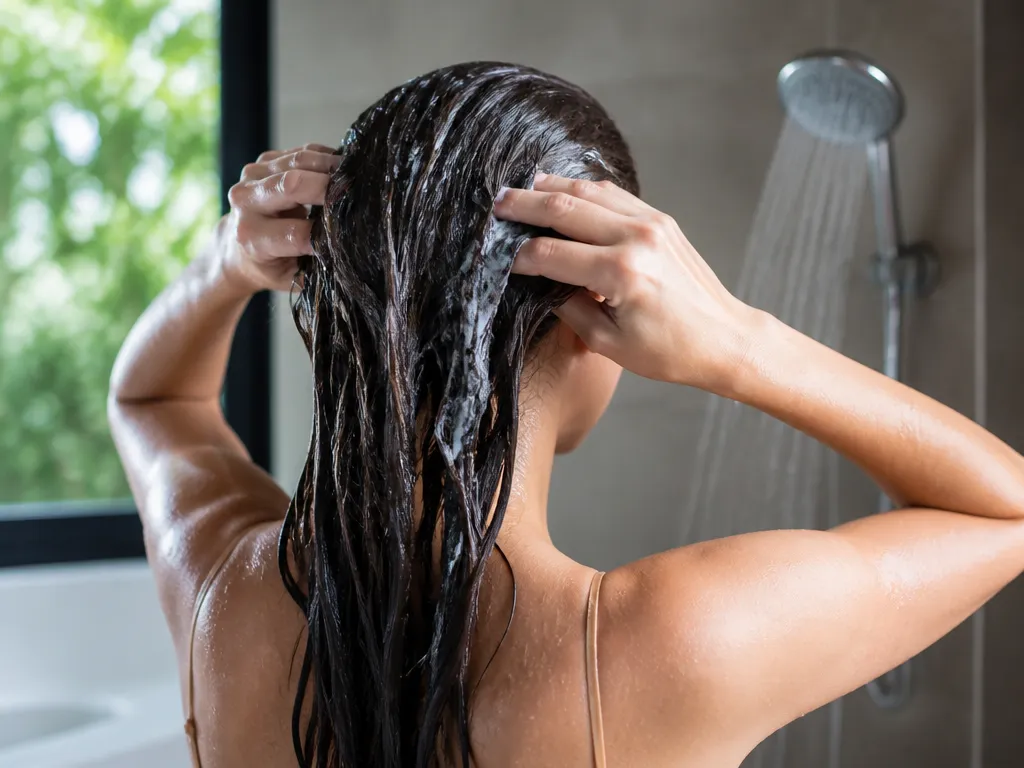
Should You Use Hair Conditioner Everyday?
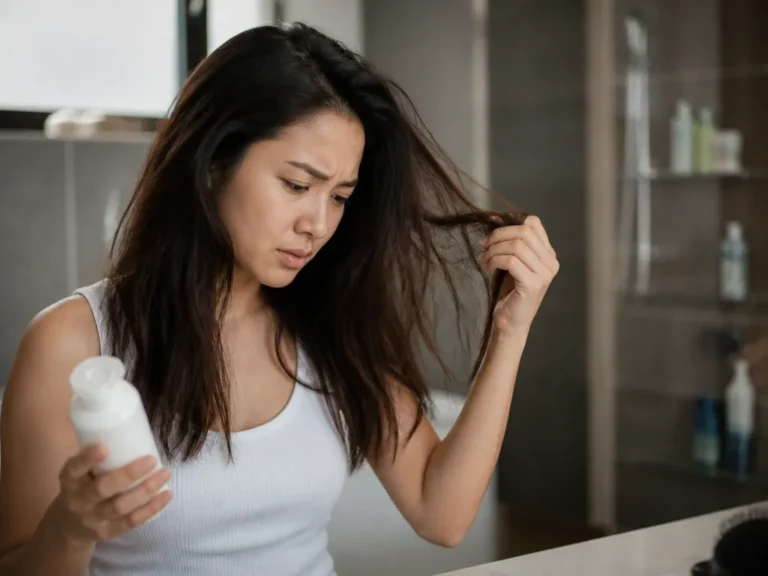
You might feel like your hair needs a moisture hit every single time you step into the shower, but more isn’t always better. Using conditioner too often can lead to heavy, greasy strands or even scalp irritation.
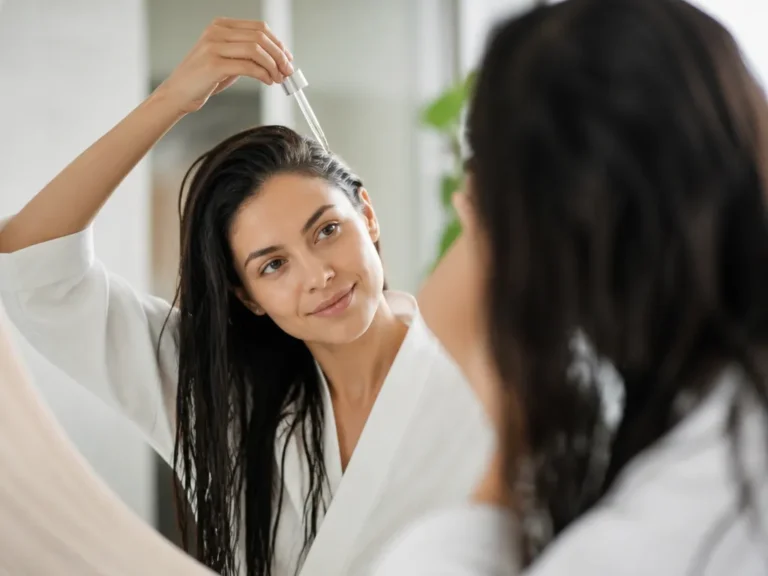
Daily hair conditioner use depends on your hair texture and scalp health. People with curly or very dry hair can often condition every day, while those with fine or oily hair should limit use to 2 or 3 times per week. Always apply products from the mid-lengths to the ends to prevent scalp buildup.
Best for: Dry, curly, and color-treated hair. Use caution if: You have an oily scalp or fine, limp hair.
Should You Use Hair Conditioner Everyday?
Conditioner frequency depends entirely on your hair porosity and scalp oil production. Coily, curly, or chemically treated hair often requires daily moisture to prevent breakage. Fine or oily hair typically only needs it every two to three washes to avoid weighing down the strands.
Conditioning agents seal the hair cuticle and replace lipids lost during cleansing. This process reduces friction between strands and prevents split ends. When used correctly, these products maintain the elasticity of the hair fiber.
Excessive use on fine hair creates a film that attracts dust and oil. This results in a flat appearance and can make the scalp feel greasy. Over-conditioning can lead to “hygral fatigue,” where the hair shaft swells and shrinks too often, weakening the cuticle.
| Hair Type | Recommended Frequency | Primary Goal |
|---|---|---|
| Fine/Oily | 2-3x per week | Volume & Light Moisture |
| Curly/Wavy | Every wash | Frizz Control |
| Coily/Dry | Daily or Every wash | Moisture Retention |
| Damaged/Bleached | Daily or Leave-in | Protein & Lipid Repair |
Esthetician tip: Always apply conditioner from the mid-shaft down to the ends. Avoid the scalp to prevent clogged follicles and premature oiliness.
Look for behentrimonium chloride or cetyl alcohol for slip and moisture. High-end options like Pureology ($30) focus on pH balance for color-treated hair. Drugstore options like Maui Moisture ($7) provide effective hydration for curly textures.
For instance, someone with Type 4 coily hair may use a rinse-out conditioner every wash and a leave-in conditioner daily. This layered approach ensures the hair stays hydrated without needing a full wash every morning.
In practice, a simple routine for normal hair involves a clarifying shampoo once a week and a lightweight conditioner every other day. This balance prevents buildup while keeping the ends smooth.
Match Conditioner To Your Hair Type
Conditioner frequency depends entirely on your hair’s unique characteristics. Fine, oily hair may only need conditioning 2-3 times weekly, while thick, dry strands benefit from daily hydration. Understanding your specific hair type and scalp condition is crucial for determining how often to use conditioner without causing buildup or damage.
For those with oily scalps and fine hair, daily conditioning can lead to limp, greasy strands. Light, silicone-free formulas work best to provide moisture without weighing hair down.
Dry, Curly, Or Coily Textures
Dry, curly, and coily hair types thrive with frequent conditioning. These textures lack natural oil distribution and benefit from moisture-rich formulas applied daily or even multiple times daily. Leave-in conditioners and curl creams provide essential hydration between washes.
Color-treated And Chemically Damaged Strands
Color-treated and chemically processed hair requires specialized conditioning to maintain integrity and vibrancy. These hair types benefit from daily conditioning with formulas containing proteins and UV protectants to prevent fading and breakage.
| Hair Type | Recommended Conditioner Frequency | Key Ingredients |
|---|---|---|
| Oily/Thin | 2-3 times weekly | Lightweight, silicone-free formulas |
| Dry/Thick | Daily | Shea butter, coconut oil, glycerin |
| Color-Treated | Daily | UV protectants, proteins |
| Curly/Coily | Daily or as needed | Humectants, emollients |
Thick Versus Thin Hair Density
Hair density – the number of hairs on your scalp – also affects conditioning needs. Thick hair can handle more product and benefits from daily conditioning, while thin hair requires lighter application to avoid weighing strands down.
“Dermatologist tip: Apply conditioner from the ears down for fine hair, and from mid-lengths to ends for coarse hair. Never apply directly to the scalp unless specifically formulated for that purpose.”
When determining your ideal conditioner frequency, observe how your hair responds. Over-conditioned hair appears flat, greasy, or difficult to style. Under-conditioned hair feels rough, tangled, and brittle. Adjust your routine based on these visual and tactile cues rather than sticking to a rigid schedule.
Targeted Ingredients For Better Results
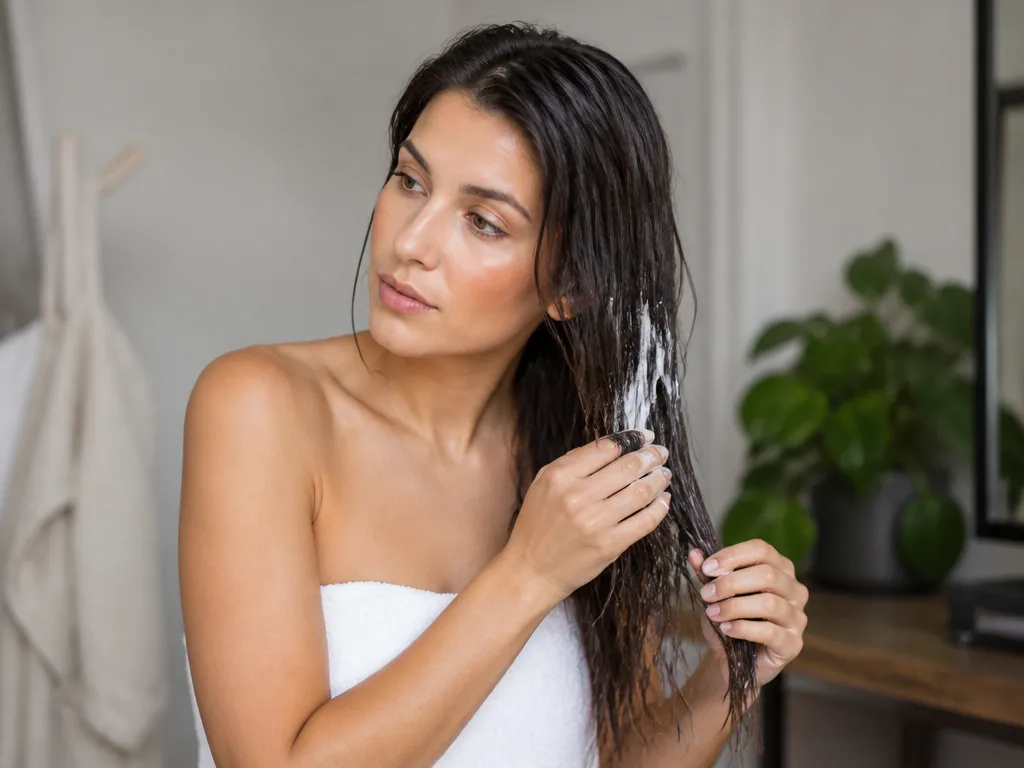
The right ingredients determine whether daily conditioning benefits your hair or causes buildup. Humectants like glycerin and aloe draw moisture into hair strands without weighing them down, making them ideal for daily use on most hair types.
| Item | Amount/Specification | Notes |
|---|---|---|
| Hydrating Humectants | Glycerin (1-5%), Aloe Vera (gel or extract) | Best for dry to normal hair; avoid on protein-sensitive hair |
| Smoothing Silicones | Dimethicone, Cyclomethicone | Use water-soluble types for daily use; avoid buildup with weekly clarifying |
| Proteins | Keratin, Wheat, Soy (1-3%) | Use 1-2 times weekly on damaged hair; avoid overuse on fine hair |
| Botanical Extracts | Tea Tree, Rosemary, Chamomile | Soothe scalps; tea tree helps with oil control |
For those with oily scalps but dry ends, select lightweight conditioners with humectants but avoid heavy oils like coconut or mineral oil that can exacerbate scalp grease. Protein treatments should be limited to twice weekly for fine hair to prevent stiffness, while coarse or damaged hair may benefit from more frequent protein application.
For instance, someone with color-treated hair should look for panthenol and glycerin to maintain moisture without fading color. On the other hand, curly and coily hair types often benefit from daily leave-in conditioners containing shea butter and jojoba oil to maintain hydration between wash days.
Dermatologist tip: “When using conditioner daily, focus application on the mid-lengths to ends, avoiding the scalp unless you have a specific scalp treatment product.”
Signs you’re using the wrong ingredients include greasiness within hours of washing, flat or limp hair, or scalp irritation. In such cases, consider switching to silicone-free formulas or reducing conditioning frequency to every other day while incorporating a weekly clarifying treatment.
Perfect Conditioning Application Technique
| Product Type | Consistency | Primary Use | Best For |
|---|---|---|---|
| Rinse-out | Thick Cream | Deep Hydration | Wash days / Dry hair |
| Leave-in | Spray or Milk | Detangling / Protection | Daily / Non-wash days |
Managing Non-wash Days
Leave-in conditioners are the best option for maintaining moisture between washes. These formulas are lighter and do not require rinsing, which prevents the need to wet the entire scalp daily.
For curly or coily hair, mist a leave-in spray on dry ends to reactivate curls. For fine hair, rub a pea-sized amount of lightweight cream between your palms and press it into the very tips of the hair.
Esthetician tip: Always patch test new leave-in products on a small area of skin behind the ear to check for allergic reactions to fragrances or preservatives.
Look for ingredients like Glycerin for moisture or Argan Oil for shine. High-end options include Pureology, while drugstore alternatives like Maui Moisture offer similar hydrating benefits at a lower price point.
Avoid These Common Conditioning Mistakes

Application And Quantity Errors
Conditioner is designed for the hair shaft, not the skin. Applying it to the scalp can trigger seborrheic dermatitis or oil overproduction, especially for those with oily scalp types. Focus the product from the mid-length down to the ends.
For instance, someone with fine hair should use a pea-sized amount to avoid flattening their volume. Those with thick, coily, or damaged hair may need a quarter-sized amount to ensure full coverage of the porous ends.
| Hair Type | Recommended Amount | Target Area |
|---|---|---|
| Fine/Thin | Pea-sized | Ends only |
| Medium/Normal | Nickel-sized | Mid-length to ends |
| Thick/Coily | Quarter-sized | Mid-length to ends |
Rinsing And Product Overload
Poor rinsing leaves a residue of silicones or fatty alcohols on the hair. This buildup makes the hair feel tacky and look dull over time. Rinse until the water runs clear and the hair feels smooth but not slimy.
In practice, many people mistake the slippery feel of conditioner for active product and stop rinsing too early. This leads to a heavy film that attracts environmental pollutants and dust.
Avoid using heavy masks daily. These products often contain high concentrations of shea butter or coconut oil. Daily use of these heavy ingredients causes the hair to become over-saturated and limp.
Pro tip: If your hair feels heavy or greasy despite correct application, use a clarifying shampoo with salicylic acid once a week to remove buildup.
Drugstore Vs High-end Options
Product efficacy depends more on ingredient concentration than price tag. High-end formulas often use more refined silicones and specialized proteins, while drugstore options provide reliable hydration through essential fatty acids and basic conditioning agents.
Budget-friendly Staples
Fine hair needs lightweight formulas to avoid looking greasy or flat. Look for “volumizing” or “weightless” labels on drugstore brands to ensure the product does not weigh down your strands.
Professional Tip: If your hair feels limp after conditioning, switch to a lighter, water-based leave-in spray instead of a heavy rinse-out cream.
Luxury And Salon Selections
Salon brands focus on repairing the hair cuticle through advanced technology. These are better investments for specific hair concerns like extreme damage or chemical processing.
For instance, color-treated hair requires specialized pH-balanced formulas to prevent pigment loss. High-end brands often include UV filters and antioxidants to protect the hair from environmental degradation.
| Hair Need | Drugstore Approach | High-end Approach |
|---|---|---|
| Fine Hair | Lightweight volumizing conditioners | Protein-enriched strengthening formulas |
| Curly/Coily | Heavy shea-based masks | Advanced moisture-locking oils |
| Color-Treated | Color-safe sulfate-free shampoos | UV-protective bond builders |
| Damaged | Basic keratin conditioners | Molecular repair treatments |
Selecting the right product requires matching the ingredient profile to your hair texture. A heavy cream meant for coily hair will cause fine hair to look oily within hours.
Professional Tips For Healthy Hair
Environmental shifts require you to adjust your product selection frequently. High humidity in summer often calls for lightweight, silicone-free conditioners to prevent frizz without weighing hair down. Conversely, dry winter air necessitates richer, lipid-heavy formulas to combat static and breakage.
Advanced Conditioning Strategies
Strategic rinsing techniques can significantly improve how well your products work. Using cool or cold water during your final rinse helps seal the hair cuticle, which traps moisture inside and increases shine. This method is especially effective for color-treated hair to prevent premature pigment loss.
Clarifying treatments prevent the “limp hair” syndrome caused by cumulative product residue. If your hair feels greasy shortly after washing or lacks volume, a weekly clarifying shampoo is necessary to reset the scalp. This ensures your subsequent conditioners can actually penetrate the hair shaft rather than just sitting on top of a film.
Professional tip: Focus conditioner application only from the mid-lengths to the ends. Avoid the scalp entirely to prevent clogged follicles and excessive oiliness.
Regularly assessing your hair’s response to products allows you to refine your routine. Use the following guide to determine if you need to change your frequency or formulation:
| Hair Symptom | Likely Cause | Recommended Action |
|---|---|---|
| Greasy, flat hair | Product buildup | Clarify weekly; use lighter formulas |
| Dry, brittle ends | Insufficient moisture | Increase conditioning; use leave-in oils |
| Itchy, flaky scalp | Over-conditioning or residue | Rinse more thoroughly; avoid scalp contact |
| Frizz and tangles | Low porosity or dryness | Use deep conditioners; try warm water for penetration |
Quick Summary
Determining your conditioning frequency depends heavily on your specific hair texture and scalp health. While coily, curly, or chemically treated hair types often require daily moisture to prevent breakage, those with fine or oily hair should limit use to two or three times per week. Applying product only from the mid-lengths to the ends helps prevent scalp buildup and clogged follicles. Over-conditioning fine hair can create a film that attracts dust, resulting in a flat and greasy appearance.
Using conditioner helps seal the hair cuticle and replaces lipids lost during cleansing to reduce friction and split ends. However, excessive use on certain hair types can lead to hygral fatigue, which weakens the hair cuticle through constant swelling and shrinking. To maintain balance, use a clarifying shampoo once a week to remove excess product and look for ingredients like behentrimonium chloride for slip. The most important takeaway is to match your conditioner frequency to your hair porosity and natural oil production.
| Hair Type | Recommended Frequency | Primary Goal |
|---|---|---|
| Fine / Oily | 2-3x per week | Volume & Light Moisture |
| Curly / Wavy | Every wash | Frizz Control |
| Coily / Dry | Daily or Every wash | Moisture Retention |
| Damaged / Bleached | Daily or Leave-in | Protein & Lipid Repair |
Beauty Routine Cheat Sheet
One Thing To Stop Doing Immediately
Stop applying conditioner directly to your scalp, as this leads to clogged follicles, premature oiliness, and heavy, limp strands.
Expected Timeline For Results
Immediate reduction in frizz and improved detangling; improved hair elasticity and reduced breakage after consistent weekly use of clarifying shampoos and proper moisture layering.
Frequently Asked Questions
Can I Use Hair Conditioner Every Day?
Yes, you can use it daily, but it depends on your hair type. Fine hair should be conditioned sparingly, while curly or dry hair usually needs it every time you wash.
Will Daily Conditioning Make My Hair Greasy?
It can if you apply the product too close to your scalp. To avoid weighed down hair, only apply conditioner from the mid-lengths to the ends of your strands.
Where Is The Best Place To Apply Conditioner?
Focus on the oldest and driest parts of your hair. Avoid the roots entirely and concentrate on the mid-lengths to ends of your hair to prevent oil buildup.
Is An Expensive Conditioner Better Than A Drugstore Version?
Not necessarily, as many affordable brands use similar smoothing silicones. Check for high quality oils or proteins in the first five ingredients to determine if a luxury price is justified.
What Is The Difference Between Regular Conditioner And Leave-in Conditioner?
Regular conditioner is rinsed out to seal the cuticle, whereas leave-ins stay on the hair for extended moisture. Leave-in formulas are generally lighter and work better for detangling throughout the day.

- 10 Best Hair Oil For Overnight Treatment Buyer Guide 2026 - October 26, 2026
- 10 Best Hair Oil For One Year Old Baby Buyer Guide 2026 - October 26, 2026
- 10 Best Hair Oil For Oily Skin Buyer Guide 2026 - October 26, 2026