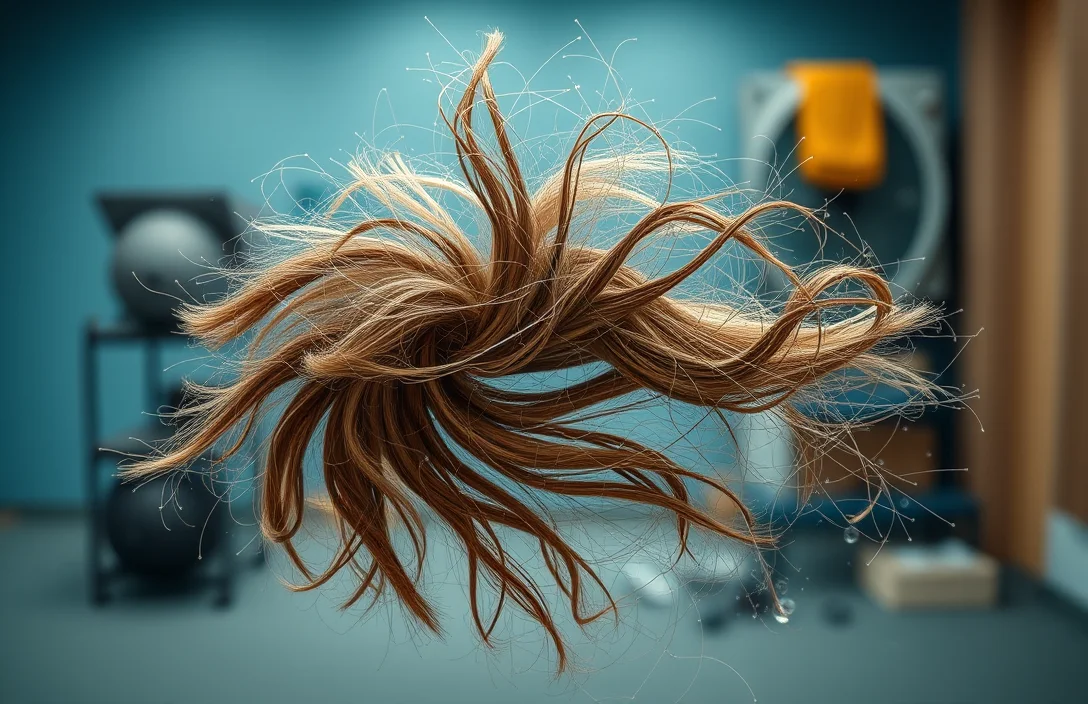
Hair vs. Steel: Exploring the Surprising Strength of Human Hair
No, human hair is not stronger than steel overall. However, the claim isn’t completely false. Human hair has an impressive tensile strength for its size and weight, which means a strand of hair can withstand a surprising amount of pulling force before breaking. When scientists compare materials based on strength-to-weight ratio or diameter, hair can sometimes outperform certain types of steel. In most real-world situations, though, steel remains far stronger, more durable, and better suited for carrying heavy loads.
Key Takeaways
- Human hair has a tensile strength of approximately 150–200 MPa.
- Steel typically ranges from 400–2,500 MPa in tensile strength.
- Hair has an excellent strength-to-weight ratio.
- Steel is significantly stronger in structural applications.
- The comparison depends on how “strength” is defined.
- Hair excels in flexibility, while steel excels in durability and load-bearing capacity.
What Does “Stronger” Actually Mean?
One reason the hair-versus-steel debate causes confusion is that strength can mean different things in materials science. A material may be strong in one category but weak in another. Before comparing hair and steel, it’s important to understand the different types of strength that scientists measure.
Tensile Strength
Tensile strength refers to a material’s ability to resist forces that pull it apart. Imagine grabbing both ends of a rope and pulling. The amount of force required to break that rope is related to its tensile strength.
Hair is particularly impressive in this area. A healthy strand of hair can stretch and absorb force before breaking. This flexibility allows it to handle stress better than many people realize.
Scientists measure tensile strength by gradually increasing force on a material until it snaps. This standardized testing method helps compare materials accurately.
Compressive Strength
Compressive strength measures how well a material withstands forces pushing it together. Buildings, bridges, and support columns rely heavily on compressive strength.
This is where steel easily outperforms hair. Hair fibers collapse under compression and are not designed to support heavy loads. Steel, on the other hand, can bear enormous weight without deforming.
For example, skyscrapers use steel beams because they maintain structural integrity under immense pressure. Hair simply cannot perform this function.
Shear Strength
Shear strength measures a material’s resistance to forces that attempt to slide one part of the material past another.
A simple example is using scissors to cut paper. The paper fails due to shear forces. Hair possesses some shear resistance, but steel remains vastly superior because of its rigid molecular structure.
In engineering applications such as bolts, fasteners, and machine components, high shear strength is essential. Steel’s performance in this category makes it indispensable for construction and manufacturing.
Human Hair Strength Explained
Hair may seem fragile because individual strands are thin, but its internal structure makes it surprisingly resilient. Understanding why hair is strong requires examining its composition.
What Makes Hair So Strong?
Hair consists primarily of keratin, a fibrous protein also found in nails, feathers, horns, and animal claws. Keratin molecules form long chains connected by chemical bonds, creating a structure capable of resisting significant stress.
Although hair appears simple on the outside, it contains multiple layers that work together to provide strength, flexibility, and durability.
Keratin Protein Structure
Keratin serves as the foundation of hair strength. These protein fibers are tightly packed together, creating a network that distributes force throughout the strand.
When tension is applied, keratin fibers stretch slightly before returning to their original shape. This elasticity allows hair to absorb force without immediately breaking.
Scientists often compare keratin’s structure to reinforced cables because of its ability to balance flexibility and strength.
Hair Cortex and Cuticle Layers
The cortex forms the thick middle section of the hair shaft and contains most of the hair’s keratin fibers. This layer determines much of hair’s strength, elasticity, and color.
Surrounding the cortex is the cuticle, a protective outer layer composed of overlapping scales. The cuticle shields the inner structure from environmental damage while helping maintain moisture balance.
Healthy cuticles contribute significantly to overall hair strength. Damaged cuticles can weaken strands and increase breakage.
Natural Elasticity
One of hair’s most remarkable properties is elasticity. Healthy hair can stretch by approximately 30% of its original length when wet and still return to its normal shape.
This flexibility helps explain why hair can withstand tension better than many brittle materials. Rather than snapping immediately under stress, hair distributes force across its structure.
How Much Weight Can a Single Hair Hold?
Many people are surprised to learn that a single strand of healthy human hair can support approximately 50 to 100 grams before breaking.
That may not sound impressive initially, but considering the tiny diameter of a hair strand, it’s remarkable. Multiply this strength across the average human head, which contains between 80,000 and 120,000 hairs, and the combined load-bearing capacity becomes substantial.
In theory, a full head of healthy hair could support several tons of weight if the load were distributed perfectly. In practice, factors such as uneven force distribution and scalp limitations make this impossible, but the calculation highlights hair’s impressive strength.
Hair’s strength also varies based on:
- Genetics
- Hair diameter
- Moisture levels
- Age
- Chemical treatments
- Overall health
A thick, healthy strand generally withstands more force than a fine or damaged strand.
Hair vs Steel: Side-by-Side Comparison
The easiest way to understand the differences between hair and steel is through direct comparison.
| Property | Human Hair | Steel |
|---|---|---|
| Tensile Strength | 150–200 MPa | 400–2,500 MPa |
| Weight | Extremely Light | Heavy |
| Flexibility | Very High | Low |
| Compression Resistance | Poor | Excellent |
| Durability | Moderate | Excellent |
| Structural Use | No | Yes |
| Elasticity | High | Moderate |
| Corrosion Resistance | Moderate | Varies by Type |
While hair demonstrates impressive performance relative to its size, steel dominates in most engineering categories.
Which Material Wins?
Winner for Tensile Strength Per Weight
Hair performs surprisingly well when comparing strength relative to weight. Because it weighs so little, its strength-to-weight ratio attracts significant scientific interest.
Winner for Overall Strength
Steel clearly wins. Its superior tensile, compressive, and shear strengths make it suitable for demanding structural applications.
Winner for Flexibility
Hair easily takes this category. Its natural elasticity allows it to bend and stretch without permanent deformation.
Winner for Durability
Steel remains the preferred material for long-term performance, especially in construction, transportation, and industrial settings.
Continuing with the next section of the article:
Why People Say Hair Is Stronger Than Steel
The statement “hair is stronger than steel” has been repeated for decades in science articles, documentaries, classrooms, and online discussions. While it sounds unbelievable, the claim comes from a real scientific observation. The confusion arises because people often compare different types of strength without understanding the context.
To determine whether the statement is true, it’s important to examine where the claim originated and what scientists actually mean when making this comparison.
The Origin of the Claim
Researchers studying biological materials discovered that human hair possesses remarkable tensile strength relative to its size. Because a strand of hair is extremely thin and lightweight, its ability to withstand pulling forces surprised scientists.
Over time, this observation evolved into the popular phrase that “hair is stronger than steel.” However, many people interpreted the statement literally, assuming hair outperforms steel in every measure of strength, which is not the case.
Strength-to-Weight Ratio Explained
One reason hair receives so much attention is its impressive strength-to-weight ratio.
Strength-to-weight ratio measures how strong a material is relative to its mass. Materials that are lightweight yet capable of handling significant force often perform well in this comparison.
For example:
- Hair weighs only a fraction of a gram.
- Despite its tiny mass, it can support up to 100 grams before breaking.
- Many modern engineering materials are evaluated using similar strength-to-weight comparisons.
This characteristic helps explain why hair is often described as exceptionally strong.
Diameter Comparisons
Another source of confusion comes from comparing materials of the same diameter.
A strand of human hair typically measures between 50 and 100 microns in diameter. If scientists compare a hair strand to an equally thin steel wire, the results can appear surprisingly close in certain tensile strength calculations.
However, practical engineering rarely uses steel wires as thin as human hair because steel is intended for completely different applications.
In real-world scenarios, steel beams, cables, and structural supports far exceed the capabilities of hair.
Media Misinterpretations
Many headlines simplify scientific findings to attract attention.
Statements such as:
- “Hair Is Stronger Than Steel”
- “Human Hair Beats Steel”
- “The Strongest Material on Earth Is on Your Head”
often leave out important context.
A more accurate statement would be:
“Human hair has an impressive tensile strength relative to its size and weight, but steel remains stronger overall.”
This distinction helps prevent misunderstanding and provides a clearer picture of how these materials compare.
Is the Claim Technically True?
The answer depends entirely on how strength is measured.
If you’re discussing:
Tensile Strength Relative to Weight
The claim contains some truth.
Hair performs remarkably well when its strength is compared to its extremely low weight. This makes it one of nature’s most efficient biological fibers.
Overall Structural Strength
The claim is false.
Steel dramatically outperforms hair in:
- Load-bearing capacity
- Compression resistance
- Shear resistance
- Durability
- Impact resistance
- Structural performance
This is why bridges, buildings, aircraft, and vehicles rely on steel rather than biological fibers.
Scientific Verdict
Scientists generally agree that hair is not stronger than steel in the way most people interpret the phrase.
Hair’s impressive properties deserve recognition, but they should not be confused with the comprehensive strength and durability of engineered metals.
Scientific Experiments Comparing Hair and Steel
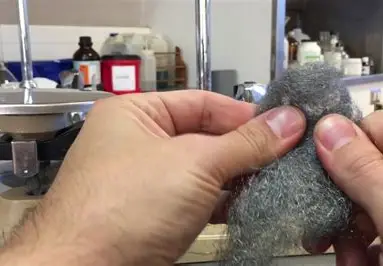
Researchers have conducted numerous laboratory experiments to measure the strength of human hair and compare it with other materials.
These tests provide objective data rather than relying on assumptions or popular myths.
Laboratory Tensile Tests
Tensile testing is the most common method used to evaluate material strength.
During testing:
- A sample is secured at both ends.
- Force is gradually applied.
- Researchers measure how much stress the material withstands.
- The test continues until failure occurs.
This process allows scientists to calculate tensile strength accurately.
How Scientists Test Hair
Testing hair presents unique challenges because individual strands are extremely thin.
Researchers often use:
- Specialized clamps
- Precision measuring equipment
- Controlled humidity environments
- High-resolution sensors
Hair samples are stretched slowly until they break, allowing scientists to measure:
- Maximum force
- Elasticity
- Elongation before failure
- Breaking point
Results consistently show that healthy human hair possesses remarkable resistance to pulling forces.
How Scientists Test Steel
Steel testing follows a similar process but involves much larger forces.
Engineers evaluate:
- Yield strength
- Ultimate tensile strength
- Ductility
- Fracture resistance
Different steel alloys produce different results, with some advanced aerospace steels exceeding 2,000 MPa in tensile strength.
This performance far exceeds the strength of human hair.
What Research Shows
Scientific studies repeatedly confirm several key findings:
Breaking Force Results
A single healthy hair strand can typically withstand between 50 and 100 grams of force before breaking.
Steel wires of similar dimensions often withstand greater forces, depending on the alloy and manufacturing process.
Elasticity Results
Hair demonstrates superior flexibility.
It can stretch significantly before failure, helping absorb stress more effectively than many rigid materials.
Durability Results
Steel remains far more durable under long-term stress.
Repeated loading, environmental exposure, and heavy impacts affect hair much more severely than properly engineered steel.
These experiments reinforce the same conclusion reached by materials scientists: hair is extraordinarily strong for a biological fiber, but steel remains the stronger material overall.
Factors That Affect Hair Strength
Not all hair is equally strong. While human hair has impressive tensile strength, several biological and environmental factors can significantly influence how much force a strand can withstand before breaking. Understanding these factors helps explain why some people experience stronger, healthier hair than others.
Hair Thickness
Hair diameter is one of the most important factors affecting strength.
Fine Hair
Fine hair has a smaller diameter and generally contains less keratin material per strand. Although it can still be resilient, fine hair tends to break more easily when exposed to excessive tension, heat, or chemical treatments.
Characteristics of fine hair:
- Smaller strand diameter
- More prone to breakage
- Often appears softer and lighter
- May struggle with heavy styling products
Medium Hair
Medium hair offers a balance between strength and flexibility. It typically tolerates styling, brushing, and environmental stress better than fine hair while remaining manageable.
Characteristics of medium hair:
- Balanced strength and elasticity
- Suitable for most hairstyles
- Less prone to damage than fine hair
- Common among many hair types
Coarse Hair
Coarse hair has the largest diameter and usually possesses greater tensile strength because each strand contains more structural protein.
Characteristics of coarse hair:
- Higher resistance to breakage
- Better durability under stress
- Greater load-bearing capacity
- Often requires more moisture to remain healthy
Hair Health
The condition of the hair shaft directly impacts strength.
Healthy Hair
Healthy hair maintains an intact cuticle layer and a strong cortex. These structures work together to resist physical stress and environmental damage.
Signs of healthy hair include:
- Smooth cuticles
- Natural shine
- Good elasticity
- Minimal breakage
Healthy hair can stretch and recover more effectively than damaged strands.
Damaged Hair
Hair damage weakens the internal protein structure. Repeated exposure to heat, UV radiation, harsh shampoos, and friction gradually reduces strength.
Common causes of damage:
- Excessive heat styling
- Frequent coloring
- Overwashing
- Sun exposure
- Mechanical stress from brushing
Damaged hair often snaps under forces that healthy hair could easily withstand.
Chemically Treated Hair
Bleaching, perming, relaxing, and coloring can alter keratin bonds within the hair shaft.
While modern treatments are safer than ever, excessive chemical processing can:
- Reduce tensile strength
- Increase porosity
- Cause dryness
- Increase breakage risk
This explains why heavily processed hair often feels weaker and more fragile.
Moisture Levels
Water plays a major role in hair performance.
Wet Hair vs Dry Hair
Wet hair behaves differently than dry hair because water temporarily alters the hydrogen bonds inside keratin fibers.
When wet:
- Hair becomes more elastic
- It stretches further before breaking
- It may feel softer and more flexible
However, excessive stretching while wet can still cause damage because the strand is more vulnerable to mechanical stress.
Humidity Effects
Environmental humidity affects hair strength and appearance.
High humidity:
- Increases moisture absorption
- Alters elasticity
- May cause swelling of the hair shaft
Low humidity:
- Promotes dryness
- Increases brittleness
- Makes breakage more likely
Maintaining proper hydration helps maximize hair’s natural strength.
Factors That Affect Steel Strength
Just as hair strength varies, steel strength depends on several factors. Not all steel is created equal. Different compositions and manufacturing processes can dramatically alter performance.
Type of Steel
The type of steel significantly impacts its strength, durability, and intended use.
Mild Steel
Mild steel contains relatively low carbon content and is one of the most commonly used steel types.
Characteristics:
- Affordable
- Easy to manufacture
- Good ductility
- Tensile strength around 370–550 MPa
It is commonly used in construction and automotive manufacturing.
Stainless Steel
Stainless steel contains chromium, which improves corrosion resistance.
Benefits include:
- Resistance to rust
- High durability
- Attractive appearance
- Tensile strength often between 520–1,600 MPa
It is widely used in medical devices, kitchen equipment, and industrial applications.
Carbon Steel
Carbon steel contains higher levels of carbon, increasing hardness and strength.
Advantages:
- Greater wear resistance
- Higher tensile strength
- Improved durability
Many tools, machine components, and cutting instruments use carbon steel.
Aerospace Alloys
Advanced aerospace steels and specialized alloys are engineered for extreme performance.
These materials can:
- Exceed 2,000 MPa tensile strength
- Resist extreme temperatures
- Handle enormous mechanical loads
Such steels demonstrate why comparisons between hair and steel must consider the specific steel type involved.
Heat Treatment
Manufacturing processes significantly influence steel performance.
Tempering
Tempering improves toughness by reducing brittleness after hardening.
Benefits:
- Better impact resistance
- Increased durability
- Improved reliability
Annealing
Annealing involves controlled heating and cooling.
This process:
- Relieves internal stress
- Improves machinability
- Enhances ductility
Hardening
Hardening increases steel strength and wear resistance.
Benefits include:
- Higher tensile strength
- Better load-bearing capability
- Greater resistance to deformation
Through these treatments, engineers can tailor steel properties for specific applications, something that is impossible with natural hair fibers.
Real-World Uses of Hair’s Strength
Although hair cannot replace steel in construction, its unique properties have inspired researchers, manufacturers, and innovators across multiple industries.
Textile Manufacturing
Human hair and animal hair fibers have been used in textiles for centuries.
Benefits include:
- Durability
- Flexibility
- Lightweight performance
- Natural insulation properties
Modern researchers continue exploring hair-based fabrics and blended materials.
Composite Materials
Scientists are developing composite materials that incorporate hair fibers.
Potential benefits:
- Reduced weight
- Improved sustainability
- Lower manufacturing costs
- Enhanced flexibility
These materials may find applications in automotive and consumer products.
Bioplastics
Hair is a renewable resource rich in keratin protein.
Researchers are investigating its use in:
- Biodegradable plastics
- Sustainable packaging
- Eco-friendly manufacturing
Such innovations could help reduce reliance on petroleum-based materials.
Medical Research
Hair’s biological structure has attracted interest in healthcare applications.
Potential uses include:
- Wound dressings
- Tissue engineering
- Drug delivery systems
- Biomedical materials
Keratin extracted from hair shows promise in several emerging medical technologies.
Environmental Applications
Hair can absorb oils and pollutants surprisingly effectively.
Environmental projects have used recycled hair to:
- Clean oil spills
- Filter contaminated water
- Support sustainable waste management initiatives
These applications demonstrate that hair’s value extends far beyond personal grooming and cosmetic purposes.
Continuing with the next detailed sections:
Common Myths About Hair and Steel
The debate about whether hair is stronger than steel has generated countless headlines, social media posts, and misconceptions. While hair is undoubtedly impressive, many popular claims oversimplify the science. Understanding these myths can help separate fact from fiction.
Myth #1: Hair Is Stronger Than Every Type of Steel
This is one of the most widespread misconceptions.
Fact
Human hair is not stronger than most steel types when comparing overall strength. Hair has a tensile strength of roughly 150–200 MPa, while many steel grades exceed 400 MPa and can reach more than 2,500 MPa.
The confusion comes from discussions about strength-to-weight ratio or comparisons involving extremely thin steel wires. In practical engineering applications, steel remains significantly stronger.
Why the Myth Exists
People often hear the statement without context. Scientific comparisons involving weight and diameter can be misleading when simplified into headlines.
A more accurate statement would be:
“Hair is exceptionally strong for its weight, but steel is stronger overall.”
Myth #2: Hair Can Replace Steel in Construction
Some people assume that if hair is stronger than steel, it could theoretically be used in buildings, bridges, or vehicles.
Fact
Hair lacks the structural properties required for construction.
Construction materials must withstand:
- Heavy compression
- Shear forces
- Environmental exposure
- Long-term stress
- Temperature fluctuations
Hair performs poorly in most of these categories compared to steel.
Why Steel Dominates Construction
Steel offers:
- High tensile strength
- Excellent compressive strength
- Long-term durability
- Predictable engineering properties
- Resistance to repeated loading
These qualities make steel one of the most important materials in modern infrastructure.
Myth #3: Wet Hair Is Stronger Than Dry Hair
Many people believe hair becomes stronger when wet because it stretches more.
Fact
Wet hair is actually more vulnerable to damage.
Although moisture increases elasticity, it also weakens some of the temporary bonds that help maintain structural integrity.
When wet, hair can:
- Stretch further
- Become more flexible
- Break more easily under excessive force
This is why hair experts recommend gentle handling after washing.
Scientific Explanation
Water penetrates the hair shaft and temporarily alters hydrogen bonds within keratin fibers. While this increases flexibility, it also makes hair more susceptible to mechanical damage from brushing, towel drying, and styling.
Myth #4: All Hair Has the Same Strength
Not every strand of hair is equally strong.
Fact
Hair strength varies significantly based on factors such as:
- Genetics
- Ethnicity
- Hair diameter
- Age
- Health
- Chemical treatments
For example, a healthy coarse hair strand generally withstands more force than a damaged fine strand.
Why This Matters
Scientists often report average tensile strength values, but individual results can vary considerably.
This variation explains why some people experience frequent breakage while others maintain strong, resilient hair even with regular styling.
Myth #5: Hair Is the Strongest Natural Fiber
Hair is incredibly strong, but it is not the strongest natural fiber known to science.
Fact
Several natural materials outperform human hair in specific categories.
Examples include:
- Spider silk
- Certain plant fibers
- Some marine biological materials
Spider silk, in particular, has attracted significant scientific interest because of its extraordinary combination of strength, elasticity, and lightweight structure.
Hair’s Unique Advantage
Although stronger materials exist, hair remains remarkable because it combines:
- Flexibility
- Durability
- Renewability
- Biological efficiency
This combination makes it one of nature’s most fascinating fibers.
Interesting Hair Strength Facts
The science of hair becomes even more fascinating when you look at some of the surprising facts researchers have discovered.
How Many Hairs Would It Take to Lift a Car?
A single healthy strand of hair can support approximately 50–100 grams before breaking.
Using an average value of 75 grams:
- 1 hair = 75 grams
- 1,000 hairs = 75 kilograms
- 10,000 hairs = 750 kilograms
A typical human head contains between 80,000 and 120,000 hairs.
In theory, the combined tensile strength of all the hair on one person’s head could support several tons of weight.
Of course, real-world limitations make this impossible because:
- The scalp would fail first.
- Force would not distribute evenly.
- Hair strands vary in strength.
Still, the calculation highlights hair’s remarkable tensile capabilities.
Can Hair Stop a Bullet?
The short answer is no.
Why Not?
Stopping a bullet requires:
- Massive energy absorption
- Impact resistance
- Structural thickness
- High-density protection
Hair lacks the density and structure necessary to absorb ballistic forces.
While hair can resist pulling stress effectively, it performs poorly against sudden high-speed impacts.
Modern body armor relies on specialized materials such as:
- Kevlar
- Ceramic composites
- Advanced synthetic fibers
These materials are engineered specifically for impact resistance.
Is Hair Stronger Than Copper Wire?
The answer depends on the type of comparison.
Tensile Strength
Human hair often compares surprisingly well against thin copper wires of similar diameter.
Conductivity
Copper wins easily.
Copper is one of the best electrical conductors available, while hair acts as an insulator.
Overall Utility
Both materials excel in completely different applications:
- Hair: biological protection and flexibility
- Copper: electrical systems and engineering
This demonstrates why strength alone does not determine a material’s usefulness.
Which Animal Has the Strongest Hair?
Several animals possess hair or hair-like fibers that rival or exceed human hair in strength.
Examples include:
Musk Ox
Produces qiviut, one of the world’s warmest and most durable natural fibers.
Horse
Horsehair is thicker and often stronger than human hair, making it useful for brushes and musical instruments.
Wild Boar
Boar bristles possess exceptional durability and stiffness.
Polar Bear
Polar bear fur combines insulation with impressive structural properties that help animals survive extreme Arctic conditions.
Studying these fibers helps scientists develop advanced materials inspired by nature.
Frequently Asked Questions
Is human hair stronger than steel?
Not overall. Human hair is often described as stronger than steel because of its impressive tensile strength relative to its weight and size. However, most types of steel have significantly higher tensile strength, compressive strength, and durability. Hair is remarkably strong for a biological fiber, but steel remains the stronger material in real-world engineering and construction applications.
How much weight can one strand of hair hold?
A healthy strand of human hair can typically support between 50 and 100 grams before breaking. The exact amount depends on factors such as hair thickness, health, moisture levels, and genetics. Coarse, healthy hair generally holds more weight than fine or damaged hair.
Why is human hair so strong?
Hair derives its strength from keratin, a fibrous protein that forms tightly bonded structures within the hair shaft. The cortex, which contains most of the keratin fibers, provides tensile strength and elasticity. This unique structure allows hair to stretch and absorb force without immediately breaking.
Is wet hair stronger than dry hair?
No. Wet hair is more elastic, meaning it can stretch further before snapping, but it is generally more vulnerable to damage. Water weakens some of the temporary bonds within the hair shaft, making wet hair more susceptible to breakage during brushing, styling, or pulling.
Can hair be used as a building material?
Hair is not suitable as a primary structural building material because it lacks the compressive and shear strength needed for construction. However, researchers have explored using hair fibers in composite materials, insulation products, concrete reinforcement, and environmentally friendly building applications.
What is stronger than steel?
Several materials can outperform certain types of steel in specific situations, including:
- Spider silk (strength-to-weight ratio)
- Carbon nanotubes
- Graphene
- Kevlar
- Advanced aerospace alloys
- Diamond in hardness measurements
The answer depends on the type of strength being measured, such as tensile strength, hardness, impact resistance, or compression resistance.
How many strands of hair would equal a steel cable?
There is no exact number because steel cables vary greatly in size and composition. In theory, thousands of hair strands bundled together could match the tensile strength of some small steel wires. However, steel cables maintain superior durability, reliability, and load-bearing performance under real-world conditions.
Is hair stronger than copper wire?
In some tensile strength comparisons involving equal diameters, human hair can perform surprisingly well against thin copper wire. However, copper offers advantages that hair cannot match, including electrical conductivity, corrosion resistance, and industrial durability.
Does hair strength decrease with age?
Yes. As people age, hair often becomes thinner, drier, and more fragile. Changes in hormone levels, scalp health, and keratin production can reduce hair’s tensile strength and increase susceptibility to breakage.
Does hair color affect hair strength?
Natural hair color itself has little effect on strength. However, chemical coloring, bleaching, and other processing treatments can weaken the hair shaft by altering its protein structure and increasing porosity.
What is the strongest type of human hair?
Coarse, healthy, untreated hair generally exhibits the highest tensile strength. Hair with a larger diameter contains more keratin fibers, allowing it to withstand greater force before breaking.
Can damaged hair regain its original strength?
Hair cannot fully repair itself because it consists of non-living tissue. However, conditioning treatments, protein masks, bond-building products, and proper hair care can improve appearance, reduce breakage, and temporarily strengthen damaged strands.
Why do scientists compare hair and steel?
Scientists compare hair and steel to demonstrate how strength can be measured in different ways. The comparison highlights the importance of understanding concepts such as tensile strength, strength-to-weight ratio, elasticity, and material properties rather than relying on simple assumptions about size or appearance.
Is hair one of the strongest natural fibers?
Yes. Human hair is considered one of the strongest natural fibers produced by the body. While materials such as spider silk may outperform it in some categories, hair remains exceptionally strong relative to its diameter, weight, and biological function.
What is the final answer: Is hair stronger than steel?
The most accurate answer is that hair is not stronger than steel overall. However, human hair possesses remarkable tensile strength for its size and weight, which is why the comparison became popular. Steel remains vastly superior in construction, engineering, manufacturing, and most practical applications, while hair stands out as one of nature’s most impressive biological fibers.
Final Verdict
Hair is incredibly strong for its size and weight, but steel remains far stronger in nearly every practical application. The claim that hair is stronger than steel is only partially true when discussing tensile strength relative to weight or diameter.

- 10 Best Hair Oil For Natural Black Hair Buyer Guide 2026 - October 25, 2026
- 10 Best Hair Oil For Natural Hair Buyer Guide 2026 - October 25, 2026
- 10 Best Hair Oil For New Hair Growth Buyer Guide 2026 - October 25, 2026