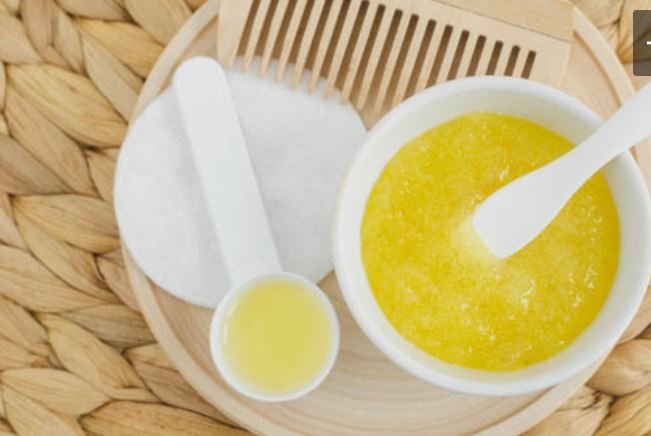
10 Homemade Deep Hair Conditioning Formulas for Soft, Strong, Healthy Hair
Dry, rough, and damaged hair often comes from heat styling, pollution, chemical treatments, and poor nutrition. Deep conditioning helps restore moisture, strength, and shine by penetrating the hair shaft instead of working only on the surface. Homemade formulas use natural ingredients like coconut oil, yogurt, honey, aloe vera, and eggs to repair damage and improve texture. These treatments support hydration, reduce frizz, and improve overall hair health without harsh chemicals. The following 10 homemade deep hair conditioning formulas are simple to prepare, affordable, and suitable for most hair types. Each recipe focuses on restoring softness, strength, and long-term hair health.
Deep Conditioning Hair Mask with Coconut Oil and Honey
Coconut oil and honey are two of the most effective natural hair conditioning ingredients available. Coconut oil penetrates the hair shaft and reduces protein loss. Honey draws moisture in and holds it there. Together they deliver deep hydration, repair visible damage, and leave hair noticeably softer after a single use. This mask suits dry, damaged, and normal hair types.
Ingredients
- 2 tablespoons of virgin coconut oil
- 1 tablespoon of raw honey
- 1 tablespoon of olive oil
- 5 drops of vitamin E oil (optional)
How to Prepare
Step-by-step mixing process
Measure the coconut oil into a small bowl. If it is solid, place the bowl in warm water for two to three minutes until it melts completely. Add the raw honey and stir thoroughly until both ingredients are fully combined. Add the olive oil and vitamin E oil if using. Mix until the formula is smooth and uniform in texture. The mixture should be warm and fluid, not stiff. Test the temperature on your wrist before applying to avoid scalp irritation.
Application method
Start with dry or slightly damp hair. Divide your hair into four sections and clip each one separately. Apply the mixture from root to tip on each section, working it through with your fingers. Pay extra attention to the ends, which carry the most damage. Once all sections are coated, pile your hair on top of your head and cover with a shower cap. Wrap a warm towel over the cap or sit under a hooded dryer on a low setting for 45 minutes. Rinse with cool water first, then follow with a gentle sulfate-free shampoo. Finish with a cool water rinse to seal the cuticle.
Benefits
Hair moisture boost
Honey is a natural humectant that pulls water molecules from the surrounding environment directly into the hair shaft. Combined with coconut oil, which seals that moisture inside by coating the cuticle, the result is hair that holds hydration for longer between washes. Regular use reduces the rough, dry texture caused by moisture loss and keeps hair feeling soft and flexible throughout the week.
Damage repair
Coconut oil contains lauric acid, which bonds to hair proteins and penetrates the cortex of the hair shaft. This reduces the protein loss that occurs during washing, heat styling, and everyday friction. Vitamin E oil supports cuticle repair by neutralizing oxidative stress on the hair shaft. Over time, consistent use visibly reduces breakage, split ends, and the brittle texture associated with heat and chemical damage.
Banana and Yogurt Deep Hair Conditioner
Banana and yogurt combine silica, potassium, lactic acid, and protein in a single formula that softens, strengthens, and smooths. Banana feeds the hair shaft with minerals that improve elasticity. Yogurt delivers a gentle acid that closes the cuticle and protein that fills structural gaps. This mask is particularly effective for frizzy, dry, or chemically treated hair that needs both moisture and definition.
Ingredients
- 1 ripe banana
- 3 tablespoons of full-fat plain yogurt
- 1 tablespoon of honey
- 1 tablespoon of coconut oil
How to Prepare
Mask blending method
Peel the banana and break it into chunks. Place in a blender with the yogurt, honey, and melted coconut oil. Blend on high for at least two minutes until the mixture is completely smooth with no visible banana chunks. This step is critical. Banana contains fibrous particles that get trapped in the hair if not fully blended. After blending, pour the mixture through a fine mesh sieve and press it through with a spoon to catch any remaining pieces. The final texture should be a smooth, pourable cream.
Application steps
Apply the mask to clean, towel-dried hair that is damp but not dripping. Section the hair into four parts. Work the mask through each section from roots to ends using your fingers and a wide-tooth comb to ensure even distribution. The mask should coat every strand completely. Once applied, cover with a shower cap and leave for one hour. For deeper penetration, wrap a warm towel around the cap during the first 20 minutes. Rinse thoroughly with cool water until the water runs clear. Follow with a light rinse conditioner if the hair feels any residue.
Benefits
Frizz control
Frizz forms when the hair cuticle is raised and rough, allowing moisture from the air to enter unevenly and push strands in different directions. Yogurt’s lactic acid gently lowers the pH of the hair, which causes the cuticle scales to flatten and lie smooth. A smooth cuticle reflects light evenly, resists humidity, and produces the sleek, defined texture that frizzy hair lacks. Banana adds potassium that improves elasticity, reducing the puffiness that comes from dry, structurally weak strands.
Softness improvement
Full-fat yogurt contains fat, protein, and water that work simultaneously on multiple levels of the hair shaft. The fat coats and softens. The protein fills weak spots that create rough texture. The water content hydrates without weight. Honey adds further softness by attracting and holding moisture inside the strand. After rinsing, the hair feels distinctly softer to the touch and moves with more fluidity than before treatment.
Aloe Vera and Olive Oil Hair Repair Mask
Aloe vera and olive oil address two of the most common hair problems at once: scalp irritation and structural dryness. Aloe vera soothes, hydrates, and feeds the scalp while its keratin-like composition penetrates and repairs the hair shaft. Olive oil delivers antioxidants, fatty acids, and fat-soluble vitamins that repair damage and restore elasticity. This mask suits all hair types and is particularly effective for dry scalp, dandruff, and brittle hair.
Ingredients
- 3 tablespoons of fresh aloe vera gel
- 2 tablespoons of extra virgin olive oil
- 1 tablespoon of castor oil
- 1 teaspoon of apple cider vinegar diluted in 4 teaspoons of water
How to Prepare
Mixing process
Scoop the aloe vera gel directly from a fresh leaf if available. Store-bought gel works but choose a variety with no added alcohol or artificial fragrance. Combine the aloe vera gel, olive oil, and castor oil in a bowl. Whisk vigorously until the oils are incorporated into the gel as evenly as possible. Add the diluted apple cider vinegar last and stir again. The mixture will not fully emulsify without a blender but should be as combined as possible. For a smoother result, blend all ingredients together for 30 seconds before use.
Application guide
Apply to dry hair before washing for maximum oil penetration. Work the mask into the scalp first using your fingertips in slow circular motions for three to five minutes. This stimulates blood flow to the follicles and ensures the aloe vera and castor oil reach the scalp where they are most needed. Then work the remaining mixture down through the lengths and ends. Cover with a shower cap and apply gentle heat for 30 to 45 minutes. Rinse with cool water, then shampoo once with a gentle cleanser. Finish with a cool rinse to seal the cuticle.
Benefits
Scalp hydration
Aloe vera contains polysaccharides that bind to water and deliver it directly to dry scalp tissue. Its anti-inflammatory compounds reduce redness, itching, and flaking caused by dryness and mild dandruff. Castor oil’s ricinoleic acid increases scalp circulation, which improves nutrient delivery to the hair follicle. A well-hydrated, well-nourished scalp produces stronger hair from the root and is less likely to develop the chronic dryness that leads to itching, flaking, and excess oil production.
Hair strengthening
Olive oil contains squalene and oleic acid that penetrate the cortex of the hair shaft and reinforce its internal structure. Aloe vera’s amino acid content mimics the keratin protein that hair is made of, allowing it to fill gaps and weak points in damaged strands. Apple cider vinegar closes the cuticle tightly after the treatment, locking in every ingredient and creating a smooth, sealed surface that is physically stronger and more resistant to breakage than an open, damaged cuticle.
Egg and Coconut Milk Protein Hair Mask
Protein is the foundation of healthy hair. Every strand is made of keratin, a structural protein that breaks down under heat, chemical, and mechanical stress. When protein levels drop, hair becomes elastic in the wrong way, stretching and snapping rather than bouncing back. Egg and coconut milk deliver bioavailable protein and fat in a formula that rebuilds structural integrity, adds thickness, and restores the bounce that damaged hair loses. This mask is essential for high-porosity, heat-damaged, or chemically treated hair.
Ingredients
- 2 whole eggs
- 4 tablespoons of full-fat coconut milk
- 1 tablespoon of honey
- 1 tablespoon of argan oil
How to Prepare
Whisking process
Crack both eggs into a bowl and whisk until the yolks and whites are fully combined with no streaks. Add the coconut milk and continue whisking until incorporated. Add the honey and argan oil and whisk again until the mixture is smooth and slightly frothy. The consistency should be similar to a thin batter that flows easily through the hair. Do not use a blender as the heat from the motor can begin to warm the eggs and alter their protein structure before application. Work quickly and apply immediately after mixing.
Application method
Apply to dry hair only. The proteins in egg absorb more effectively into a dry hair shaft than a wet one. Section the hair and apply the mixture from root to tip, squeezing it into each section with your hands to ensure the protein reaches inside the strand. Comb through each section with a wide-tooth comb after application. Cover with a shower cap. Do not use heat with protein treatments. Heat sets the egg and prevents it from rinsing cleanly. Leave on for 30 minutes at room temperature. Rinse thoroughly with cool water for several minutes until all residue is gone, then follow with a moisturizing conditioner to balance the protein with hydration.
Benefits
Protein repair
Egg white contains albumin and other proteins that bond to damaged areas of the hair shaft where the cuticle is cracked or missing. This temporary repair fills weak spots, reduces breakage, and restores the smooth texture that protein-depleted hair loses. Coconut milk adds lauric acid that penetrates and delivers fat alongside protein, preventing the stiffness that protein-only treatments sometimes cause. Hair feels stronger, more resilient, and noticeably thicker in texture after treatment.
Hair thickness
Each hair strand coated with egg protein physically increases in diameter as the protein adheres to the outer cuticle layer. This creates a visible thickness and volume that fine or thinning hair lacks. Coconut milk fat surrounds each coated strand, adding further body and a smooth texture that makes hair easier to style and more resistant to the limp, flat appearance that protein-depleted fine hair presents. With regular use every two weeks, this thickening effect compounds over time.
Avocado and Honey Deep Conditioning Mask
Avocado is one of the most nutrient-dense conditioning ingredients available for dry hair. Its combination of vitamins A, D, E, and B6, monounsaturated fats, amino acids, and antioxidants penetrates the hair shaft and addresses dryness at its source. Honey adds humectant power that draws moisture in and holds it there. Together they form a deeply nourishing mask that transforms dry, brittle, dull hair into soft, moisturized, and noticeably shinier strands after a single treatment.
Ingredients
- 1 ripe avocado
- 2 tablespoons of raw honey
- 1 tablespoon of jojoba oil
- 1 tablespoon of apple cider vinegar diluted in 4 teaspoons of water
How to Prepare
Mashing process
Choose a fully ripe avocado. The flesh should yield completely to pressure with no firm spots. Cut in half, remove the stone, and scoop the flesh into a blender. Add the honey, jojoba oil, and diluted apple cider vinegar. Blend on high for two minutes until the mixture is completely smooth. Avocado has a creamy texture when fully ripe that blends well, but any remaining lumps will be difficult to rinse from thick or curly hair. Check the texture after blending and blend for a further minute if any unevenness remains. The final mixture should be a smooth, spreadable green cream.
Application steps
Apply to clean, damp hair after shampooing. Squeeze out excess water before application so the mask adheres to the hair rather than sliding off with water. Work the mask through the hair in sections from root to tip, pressing it into the hair shaft with your palms rather than just coating the surface. For dry, coarse, or curly hair, apply generously and work through with a wide-tooth comb. For fine hair, use a lighter application and focus on the mid-lengths and ends. Cover with a shower cap and leave on for one hour. Rinse with cool water until the water runs completely clear.
Benefits
Dry hair repair
Avocado’s monounsaturated fats penetrate the cortex of the hair shaft, replenishing the lipid layer that dry and damaged hair loses. Vitamin E inside the avocado repairs oxidative damage to the cuticle caused by sun exposure, heat styling, and chemical treatments. Jojoba oil mimics the scalp’s natural sebum and delivers lightweight moisture that dry hair absorbs rapidly. After rinsing, hair that was previously rough, brittle, and difficult to manage feels soft, flexible, and noticeably easier to comb through without breakage.
Shine boost
Shine comes from light reflecting off a flat, smooth cuticle surface. Dry, damaged hair has a rough, raised cuticle that scatters light rather than reflecting it. Avocado’s fatty acids smooth the cuticle physically by filling gaps and laying the scales flat. Apple cider vinegar lowers the pH of the hair after the mask is rinsed, causing the cuticle to close completely and creating the smooth, sealed surface that reflects light most effectively. Honey’s moisture content keeps the cuticle supple so it stays flat and reflective between treatments.
Rice Water and Aloe Vera Conditioning Treatment
Rice water has been used as a hair treatment in East and Southeast Asia for centuries. It contains inositol, a carbohydrate that penetrates damaged hair and repairs it from inside, along with amino acids, vitamins B and E, and minerals that strengthen the hair shaft and support follicle health. Fermented rice water contains these compounds in higher concentrations and adds organic acids that improve absorption. Combined with aloe vera, this treatment delivers measurable strength improvement and supports healthy hair growth with consistent use.
Ingredients
- Half a cup of uncooked white rice
- 2 cups of water
- 3 tablespoons of fresh aloe vera gel
- 5 drops of rosemary essential oil
How to Prepare
Fermentation process
Rinse the rice thoroughly under cold water to remove surface starch and impurities. Place the rinsed rice in a bowl with two cups of clean water and leave to soak at room temperature for 24 to 48 hours. The water will turn slightly cloudy and develop a mild, sour smell as natural fermentation begins. This fermentation process increases the concentration of beneficial organic acids and antioxidants. After the fermentation period, strain the rice out completely and collect the water in a clean jar. Add the aloe vera gel and rosemary essential oil to the strained rice water and stir well. The treatment is now ready to use. Store unused portions in the refrigerator for up to one week.
Application method
Shampoo your hair as normal and rinse out completely. Do not apply rinse conditioner before this treatment. Towel dry lightly so the hair is damp but not dripping. Pour the rice water and aloe vera mixture over your hair or apply it section by section using a spray bottle for easier distribution. Work the liquid through the hair from root to tip with your fingers, massaging gently into the scalp for two to three minutes. Leave on for 20 to 30 minutes without rinsing. For a deeper treatment, cover with a shower cap during this time. Rinse thoroughly with cool water. Follow with your usual conditioner if the hair feels any tightness after rinsing.
Benefits
Hair growth support
Inositol in rice water is the key ingredient for growth support. Unlike most conditioning compounds that sit on the surface of the hair, inositol penetrates and remains inside the hair shaft even after rinsing, providing ongoing repair and protection between treatments. Rosemary essential oil increases scalp circulation, which delivers more oxygen and nutrients to the hair follicle and is backed by clinical research showing results comparable to minoxidil in stimulating hair regrowth. Consistent use of this treatment two to three times per week supports the scalp environment needed for active, healthy growth.
Strength improvement
The amino acids in fermented rice water bond to the protein structure of the hair shaft, reinforcing weak points and reducing elasticity loss that leads to breakage. Vitamin B5 in the rice water strengthens the hair root and adds resilience to the entire strand. Aloe vera’s keratin-like compounds work alongside the rice water proteins to repair structural damage from the inside out. Hair treated regularly with this combination breaks less during combing, resists damage from heat styling, and grows longer because it retains length instead of breaking at the ends.
Coconut Milk and Fenugreek Hair Mask
Fenugreek is one of the most effective natural ingredients for hair fall and scalp health. Its seeds contain lecithin, a natural emollient that coats and strengthens the hair shaft, along with protein, nicotinic acid, and compounds that stimulate the scalp and reduce hair fall caused by thinning follicles. Coconut milk adds lauric acid, fat, and protein that nourish the scalp and condition the hair simultaneously. This mask addresses hair fall, weak roots, and scalp nutrition in a single treatment.
Ingredients
- 2 tablespoons of fenugreek seeds
- 4 tablespoons of full-fat coconut milk
- 1 tablespoon of coconut oil
- 1 teaspoon of lemon juice
How to Prepare
Soaking and blending
Place the fenugreek seeds in a small bowl and cover completely with water. Soak overnight for a minimum of eight hours. The seeds will absorb water, swell, and develop a thick, mucilaginous coating that is key to the mask’s conditioning and strengthening properties. After soaking, drain the water and transfer the swollen seeds to a blender. Add the coconut milk, coconut oil, and lemon juice. Blend on high for two to three minutes until the mixture forms a smooth paste with no whole seeds remaining. The texture should be thick and spreadable. Add a small amount of additional coconut milk if the mixture is too stiff to spread easily.
Application steps
Apply to the scalp first. Use your fingertips to work the paste into the scalp in slow circular motions, covering the entire scalp from the hairline to the nape of the neck. This direct scalp application is essential for fenugreek’s hair fall benefits. Work any remaining paste through the lengths and ends of the hair. Cover with a shower cap and leave on for 45 minutes to one hour. Rinse thoroughly with cool water, which may take several minutes due to the thickness of the mask. Shampoo once with a gentle cleanser to remove all residue and finish with a cool water rinse.
Benefits
Hair fall reduction
Fenugreek contains compounds including diosgenin and trigonelline that strengthen the hair root and improve anchorage within the follicle. Lecithin in the seeds coats each strand with a natural conditioning layer that reduces mechanical breakage from brushing and styling. Coconut milk protein reinforces the hair shaft from root to tip, reducing the fragility that causes hair to snap at the root or mid-shaft. Consistent weekly use reduces hair fall caused by weak follicles, mechanical damage, and nutritional deficiency at the scalp level.
Scalp nourishment
Coconut milk delivers medium-chain fatty acids that absorb into the scalp skin, providing fat-soluble vitamins and moisture that a dry, undernourished scalp needs. Lemon juice gently exfoliates dead skin cells and product buildup that block follicles and inhibit healthy hair production. Fenugreek’s anti-inflammatory properties reduce scalp redness and irritation that disrupt the follicle cycle. A well-nourished scalp produces hair from a stronger, healthier base, which is reflected in improved root strength and reduced shedding over time.
Yogurt and Honey Deep Moisturizing Hair Mask
Yogurt and honey are a simple but highly effective pairing for hair that needs deep moisture without the heaviness of oil-based treatments. Yogurt’s lactic acid gently cleanses, smooths the cuticle, and delivers protein and fat. Honey attracts and locks in moisture at every level of the hair shaft. This mask suits all hair types including fine and oily hair that cannot tolerate heavy oil-based treatments. It is one of the most practical and consistently effective homemade conditioning formulas available.
Ingredients
- 4 tablespoons of full-fat plain yogurt
- 2 tablespoons of raw honey
- 1 tablespoon of aloe vera gel
- 1 teaspoon of vitamin E oil
How to Prepare
Mixing method
Measure the yogurt into a bowl at room temperature. Cold yogurt from the refrigerator is difficult to apply and causes scalp discomfort. Add the honey and stir until fully incorporated. The mixture should be smooth and pourable. Add the aloe vera gel and vitamin E oil and stir again until the formula is uniform. No heat or blending is required for this mask. The ingredients combine easily and the resulting texture is smooth enough to distribute evenly through all hair types including thick and curly hair with thorough application.
Application process
Apply to clean, damp hair after shampooing. Section the hair and work the mask through each section from root to tip with your fingers. Yogurt has enough slip to distribute easily without a comb. For thick or curly hair, use a wide-tooth comb after finger application to ensure even distribution. The mask should coat every strand in a thin, even layer. Cover with a shower cap and leave on for 30 to 45 minutes. Rinse with cool water until all residue is removed. The hair will feel noticeably smooth immediately during rinsing, which confirms the lactic acid has flattened the cuticle effectively.
Benefits
Deep hydration
Honey is arguably the most effective natural humectant available for hair. It attracts water molecules from the air and pulls them into the hair shaft through the cuticle, delivering moisture to the cortex where dryness originates. Yogurt’s water content adds immediate surface hydration while its fat content prevents that moisture from evaporating after rinsing. Aloe vera reinforces the hydration by contributing its own water-binding polysaccharides. The result is hair that feels deeply hydrated rather than just surface-coated, and that holds that hydration for longer between washes.
Smooth texture
Lactic acid in yogurt is a mild alpha hydroxy acid that dissolves the protein bonds holding raised cuticle scales in a rough, open position. Once those bonds relax, the cuticle scales lie flat and smooth. A flat cuticle surface reduces friction between strands, which reduces tangles, breakage from combing, and the rough, coarse texture that dry hair develops. Vitamin E oil reinforces the smooth surface by sealing the cuticle with a fine lipid layer after the lactic acid has done its work. The combined effect is a noticeably smoother, sleeker texture from root to tip.
Banana and Olive Oil Repair Hair Mask
Banana and olive oil address two specific problems that damaged hair faces: structural weakness and split ends. Banana delivers silica that strengthens the hair shaft and potassium that restores flexibility. Olive oil penetrates deep into the cortex and repairs the lipid layer that holds the hair shaft together. Split ends form when the cortex splits because the protective cuticle has worn away. This mask cannot reverse existing splits but reduces the rate at which new ones form by reinforcing the cuticle and restoring internal moisture.
Ingredients
- 1 ripe banana
- 2 tablespoons of extra virgin olive oil
- 1 tablespoon of castor oil
- 1 tablespoon of full-fat yogurt
How to Prepare
Blending process
Peel the banana and place in a blender. Add the olive oil, castor oil, and yogurt. Blend on high for at least two to three minutes until the mixture is completely smooth and no banana particles remain. This step requires more blending time than most masks because banana fiber is persistent and clings to hair strands if not fully broken down. After blending, test the texture by rubbing a small amount between your fingers. If any graininess is detectable, blend for a further minute. Strain through a fine mesh sieve as a final step to catch any remaining particles before application.
Application method
Apply to dry hair before washing for the deepest oil penetration. Start at the ends, which carry the most damage and the greatest split end risk. Work the mask up through the mid-lengths and then apply any remaining mixture to the roots. Use your fingers and a wide-tooth comb to ensure every strand is thoroughly coated. Pay extra attention to the ends by squeezing small sections between your palms to press the oils into the hair shaft. Cover with a shower cap and leave on for one hour. Apply a warm towel over the cap for the first 20 minutes to open the cuticle and encourage olive oil penetration. Rinse with cool water, then shampoo and finish with a cool rinse.
Benefits
Split end control
Split ends form at the point where the cuticle has worn completely away, leaving the inner cortex exposed and vulnerable to splitting under tension. Olive oil’s squalene and oleic acid penetrate the cortex and restore the internal lipid structure that holds the strand together, reducing the brittleness that leads to splitting. Castor oil coats the exposed ends with a protective layer that reduces friction and moisture loss at the most vulnerable point of the hair shaft. Regular use of this mask significantly slows the rate of new split end formation, extending the time between haircuts for people growing their hair.
Hair softness
Banana’s potassium content directly improves hair elasticity, which is the physical property responsible for the soft, pliable feel of healthy hair. Hair that lacks elasticity feels wiry, rough, and resistant rather than soft and flexible. Olive oil delivers fat-soluble vitamins A and E that repair the cuticle and restore the natural softness that heat and chemical damage remove. Yogurt’s lactic acid smooths the cuticle surface, reducing the rough texture that makes dry hair feel coarse to the touch. The combination produces a softness that is structural rather than cosmetic, meaning it persists through multiple washes rather than washing out immediately.
Onion Juice and Coconut Oil Hair Growth Mask
Onion juice is one of the few natural hair growth ingredients supported by clinical research. A study published in the Journal of Dermatology found that applying onion juice to the scalp twice weekly produced significant hair regrowth in participants with alopecia areata. Its high sulfur content supports keratin production, improves scalp circulation, and has demonstrated antibacterial and antifungal properties that address the scalp conditions that inhibit healthy growth. Coconut oil neutralizes the strong odor, conditions the scalp, and carries the sulfur compounds deeper into the follicle for better results.
Ingredients
- 2 medium onions
- 2 tablespoons of virgin coconut oil
- 5 drops of peppermint essential oil
- 1 teaspoon of castor oil
How to Prepare
Juice extraction
Peel and roughly chop the onions. Place in a blender or food processor and blend until completely pulped. Transfer the pulp to a piece of cheesecloth or a fine mesh sieve set over a bowl. Squeeze and press the pulp firmly to extract as much juice as possible. A medium onion typically yields two to three tablespoons of juice. Discard the pulp and collect the clear, amber-colored juice in the bowl. The juice can also be extracted using a centrifugal juicer if available, which produces a cleaner result more quickly. Use the juice immediately for the highest concentration of active sulfur compounds.
Mixing process
Add the melted coconut oil, peppermint essential oil, and castor oil to the onion juice and stir well. The oil and juice will not fully combine but stir until as incorporated as possible. Peppermint essential oil serves two purposes. It adds a fresh scent that helps neutralize the onion smell and its menthol content independently stimulates scalp circulation and follicle activity. The mixture should be applied immediately after mixing while the onion juice is at its most potent. Do not store this formula as onion juice oxidizes and loses effectiveness quickly.
Benefits
Hair regrowth support
Sulfur in onion juice is the primary driver of its regrowth effects. Sulfur is a critical component of keratin, the protein that forms the hair shaft. A sulfur-rich scalp environment supports stronger keratin production and faster cell turnover in the follicle. The quercetin in onion juice is a potent antioxidant that reduces the oxidative stress on follicle cells that contributes to thinning and dormancy. Peppermint oil increases dermal thickness and follicle number according to animal studies, adding its own stimulating effect to the scalp environment alongside the onion juice sulfur compounds.
Scalp stimulation
Onion juice increases blood flow to the scalp by dilating the small blood vessels that supply the hair follicle with oxygen and nutrients. Better circulation means each follicle receives more of the building blocks it needs to produce strong, fast-growing hair. Castor oil contributes ricinoleic acid, which further improves scalp circulation and has anti-inflammatory properties that reduce the follicle inflammation associated with pattern thinning and stress-related hair loss. Coconut oil absorbs into the scalp and delivers nourishing fatty acids directly to the follicle base, completing a comprehensive scalp treatment that works on circulation, nutrition, and structural support simultaneously.

- 10 Best Hair Oil For Oily Hair Buyer Guide 2026 - October 26, 2026
- 10 Best Hair Oil For Oily Scalp Buyer Guide 2026 - October 26, 2026
- 10 Best Hair Oil For Newborn Baby Girl Buyer Guide 2026 - October 25, 2026