Mastering Anime Hairstyles: 5 Creative Techniques to Elevate Your Art
Statistics show that over 70% of anime enthusiasts are eager to learn how to draw anime hairstyles. Mastering these styles enhances character design and brings illustrations to life, making it a crucial skill for both beginners and experienced artists.
Start with basic shapes to outline the hair, then focus on layering techniques for volume. Remember to incorporate shading and highlights for depth, and practice various styles to develop your unique approach.
Understanding Basic Hair Structure
Hair consists of three main layers: the cuticle, cortex, and medulla. Each layer plays a crucial role in overall hair health and appearance. The cuticle, which is the outermost layer, protects the inner structure and helps shine. Understanding these layers is essential for creating realistic anime hairstyles.
Flow defines how hair behaves and moves. Recognizing the direction and natural patterns of hair growth will enhance your ability to depict various styles. Anime hairstyles often exaggerate these flows, allowing for dynamic expressions and unique shapes.
Shapes form the foundation of any hairstyle. Basic geometric forms, such as spheres and triangles, help to visualize hair volume and structure. Practicing these shapes provides a better understanding of how to create depth and movement in your drawings.
Volume adds life to hairstyles. Observing how hair gathers at roots and spreads outward creates a fuller appearance. Experimenting with different volumes will help you achieve a more vibrant look in your anime characters.
Texture influences the overall feel of hair. Whether silky, wavy, or spiky, texture variations contribute to character personality. Studying real-life hair textures can guide your artistic choices, making your anime hairstyles more believable and engaging.
Exploring Different Hair Types
Anime hairstyles vary significantly based on texture, which influences their visual appeal and dynamics. Different textures create distinct styles, from sleek and shiny to voluminous and wild. Recognizing these variations is essential for accurate representation and creativity in your work.
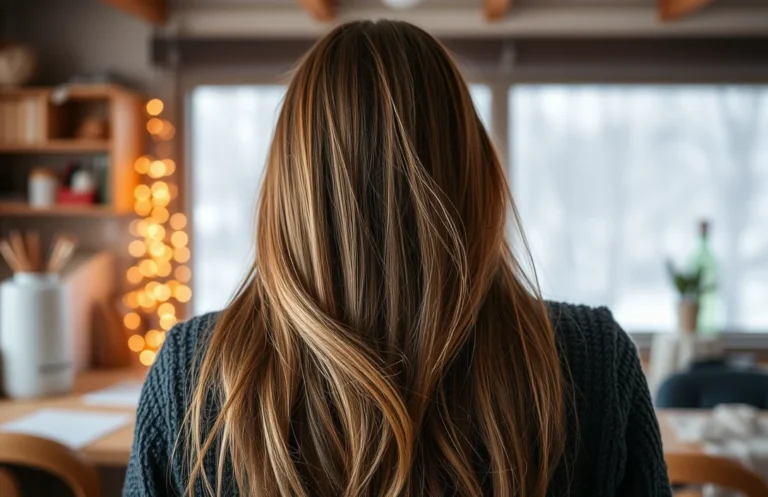
Straight hair typically appears smooth and reflective. Artists should focus on clean lines to portray this texture effectively. Highlighting and shading can enhance the sleekness, giving the hair a polished look. Use gentle curves to suggest movement without losing the hair’s straightness.
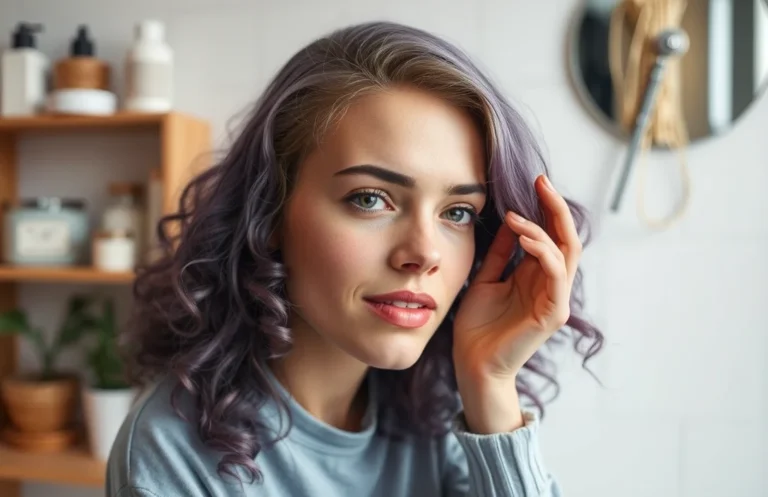
Wavy hair introduces a playful and dynamic quality. Capture its essence by incorporating soft, flowing curves that mimic natural waves. Use contrasting shadows to emphasize depth, allowing the waves to stand out. This texture can easily convey a character’s personality through artistic expression.
Curl patterns add complexity and volume to hairstyles. Artists should sketch tighter loops for bouncy curls, creating lively movement. Adding layers and depth through careful shading will enhance the curls’ three-dimensional appearance, providing an energetic vibe to the character.
Textured hair presents a unique challenge. Representing this style involves depicting frizz and volume realistically. Use jagged lines and varied shading to communicate the intricacies of textured hair, ensuring the final look feels authentic and lively. Mastering these characteristics will enrich your anime hairstyles.
Implementing Layering Techniques
Layering adds depth and dimension to hairstyles. Start by sketching the base shape, ensuring it flows naturally. Next, divide the hair into sections, focusing on how each layer falls. This method will create the illusion of volume and realism, making your work stand out.
Identify the focal points in the hairstyle. Use longer, flowing layers at the front to frame the face, while shorter layers can create texture at the back. By varying the lengths, you enhance the visual interest and movement of the hair.
Consider the direction of hair movement. Hair naturally falls in various directions, influenced by gravity and the character’s pose. Incorporate these elements into your layers to create a more dynamic and believable look. This attention to detail helps to further define the style.
Experiment with overlapping lines. Drawing layers that overlap one another adds complexity and depth. Use lighter strokes for the top layers and darker, more defined lines for the lower ones. This technique emphasizes the structure of the hair and enhances the overall design.
Practice makes perfect with layering techniques. Try drawing different hairstyles, focusing on various approaches to layering. As you refine your skills, you will notice an improvement in how realistic and engaging your anime hairstyles appear.
Applying Shading and Highlights
Define light source precisely: place highlights where strands face the light and deepest shadows opposite, keeping core shape readable. Use hard cel shading for stylized looks or soft gradients for realistic shine. Add thin rim highlights at edges and a few reflected lights for volume. Use Multiply layers for shadows and Add/Overlay for highlights. Practice balancing contrast to avoid flattened hair and reinforce how to draw anime hairstyles.
Recognizing Common Anime Styles
Identifying popular hairstyles enhances drawing skills significantly. Various anime styles feature distinct hair designs influenced by character traits and themes. Observing these styles provides insight into how to create unique hairstyles that resonate with viewers. Analyzing different genres helps in understanding the diversity within anime artistry, allowing for greater creativity in your own work.
Classic shonen characters often sport spiky and dynamic hairstyles. These designs symbolize energy and determination, making them visually striking. Characters like Naruto and Goku exemplify this style with their bold, exaggerated spikes, which contribute to their iconic looks. Emulating these features can help achieve a powerful appearance in your characters.
Shojo anime introduces softer, flowing hairstyles. These styles typically incorporate curls and waves, giving a gentle, romantic feel. Characters like Sailor Moon and Toei’s Cardcaptor Sakura showcase this aesthetic perfectly. Focusing on lightness and movement in hair can evoke emotion and appeal in your artwork.
Chibi characters display unique hairstyles that often differ from their standard counterparts. Exaggeration is key here, with oversized pigtails or short, bouncy styles. Characters like Pikachu in chibi form demonstrate how simplified hairstyles can enhance cuteness. Experimenting with proportions and shapes can yield endearing results in your designs.
Utilizing Reference Images
Reference images provide essential guidance for accuracy and creativity. Collect pictures of various hairstyles that inspire you. Analyze different angles, textures, and colors to enrich your understanding. This practice sharpens observation skills and enhances your ability to replicate styles effectively.
Incorporating a diverse range of references broadens artistic horizons. Explore various sources like manga, anime, or even real-life hairstyles. Observing different styles helps in creating unique combinations that resonate with your artistic vision. Keep a folder of images that capture your interest.
Utilizing reference images fosters better proportion and form. Pay attention to how hair flows, how light interacts with texture, and the overall shape of hairstyles. Accurate references ensure that you capture the essence of anime hairstyles while adding your personal touch.
Drawing from reference images can spark innovative ideas. Experiment by mixing elements from different styles to create something fresh and original. Allow your creativity to flourish by interpreting references in your unique way, resulting in hairstyles that stand out.
Creating Volume and Flow
To create dynamic hair movement, focus on layering and shaping. Start by drawing the base of the hairstyle, then add layers to create depth. Use curved lines to indicate how the hair flows, making sure to vary the thickness to enhance realism. This technique will give the hair a natural, lively appearance, making it more engaging.
Observe real-life hairstyles for inspiration. Notice how hair behaves with gravity, wind, or movement. Implement these observations into your artwork by adjusting the angles and shapes of your lines. This attention to detail can significantly enhance the visual appeal, allowing you to capture the essence of various styles effectively.
Incorporate motion lines to emphasize flow. Draw faint lines that follow the direction of the hair to suggest movement, especially in dynamic poses. This technique can bring energy to your artwork, making it feel alive. Remember to ensure that these lines harmonize with the overall composition, rather than distract from it.
Experiment with shading and highlights for added volume. Use darker shades in the roots and lighter tones on the tips to create a three-dimensional effect. This contrast will enhance the depth of the hairstyle, making it appear fuller and more realistic. Strategic placement of highlights can also mimic the way light interacts with hair.
Quick Summary
- Understand the basic structure of anime hairstyles, including volume and flow.
- Study different hair types and styles to diversify your drawing skills.
- Use reference images to observe how hair behaves in various situations.
- Practice drawing hair in different angles and perspectives for better realism.
- Experiment with various coloring techniques to enhance the hairstyle’s appearance.
- Incorporate unique elements like accessories or highlights to personalize hairstyles.
- Regularly sketch and refine your techniques to improve over time.
Frequently Asked Questions
What are the basic steps to start drawing anime hairstyles?
Begin by sketching the head shape and positioning of the hairline. Next, draw the basic shape of the hairstyle, focusing on volume and flow. Finally, add details like strands and shading to enhance realism.
How can I create different styles of anime hairstyles?
Experiment with various shapes and lengths, such as long, short, wavy, or spiky hairstyles. Study different anime characters for inspiration and practice drawing various styles to develop your unique approach.
What tools do I need to draw anime hairstyles?
A good set of pencils, erasers, and inking pens are essential for sketching and detailing. Digital artists may use drawing tablets and software like Photoshop or Clip Studio Paint for more flexibility and control.
How do I add depth and texture to anime hairstyles?
Use shading techniques to create depth; darken the areas where hair overlaps or curves. Adding highlights with lighter colors or white can simulate shine and texture, giving your hairstyles a more realistic look.
Can I learn to draw anime hairstyles by following tutorials?
Absolutely! Tutorials can provide step-by-step guidance and tips for different styles. Practicing with these resources will help you refine your skills and develop your own artistic style over time.

- 10 Best Hair Oil For Oily Hair Buyer Guide 2026 - October 26, 2026
- 10 Best Hair Oil For Oily Scalp Buyer Guide 2026 - October 26, 2026
- 10 Best Hair Oil For Newborn Baby Girl Buyer Guide 2026 - October 25, 2026