The Truth About Laser Hair Removal: Is It Truly Permanent?
Laser hair removal boasts a success rate of approximately 90% in reducing hair growth long-term. Many individuals wonder if this treatment offers permanent results or if maintenance is needed over time. Understanding the effectiveness of this method can help you make informed decisions about hair removal.
Permanence varies by individual, but laser hair removal can lead to long-lasting results. Factors affecting permanence include hair type, skin type, and number of sessions completed. While many see significant reduction, some may require touch-up treatments for optimal results.
Understanding How Laser Hair Removal Works
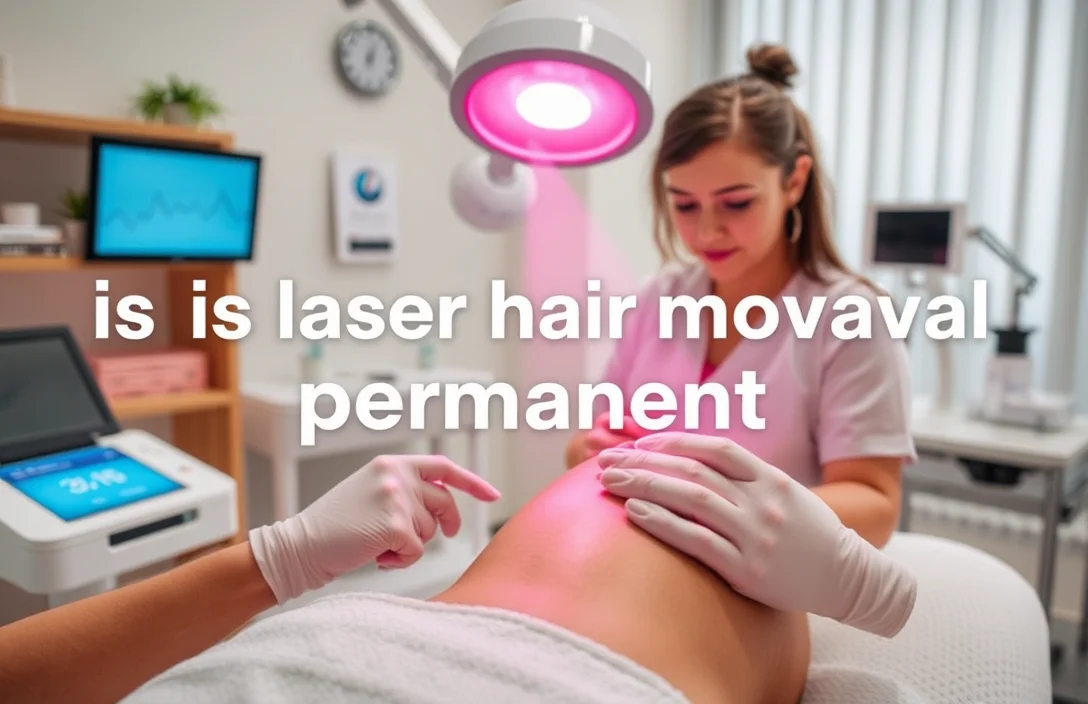
Laser hair removal employs concentrated light beams targeting hair follicles. This technology uses specific wavelengths that are absorbed by melanin, the pigment in hair. During the process, the light energy converts to heat, damaging the follicle and inhibiting future hair growth. Treatments typically require multiple sessions for optimal results due to the hair growth cycle.
Energy levels and pulse duration determine the effectiveness of each session. Skilled technicians adjust settings based on hair color, skin type, and area being treated. Darker hair absorbs more light, making it easier to target, while lighter hair may require different approaches for effective treatment. Understanding individual characteristics is crucial for successful outcomes.
Post-treatment care significantly impacts results. Skin may experience temporary redness or swelling, but these effects usually subside quickly. Avoiding sun exposure and following aftercare instructions are essential for minimizing risks and achieving the best possible results. Consistency in treatment sessions enhances the likelihood of long-term hair reduction.
Expected Results and Treatment Timeline
Results from laser hair removal typically appear gradually. Most individuals experience a noticeable reduction in hair growth after their first session. However, complete results manifest over multiple treatments, generally spaced 4 to 8 weeks apart. Consistency is crucial for achieving the best outcomes.
- Initial session results are modest. Expect about 10-30% hair reduction after the first treatment. This serves as a foundation for further sessions.
- Multiple treatments are essential. Most clients need 6 to 8 sessions to achieve optimal results, as hair grows in different cycles. Patience is important.
- Long-term effects vary by individual. Hair regrowth may occur over time, but many experience lasting results. Follow-up sessions can help maintain desired outcomes.
- Skin type influences results. Lighter skin tones often respond better compared to darker skin tones due to the contrast with hair color.
- Post-treatment care aids results. Following aftercare instructions can enhance effectiveness and minimize side effects, ensuring a smoother recovery process.
Factors Influencing Hair Removal Permanence
Location on the body significantly affects hair removal permanence. Areas with finer hair, such as the face, may require more treatments compared to coarser hair found in regions like the legs or underarms. The density and growth cycle of hair also influence how effectively laser treatments can target and eliminate hair follicles.
- Age affects hair growth patterns. Younger individuals tend to have more active hair follicles, making them potentially require additional sessions for lasting results.
- Hormonal fluctuations can influence hair regrowth. Conditions like polycystic ovary syndrome (PCOS) may lead to unexpected hair growth, affecting the permanence of laser treatments.
- Skin tone plays a critical role. Darker skin can absorb more laser energy, making treatments less effective and possibly requiring more sessions to achieve desired results.
- Technology used during treatment matters. Different laser types work better on specific hair and skin types, impacting the overall effectiveness of hair removal and permanence.
- Post-treatment care is essential. Following proper aftercare guidelines can help enhance the longevity of results and improve skin healing.
Skin Types and Treatment Suitability
Laser hair removal effectiveness varies significantly with skin types. Darker skin tones absorb more light, increasing treatment risks. Professionals often use specific lasers designed for higher melanin levels, ensuring safety and efficacy. Fair skin, with less melanin, responds well to most laser options, allowing for effective hair removal without excessive risk.
Individuals with sensitive skin must exercise caution. Treatments can cause irritation or adverse reactions, necessitating a patch test beforehand. Consulting with a qualified technician can help identify the most suitable approach. Combination treatments, such as laser with cooling methods, may enhance comfort and minimize side effects.
Diverse hair colors also influence treatment outcomes. Black and brown hairs absorb laser light effectively, leading to better results. Conversely, blonde, gray, or red hairs may not respond optimally due to lower pigment levels, making additional sessions necessary for satisfactory results.
Skin conditions like eczema or psoriasis can complicate laser treatment. Active flare-ups may lead to complications or require postponement of the procedure. Always inform the technician about any existing skin conditions to customize the treatment plan accordingly.
Choosing the right clinic is crucial. Professionals should assess skin type and hair characteristics during the initial consultation. Proper assessment ensures tailored treatment plans, increasing the likelihood of achieving desired results and understanding the permanence of the process.
Pain Levels and Sensations During Procedure
Pain levels during laser hair removal often vary by individual. Many clients describe sensations ranging from mild discomfort to sharp stinging, akin to a rubber band snapping against the skin. Factors influencing pain include skin sensitivity, hair thickness, and the area being treated. Generally, facial areas may feel more sensitive compared to larger body parts.
Clients often report that the procedure feels more tolerable after a few sessions. Skin may adapt to the treatment, reducing perceived discomfort over time. Practitioners may apply a cooling gel or utilize a cooling device to minimize pain during the process. This added comfort can significantly improve the overall experience.
Post-treatment sensations can include temporary redness or swelling. These effects usually subside within hours but may last up to a few days, depending on the individual’s skin type. Proper aftercare, such as avoiding sun exposure and using soothing creams, can help alleviate any lingering discomfort.
Consultation with a trained professional is essential. They can assess individual tolerance levels and suggest pain management strategies tailored to your needs. Knowing what to expect can alleviate anxiety and enhance the overall effectiveness of the treatment.
Post-Treatment Care and Maintenance
Follow specific aftercare instructions diligently. After undergoing laser hair removal, your skin needs time to heal. Avoid sun exposure for at least two weeks post-treatment. Apply sunscreen with a high SPF to prevent pigmentation changes and protect sensitive areas.
Moisturize regularly to promote healing. Use a gentle, fragrance-free moisturizer to keep the treated area hydrated. This helps in reducing irritation and discomfort, ensuring a smoother recovery process.
Avoid hot showers and saunas initially. Heat can aggravate the treated skin, leading to increased redness and swelling. Instead, opt for lukewarm water when bathing for the first few days following your session.
Refrain from exfoliating or using harsh products. Chemical peels, scrubs, or retinoids should be avoided for at least a week. Gentle cleansing is vital to allow your skin to recover without additional stress.
Consult your practitioner if concerns arise. If you experience excessive redness, swelling, or any unusual symptoms, reaching out to your provider for guidance is essential. Early intervention can prevent complications and ensure optimal results from your treatment.
Cost Analysis and Financial Considerations
Laser hair removal incurs varying costs, influenced by factors such as the treatment area and the number of sessions required. Typically, prices range from $200 to $500 per session. Most individuals need between 6 to 8 treatments for optimal results, leading to a total investment of $1,200 to $4,000.
Comparatively, other hair removal methods can also be costly over time. Waxing and shaving require frequent maintenance, adding up to significant annual expenses. For example:
| Method | Average Cost per Session | Annual Cost Estimate (Assuming 12 Sessions) |
|---|---|---|
| Laser Hair Removal | $200 – $500 | $1,200 – $4,000 (for 6-8 sessions) |
| Waxing | $50 – $100 | $600 – $1,200 |
| Shaving | $10 – $50 (razors, creams) | $120 – $600 |
Long-term savings emerge from choosing laser treatments over time, especially for larger areas like legs or back. Investing in this technology can lead to permanent hair reduction, minimizing future costs associated with other methods. Evaluating these financial aspects helps determine the most economical choice for hair removal.
Quick Summary
- Laser hair removal significantly reduces hair growth and can lead to permanent hair reduction.
- Multiple sessions are typically required for optimal results, as hair grows in cycles.
- The procedure targets hair follicles, making it effective on dark, coarse hair.
- Results may vary based on skin type, hair color, and hormonal factors.
- Maintenance sessions may be needed after the initial treatment to address any regrowth.
- It is considered safe when performed by qualified professionals using FDA-approved devices.
- Potential side effects include temporary redness and swelling, which usually subside quickly.
Frequently Asked Questions
Is laser hair removal a permanent solution?
Laser hair removal can significantly reduce hair growth, but it is not considered permanent for everyone. Many people experience long-term hair reduction, while others may require occasional touch-up treatments to maintain results.
How does laser hair removal work?
Laser hair removal works by targeting the pigment in hair follicles with concentrated light energy. This energy damages the follicle, inhibiting future hair growth while leaving the surrounding skin unharmed.
How many sessions are needed for optimal results?
The number of sessions required varies based on individual hair growth patterns and skin type, but typically, 6 to 8 sessions are recommended for optimal results. Treatments are usually spaced several weeks apart to target hair during its growth phase.
Are there any side effects to laser hair removal?
Common side effects may include temporary redness, swelling, or discomfort in the treated area. These effects usually resolve quickly, but it’s important to discuss any concerns with your practitioner beforehand.
Who is a good candidate for laser hair removal?
Good candidates for laser hair removal are individuals with contrasting skin and hair colors, as the treatment is most effective on dark hair and light skin. However, advancements in technology have made it possible for people with various skin tones to benefit from the procedure.

- How to Make Deep Conditioner for Natural Hair: 8 Easy DIY Recipes - September 29, 2026
- Natural Homemade Deep Conditioner for Natural Hair: Easy DIY Recipes - September 29, 2026
- From Kitchen to Cuticle: Natural Deep Conditioner Recipes for Every Hair Porosity - September 29, 2026