Say Goodbye to Black Hair Dye: 5 Effective Removal Techniques
Removing black hair dye can be challenging, as it often requires multiple steps to prevent damage and achieve the desired color. Many beginners feel overwhelmed by the dark hue, but knowing the right techniques can simplify the process and protect your hair.
Start with color removers designed for artificial dyes, consider natural remedies like vitamin C, and always follow with deep conditioning treatments to maintain hair health. Patience is key; gradual removal is safer than harsh methods.
Home Remedies for Safe Dye Removal
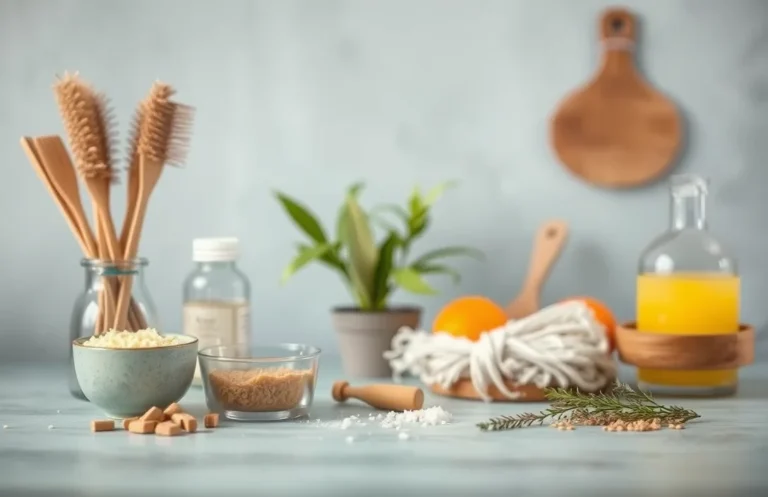
Baking soda effectively removes black dye. Combine equal parts baking soda and water to create a paste. Apply this mixture directly to the dyed hair, ensuring even coverage. Leave it on for about 20-30 minutes while checking for any signs of irritation. Rinse thoroughly with a gentle shampoo. This method is safe for your hair and can help lighten the color gradually.
Vitamin C tablets can also help. Crush around 10-15 tablets and mix with a small amount of anti-dandruff shampoo. Apply the mixture to your hair, focusing on the dyed areas. Cover with a shower cap and leave it on for about an hour before rinsing. This remedy works by breaking down the color molecules, making it a great option for removal.
White vinegar serves as a natural alternative. Mix equal parts of vinegar and water in a spray bottle. Spray the solution onto your hair, ensuring complete saturation. Let it sit for 30-60 minutes before rinsing out with warm water. Vinegar not only assists in color removal but also adds shine to your hair.
Olive oil can nourish while helping to fade color. Warm a small amount of olive oil and apply it to your hair. Cover with a shower cap and leave it on overnight. Rinse in the morning with your regular shampoo. This method hydrates your hair while slowly lifting the dye, minimizing damage.
Effective Store-Bought Dye Removers
Numerous commercial products efficiently remove black hair dye. Look for dye removers specifically designed for color correction. Popular options include brands like Color Oops, Joico Color Intensity Eraser, and L’Oreal Color Remover. These products typically contain ingredients that break down the dye molecules, allowing for easier removal without excessive damage to your hair.
Each product has its own instructions, so read them carefully. Most require applying the solution to dry hair, letting it sit for a specified time, and then rinsing thoroughly. Following the directions precisely ensures better results and minimizes potential hair damage. Users often report lighter and more manageable hair color after using these treatments.
Safety remains paramount; always conduct a patch test before full application. Apply a small amount on your skin to check for any allergic reactions. If irritation occurs, discontinue use immediately. Remember, results may vary based on your hair’s condition and the dye used, so patience is key during the process.
Expect some initial fading, but be prepared for potential follow-up treatments. For best results, consider combining these products with deep conditioning treatments afterward to restore moisture. Healthy hair is essential, so prioritize its care when experimenting with color removal techniques.
Color Stripping Techniques Explained
Professionals often use a method called color remover, specifically designed to break down the chemical bonds of hair dye. This process effectively strips away unwanted color without severely damaging the hair. Typically, these products are applied directly to dry hair, massaged in thoroughly, and left on for a specified time, usually around 20-60 minutes, depending on the product and hair type.
Active ingredients in these removers, such as bleach or color-fixing agents, work to lift the pigment while minimizing the risk of damage. Following the package instructions is crucial, as improper use can lead to uneven results or additional harm. Always test a small section first to gauge the effectiveness and hair response.
Rinsing the hair thoroughly after treatment is essential. This helps to remove any residual product and color particles. Afterward, a deep conditioning treatment should be applied to replenish moisture and maintain hair health. Regular conditioning can counteract any drying effects from the dye removal process.
Professional Salon Options Available
Seeking professional help offers significant advantages for dye removal. Experienced stylists possess advanced techniques and products specifically designed to safely address black hair dye. They understand hair chemistry, which allows them to tailor the removal process to your specific hair type and condition, minimizing damage and achieving optimal results.
Qualified professionals can provide:
- Customized solutions based on hair texture.
- Access to high-quality products not available at home.
- Expertise in color correction and adjustment.
- Guidance on maintaining hair health post-treatment.
Choosing a salon also ensures a controlled environment, reducing the risk of mishaps. With their knowledge, professionals can effectively navigate potential challenges, such as uneven color removal or hair brittleness, which you might encounter while attempting it alone. Trusting an expert can lead to a more satisfying outcome and a healthier hair journey.
Understanding Effects on Hair Health
Removing black hair dye can significantly impact the health of your hair. Various methods differ in their aggressiveness and potential to cause damage. Here’s how to approach removal while prioritizing your hair’s integrity:
- Opt for gentle cleansing products. Use clarifying shampoos designed to remove buildup without stripping moisture. Look for sulfate-free options to minimize damage.
- Consider vitamin C treatments. Crushing vitamin C tablets and mixing them with shampoo can lighten hair without harsh chemicals. Apply this mixture to damp hair and leave it on for 30-60 minutes.
- Explore oil treatments. Oils like coconut or olive oil can help dissolve dye. Warm the oil and apply it generously, letting it sit for a few hours before washing out.
- Utilize color removers specifically formulated for hair. Follow product instructions carefully, as these are designed to lift color while being as gentle as possible.
- Schedule regular deep conditioning. Post-removal, nourish your hair with deep conditioners or hair masks to restore moisture and strength.
Prioritizing these methods can help maintain hair health while you work towards your desired color. Always remember to do a patch test before trying new products.
Preventing Future Hair Dye Stains
Wearing gloves during dye application is crucial. Protecting your hands minimizes staining and keeps the dye from transferring to your hair or skin. Always choose high-quality, disposable gloves to ensure a good grip and prevent slips while working with the dye.
- Section off your hair properly. Divide your hair into manageable sections using clips. This organization helps control the dye application and reduces the risk of accidental stains.
- Apply a barrier cream on your skin. Using a protective cream around your hairline and ears can prevent direct contact with the dye, making cleanup easier.
- Choose a dye kit with stain-free formulas. Many brands offer dyes specifically designed to minimize stains on skin and hair. Look for these options to reduce cleanup time.
- Clean up spills immediately. If dye drips or spills occur, act fast. Use a damp cloth or paper towel to wipe it away before it sets, ensuring less mess and easier maintenance.
- Keep your workspace covered. Use old towels or a designated cape to protect surfaces from dye stains. This simple step makes cleanup easier and helps maintain your environment.
Post-Removal Hair Care Essentials
Moisturizing your hair is crucial. After removing dye, your strands may feel dry or brittle. Use a deep conditioning treatment once a week to restore moisture and elasticity. Look for products containing natural oils, like argan or coconut oil, to nourish your hair effectively. Applying a leave-in conditioner daily will also help maintain hydration and protect against damage.
Protecting your hair from heat is essential. Limit the use of heat styling tools, such as flat irons and blow dryers, for at least a few weeks post-dye removal. If you must use heat, always apply a heat protectant spray beforehand to shield your strands from potential damage.
Regular trims keep hair healthy. Schedule a trim every six to eight weeks to remove split ends and promote overall hair health. This practice helps maintain the integrity of your hair after the dye removal process, ensuring it looks its best.
Choosing the right products matters. Opt for sulfate-free shampoos and conditioners specifically designed for color-treated hair. These products are gentler and will help preserve your hair’s natural oils while preventing further drying or damage.
Monitoring your scalp health is vital. After dye removal, pay attention to any irritation or dryness on your scalp. If you notice any discomfort, switch to a gentle, soothing shampoo and consider consulting a dermatologist for personalized advice.
Quick Summary
- Identify the type of black hair dye used (permanent, semi-permanent, or temporary).
- For permanent dye, consider using a color remover specifically designed to strip hair dye.
- Natural remedies like vitamin C or baking soda can help lighten black dye over time.
- Deep conditioning treatments can assist in minimizing hair damage during the removal process.
- Consult a professional stylist for the safest and most effective removal methods.
- Avoid excessive washing, as it may not effectively remove the dye and can lead to hair damage.
- Be patient, as complete removal may require multiple attempts or treatments.
Frequently Asked Questions
1. What is the safest way to remove black hair dye?
The safest way to remove black hair dye is to use a color remover specifically designed for hair. These products are formulated to break down the dye molecules without damaging your hair as much as bleach would.
2. Can I remove black hair dye at home?
Yes, you can remove black hair dye at home using over-the-counter color removers or natural methods like vitamin C treatments. However, ensure you follow the instructions carefully to minimize any potential damage.
3. Will removing black hair dye damage my hair?
There is always some risk of damage when removing hair dye, but using gentle products and techniques can help reduce this risk. Opt for a color remover that is ammonia-free and moisturizing to protect your hair.
4. How long does it take to remove black hair dye?
The time it takes to remove black hair dye can vary depending on the method you choose. Chemical removers can work in as little as 20-60 minutes, while natural methods may require multiple applications over several days.
5. Should I consult a professional for hair dye removal?
If you’re feeling overwhelmed or unsure about the process, consulting a professional stylist is a great option. They can provide personalized advice and ensure that your hair is treated safely and effectively.

- 7 Best Detangling Brushes for Curly Hair: Thick, Fine, Long & Natural Hair - September 25, 2026
- 5 Best Moisturizing Curl Defining Creams for Soft, Defined Curls - September 24, 2026
- Best Curl Creams for Straight Hair: 5 Top Picks for Women - September 24, 2026