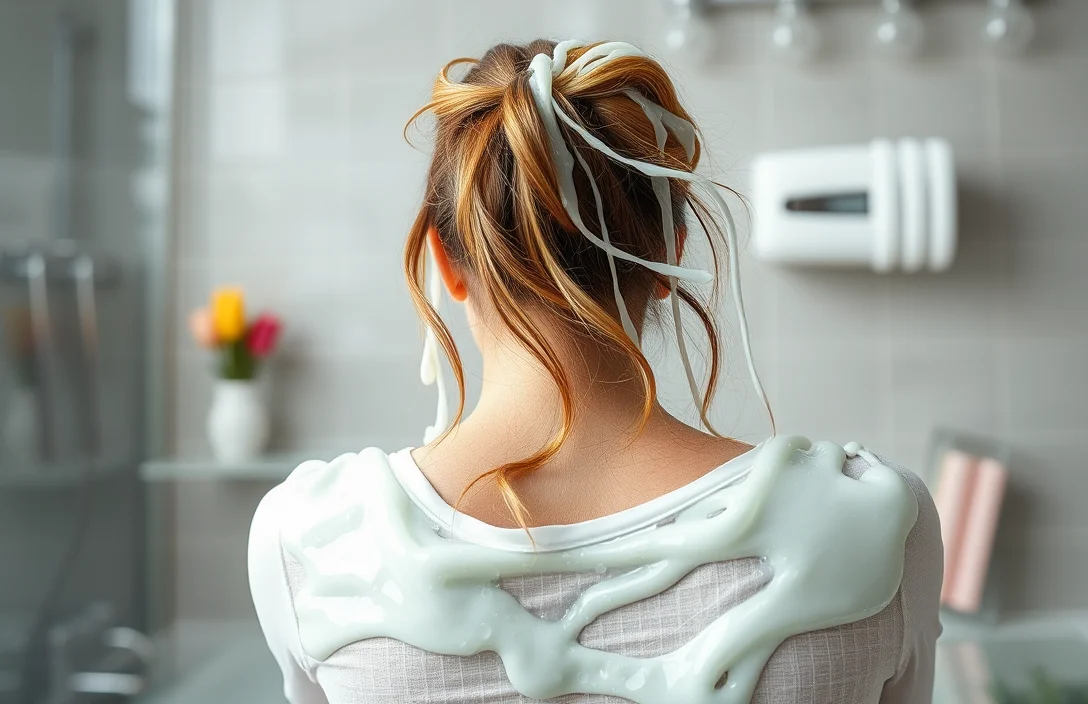
Slime-Free Hair: 5 Simple Tricks to Restore Your Locks
Statistics show that over 30% of children have encountered slime in their hair at least once. Removing this sticky substance can be tricky, but with the right techniques, it can be done effectively. Knowing how to tackle the mess is essential for quick relief.
Essential tools include household items like vinegar, conditioner, and cooking oil. Steps involve applying the chosen substance, gently detangling with fingers or a comb, and rinsing thoroughly. Final touch may require a shampoo wash to ensure all residue is removed.
Identifying Types of Slime in Hair
Slime can vary in composition and texture, affecting how it interacts with hair. Common types include glue-based, homemade, and silicone-based slimes. Glue-based slimes are often sticky and thick, making them particularly challenging to remove. Homemade slimes can contain various ingredients, such as cornstarch or baking soda, which may alter their grip on hair.
Silicone-based slimes are smoother and may not cling as tightly but can still cause tangles. Each type requires different removal strategies. Identifying the slime type will help you choose the most effective method for removal.
Colorful slimes may also contain dyes or glitter that can complicate removal. These additives can adhere to your hair, necessitating additional cleaning steps. Knowing the slime’s ingredients can guide your approach for safe removal without damaging your locks.
Lastly, consider the slime’s age. Fresh slime tends to be more pliable, while older slime may dry and harden, making removal even tougher. Assessing the slime’s condition is essential for selecting the proper technique and products to restore your hair.
Immediate Actions to Take for Removal
Start by gathering essential supplies. You will need a comb, conditioner, and a bowl of warm water. These items will help you effectively remove slime from hair without causing damage. Ensure everything is within reach before you begin the process to make it smooth and efficient.
- Apply a generous amount of conditioner directly onto the affected area. This will help loosen the slime’s grip on the hair strands.
- Gently work the conditioner through the hair using your fingers. Avoid tugging or pulling, as this can damage the hair.
- After a few minutes, use the comb to delicately separate the hair strands. Start from the tips and move upward to minimize breakage.
- Rinse the hair thoroughly with warm water. Ensure that all products are washed out completely before moving on to the next step.
- Check for any remaining slime. If necessary, repeat the conditioning and combing process until the hair is clear of slime.
Implementing these steps quickly will help restore your hair to its normal state, making it easier to manage moving forward. Stay patient and methodical to achieve the best results.
Effective Home Remedies for Slime
Vinegar serves as an effective solution for removing slime from hair. Mix equal parts of white vinegar and water in a bowl. Saturate the affected area with the solution, ensuring it penetrates through the slime. Allow it to sit for about 5-10 minutes to break down the sticky substance.
Next, gently work through the hair using your fingers or a wide-tooth comb. This process helps in loosening the slime from the strands without causing damage. Rinse the hair thoroughly with lukewarm water to wash away both the vinegar and any remaining slime residue.
After rinsing, apply a moisturizing conditioner. This step is crucial as vinegar can be drying to hair. Leave the conditioner in for a few minutes before rinsing again. The conditioner will help restore moisture and softness, ensuring your hair remains healthy after the slime removal process.
Repeat these steps if necessary for stubborn slime. Persistence may be required, especially if the slime has dried or become embedded in the hair. This method is safe and effective, making vinegar a go-to option in your slime removal toolkit.
Using Oils and Conditioners for Ease
Oils and conditioners effectively loosen slime from hair. Applying these products can help dissolve sticky residues, making removal easier. Their moisturizing properties also prevent hair damage during the process. Use the following steps for optimum results.
- Choose a suitable oil, such as coconut or olive oil. These oils penetrate hair strands, softening the slime for easier detangling.
- Apply a generous amount directly to the affected areas. Ensure the oil covers all slime-coated sections, allowing it to work its magic for several minutes.
- Gently massage the oil into the hair. This action aids in breaking down the slime, promoting effective removal without tugging.
- Rinse thoroughly with warm water. Warm water helps to wash away both the oil and the slime residue.
- Follow up with a hydrating conditioner. Conditioning restores moisture, leaving hair soft and manageable after slime removal.
Incorporating these oils and conditioners can significantly ease the process of removing slime from hair, ensuring a smoother experience overall.
Combing Techniques for Effective Removal
Wide-tooth combs remove bonded slime: start at the ends, hold hair close to the scalp to prevent tugging, work in 1-inch subsections, and comb downward through each subsection until the slime loosens. Mist sections with water or a commercial detangler to reduce friction. Use fingers to gently separate dense clumps before re-combing.
Metal tail combs section hair precisely: use the tail to isolate 1-inch strands, clip the rest away, then glide the comb through ends toward the scalp using short strokes; pause to work stubborn residue with fingertips before continuing. Stop if you feel sharp tugging and consider trimming small irreparable knots to prevent breakage.
Shampooing and Washing Techniques
Rinsing hair thoroughly is crucial. After removing slime, wet your hair with warm water to help loosen any remaining residue. This step prepares your hair for effective shampooing and ensures that the cleansing agents work efficiently.
Applying a clarifying shampoo works wonders. Select a product designed to remove build-up, as this will be particularly effective against any lingering slime particles. Massage the shampoo into your scalp and hair for at least 3-5 minutes to allow it to penetrate and break down stubborn residue.
Following up with a conditioner is essential. After shampooing, apply a nourishing conditioner to restore moisture and softness to your hair. Focus on the mid-lengths and ends, as these areas often suffer the most during slime removal.
Rinsing with cool water enhances shine. After conditioning, rinse your hair with cool water. This not only helps to seal the cuticle but also removes any remaining product, leaving your hair looking and feeling healthier.
Drying gently prevents damage. Avoid vigorous towel drying, as this can lead to breakage. Instead, pat your hair dry with a soft towel or let it air dry to maintain its integrity after the washing process.
Preventing Future Slime Incidents
Regularly maintaining hair helps avoid slime encounters. Cleanliness is key; ensure hair is washed with suitable shampoo and conditioner. Minimize exposure to slime by keeping hair tied back during arts and crafts or messy activities. Protecting locks pays off in the long run.
Creating a designated play area prevents slime from spreading. Choose surfaces that are easily cleanable, like plastic or tiled floors, to contain any mess. This makes cleanup easier and limits slime exposure to hair.
- Using protective headgear during messy activities offers extra safety.
- Instruct children on proper slime handling to reduce mishaps.
- Establish slime-free zones in the house to limit potential encounters.
Investing in quality hair ties can keep hair secure and away from slime. Opt for sturdy bands that hold hair tightly, reducing risks during playtime. Keeping hair out of reach from potential slime incidents proves beneficial.
Monitoring children’s activities provides additional protection. Supervise them while engaging in slime-related crafts and intervene if necessary. Active involvement helps prevent any unwanted slime encounters with hair.
When to Seek Professional Help
Professional assistance is crucial if slime remains stubbornly stuck in hair despite multiple removal attempts. If the slime has caused tangling, breakage, or scalp irritation, seeking a specialist is advisable. They possess the expertise and tools to handle difficult cases effectively without further damaging your hair.
Emergency situations warrant immediate action, especially if the slime has caused severe matting. Trying to remove it yourself could lead to hair loss or scalp injury. Professionals can safely detangle and cleanse your hair while ensuring the health of your scalp and strands.
Allergic reactions can occur from certain slime ingredients. If you notice itching, redness, or swelling after removal attempts, consult a dermatologist or hair care professional. They can provide appropriate treatments to alleviate symptoms and recommend solutions for safe slime removal.
Seeking help is also wise if you’re unsure about the best removal methods. Professionals can offer tailored advice based on your hair type and the specific slime encountered. This ensures you avoid damaging your hair while effectively tackling the issue.
Ultimately, prioritizing hair and scalp health is essential. If home methods fail or cause concern, don’t hesitate to consult a professional. Their expertise will guide you to a slime-free and healthy hair restoration journey.
Quick Summary
- Act quickly to prevent the slime from setting in the hair.
- Use a comb or your fingers to gently remove excess slime.
- Apply a generous amount of conditioner to the affected area.
- Use warm water to help loosen the slime and make it easier to wash out.
- Rinse thoroughly and repeat the process if necessary.
- Consider using olive oil or vinegar as natural alternatives for stubborn slime.
- Wash your hair with shampoo after removing the slime to ensure it’s clean.
Frequently Asked Questions
How can I remove slime from hair without cutting it?
To remove slime from hair, start by applying a generous amount of conditioner or olive oil to the affected area. Gently work it through your hair with your fingers or a wide-tooth comb to loosen the slime before rinsing it out.
Is it safe to use vinegar to remove slime from hair?
Yes, vinegar can be an effective method for removing slime from hair. Mix equal parts of vinegar and water, apply it to the slime, and let it sit for a few minutes before gently combing it out.
What if I don’t have conditioner or vinegar?
If you don’t have conditioner or vinegar, you can use baby oil or coconut oil. These oils can help break down the slime, making it easier to comb out without damaging your hair.
How do I prevent slime from getting in my hair again?
To prevent slime from getting in your hair, keep long hair tied back in a ponytail or braid when playing with slime. Additionally, consider wearing a protective cap or scarf during slime activities.
What should I do if the slime is still stuck after trying these methods?
If the slime remains stuck, you may need to seek help from a professional hairstylist who can safely remove it without causing damage. Avoid using harsh chemicals or excessive pulling, as this can lead to hair breakage.

- 7 Best Detangling Brushes for Curly Hair: Thick, Fine, Long & Natural Hair - September 25, 2026
- 5 Best Moisturizing Curl Defining Creams for Soft, Defined Curls - September 24, 2026
- Best Curl Creams for Straight Hair: 5 Top Picks for Women - September 24, 2026