Mastering the Mullet: A Step-by-Step Guide to Your New Look
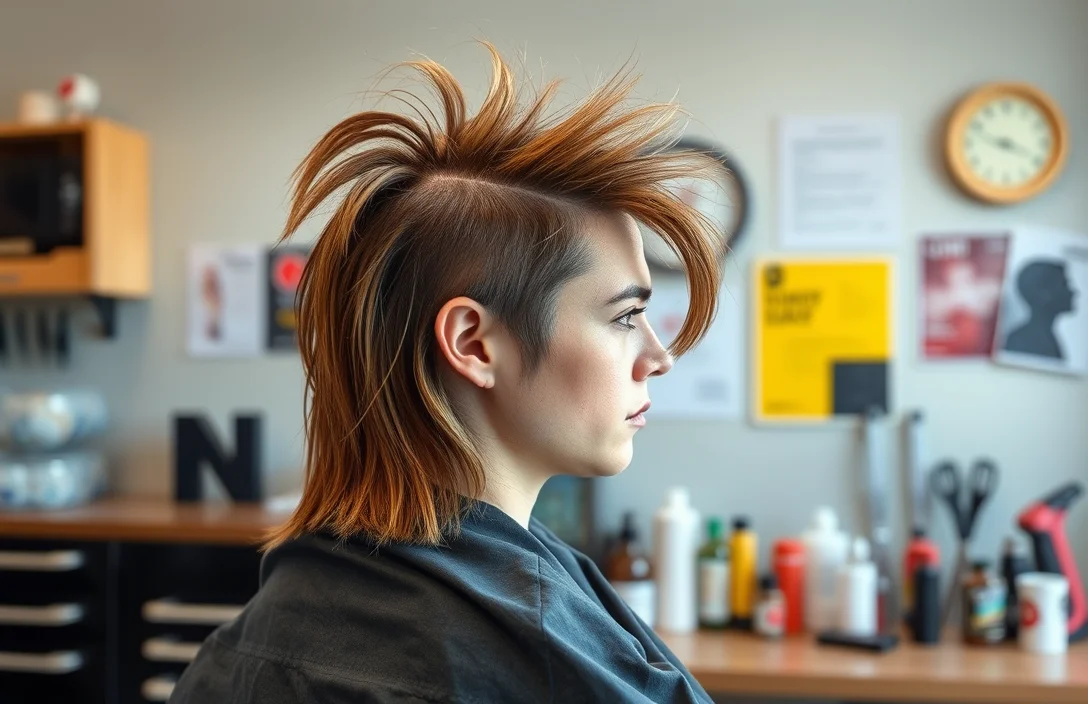
Over 30 years ago, the mullet was dubbed “the hairstyle of the decade,” and it’s making a vibrant comeback. Cutting a mullet can seem daunting, but with the right techniques, you can achieve this unique look effortlessly. Ready to express your individuality?
Mastering the mullet involves understanding the length, layering techniques, and blending the sides. Follow simple, clear steps and don’t be afraid to experiment for a stylish, personalized mullet!
Essential Tools for Mullet Cutting
Sharp scissors are crucial for achieving clean lines in your mullet. Opt for professional-grade hair cutting scissors with a comfortable grip. These will allow you to make precise cuts, especially around the front and sides of your hair. Avoid using regular household scissors, as they can create uneven edges and frayed ends.
Quality clippers streamline the process significantly. A clipper with adjustable guards will help you maintain the desired length in the back while keeping the front and top longer. Make sure to clean the blades regularly to ensure smooth operation and avoid pulling on your hair.
Fine-tooth combs aid in sectioning hair effectively. Use this tool to separate your hair into manageable parts before cutting. This will help you see the length you are working with and ensure uniformity throughout your mullet haircut.
Hair clips keep sections secure while you cut. These are essential for maintaining control over your hair as you work on different areas. Use multiple clips to divide your hair into top, middle, and bottom sections for a structured approach.
A handheld mirror provides a full view. As you cut, a second mirror allows you to check your progress and ensure the cut is even. This is particularly helpful for inspecting the back of your head, where it can be hard to see without assistance.
Step-by-Step Mullet Cutting Process
Begin by sectioning the hair to prepare for cutting. This step is crucial for achieving an even and manageable mullet. Use clips to separate the hair into three sections: the top, the sides, and the back. Ensure that each section is secure to avoid any mix-up during the cutting process.
- Gather all necessary tools including a sharp pair of scissors, a comb, and hair clips. Ensure your scissors are specifically designed for cutting hair for a clean finish.
- Part the hair into three sections, as mentioned. Clip the top section on top of the head and split the side sections down the middle. Keep the back section loose for initial cutting.
- Start cutting the back section first. Decide on the desired length for the back and slowly cut straight across. Maintain a steady hand for an even line.
- Move to the side sections next. Cut these sections to match the length of the back, but leave them slightly longer for that classic mullet look.
- Release the top section and blend it into the sides. Cut the top to your desired length, ensuring it’s shorter than the back but longer than the sides.
Finishing touches involve checking for evenness and adjusting any uneven areas. Use your comb to style as desired and ensure a polished look.
Techniques for Texturizing Mullet Hair
Texturizing your mullet adds depth and movement. Consider using texturizing shears, which have jagged blades that create soft, blended edges. Start by sectioning the hair and working in small parts. Snip the ends lightly; this will remove bulk without sacrificing length. Aim for a natural look by avoiding blunt cuts, which can make the hairstyle appear heavy.
Employing a razor is another effective method. With a steady hand, lightly glide the razor over the hair’s surface. This technique softens the hair’s edges and adds a feathered effect, enhancing the overall shape. Remember to keep the razor at an angle for optimal results, ensuring you don’t cut too deeply into the hair.
Combining techniques can yield the best results. Start with texturizing shears and follow up with the razor for a layered effect. Regularly assess your progress in a mirror, adjusting the texture according to your desired style. Practice will lead to confidence, allowing you to express your individuality through this trendy haircut.
Blending Short and Long Hair Sections
Achieving a seamless blend between short and long sections requires careful cutting techniques. Begin by sectioning hair into manageable parts to clearly see where the lengths differ. Use clips to hold longer sections away from the shorter ones, ensuring a clean working area while you focus on blending.
Utilizing sharp scissors, gently point cut into the ends of the longer hair. This technique softens the line between the layers, creating a more natural transition. Avoid taking too much hair at once; instead, work in small amounts to control the blending process effectively.
Employ a comb to lift the longer sections and check how they fall against the shorter layers. If the blend feels harsh, continue point cutting until the desired softness is achieved. Remember, patience is key, and taking breaks to reassess can help avoid over-cutting.
Finishing touches involve checking for balance and symmetry. Step back and evaluate your work in a well-lit mirror, adjusting as needed to ensure a cohesive look. This meticulous approach will help you achieve a professional-quality mullet hairstyle.
Styling Tips for the Perfect Mullet
Maintaining your mullet requires a few essential styling techniques to keep it looking fresh. Start by using a quality styling product that suits your hair type, whether it’s pomade, mousse, or texturizing spray. These products will add definition and hold, allowing you to shape the style as desired.
- Apply product evenly through damp hair. Focus on the top and sides first, then work through the back to ensure a balanced look.
- Blow-dry your hair to add volume. Use a round brush for the top to create lift and a flat brush for the back to keep it sleek.
- Style the top section with a slight wave. Use a curling wand or flat iron on medium heat for soft waves that enhance the mullet’s shape.
- Trim the ends regularly. Keeping the length and layers fresh helps maintain the overall style and prevents split ends.
- Experiment with accessories. Headbands, clips, or hats can add a personal touch and modify your look for different occasions.
Regular maintenance and styling will keep your mullet looking sharp and trendy. Consider your hair type and adjust products accordingly to achieve the best results.
Avoiding Common Mullet Cutting Mistakes
Overlooking your hair’s natural texture leads to uneven results. Each hair type reacts differently to cutting techniques, so it’s crucial to understand how your hair behaves. Fine hair might require more delicate handling, while thick hair needs more aggressive cutting. Always adapt your approach based on what you see in the mirror.
Neglecting to check symmetry can result in a lopsided mullet. Frequently step back and assess your progress from different angles. Using a handheld mirror, examine the back of your head to ensure the length and layers match on both sides. Consistent checks prevent any surprises later.
Rushing through the process often leads to mistakes. Take your time while cutting, especially when blending the layers. Slow, deliberate snips allow for better control and a more polished look. Aim for small, manageable sections to maintain accuracy throughout your hairstyle.
Using dull scissors creates split ends and an unprofessional appearance. Invest in a good pair of hair cutting shears that stay sharp. Regularly check your tools, and if they start to feel ineffective, consider having them sharpened or replaced. Sharp blades make a world of difference in achieving clean cuts.
Ignoring the importance of sectioning can lead to a chaotic haircut. Divide your hair into manageable parts before starting. Use clips to hold sections out of the way, ensuring you focus on one area at a time. This method simplifies the cutting process and enhances precision, resulting in a well-defined mullet.
Caring for Your Mullet Hairstyle
Maintaining your mullet requires consistent care to keep it looking fresh and stylish. Regular trims every 4-6 weeks will help maintain the shape and remove any split ends. Use quality hair products tailored to your hair type, such as leave-in conditioners or styling creams, to enhance texture and manageability.
- Choose sulfate-free shampoos to prevent dryness.
- Apply heat protectant before using styling tools.
- Incorporate regular deep conditioning treatments.
- Use pomade or wax for added definition.
- Experiment with different styling techniques to change your look.
Regular washing keeps your hair healthy. Aim for 2-3 times a week, depending on your hair type. Avoid overwashing, as this can strip natural oils. Dry your hair gently with a microfiber towel to reduce frizz and breakage.
Experimenting with styling can showcase your personality. Try different hairstyles by braiding the top section or adding accessories such as clips and headbands. Embrace creativity and don’t be afraid to switch up your look!
Quick Summary
- Start with clean, dry hair for the best results.
- Section the hair into manageable parts to ensure an even cut.
- Use sharp scissors or clippers to create the distinct shorter front and longer back.
- Gradually blend the layers for a more natural look.
- Regularly check for symmetry as you cut.
- Style with product to enhance texture and volume.
- Consult a professional stylist if you’re unsure about cutting it yourself.
Frequently Asked Questions
What tools do I need to cut a mullet hairstyle?
To cut a mullet, you will need sharp hair scissors, a comb, and a mirror. Optional tools include hair clippers for the back and sides and a spray bottle to dampen your hair for easier cutting.
How do I section my hair for cutting a mullet?
Begin by dividing your hair into sections to manage the cut more easily. Create a top section by parting your hair horizontally from ear to ear, and secure the back section with clips, focusing on the top first.
What is the best technique for cutting the back of a mullet?
The back of a mullet should be left longer than the front. Use the point-cutting technique by holding the scissors vertically and cutting into the ends for a softer look, gradually blending the length to create a smooth transition.
How can I avoid making mistakes while cutting my mullet?
Take your time and start with small amounts of hair to avoid cutting too much. Regularly check for symmetry and use visual aids like tutorial videos to guide you through each step, ensuring you’re following the style you want.
Should I seek professional help if I’m unsure about cutting my mullet?
If you feel uncertain about cutting your mullet, consider consulting a professional stylist for the initial cut. They can provide a solid foundation, and you can then maintain the style at home as you gain confidence.

- 7 Best Detangling Brushes for Curly Hair: Thick, Fine, Long & Natural Hair - September 25, 2026
- 5 Best Moisturizing Curl Defining Creams for Soft, Defined Curls - September 24, 2026
- Best Curl Creams for Straight Hair: 5 Top Picks for Women - September 24, 2026