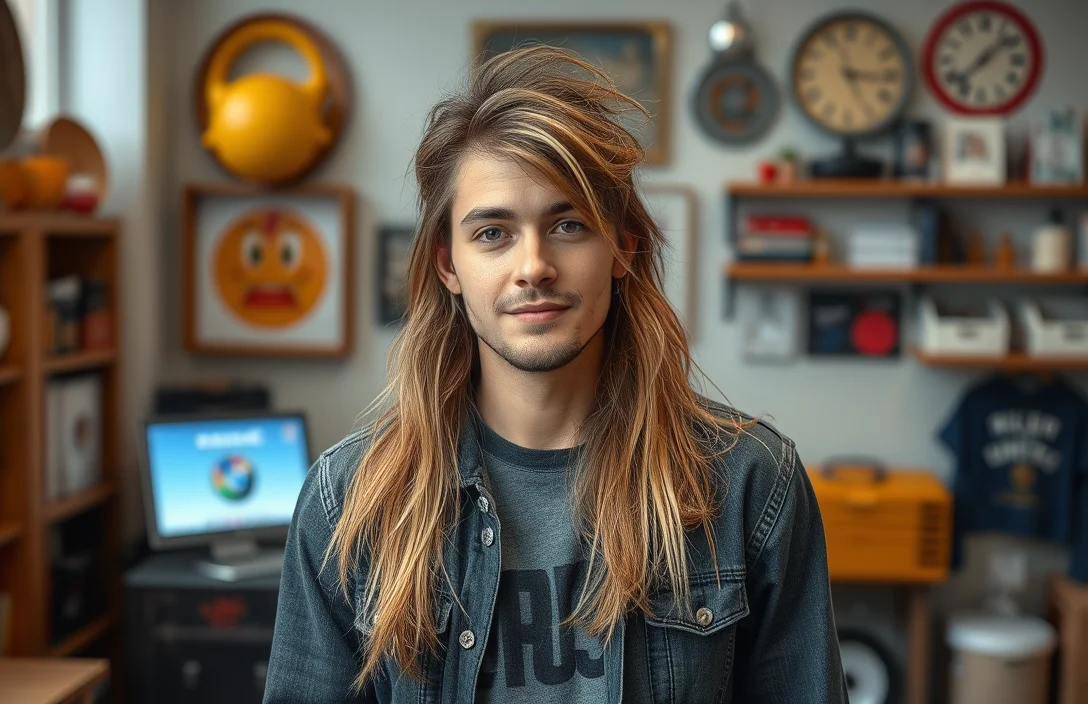
The Mullet Revival: Transforming a Retro Hairstyle for Modern Style
Statistics reveal that the mullet hairstyle has made a remarkable comeback, with a 200% increase in popularity over the last decade. This iconic cut, characterized by short hair on the front and sides and longer hair in the back, has transcended generations and styles.
Defined by its unique shape, the mullet is often described as having short sides, long back, and varied lengths on top. Popularized in the 1980s, it continues to evolve, attracting both nostalgic and modern enthusiasts alike.
Historical Roots of the Mullet Hairstyle
Originating in ancient cultures, the mullet hairstyle features a striking contrast between short hair on the front and sides, with longer hair in the back. Historical evidence suggests this style was present in various forms across different civilizations, including the ancient Greeks and Romans. They often sported similar cuts, emphasizing practicality and aesthetic appeal.
Notably, the hairstyle gained significant popularity in the 1970s and 1980s, particularly within rock and punk music scenes. Musicians like David Bowie and Billy Ray Cyrus showcased the mullet, making it a cultural icon. Its unique style represented rebellion and individuality, appealing to various subcultures during that time.
Over time, the mullet evolved, adapting to fashion trends and societal norms. From being a symbol of counterculture to a subject of humor, its perception shifted. Today, this hairstyle is experiencing a revival, often embraced by younger generations who appreciate its retro charm and versatility.
Varieties of Mullet Styles
Modern mullet styles vary significantly, catering to diverse preferences. The classic mullet features short hair on the front and sides with longer hair at the back, but contemporary versions have introduced various lengths and textures. Some styles incorporate layers or curls, adding dimension and personality to this retro look.
Shaggy mullets offer a relaxed vibe, combining the traditional cut with choppy layers. Men and women alike embrace this variation, as it provides a more casual, effortless aesthetic. Often styled with textured products, shaggy mullets can look polished or intentionally messy.
Textured mullets feature additional layers and different lengths throughout, creating a more dynamic silhouette. This variant allows for creative styling options, including waves or curls. People with thicker hair often love this style because it enhances volume and movement.
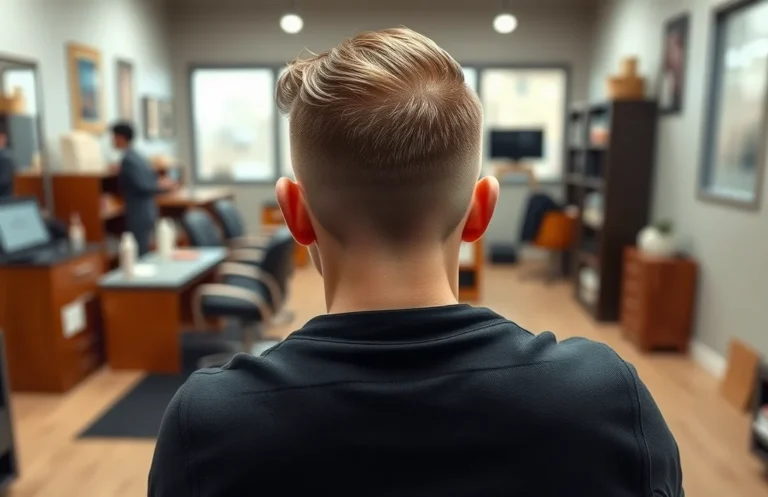
Undercut mullets modernize the look by incorporating shaved or faded sides. This contemporary twist adds an edgy flair while keeping the classic longer back. Ideal for those looking to make a bold statement, undercut mullets have gained popularity across various age groups.
Variations like the mullet bob or mullet pixie take the traditional shape and translate it into shorter cuts. These styles maintain the signature shorter front and longer back but adapt the length for a sleeker, more refined appearance. They work well for individuals seeking a chic twist on the classic hairstyle.
Essential Maintenance for Mullets
Regular trims are essential for maintaining a mullet hairstyle. Aim for a haircut every 4-6 weeks to keep the shape fresh and the layers defined. This routine helps prevent split ends and promotes healthy growth, ensuring that the style remains sharp and stylish.
Investing in quality products is crucial for upkeep. Use the following items to enhance and maintain your look:
- Moisturizing shampoo to keep hair hydrated.
- Styling cream for texture and hold.
- Heat protectant spray if using styling tools.
Establishing a styling routine will help achieve the desired look. Start by applying a styling product to damp hair, then blow-dry while using a round brush to create volume. Finish with a light hairspray to hold the style in place.
Maintaining healthy hair is vital for showcasing the mullet’s unique charm. Regular conditioning treatments can improve texture and shine, making the style stand out. Consider deep conditioning once a week for optimal results.
Influential Celebrities Sporting Mullets
Numerous celebrities have sported mullets, significantly boosting its popularity. Iconic figures like Billy Ray Cyrus and Miley Cyrus have made this hairstyle synonymous with their image. Their bold choices helped reshape public perception, turning the mullet from a punchline into a statement of individuality.
Actors such as Patrick Swayze and Chris Hemsworth embraced the mullet in films and on red carpets. Swayze’s memorable look in “Road House” exemplified the rugged appeal, while Hemsworth’s modern take showcased versatility. These representations further popularized the mullet for diverse audiences.
Musicians like David Bowie and Joan Jett have also played pivotal roles in the mullet’s resurgence. Bowie’s ever-evolving style and Jett’s rock ‘n’ roll attitude brought this hairstyle to the forefront of music culture. Their influence has inspired fans to adopt the mullet as a symbol of self-expression.
Sporting stars, including NBA player Dennis Rodman, have taken mullets to new heights. Rodman’s fearless fashion choices and unique hairstyles redefined what it means to stand out in athletics. His influence shows that the mullet transcends traditional boundaries, appealing to various demographics.
Techniques for Cutting a Mullet
Begin by sectioning hair into distinct areas. Divide the hair into two main sections: the top and the back. Use clips to secure the top section while you focus on the back. This ensures a clean and organized cut, making it easier to achieve the desired length and shape.
Next, select the length for the back. Decide how long you want the back to be, as this defines the mullet’s signature look. Keeping the back longer than the front is crucial. Use scissors or clippers to trim the back, ensuring a smooth and even cut. Regularly check for symmetry as you work.
Utilize point cutting for texture. Rather than blunt cutting, which can create a harsh line, use point cutting to add texture to the ends. This technique softens the edges and blends the hair, making the transition from short to long more seamless and natural in appearance.
Blend the top and back sections next. After achieving the desired length in the back, it’s essential to blend the top section. Gradually cut the top hair shorter, feathering the edges into the length of the back. This creates a cohesive look that defines the mullet’s unique style.
Finish with detailed texturizing. Use thinning shears to remove bulk and add movement. Texturizing the hair enhances the overall shape and prevents it from looking flat. Ensure to check for balance throughout the cut, giving the final look a polished and contemporary feel.
Recommended Hair Products for Mullets
Styling a mullet requires the right products to maintain its unique structure and vibe. Quality hair products enhance texture, control, and hold, allowing you to express your style effectively. Consider these essential products specifically designed for mullet hairstyles.
Pomade delivers a strong hold and a glossy finish, perfect for defining the top and ensuring the back remains voluminous. Look for water-based options that wash out easily, making styling and cleanup hassle-free.
Mousse adds body and volume without weighing down the hair. Applying a lightweight mousse to damp hair helps create a fuller appearance, especially beneficial for the back section of the mullet.
Hair spray provides finishing touches, securing your style throughout the day. Opt for flexible hold sprays that allow movement while maintaining the shape of your mullet.
Texturizing spray enhances natural waves and adds grit, giving your hairstyle a lived-in look. This product is excellent for achieving that effortless, tousled vibe, particularly if you have longer layers.
Heat protectant is crucial if using styling tools. Protect your hair from damage while enhancing shine and manageability, ensuring your mullet stays healthy and vibrant.
Creative Styling Ideas for Modern Mullets
Experimenting with color can dramatically enhance your mullet. Bold hues such as electric blue, fiery red, or pastel shades create an eye-catching look that modernizes the classic style. Consider highlights or balayage techniques to add dimension, ensuring the front and back sections contrast effectively. This approach not only showcases your personality but also keeps the hairstyle fresh and relevant.
Texturizing products work wonders for adding volume and definition. Use a sea salt spray or mousse to create a tousled effect, giving your mullet a relaxed yet stylish vibe. Apply these products to damp hair, scrunching it as you go. A textured finish adds character, making the hairstyle stand out without requiring excessive maintenance.
Accessorizing offers a unique way to personalize your mullet. Incorporate headbands, clips, or scarves that complement your outfit. Opt for statement pieces like colorful hairpins or metallic clips to draw attention to your hairstyle. Accessories not only enhance the look but also allow for easy transitions between casual and more formal settings.
Layering techniques redefine the traditional mullet. Ask your stylist for varied lengths that blend seamlessly, creating an edgy silhouette. Shorter layers in the front can frame the face beautifully while keeping the back longer. This modern twist brings sophistication to the mullet, making it suitable for various occasions.
Cultural Significance of the Mullet
Representing rebellion and individuality, the mullet hairstyle holds a unique place in various cultures. Originating in the 1970s and 1980s, this style became synonymous with rock and roll, symbolizing a carefree attitude and a break from traditional norms. Its duality—short in the front, long in the back—mirrors a lifestyle that embraces both professionalism and leisure.
Expressing identity in different ways, the mullet has been adopted across diverse cultural landscapes. From punk rockers to country music stars, this hairstyle showcases a blend of influences, making it a versatile choice for self-expression. In some communities, it signifies a connection to heritage, while in others, it serves as an emblem of counterculture.
Reviving the mullet today reflects a nostalgic appreciation for the past, combined with a modern twist. Fashion influencers and stylists are reinventing this retro look, challenging conventional beauty standards. As people embrace their unique styles, the mullet has transformed into a statement of authenticity in contemporary culture.
Highlighting its significance, various media portray the mullet as a badge of honor for those who dare to stand out. Movies, music videos, and fashion shows frequently feature this hairstyle, reinforcing its cultural importance and adaptability. As trends evolve, the mullet remains a testament to the power of self-expression through hair.
Quick Summary
- The mullet hairstyle is characterized by short hair in the front and sides, with longer hair in the back.
- It gained popularity in the 1980s and is often associated with rock music culture.
- The phrase “business in the front, party in the back” is commonly used to describe the mullet.
- Variations of the mullet exist, including modern interpretations that incorporate different textures and lengths.
- The mullet has seen a resurgence in recent years, embraced by various subcultures and fashion trends.
- It can be styled in numerous ways, making it versatile for different looks and occasions.
- Though often seen as a retro style, the mullet continues to be a statement hairstyle for many individuals.
Frequently Asked Questions
What is a mullet hairstyle?
A mullet hairstyle is characterized by short hair on the front and sides and long hair in the back. This style became popular in the 1980s and is often associated with a rebellious or edgy fashion statement.
How do I style a mullet?
Styling a mullet typically involves keeping the front and sides short, while allowing the back to grow long. You can use hair products like pomade or gel for texture and hold, and consider using a blow dryer for added volume.
Is a mullet suitable for all hair types?
While a mullet can be adapted to various hair types, it generally works best with medium to thick hair. Curly or wavy hair can add volume, while straight hair may require more styling to achieve the desired look.
Can women wear a mullet hairstyle?
Absolutely! The mullet is a versatile hairstyle that can be worn by anyone, regardless of gender. Many women have embraced modern variations of the mullet, often incorporating layers and softer textures.
How do I maintain a mullet?
Maintenance of a mullet involves regular trims to keep the front and sides looking sharp while allowing the back to grow. Additionally, using quality hair care products can help maintain the style and health of your hair.

- 7 Best Detangling Brushes for Curly Hair: Thick, Fine, Long & Natural Hair - September 25, 2026
- 5 Best Moisturizing Curl Defining Creams for Soft, Defined Curls - September 24, 2026
- Best Curl Creams for Straight Hair: 5 Top Picks for Women - September 24, 2026