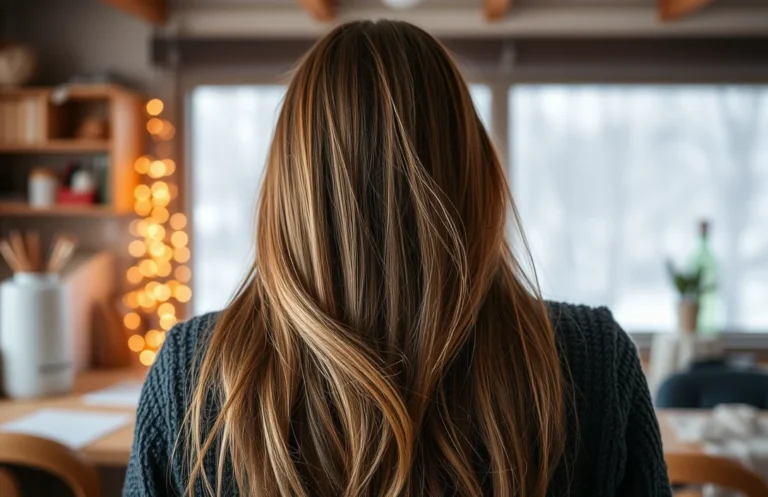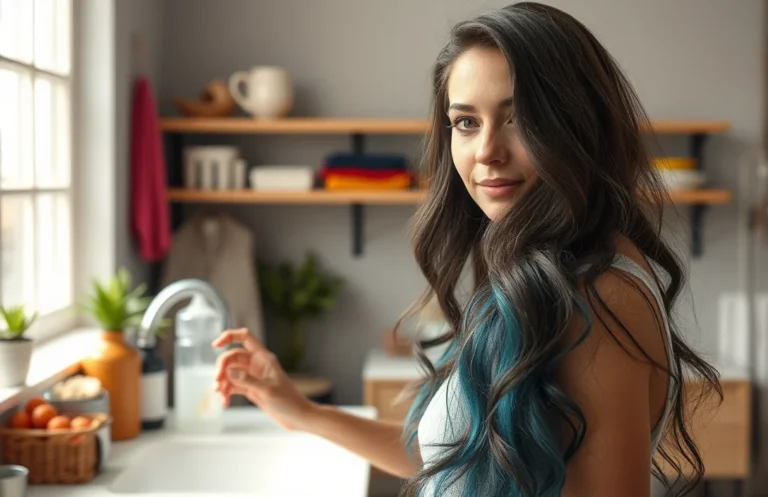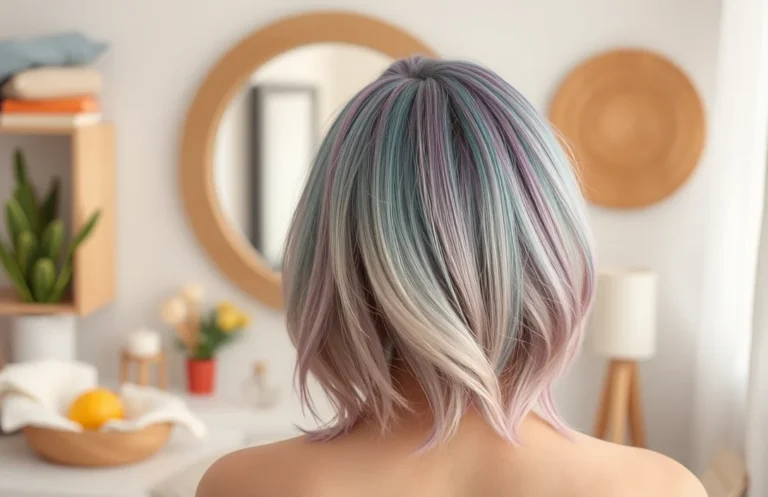
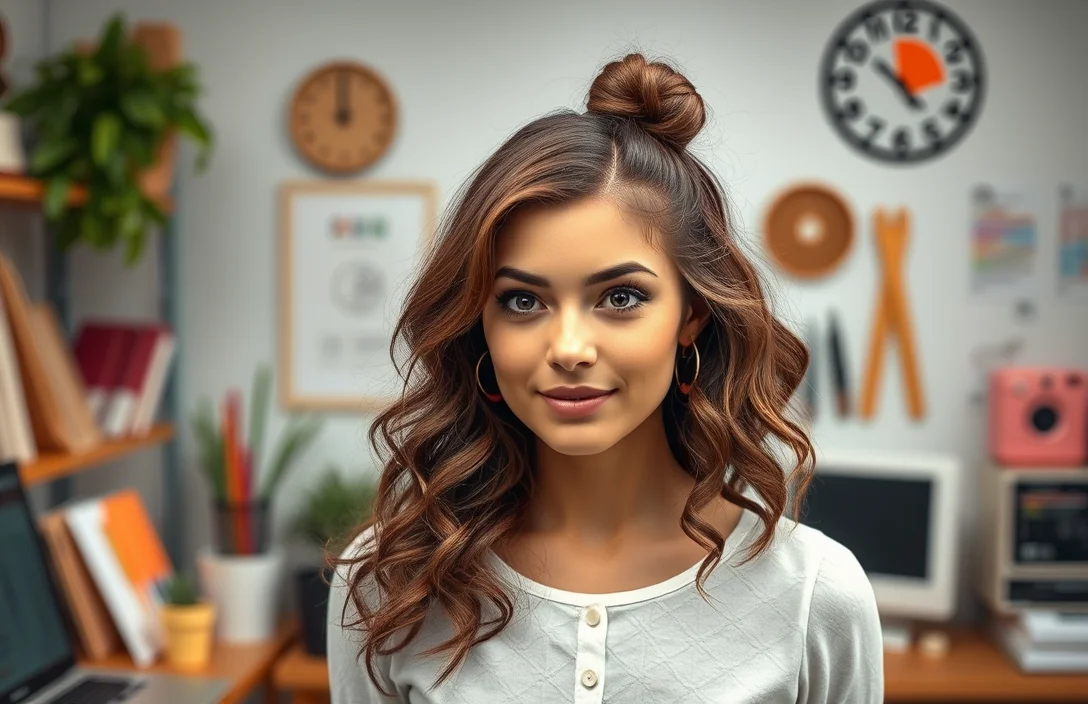
Transform Your Look: 5 Easy Hairstyles for Every Occasion
Seventy-five percent of people feel more confident when their hair looks good. Learning how to do hairstyles can significantly impact your self-esteem and how others perceive you. With a few techniques, anyone can master stylish looks that suit any occasion.
Begin with basic styles like braids and ponytails. Experiment with tools such as curling irons and straighteners. Don’t forget to consider hair type and face shape for the best results. Practice regularly to improve your skills.
Essential Hair Styling Tools for Beginners
Essential tools for hairstyling include a variety of items that help achieve different looks. A quality hairbrush is crucial for detangling and smoothing hair before styling. Choose a round brush for volume or a paddle brush for straightening. Investing in one versatile brush will pay off in multiple styling options.
Combining heat tools like hair straighteners and curling irons can create various hairstyles. Flat irons are essential for sleek, straight looks, while curling wands help in achieving soft waves. Ensure you have a heat protectant spray to prevent damage while using these tools.
Hair ties and clips are necessary for sectioning and securing hair during styling. Opt for elastic bands that won’t damage hair and use clips to hold sections in place. These items streamline the styling process and keep hair organized.
Accessories such as hairpins, bobby pins, and decorative elements can enhance your hairstyle. Utilize bobby pins for securing updos or adding flair to loose hair. A few statement pieces can transform a simple style into something extraordinary.
Lastly, a good quality hairspray helps set your finished look. Choose a flexible hold spray for movement or a strong hold for long-lasting styles. Proper setting products ensure your hairstyle remains intact throughout the day.
Mastering Braiding Techniques for Everyday Looks
Creating beautiful braids enhances your overall hairstyle. Begin by choosing the right braid style based on your hair length and occasion. Here’s a step-by-step guide to mastering three popular braid techniques: the classic three-strand braid, the fishtail braid, and the Dutch braid.
- Classic three-strand braid: Start with three equal sections of hair. Cross the right section over the middle, then the left section over the new middle. Continue alternating until you reach the ends. Secure with a hair tie.
- Fishtail braid: Divide hair into two equal sections. Take a small piece from the outer edge of one section and cross it over to the other section. Repeat this process, alternating sides until you reach the end. Secure with a tie.
- Dutch braid: Begin with three sections at the top of your head. Cross the right section under the middle, then the left section under the new middle. As you continue, add hair from each side until you reach the nape. Secure at the end.
Practicing these styles regularly will enhance your braiding skills. Experiment with different hair accessories to elevate the look. Mastering these braids makes it easy to create stylish, everyday hairstyles.
Creating Elegant Updos for Special Events
Start by preparing your hair. Clean, dry, and smooth hair will make styling much easier. Apply a heat protectant if you’re using any heated tools. Ensure your hair is free from tangles by using a brush or comb before you begin your updo.
- Section your hair into manageable parts. Divide your hair into two or three sections depending on the thickness. This will help you maintain control and create a more polished look.
- Begin twisting or braiding each section. Create twists or braids with each part, securing them with hair ties or clips. This adds texture and interest to your updo.
- Gather all sections at the back. Once you have twisted or braided each part, bring them together. Use bobby pins to secure them in place, ensuring a neat finish.
- Secure loose strands with pins. Tuck any stray hair pieces into the updo and secure with additional bobby pins to ensure longevity throughout the event.
- Finish with hairspray for hold. Lightly mist the completed updo with hairspray to keep everything in place. This will ensure your elegant look lasts for hours.
Understanding Heat Styling Basics for Protection
Set flat iron temperature to the lowest effective heat for your hair: start at 300°F (150°C) for fine, 350°F (175°C) for medium, and 400°F (200°C) for thick or coarse hair. Apply a silicone or lightweight thermal protectant evenly on damp or dry sections, comb through, then dry fully before styling. Test one small strand before proceeding across the head.
- Fine: use 300°F (150°C) or lower and limit to one pass per section.
- Medium: set around 350°F (175°C) and use ceramic plates for even heat.
- Thick: safely use up to 400°F (200°C), section hair tightly, and avoid repeated passes.
Incorporating Protective Hairstyles into Your Routine
Maintaining hair health requires regular incorporation of protective hairstyles. These styles minimize damage and promote growth by reducing exposure to environmental stressors. Implementing protective styles allows you to enjoy versatility while keeping your hair safe. Follow these steps to integrate them effectively into your routine.
- Choose styles that suit you. Options like braids, twists, and updos provide excellent protection while offering various looks. Assess your hair’s length and texture to determine which styles will work best.
- Plan your protective hairstyle schedule. Aim to wear protective styles for at least two to six weeks at a time, allowing your hair to rest from manipulation. Mark your calendar to remind yourself when to switch styles.
- Maintain your hair underneath. Cleanse and moisturize your hair regularly while in a protective style. Use a lightweight leave-in conditioner to keep your scalp hydrated and prevent dryness.
- Limit tension on your scalp. Ensure that your protective styles are not too tight, as this can lead to breakage or traction alopecia. Consult a stylist if you’re unsure about the tension of a specific style.
- Protect hair at night. Use a silk or satin scarf or pillowcase to minimize friction while you sleep. This simple addition can significantly reduce breakage and frizz.
Choosing Hair Accessories to Enhance Styles
Selecting the right hair accessories can significantly elevate your hairstyle. Accessories not only serve a functional purpose but also add personality and flair to your look. Whether you’re preparing for a casual day out or a formal event, choosing the right pieces makes all the difference.
- Pick colors that match outfits. Coordinating accessories with your clothing enhances overall aesthetics. Consider neutral tones for versatility or bold colors for a statement look.
- Consider the occasion’s formality. For casual outings, opt for fun, playful items like barrettes or headbands. Formal events may call for elegant clips or sophisticated hairpins.
- Evaluate your hair type and texture. Fine hair benefits from lightweight accessories that won’t weigh it down. Thick or curly hair may require sturdier options to hold styles securely.
- Think about comfort during wear. Ensure that accessories aren’t too tight or heavy, as this can lead to discomfort throughout the day. Prioritize pieces that can be worn easily for extended periods.
- Experiment with layering different accessories. Combining items like headbands with clips or scarves can create a unique style. Mixing textures and styles can add depth to your look.
Establishing a Daily Hair Care Routine
Incorporating a daily hair care routine is essential for maintaining healthy hair. Start by selecting products that suit your hair type, such as shampoos, conditioners, and styling products. Regularly using these products helps prevent damage and keeps your locks looking vibrant.
Daily brushing improves circulation and distributes natural oils throughout your hair. Use a wide-toothed comb or a brush designed for your hair type to avoid breakage. Focus on detangling gently, especially when wet, to minimize potential harm.
Hydration plays a critical role in hair health. Drinking plenty of water daily helps maintain moisture levels, which can improve the shine and elasticity of your hair. Additionally, consider applying leave-in conditioners or serums to lock in moisture and protect against environmental stressors.
Regular trims are vital for preventing split ends and maintaining shape. Schedule a haircut every six to eight weeks to keep your hair looking fresh and healthy. This practice not only enhances appearance but also encourages growth.
Lastly, protect your hair from heat damage by using heat protectants when styling. Limit the use of hot tools, and embrace air-drying whenever possible. These simple steps ensure your hair remains in excellent condition, making styling effortless in the long run.
Quick Summary
- Understand your hair type and texture to choose suitable styles.
- Gather necessary tools such as brushes, combs, and styling products.
- Learn basic techniques like braiding, curling, and updos for versatility.
- Practice sectioning hair for cleaner and more manageable styling.
- Experiment with different looks to find what suits you best.
- Consider face shape when selecting hairstyles for a flattering effect.
- Maintain healthy hair for better styling results and longevity.
Frequently Asked Questions
What are some basic hairstyles I can start with?
Some easy hairstyles to begin with include a simple ponytail, a messy bun, and braids. These styles require minimal tools and can be completed in just a few minutes, making them perfect for beginners.
What tools do I need for styling hair?
Essential tools for hairstyling include a good quality comb or brush, hair ties, bobby pins, and hairspray. Depending on the style, you might also want to use heat styling tools like a curling iron or straightener.
How can I make my hairstyle last throughout the day?
To ensure your hairstyle lasts, start with clean, dry hair and use products like mousse or styling gel for hold. Additionally, finishing with a strong-hold hairspray can help keep everything in place.
Are there any tutorials available for learning new hairstyles?
Yes, there are countless tutorials available online, including videos on platforms like YouTube and blogs dedicated to hair styling. These resources can guide you step-by-step through various hairstyles, making it easier to learn.
How can I adapt hairstyles for different occasions?
To adapt hairstyles for different occasions, consider the formality of the event. For casual outings, loose waves or a simple braid work well, while events like weddings may call for more intricate updos or polished styles.

- 7 Best Detangling Brushes for Curly Hair: Thick, Fine, Long & Natural Hair - September 25, 2026
- 5 Best Moisturizing Curl Defining Creams for Soft, Defined Curls - September 24, 2026
- Best Curl Creams for Straight Hair: 5 Top Picks for Women - September 24, 2026