
Master the Pixie Cut: A Step-by-Step Guide to Chic Hair Transformation
Statistics show that pixie cuts can save you up to 30 minutes in your daily grooming routine. This edgy hairstyle not only offers a chic look but also minimizes maintenance time, making it a favorite among busy individuals. Learning how to cut a pixie can be liberating.
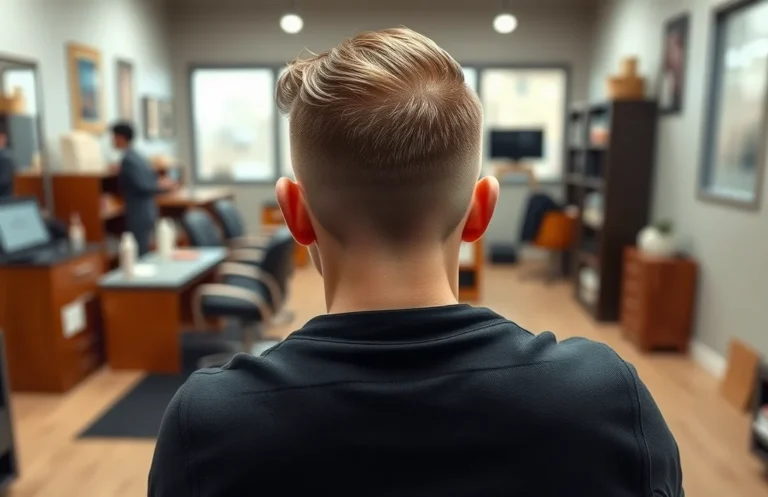
Mastering technique is crucial for a successful pixie cut. Start with wet hair, use sharp scissors, and follow the natural hairline for best results. Keep the back shorter and front longer for that classic pixie shape.
Essential Tools for Pixie
Essential tools for achieving a chic pixie cut include shears, thinning shears, clippers, a razor, combs, and clips. Each tool plays a pivotal role in creating the desired shape and texture, ensuring precision and style. Investing in high-quality equipment will lead to better results and a more enjoyable cutting experience.
- Shears are crucial for clean cuts. Opt for professional-grade shears with sharp, stainless steel blades for optimal results. A good pair can make all the difference in achieving smooth lines.
- Thinning shears help to reduce bulk. These scissors feature teeth on one side, allowing for texturizing without sacrificing length. Use them sparingly to maintain volume while softening edges.
- Clippers provide speed and efficiency. Ideal for creating short styles, they can quickly remove bulk and establish a base length. Choose a clipper with adjustable guards for versatility in length.
- A razor creates soft, feathered edges. This tool adds texture and movement to the hair, giving a more dynamic look. Employ a gentle hand to avoid excessive layering.
- Combs are essential for sectioning. Use a fine-toothed comb for precision and a wide-toothed comb for detangling. Proper sectioning ensures accuracy in the cut.
- Clips keep hair organized. Use these to secure sections out of the way while cutting, making the process efficient and allowing for a focused approach.
Selecting the Right Pixie
Evaluate face shape and features first. Different face shapes suit different pixie styles. For example, round faces benefit from longer layers to elongate the look, while square faces can embrace softer, rounded cuts. Use reference photos to visualize potential styles that complement your shape.
- Identify hair texture and density. Fine hair may require less weight, while thick hair can support more volume. Choose a cut that enhances natural texture and movement.
- Consider client lifestyle and maintenance preferences. Shorter styles often need frequent trims, while longer pixies may allow for more versatility with styling and upkeep.
- Address cowlicks and growth patterns. Understanding how hair naturally falls helps determine the best approach for cutting to minimize styling challenges.
- Experiment with fringe styles that suit the individual. Bangs can soften features or add drama, depending on their length and thickness.
Visualize each option clearly with photos. Gather images of various pixie cuts that align with the criteria established. This aids in the decision-making process and ensures a successful outcome.
Precise Sectioning for Cutting
Effective sectioning ensures uniformity in cutting a pixie hairstyle. Start by preparing the hair with clean, dry strands. Use a comb to detangle and create a smooth base for sectioning. Precision in this step will significantly impact the final look.
- Part the hair down the middle from the forehead to the nape. This central division creates two symmetrical sections.
- Divide each side into two further sections, creating a total of four sections. Clip each section securely to prevent them from mixing.
- Label each section for clarity. Use hair clips labeled ‘Front Left,’ ‘Front Right,’ ‘Back Left,’ and ‘Back Right’ to avoid confusion.
- Control tension while cutting by holding each section taut. This technique helps achieve clean, precise cuts and maintains the desired length.
- Ensure that section sizes are consistent. Keep each section around one inch thick to facilitate even cutting throughout the style.
Applying these steps will enhance the overall cutting process. Keeping sections organized allows for a more manageable and efficient experience, leading to a chic pixie transformation.
Step by Step Cutting Techniques
Executing a pixie cut requires precision and a well-structured plan. Follow these steps to achieve a stylish look, starting from the nape and moving to the fringe. Each section needs careful attention to detail, ensuring that every part blends seamlessly into the final hairstyle.
- Begin at the nape, using clipper work to create a clean base. Set the clippers to a desired length, then glide them up from the neck, following the natural contour of the head.
- Shift to the sides, employing scissor-over-comb technique. Hold the comb horizontally, positioning it at the desired length while trimming the hair above it to create a smooth transition.
- Focus on the crown, pulling sections upward to define the length. Use point cutting to add texture and soften the edges, ensuring a more natural finish.
- Address the fringe last, determining its length based on face shape. Cut straight across or opt for a jagged edge, depending on the desired style. Point cutting here creates a softer look that frames the face beautifully.
Following these sequential cutting techniques ensures a polished pixie hairstyle. Each step builds on the previous one, laying the groundwork for seamless blending and texturizing in the next section.
Seamless Blending and Texturizing
Begin by removing bulk for movement. Graduation techniques help transition lengths smoothly, allowing for a soft blend between layers. Start with sections at the back and work towards the front. Elevate the hair at a 45-degree angle while cutting to create a natural flow. This technique not only adds dimension but also helps avoid harsh lines that can disrupt the overall look.
Razor texturizing delivers a light, airy finish. Use a straight razor to gently slice through the ends of the hair. This method works well for creating texture and movement without sacrificing length. Ensure the blade is sharp to avoid jagged cuts, which can lead to an unkempt appearance. Maintain a consistent angle to achieve an even texture throughout the hairstyle.
Employ thinning shears for precise bulk removal. These shears feature notched blades that selectively cut hair, leaving some strands intact. Work through the thicker sections of the pixie cut, focusing on areas that feel heavy. This technique creates a more manageable style while enhancing movement. Remember to check frequently in the mirror to ensure an even distribution.
Finishing touches refine the overall look. After completing the cut, evaluate the shape and make any necessary adjustments to ensure balance. Use texturizing spray to enhance the style and add a touch of definition. This product will help maintain the desired texture throughout the day, ensuring the pixie cut remains stylish and vibrant.
Practical Styling for Pixies
Styling a pixie cut effectively requires specific techniques for both wet and dry hair. Begin by selecting the right products to enhance your style, such as a lightweight mousse for volume or a styling cream for texture. Quality tools like a round brush and blow dryer can help you achieve a polished look.
- Start with wet hair. Apply a small amount of mousse evenly throughout damp hair. Use a comb to distribute the product, ensuring even coverage.
- Blow-dry with a round brush. Lift sections of hair at the roots for volume while directing the ends to create soft shapes. Aim for a tousled finish.
- Style dry hair with pomade. Emulsify a small amount in your hands and work it through your pixie, focusing on the ends for separation and definition.
- Quickly shape the front. Use your fingers to tousle and position bangs or longer front sections, allowing for a casual, effortless appearance.
- Transition to night. Add a bit of hairspray for hold and a touch of shine serum for a sleek, polished look, perfect for evening outings.
Experimenting with different styling tools and products can transform your pixie for any occasion. Mastering these techniques will ensure you always look chic and put-together.
Routine Maintenance and Common Mistakes
Trimming every 4 to 6 weeks keeps your pixie cut fresh. Regular maintenance prevents split ends and maintains shape, ensuring your hairstyle remains chic. At-home touch-ups can be effective, but precision is vital. Use sharp scissors and keep the hair damp for better control during touch-ups.
Managing regrowth requires frequent checks. As hair grows, it may lose the intended shape, causing uneven lengths. Regularly assess the cut and trim areas that look out of place. This practice will help maintain the overall style and enhance your look.
Diagnosing common errors is crucial for achieving a flawless pixie. Uneven lengths often arise from improper sectioning. Ensure each section is uniform before cutting. Over-thinning can lead to a frizzy appearance, so keep thickness in mind while trimming. Maintaining proper tension while cutting can prevent jagged edges and enhance the haircut’s overall quality.
Practicing good sectioning techniques aids in achieving a clean, polished cut. Divide the hair into manageable sections using clips, and focus on one area at a time. This method reduces mistakes and ensures a more even haircut. Avoid distractions to maintain focus during the process.
Quick Summary
- Start with clean, dry hair to assess the natural texture and length.
- Section the hair into manageable parts to ensure an even cut.
- Use sharp scissors for a precise cut; avoid using dull tools.
- Begin cutting from the back, working towards the front for a layered effect.
- Regularly check for symmetry and make adjustments as needed.
- Style with texturizing products to enhance the pixie look.
- Consult a professional stylist if unsure about cutting or styling techniques.
Frequently Asked Questions
What tools do I need to cut a pixie hairstyle?
To cut a pixie hairstyle, you’ll need sharp hair cutting scissors, a comb, hair clips, and possibly thinning shears for texture. Having a mirror to check the back of your head is also helpful.
How do I prepare my hair before cutting it?
Start with clean, dry hair that is free of products. You may want to slightly dampen it for easier handling, but make sure it’s not soaking wet, as wet hair can appear longer than it is.
What cutting technique should I use for a pixie cut?
Begin by sectioning your hair into manageable parts. Use a point-cutting technique to create texture, and trim the back and sides shorter than the top for that classic pixie shape.
How do I ensure an even cut?
Regularly check for evenness by combing sections down and comparing both sides. Take your time, and consider using a guide length from one side to ensure symmetry throughout the cut.
Can I style my pixie cut after cutting it?
Yes, styling is an important part of completing a pixie cut. Use a lightweight styling product like mousse or pomade to add texture and shape, and experiment with different styles to find what suits you best.

- 7 Best Detangling Brushes for Curly Hair: Thick, Fine, Long & Natural Hair - September 25, 2026
- 5 Best Moisturizing Curl Defining Creams for Soft, Defined Curls - September 24, 2026
- Best Curl Creams for Straight Hair: 5 Top Picks for Women - September 24, 2026