Mastering the Art of Black Hairstyles: A Guide for Aspiring Artists
Over 70% of Black women choose to wear their hair natural, which creates diverse hairstyles that are rich in culture and history. Learning to draw these styles not only enhances artistic skills but also deepens appreciation for their beauty and complexity.
Mastering key techniques like texture representation and hair volume is essential. Focus on curly, coily, and braided styles to capture the unique characteristics of Black hairstyles effectively.
Understanding Black Hair Texture
Recognizing the unique characteristics of black hair is essential for accurately depicting hairstyles. This hair type often features a tighter curl pattern, which creates volume and dimension. Artists should focus on these details to capture the essence of black hairstyles effectively.
Textured hair often requires various techniques to illustrate the intricate curls and waves. Use a combination of shading and line work to highlight the depth and movement of the hair. Experimenting with different tools, such as pencils or brushes, can help achieve the desired effect.
Understanding the importance of contrast is crucial. Black hair can appear shiny and reflective depending on the light source. Incorporate highlights and shadows to create a three-dimensional look, enhancing realism in your artwork. This attention to detail will make your drawings stand out.
Practicing with references can improve your skills significantly. Study photographs or real-life models to observe how light interacts with different hair textures. By doing so, you’ll gain insights into how to render those details accurately in your own work.
Different Types of Black Hairstyles
Natural hairstyles showcase the beauty of textured hair, including afros, curls, and kinks. Capturing these styles requires attention to volume and shape. Artists should focus on the curve of curls and the way they bounce. Utilize references from real-life images to understand how these styles frame the face and flow with movement.
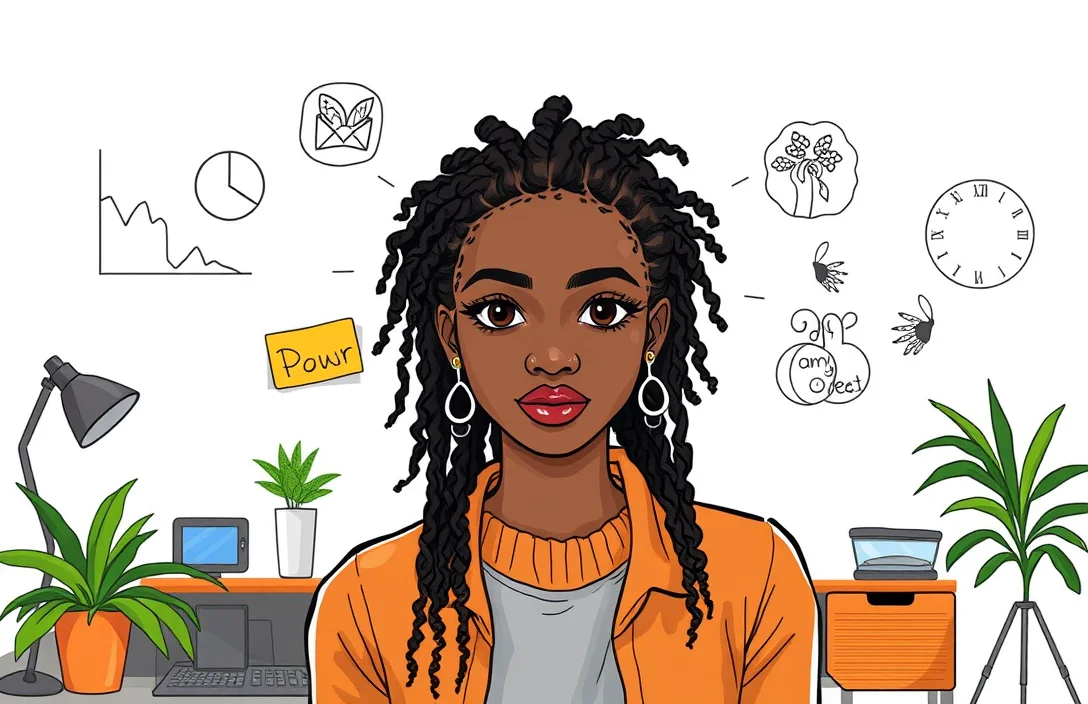
Braided styles offer versatility and intricate designs, such as box braids, cornrows, and twists. Artists must grasp the way these patterns interweave and the texture it creates. Observing the tightness and spacing of braids can help replicate them accurately on paper. Consider the thickness and length while sketching to achieve realistic proportions.
Twisted looks, including two-strand twists and Senegalese twists, provide unique visual elements. Artists should note how these twists can vary in size and texture, affecting the final appearance. Capturing the way light reflects off twisted hair can enhance depth. Study how twists lay against the scalp and fall naturally.
Protective styles, such as wigs and weaves, allow for creativity while maintaining hair health. Artists can explore the way these styles change the overall appearance. Recognizing the volume and the illusion of length is crucial. Pay attention to the hairline and the way these styles integrate with natural hair.
Drawing Natural Hairstyles Accurately
Begin by focusing on the shape of the hairstyle. Afros, curls, and coils have distinct forms that can be represented with basic geometric shapes. Start with a rounded outline for an afro or a series of flowing lines for curls. This foundational shape ensures accurate proportions and provides a strong base for further detailing.
Next, incorporate texture using varied line techniques. For coily textures, use tight, spiraling lines that mimic the natural bounce and curl of the hair. In contrast, larger, looser curves work well for afros. Layer these lines to create depth and dimension, emphasizing the unique qualities of each hairstyle.
Detailing is crucial for realism. Add highlights and shadows to suggest light reflection and depth. Use lighter strokes to signify highlights and darker, thicker lines for shadows. This contrast enhances the three-dimensional appearance of the hair, making it more lifelike.
Practice different styles regularly to improve your skills. Try drawing from photographs or real-life examples to understand the variations in texture and shape. The more you observe and replicate, the better your ability will become in illustrating diverse black hairstyles accurately.
Creating Braids and Twists
Divide hair into zones for accurate braid placement and directional flow; mark scalp partings and path lines lightly. Plan braid size versus face scale, noting where braids start at the scalp, join, or end. Keep guides faint so final strokes read as texture, not construction lines, and consider natural growth patterns for believable results.
- Sketch braid bases using lightly curved parallel lines indicating three-strand starts; maintain consistent width for rhythm and proportion.
- Section hair into proper strand groups by marking separations with faint strokes; ensure equal strand mass for realistic interweaving.
- Cross outer strands over center with overlapping curves, varying pressure to suggest depth and avoid flat, mechanical edges.
- Twist two-strand ropes by wrapping one around the other, showing alternating ridge and groove with short curved hatch strokes.
- Vary braid tightness along length; loosen near ends and roots to imply natural tension, break symmetry for authenticity.
- Shade between strands using directional hatching to imply depth and place highlights on raised centers to read individual strands.
Incorporating Cultural Significance in Styles
Cultural context shapes black hairstyles profoundly. Each style often carries historical significance, representing identity, resistance, or community. For artists, capturing these meanings enhances the authenticity of their work. Researching styles’ origins and their social implications provides deeper insight into the craftsmanship required in drawing them.
Learning about specific styles aids understanding. For instance, braids symbolize African heritage and community ties, while afros may represent pride and resistance to assimilation. Integrating these narratives into your artwork not only adds depth but also pays homage to the cultural roots behind each hairstyle. Artists should convey these stories visually.
Engaging with individuals knowledgeable about these hairstyles can offer unique perspectives. Conversations with those who wear or create these styles reveal personal experiences that enrich the artistic process. Personal stories often highlight the emotional connections people have with their hair, providing valuable context for your drawings.
Including cultural symbols in your illustrations can make them more impactful. Consider patterns or colors that hold significance within specific communities. By thoughtfully incorporating these elements, artists create pieces that resonate on a deeper level, bridging the gap between aesthetics and cultural appreciation.
Effective Shading Techniques for Hair
Shading effectively adds depth and realism to black hairstyles. Start by observing how light interacts with hair. Identify the light source in your illustration and use it to determine where shadows and highlights should be placed. This will create a more dynamic and lifelike appearance.
Utilize varying pressure on your drawing tool to achieve different shades. Light pressure creates subtle highlights, while increased pressure produces darker tones. Experiment with your technique to see how these variations can enhance the texture and form of the hair.
Consider layering techniques to build depth. Begin with a base layer of color, then gradually add darker shades in specific areas to mimic the natural flow and volume of hair. This method allows for more control and a gradual transition between tones, enhancing the overall effect.
Incorporate blending tools to smooth transitions between shades. A blending stump or a soft brush can help create a more cohesive look, making the hair appear softer and more realistic. Use these tools sparingly to avoid losing texture.
Practice is essential for mastering shading. Regularly sketch different hairstyles and experiment with various shading methods. Over time, you will find the techniques that best suit your style, allowing you to draw black hairstyles with confidence and precision.
Common Mistakes in Drawing Black Hairstyles
Ignoring texture variation leads to unrealistic depictions. Hair has different textures, even on the same head. Artists often simplify by using a single texture across the entire hairstyle. To correct this, identify various sections of hair and apply unique textures that reflect reality. This practice enhances depth and authenticity.
Underestimating the importance of volume causes flat appearances. Black hairstyles often exhibit significant volume, which can be overlooked. To avoid this, focus on creating layers and highlights that accentuate the volume. Use shading techniques that highlight the natural bounce and movement of the hair, giving it a fuller look.
Neglecting hairline details results in unnatural edges. A well-defined hairline is crucial for realism. Pay close attention to how hair grows and shapes around the face. Use fine lines to depict these details, ensuring that the hairline matches the overall style being illustrated.
Overusing colors can lead to chaotic visuals. While vibrant colors may seem appealing, they can distract from the hairstyle itself. Stick to a balanced palette that complements the hair’s natural shades. Use colors strategically to enhance highlights and shadows, maintaining realism without overwhelming the viewer.
Rushing through the final touches leaves artworks incomplete. Artists often overlook the importance of refining details in their work. Take time to review and enhance specific areas, ensuring that every strand of hair is represented accurately. This diligence can elevate a piece from mediocre to exceptional.
Quick Summary
- Understand the basic shapes and forms of different black hairstyles.
- Study reference images to capture the texture and volume of various hairstyles.
- Use appropriate tools, such as pencils or digital drawing software, to achieve the desired effects.
- Practice drawing hair strands individually to create realistic movement and flow.
- Incorporate shading techniques to add depth and dimension to the hairstyles.
- Experiment with different styles, including afros, braids, and locs, to expand your skills.
- Seek feedback and continuously refine your techniques for improved results.
Frequently Asked Questions
What are some basic techniques for drawing black hairstyles?
Start by understanding the unique textures and shapes of black hair. Use techniques like sketching the outline first, adding volume with curves, and incorporating details like curls, twists, or braids to capture the style accurately.
How can I represent different hair textures in my drawings?
Different hair textures can be represented by varying the line quality and density. For instance, use tighter, smaller curls for coiled hair and looser, wavier lines for afro-textured styles.
What tools are best for drawing black hairstyles?
Pencils, charcoal, and markers are excellent tools for capturing the rich texture and depth of black hairstyles. Experimenting with different brushes or digital tools can also help achieve the desired effect.
Should I focus on color when drawing black hairstyles?
While color can enhance your drawing, focusing on texture and form is crucial, especially for black hairstyles. Once you’re comfortable with the shapes, you can incorporate colors that reflect the natural undertones of black hair.
Where can I find references for drawing black hairstyles?
Look for online resources, such as tutorials, YouTube videos, or platforms like Pinterest for inspiration. Observing real-life styles or using photographs can also provide valuable reference points for accuracy.

- 10 Best Hair Oil For Oily Hair Buyer Guide 2026 - October 26, 2026
- 10 Best Hair Oil For Oily Scalp Buyer Guide 2026 - October 26, 2026
- 10 Best Hair Oil For Newborn Baby Girl Buyer Guide 2026 - October 25, 2026