Is Color Oops Bad for Your Hair? Risks, Side Effects & Safe Use Guide
Yes, Color Oops can dry out and weaken your hair, especially if your hair is already damaged, bleached, or chemically treated. However, it is usually considered less damaging than bleach because it removes artificial dye instead of stripping your natural hair pigment completely. Most people experience temporary dryness, rough texture, or frizz rather than permanent hair damage.
Color Oops is a popular hair color remover used to correct unwanted dye results, remove dark permanent color, or prepare hair for recoloring. While it can be effective, many people worry about whether it causes breakage, hair loss, or severe damage.
The truth is that Color Oops changes the hair structure temporarily by opening the cuticle and shrinking artificial dye molecules so they can be washed away. This process may leave hair feeling dry, brittle, or rough, particularly if the hair was already weak before treatment.
In this guide, you’ll learn whether Color Oops is bad for your hair, the most common side effects, how it compares to bleach, and the safest ways to protect your hair before and after using a color remover.
What Is Color Oops?
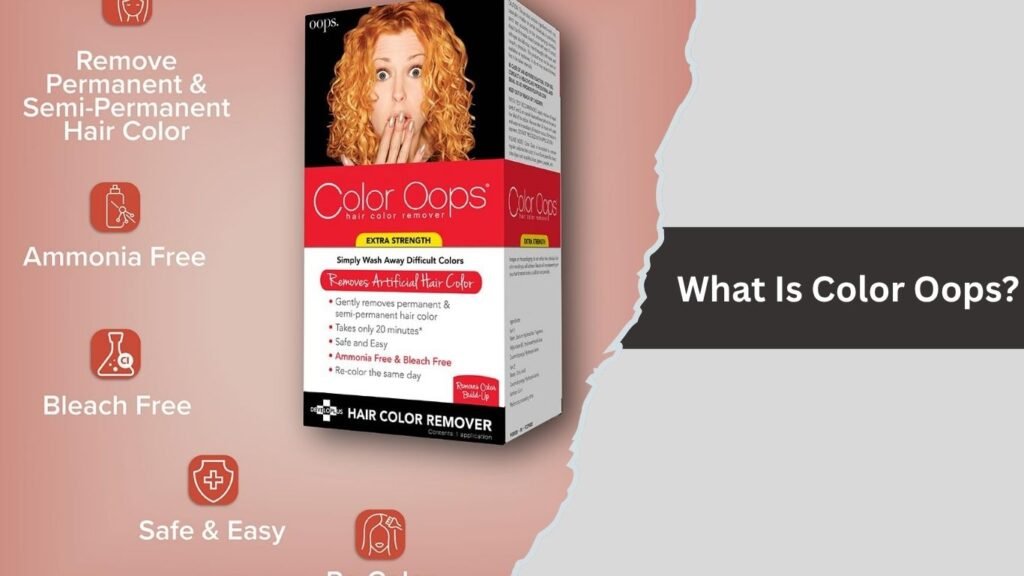
Color Oops is a hair color remover designed to remove artificial permanent hair dye from the hair shaft. Unlike bleach, it does not fully strip the natural pigment from your hair. Instead, it works by breaking down the artificial color molecules so they can be rinsed away more easily.
Many people use Color Oops after a bad dye job, overly dark color results, or years of color buildup.
How Color Oops Works
Color Oops uses reducing agents that shrink artificial dye molecules inside the hair. Once the molecules become smaller, they can be washed out during the rinsing process.
The product mainly targets oxidative hair dyes, including:
- Permanent hair color
- Dark dye buildup
- Oxidative salon colors
- Some demi-permanent dyes
It works best on artificial color rather than natural pigment.
Difference Between Color Oops and Bleach
Many people confuse Color Oops with bleach, but they work very differently.
Bleach removes natural pigment from the hair using strong oxidizing chemicals, while Color Oops focuses mainly on removing artificial dye molecules. Because of this, Color Oops is generally less damaging than traditional bleach treatments.
However, Color Oops can still make the hair feel:
- Dry
- Rough
- Frizzy
- Brittle
- Weak temporarily
Especially if the hair is already compromised.
Types of Hair Color It Removes
Color Oops works best on permanent oxidative hair dyes. It is commonly used to remove:
- Black box dye
- Dark brown permanent dye
- Red artificial pigments
- Layered permanent color buildup
Results vary depending on how long the dye has been in the hair and how many times the hair has been colored previously.
Who Commonly Uses Color Oops
People often use Color Oops when they:
- Want to remove dark dye
- Need a color correction
- Plan to recolor their hair
- Accidentally dyed hair too dark
- Want to transition to a lighter shade
It is especially popular among people trying to fix at-home hair coloring mistakes.
Is Color Oops Bad for Your Hair?
Color Oops is not completely harmless, but it is usually less damaging than bleach or repeated permanent coloring. The amount of damage depends heavily on your hair’s condition before treatment.
Healthy hair may only experience temporary dryness, while weak or overprocessed hair can become brittle and fragile afterward.
The Short Answer Explained
Color Oops can make the hair feel dry and rough because it opens the cuticle during the color removal process. However, it typically causes less structural damage than bleaching because it does not aggressively remove natural pigment.
Most damage is temporary and improves with proper conditioning and moisture treatments.
Why Some People Experience Damage
People with already-damaged hair are more likely to struggle after using Color Oops. Hair that has been:
- Bleached repeatedly
- Heat damaged
- Relaxed chemically
- Frequently dyed
Often reacts more severely to any chemical process, including color removers.
Temporary Dryness vs Severe Damage
For most users, the side effects are temporary and include dryness, frizz, or rough texture. Severe damage is more likely when Color Oops is used repeatedly within short periods or followed immediately by bleach or another harsh chemical treatment.
Proper aftercare plays a major role in how healthy the hair feels afterward.
How Color Oops Affects Hair
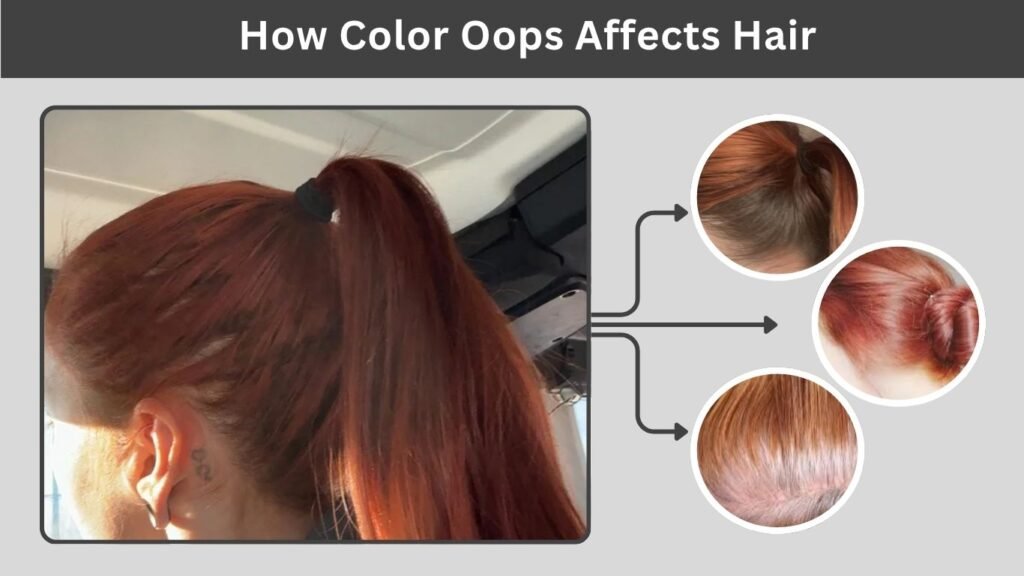
Color Oops works by shrinking and removing artificial dye molecules from the hair shaft. During this process, the hair cuticle is opened so the product can reach inside the strand. This is why many people notice changes in texture immediately after use, especially if their hair is already dry or chemically treated.
While it does not permanently strip natural pigment like bleach, it can still temporarily weaken the hair’s protective layer.
Opens the Hair Cuticle
One of the main effects of Color Oops is that it lifts the hair cuticle to allow color removal. When the cuticle is raised, the hair becomes more porous and sensitive to moisture loss.
This can make hair feel:
- Rough
- Dry
- Tangled
- Less smooth
If the cuticle remains lifted for too long, hair may lose some of its natural shine and softness temporarily.
Removes Artificial Color Molecules
Color Oops targets synthetic dye molecules trapped inside the hair shaft. It breaks them down so they can be rinsed away during washing. This is what allows dark or unwanted color to fade significantly in one treatment.
However, as the artificial pigment is removed, the hair may look uneven or slightly dull until it is properly toned or recolored.
Causes Dryness and Rough Texture
After using Color Oops, many people experience dryness because the product disrupts the hair’s natural moisture balance. The hair may feel straw-like or coarse for a few days after treatment.
This happens because:
- Cuticle layers are lifted
- Natural oils are stripped during rinsing
- Hair becomes more porous temporarily
Deep conditioning is usually needed to restore softness and manageability.
Weakens Already Damaged Hair
Hair that has already been chemically treated is more vulnerable to additional stress. If your hair is bleached, relaxed, or frequently dyed, Color Oops may make it feel even more fragile.
In these cases, the hair may:
- Break more easily
- Lose elasticity
- Feel overly dry
- Require longer recovery time
The more processed the hair is, the more careful you should be with color removers.
Effects on Curly or Textured Hair
Curly and textured hair types naturally need more moisture to stay defined and healthy. Because Color Oops can increase dryness and porosity, curls may temporarily lose definition after treatment.
Common effects include:
- Increased frizz
- Reduced curl pattern
- Dry or rough texture
- Difficulty detangling
With proper moisturizing care, curl definition usually returns over time as the hair recovers.
Common Side Effects of Color Oops
Although Color Oops is often used for color correction, it can come with noticeable side effects depending on hair type and condition. Most of these effects are temporary, but they can still feel concerning immediately after use.
Dryness and Frizz
Dryness is the most common side effect. Because the cuticle is opened during the process, moisture escapes more easily, leaving hair feeling dehydrated and frizzy.
Brittle or Straw-Like Texture
Some users describe their hair feeling straw-like or stiff after treatment. This happens when the hair loses elasticity due to temporary structural changes in the cuticle layer.
Uneven Hair Color Results
Color Oops may not remove all pigment evenly, especially if multiple layers of dye are present. This can lead to patchy or uneven tones that may require further coloring or toning.
Strong Sulfur Smell
A noticeable sulfur-like odor is common after using Color Oops. This smell comes from the chemical process used to shrink dye molecules and can linger until the hair is washed several times.
Increased Breakage in Weak Hair
Hair that is already damaged is more likely to experience breakage after using color removers. This is usually due to dryness and reduced elasticity rather than direct follicle damage.
Can Color Oops Cause Hair Loss?
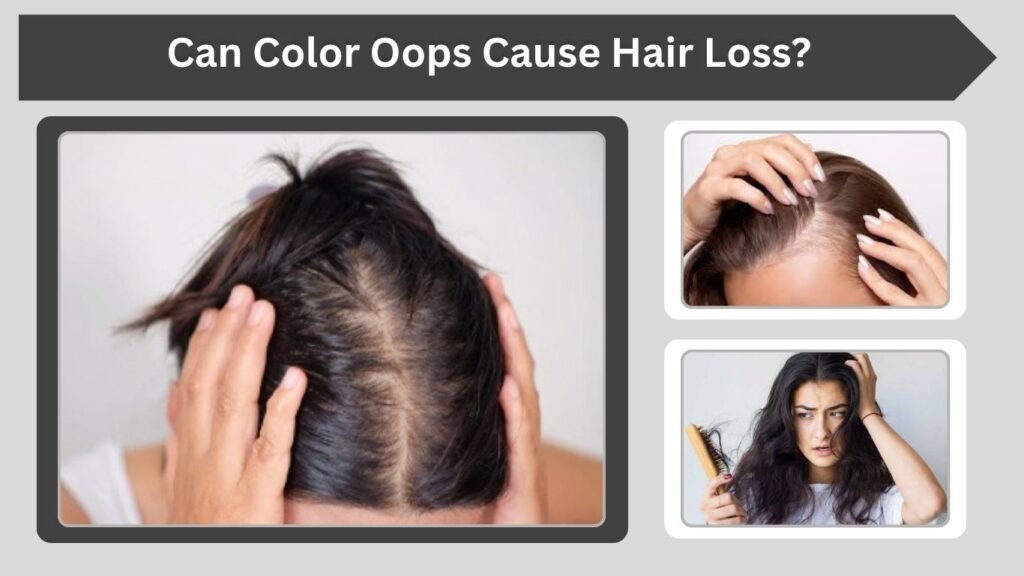
Color Oops does not directly cause permanent hair loss because it does not target the hair follicle. Instead, it works on the hair shaft to remove artificial dye. However, it can contribute to temporary shedding or increased breakage if the hair is already weak, dry, or heavily processed.
Most concerns about “hair loss” after using Color Oops are actually related to breakage rather than true hair falling from the root.
Hair Shedding vs Breakage
It’s important to understand the difference between shedding and breakage. Hair shedding happens when the strand falls out from the follicle at the scalp level. Breakage occurs when the hair snaps along the shaft due to weakness or dryness.
After using Color Oops, many people notice:
- Short broken hairs on clothes or pillows
- Uneven hair length
- Frizzy or thinner-looking ends
These signs usually indicate breakage, not actual follicle damage.
Does Color Oops Damage Follicles?
Color Oops does not penetrate deep enough to damage hair follicles. The follicles are located under the scalp, while Color Oops mainly acts on the outer hair shaft. This means it cannot permanently stop hair growth or directly cause baldness.
However, if the scalp becomes irritated during processing, temporary inflammation may make hair feel more sensitive or increase shedding slightly.
When Hair Becomes Too Fragile
Hair that is already compromised before using Color Oops is at higher risk of noticeable damage. If your hair has been:
- Bleached multiple times
- Chemically straightened or relaxed
- Frequently colored or heat styled
It may not tolerate additional chemical processing well.
In these cases, Color Oops can make the hair feel weaker, drier, and more prone to snapping during brushing or washing.
Signs Your Hair Needs Recovery
After using a color remover, your hair may need time to recover. Warning signs that your hair is stressed include:
- Excessive tangling
- Loss of shine and softness
- Increased breakage during combing
- Dry, rough texture that doesn’t improve
- Difficulty holding moisture
If these signs persist for more than a few weeks, focusing on deep conditioning and reducing chemical treatments is important for restoring hair strength.
Hair Types Most Vulnerable to Damage
Not all hair reacts the same way to Color Oops. Some hair types are naturally more delicate or already weakened, making them more likely to experience dryness, breakage, or uneven results after color removal.
Bleached Hair
Bleached hair is one of the most vulnerable types because the cuticle has already been heavily lifted and weakened. Adding Color Oops on top of bleach-treated hair can increase porosity and dryness significantly.
Fine or Thinning Hair
Fine or thinning hair has less structural strength, so it can feel more fragile after chemical processing. Even mild dryness may make it appear flatter or more prone to breakage.
Chemically Relaxed Hair
Hair that has been relaxed or permanently straightened has already undergone strong chemical changes. This makes it more sensitive to additional treatments like color removers.
High-Porosity Hair
High-porosity hair absorbs moisture quickly but also loses it just as fast. Color Oops can intensify this imbalance, leaving hair feeling dry, frizzy, and harder to manage.
Frequently Heat-Styled Hair
Hair that is regularly exposed to heat tools may already be weakened. Using Color Oops on top of heat-damaged hair can increase roughness and reduce elasticity, making it more prone to snapping during styling.
Is Color Oops Safer Than Bleach?
Color Oops is generally considered safer than bleach because it does not lift or destroy your natural hair pigment. Instead, it removes artificial dye molecules from inside the hair shaft. However, “safer” does not mean completely harmless—Color Oops can still dry out hair, weaken the cuticle, and cause temporary damage, especially on already fragile strands.
The level of damage depends on your hair history, condition, and how you care for it after use.
Key Differences Between Color Remover and Bleach
Bleach is a strong oxidizing chemical that breaks down both natural and artificial pigment, which can significantly weaken the hair structure. Color Oops works differently by shrinking artificial dye molecules so they can be rinsed out without targeting your natural color.
Because of this difference, Color Oops usually causes less structural damage than bleach, but it may still leave hair feeling dry or rough.
Which Treatment Causes More Dryness
Bleach typically causes more intense dryness because it removes natural oils and disrupts the internal protein structure of the hair. Color Oops mainly affects the outer layers, so dryness is often temporary and less severe.
However, repeated use of Color Oops can still lead to:
- Moisture loss
- Rough texture
- Increased porosity
- Frizz and tangling
Why Color Oops May Still Feel Damaging
Even though it is less harsh than bleach, Color Oops can still feel damaging because it opens the hair cuticle during processing. Once the cuticle is lifted, hair becomes more vulnerable to environmental stress and moisture loss.
This effect is more noticeable in hair that is already:
- Bleached or colored multiple times
- Naturally dry or high-porosity
- Heat-damaged from styling tools
When Bleach Becomes More Dangerous
Bleach becomes more dangerous when used repeatedly or incorrectly, especially on weak or thinning hair. It can cause long-term structural damage, breakage, and severe dryness if not professionally applied.
In comparison, Color Oops is usually used for correction rather than lightening, which reduces its risk profile—but it still requires proper aftercare to prevent damage.
How to Use Color Oops Without Damaging Hair
Using Color Oops correctly can significantly reduce the risk of dryness, breakage, and scalp irritation. The key is preparation before use and proper recovery afterward.
Follow Instructions Carefully
Always follow the product instructions exactly. Leaving the product on too long or applying it incorrectly can increase dryness and uneven results.
Avoid Repeated Applications
Using Color Oops multiple times in a short period can stress the hair cuticle. It is better to allow time between treatments so the hair can recover.
Deep Condition Immediately After
After rinsing out Color Oops, deep conditioning is essential. This helps restore moisture, smooth the cuticle, and reduce frizz or roughness caused by the treatment.
Wait Before Recoloring Hair
It is recommended to wait before applying new dye after using Color Oops. This allows the hair structure to stabilize and reduces the risk of uneven color results or further damage.
Use Protein and Moisture Balance
Hair recovery requires both moisture and protein. Moisture restores softness, while protein helps rebuild strength. Balancing both is important for maintaining healthy hair after chemical treatments.
Avoid Heat Styling Afterwards
Heat styling can worsen dryness after using Color Oops. Limiting blow dryers, straighteners, and curling tools helps prevent additional stress on weakened strands.
Best Hair Care After Using Color Oops
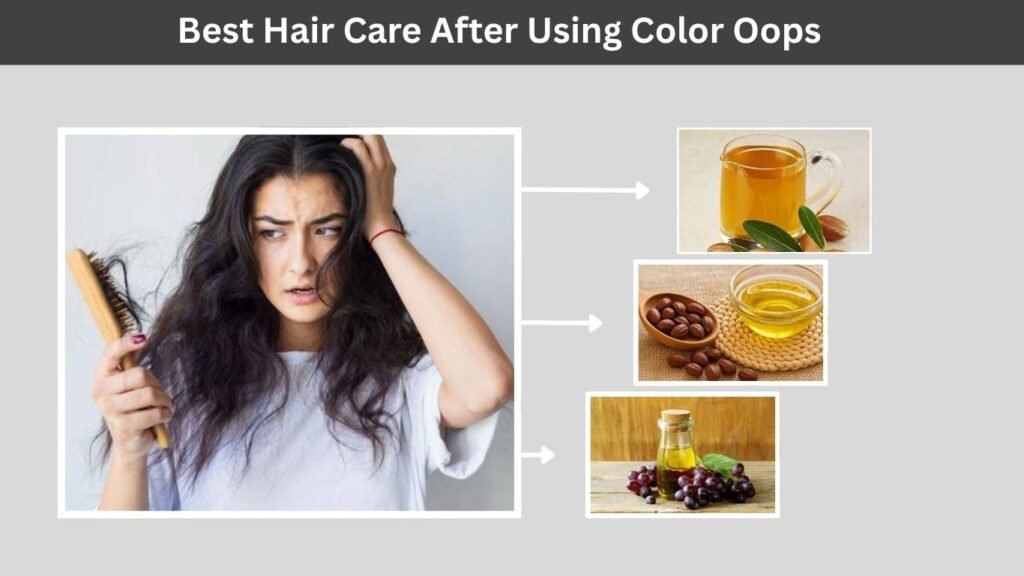
After using Color Oops, your hair needs extra care because the cuticle is left more open and porous. Without proper aftercare, hair may stay dry, frizzy, and prone to breakage for longer than necessary. A recovery-focused routine helps restore moisture, strength, and smoothness.
Moisturizing Shampoos and Conditioners
Switching to moisturizing hair products is one of the most important steps after color removal. Hydrating shampoos and conditioners help replenish lost moisture and gently cleanse without stripping the hair further.
Look for formulas that are:
- Sulfate-free
- Enriched with oils or butters
- Designed for dry or damaged hair
These products help improve softness and reduce rough texture after treatment.
Leave-In Conditioners
Leave-in conditioners provide ongoing hydration throughout the day. After Color Oops, hair may feel more porous and absorb moisture quickly but also lose it just as fast.
Leave-in products help:
- Reduce frizz
- Improve manageability
- Protect against environmental dryness
- Make detangling easier
They are especially helpful for hair that feels stiff or tangled after color removal.
Protein Treatments in Moderation
Protein treatments help rebuild strength in hair that feels weak or overly elastic after chemical processing. However, using too much protein can make hair stiff, so balance is important.
Use protein treatments:
- Once every 1–2 weeks if hair is damaged
- Less frequently if hair feels strong but dry
This helps restore structure without causing additional brittleness.
Oils for Dry Ends
Lightweight oils can help seal moisture into the hair and smooth rough ends after Color Oops. They also add shine and reduce the appearance of frizz.
Good options include:
- Argan oil
- Jojoba oil
- Grapeseed oil
Apply only a small amount to avoid buildup.
Gentle Detangling Methods
Hair is more fragile after chemical treatments, so rough brushing can cause breakage. Using gentle detangling techniques helps prevent unnecessary hair loss from snapping strands.
Best practices include:
- Using a wide-tooth comb
- Detangling on damp, conditioned hair
- Starting from the ends and working upward
- Avoiding aggressive brushing
Signs You Should Stop Using Color Removers
Color removers like Color Oops are not suitable for every hair condition. In some cases, continued use can make hair weaker or more difficult to recover. Recognizing warning signs early can prevent long-term damage.
Hair Feels Gummy or Stretchy
If your hair feels gummy, overly soft, or stretchy when wet, it may be overprocessed. This indicates that the internal structure of the hair has been weakened.
Severe Breakage
If you notice excessive snapping or short broken strands after using color remover, your hair may be too fragile for additional chemical treatments.
Burning Scalp
A burning sensation during or after application may indicate irritation or sensitivity. This should never be ignored and is a sign to discontinue use.
Excessive Shedding
While Color Oops does not directly cause hair loss, stress on the scalp or weak hair can increase shedding temporarily. Persistent shedding is a warning sign.
Hair No Longer Holds Moisture
If your hair feels dry no matter how much conditioner or oil you use, it may be overly porous and in need of recovery time from chemical treatments.
Natural Alternatives to Color Oops
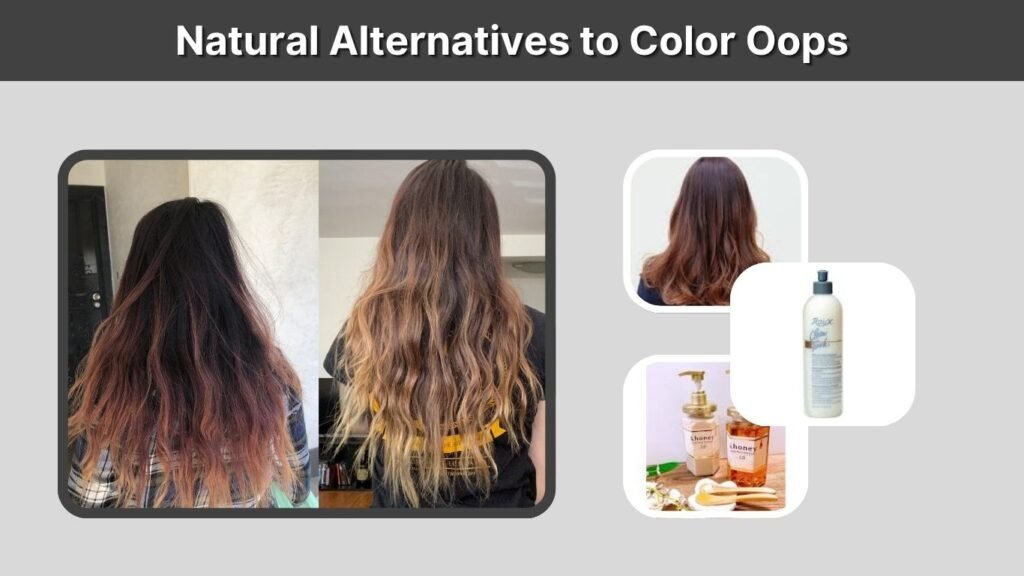
If your hair is already weak, thinning, or chemically treated, you may want to avoid strong color removers and choose gentler methods instead. Natural alternatives do not remove heavy dye as aggressively as Color Oops, but they can help fade color gradually with less stress on the hair.
Clarifying Shampoo
Clarifying shampoos are one of the mildest ways to reduce unwanted hair color over time. They work by deeply cleansing the hair and removing buildup, including some surface-level dye molecules.
They are best for:
- Slight color fading
- Removing product buildup
- Gradually softening dark tones
However, they require multiple washes and should not be overused, as they can still dry out the hair.
Vitamin C Treatments
Vitamin C treatments involve crushing vitamin C tablets and mixing them with shampoo to help fade artificial hair color. The mild acidic nature of vitamin C helps break down dye molecules slowly.
Benefits include:
- Gradual color fading
- Less harsh than chemical removers
- Easy at-home method
This method works best on semi-permanent or freshly applied dye rather than long-set permanent color.
Baking Soda Mixtures
Baking soda is sometimes used to help strip surface-level dye from the hair. It has a strong cleansing effect that can help lighten color slightly.
However, it can also be drying, so it should be used carefully and not too frequently.
Honey and Conditioner Masks
Honey has natural lightening and moisturizing properties when mixed with conditioner. While it will not remove strong dye, it can gently soften color while improving hair hydration.
This method is ideal for people who want to avoid damage while slightly adjusting tone.
Professional Salon Correction
For stubborn or uneven color, professional salon correction is often the safest alternative. Stylists can use controlled methods to remove or adjust color while minimizing damage.
This option is especially helpful for:
- Multiple layers of box dye
- Severe color mistakes
- Previously damaged or bleached hair
When to See a Professional Stylist
Some color correction cases are too complex or risky to handle at home. In these situations, professional help is the safest way to protect hair health and achieve better results.
Extremely Dark Dye Buildup
If your hair has been dyed multiple times with dark permanent color, it may not respond well to at-home removers. A stylist can use controlled techniques to gradually lift the color without excessive damage.
Multiple Layers of Permanent Dye
Layered dye buildup can make color uneven and difficult to remove safely. Professional correction helps avoid over-processing fragile sections of hair.
Bleached or Damaged Hair
If your hair is already bleached or highly damaged, using Color Oops or other removers at home may worsen breakage. A stylist can assess your hair condition and choose safer alternatives.
Major Color Correction Goals
Dramatic changes, such as going from black to light brown or correcting uneven tones, often require professional expertise. Stylists can balance color while protecting hair integrity.
Common Myths About Color Oops
There are many misconceptions about hair color removers. Understanding the truth can help you avoid unnecessary fear or misuse.
“Color Removers Are Completely Harmless”
Color removers are gentler than bleach, but they are not completely harmless. They can still cause dryness, rough texture, and increased porosity if not followed by proper care.
“Color Oops Works Like Bleach”
Color Oops does not bleach or lighten natural hair pigment. It only targets artificial dye molecules, which is why the final result depends on your previous hair color history.
“You Can Safely Use It Repeatedly”
Using Color Oops multiple times in a short period can significantly weaken the hair. Recovery time is essential between treatments to prevent breakage and dryness.
“Hair Feels Healthy Immediately After Use”
Hair often feels dry or rough immediately after use because the cuticle is lifted during the process. Proper conditioning is needed before the hair returns to normal softness.
Frequently Asked Questions (FAQs)
Does Color Oops damage your hair permanently?
Color Oops does not usually cause permanent damage because it targets artificial dye, not the hair follicle. However, it can leave hair dry and weak temporarily. With proper conditioning and care, most people recover softness and strength over time without long-term harm.
Is Color Oops safer than bleach?
Yes, Color Oops is generally safer than bleach because it does not remove natural hair pigment. However, it can still cause dryness and frizz. Bleach is more damaging overall, but both require careful aftercare to maintain healthy hair and reduce breakage risks.
Can Color Oops make hair fall out?
Color Oops does not directly cause hair loss from the root. Any hair fall noticed afterward is usually breakage due to dryness or weak strands. Proper hydration and gentle handling help reduce shedding-like appearance after using color removers.
Why does hair feel dry after Color Oops?
Hair feels dry after Color Oops because the cuticle is lifted during the color removal process. This allows moisture to escape more easily, leaving hair rough and porous. Deep conditioning helps restore softness and improve texture after treatment.
Can I bleach after using Color Oops?
It is not recommended to bleach immediately after using Color Oops. Hair needs time to recover before undergoing further chemical processing. Waiting and restoring moisture first reduces the risk of severe breakage and uneven bleaching results.
How long should I wait to recolor my hair?
Most experts recommend waiting at least a few days to one week before recoloring hair after using Color Oops. This allows the hair to stabilize and reduces the risk of uneven color or additional damage during the next dye process.
Does Color Oops remove natural hair color?
No, Color Oops does not remove natural hair pigment. It only targets artificial dye molecules. Your natural hair color should remain intact, although the final result may appear slightly different depending on previous dye layers.
How can I repair hair after using Color Oops?
Repairing hair after Color Oops involves deep conditioning, using leave-in treatments, and applying lightweight oils to restore moisture. Protein treatments may help strengthen weak strands. Avoiding heat styling and harsh chemicals also supports faster recovery and healthier-looking hair.

- 10 Best Hair Oil For Oily Hair Buyer Guide 2026 - October 26, 2026
- 10 Best Hair Oil For Oily Scalp Buyer Guide 2026 - October 26, 2026
- 10 Best Hair Oil For Newborn Baby Girl Buyer Guide 2026 - October 25, 2026