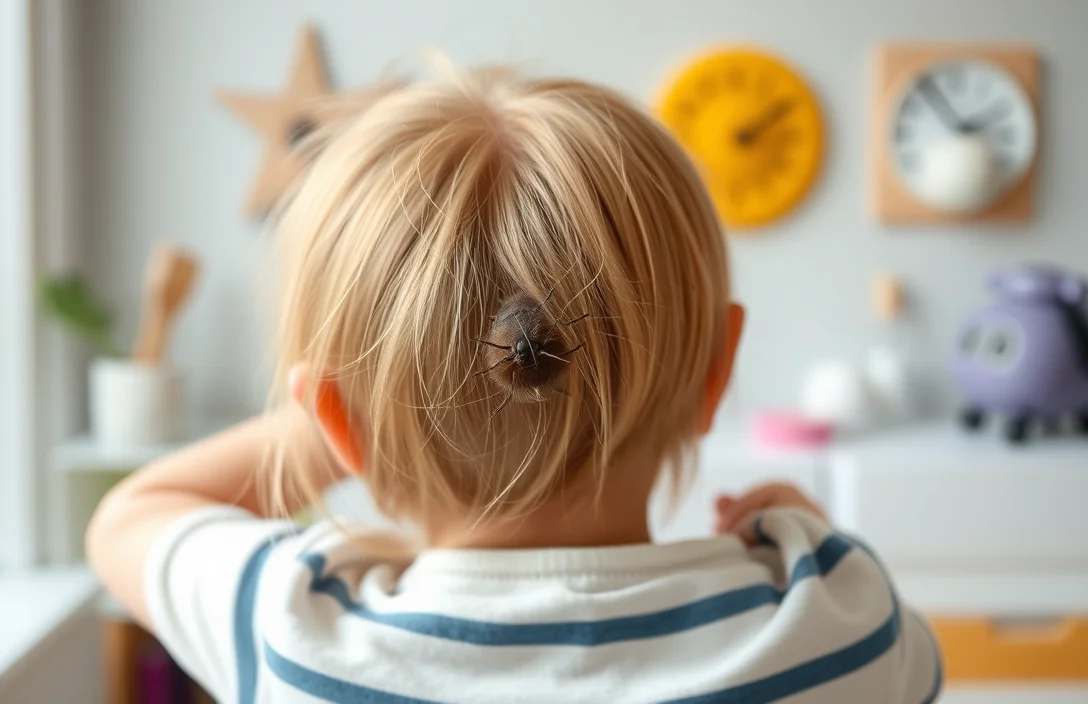
Lice-Free Living: Proven Strategies for Permanent Hair Relief
Approximately 6 to 12 million children in the U.S. experience lice infestations each year, highlighting the need for effective removal strategies. Knowing how to eliminate lice permanently can save time and alleviate the frustration many families face during outbreaks.
Effective removal involves combing through wet hair with a fine-toothed nit comb, using medicated treatments to kill lice, and cleaning the environment to prevent reinfestation. Consistency is key for lasting results.
Identifying Lice and Nits Effectively
Recognizing lice and nits is essential for effective removal. Start by inspecting the scalp and hair, especially around the ears and nape of the neck. Look for tiny, moving insects or small white eggs attached to hair strands. These eggs, known as nits, are often oval and appear glued to the hair shaft.
- Examine hair in bright light. Good lighting helps spot lice and nits more easily. Use a magnifying glass if necessary for closer inspection.
- Part hair into sections. Divide hair into small sections using hair clips. This method ensures thorough examination and prevents missing any area.
- Search for live lice. Adult lice are about the size of a sesame seed and may be white, tan, or brown. They move quickly, so be patient while searching.
- Identify nits accurately. Nits are usually yellow or white specks and are firmly attached to the hair. Distinguishing them from dandruff is crucial since nits do not easily flake off.
- Check regularly. Conduct inspections every few days, especially after treatment. Early detection is key to prevent re-infestation and ensure effective removal.
Overview of Chemical Treatments
Pharmaceutical options provide effective solutions for lice removal. Over-the-counter treatments typically contain active ingredients such as permethrin, pyrethrin, or malathion. These chemicals target lice and nits, disrupting their life cycle, which is essential for permanent eradication. Always follow the instructions on the label for proper application and dosage to maximize efficacy.
Permethrin remains a popular choice. This synthetic insecticide is designed specifically for lice and is often found in shampoos or lotions. Applying it directly to the scalp and hair can kill adult lice and help eliminate nits. A second treatment may be necessary to ensure all lice are gone.
Pyrethrin, derived from chrysanthemum flowers, also effectively kills lice. Many products combine pyrethrin with piperonyl butoxide, which enhances its effectiveness. Users should apply the product thoroughly and leave it on for the recommended time to ensure it penetrates the hair and scalp effectively.
Malathion serves as a prescription option for heavier infestations. This organophosphate insecticide targets lice with a different mechanism than permethrin or pyrethrin. Its application requires careful adherence to guidelines due to its potency, but it can be highly effective in severe cases.
Consulting a healthcare professional ensures appropriate treatment. If over-the-counter products fail, a doctor may recommend prescription treatments or alternative solutions. Being informed about chemical options is crucial for maintaining a lice-free environment.
Natural Remedies for Lice Eradication
Essential oils provide effective natural remedies for lice. Tea tree oil, lavender oil, and eucalyptus oil are known for their insecticidal properties. Mix a few drops of these oils with a carrier oil, such as coconut or olive oil, and apply directly to the scalp. Leave the mixture on for at least 30 minutes before washing it out with shampoo.
Vinegar acts as a powerful lice treatment. Its acidic properties help dissolve the glue that holds lice and their eggs, or nits, to the hair. Combine equal parts vinegar and water, apply the solution to the hair, and let it sit for about 15 minutes. Rinse thoroughly afterward to enhance the effectiveness.
Mayonnaise serves as another effective home remedy. Its thick consistency suffocates lice, making it a popular choice among those seeking natural solutions. Apply a generous amount of mayonnaise to dry hair, cover with a shower cap, and leave it on for several hours or overnight. Rinse out and follow up with a fine-toothed comb to remove any remaining lice.
Saltwater can also assist in treating lice infestations. Mix salt with warm water to create a saline solution. Spray this mixture onto the hair and scalp, ensuring thorough saturation. Allow it to sit for at least 30 minutes before rinsing. This method can help dehydrate and kill lice effectively.
Techniques for Combing Out Lice
Combing out lice effectively requires a fine-toothed lice comb. This tool is essential for removing both adult lice and their eggs, known as nits. To achieve the best results, follow a systematic approach while combing through the hair. Consistency and thoroughness will help in permanently ridding hair of these pests.
- Section hair into manageable parts. Divide hair into four sections to ensure even coverage, securing each section with clips. This makes combing more manageable and effective.
- Start at the scalp. Position the comb at the scalp and pull it slowly through the hair towards the ends. Ensure the teeth of the comb make contact with the scalp, as lice lay eggs close to the roots.
- Inspect the comb regularly. After each stroke, check the comb for lice and nits. Wipe the comb on a white tissue or paper towel to clearly see what you’ve removed.
- Repeat the process thoroughly. Go through each section multiple times. Ideally, comb each section at least three times to ensure no lice or nits are left behind.
- Clean the comb after use. Rinse the comb in hot, soapy water after each section to remove any lice or nits that may have clung to it. This prevents re-infestation.
Following these steps diligently will help in how to remove lice from hair permanently. Regular combing is crucial in the battle against lice, making it a key strategy for long-term relief.
Preventing Lice Reinfestation Strategies
Maintaining a lice-free environment requires vigilance and proactive measures. Regularly monitor hair for signs of lice, especially after treatment. Encourage family members to check each other’s hair frequently, as early detection helps prevent reinfestation. Establishing a routine can ensure that lice do not return after successful removal.
- Keep hair tied back during activities to reduce exposure. Loose hair is more susceptible to lice transfer.
- Wash bedding and clothing in hot water weekly. High temperatures kill any potential lice or eggs hiding in fabric.
- Avoid sharing personal items like hats, brushes, and towels. Lice easily transfer through shared accessories.
- Educate children about lice prevention. Teaching them to avoid head-to-head contact can significantly lower infestation risks.
- Consider using preventive lice sprays or shampoos. These products can create a barrier against future infestations.
Regularly cleaning hair accessories is essential. Soak combs and brushes in hot water to eliminate any lingering lice or nits. Implementing these strategies will significantly reduce the likelihood of lice returning, ensuring a lice-free living space.
Cleaning Your Home Environment Thoroughly
Vacuum floors, furniture, and mattresses immediately after treatment to remove fallen lice and eggs; focus seams, edges, and under cushions. Launder bedding, hats, and clothing used in past 48 hours in hot water (≥130°F/54°C) and high-heat dryer for 20 minutes. Seal non-washables in plastic bags for 48 hours; disinfect combs and brushes by soaking in hot water for 10 minutes.
- Steam clean upholstered furniture seams for 5 minutes per section to kill lice and nits.
- Wash bedding, towels, and frequently worn clothing in hot water and run high-heat dryer for at least 20 minutes.
- Bag non-washable items in sealed plastic for 48 hours to suffocate lice; mark bags with date and time.
- Clean combs, brushes, and hair accessories by soaking in water above 130°F for 10 minutes or use 70% isopropyl alcohol for 5 minutes.
- Treat household contact points: vacuum carpets, car seats, stuffed toys, and under cushions; empty vacuum outdoors immediately.
- Inspect high-contact shared items daily for 10 days and repeat targeted laundering or vacuuming on days 3 and 7 to prevent reinfestation and complete how to remove lice from hair permanently.
Understanding Lice Removal Tools
Effective lice removal tools include fine-toothed combs designed specifically for this purpose. These combs feature closely spaced teeth that trap and remove lice and their eggs. Selecting a high-quality metal comb ensures durability and better results, as plastic versions may break or bend during use. Regular combing sessions are essential to eliminate any stubborn pests and facilitate a lice-free environment.
Specialized lice shampoos often contain active ingredients aimed at suffocating or poisoning lice. Products containing permethrin or pyrethrin are common choices, but it’s crucial to follow the instructions carefully for maximum efficacy. Repeating treatments may be necessary to address any newly hatched lice that could survive initial applications.
Vacuum cleaners equipped with HEPA filters are ideal for cleaning your home after lice treatment. These devices effectively capture lice and eggs from carpets, upholstery, and car interiors. Regular vacuuming of living spaces helps prevent reinfestation, keeping your environment conducive to a lice-free living experience.
Heat treatment devices can also aid in lice removal, as high temperatures can kill both lice and nits. Products like heated air dryers or specialized lice treatment machines distribute heat evenly throughout the hair. Always ensure that the temperature is safe for the scalp to avoid burns while achieving effective lice elimination.
Finally, consider using sticky traps or other monitoring tools to confirm the success of your lice removal efforts. These tools can detect any remaining pests, allowing for prompt action if needed. By combining various tools and techniques, you can achieve permanent relief from lice in your hair.
Quick Summary
- Thoroughly inspect hair and scalp to identify lice and their eggs (nits).
- Use a combination of over-the-counter or prescription lice treatments for effective elimination.
- Regularly comb wet hair with a fine-toothed nit comb to remove lice and nits.
- Wash all clothing, bedding, and personal items in hot water to eliminate lice from the environment.
- Vacuum carpets and upholstery to remove any stray lice or eggs that may have fallen.
- Avoid sharing personal items such as hats, brushes, and towels to prevent re-infestation.
- Monitor for signs of lice after treatment and repeat if necessary to ensure complete removal.
Frequently Asked Questions
What are the signs that I have lice?
Common signs of lice infestation include intense itching on the scalp, visible lice or nits (eggs) in the hair, and red or irritated spots on the scalp. If you notice these symptoms, it’s essential to check for lice promptly.
How can I effectively remove lice from hair?
To effectively remove lice, use an over-the-counter lice treatment shampoo and follow the instructions carefully. Additionally, regularly combing the hair with a fine-toothed nit comb can help remove lice and their eggs.
Are natural remedies effective for lice removal?
Some natural remedies, such as essential oils like tea tree oil or coconut oil, may help in repelling lice but are not guaranteed to remove them completely. It’s best to use proven treatments for effective lice removal.
How can I prevent lice from returning?
To prevent lice from returning, avoid sharing personal items like hats, brushes, or towels. Regularly checking for lice, especially after close contact with others, can also help catch any infestations early.
Is it necessary to treat my entire household for lice?
If one person in the household has lice, it’s advisable to treat everyone who has had close contact with them. This includes checking and treating family members to prevent re-infestation.

- 10 Best Hair Oil For Oily Hair Buyer Guide 2026 - October 26, 2026
- 10 Best Hair Oil For Oily Scalp Buyer Guide 2026 - October 26, 2026
- 10 Best Hair Oil For Newborn Baby Girl Buyer Guide 2026 - October 25, 2026