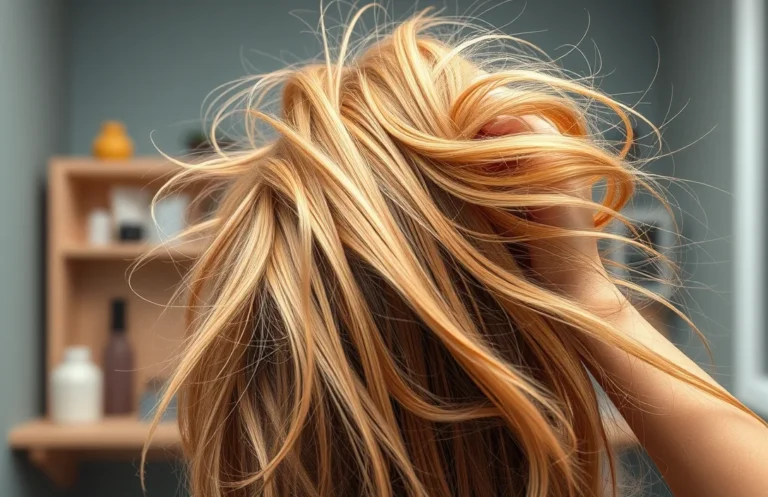
Is Hair Fall Normal During Winter? Understanding the Seasonal Shedding
Statistics reveal that up to 80% of individuals experience increased hair fall during winter months. Cold temperatures, dry air, and indoor heating contribute to this phenomenon. Understanding the causes can help you manage hair health effectively during this challenging season.
Yes, hair fall can be normal in winter. Factors include dry scalp, temperature changes, and reduced humidity. These elements can lead to weakened hair shafts and increased shedding. Addressing these causes with appropriate care is essential for maintaining hair health.
Seasonal Hair Shedding Explained
Hair shedding during winter is common. As temperatures drop, the scalp can become drier, leading to increased hair fall. Cold weather impacts blood circulation, which may affect hair growth. Understanding this natural response can help ease concerns about seasonal shedding.
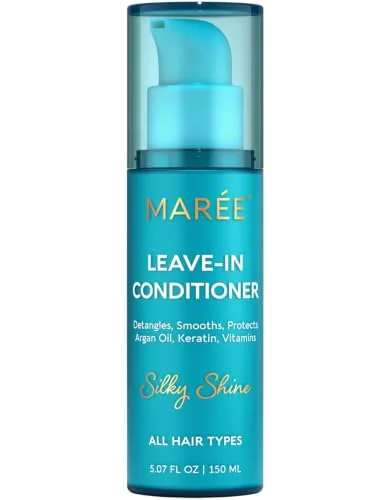
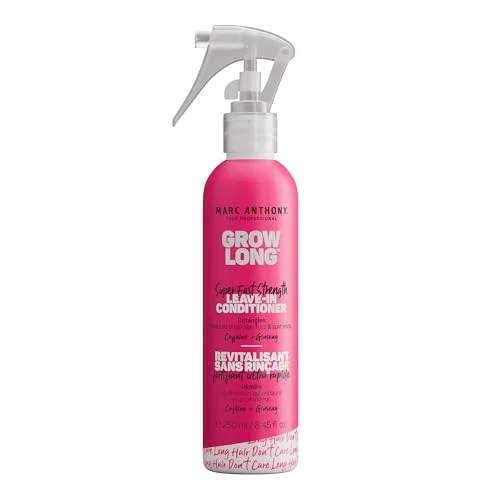
Humidity levels also play a significant role in hair health. Low humidity during winter months can strip moisture from hair, making it brittle and prone to breakage. Protecting hair with hydrating products can mitigate this issue. Incorporating leave-in conditioners or oils can help maintain moisture levels.
Wearing hats or scarves can further contribute to hair fall. Friction from these accessories may weaken strands, leading to breakage. Opting for silk or satin-lined hats can reduce friction and protect hair. Regularly switching up styles can also prevent stress on the same hair sections.
Dietary factors are crucial for maintaining healthy hair. Consuming omega-3 fatty acids, vitamins, and minerals supports hair strength. Foods rich in these nutrients can help counteract the impacts of winter stressors on hair. Balanced nutrition is essential during colder months.
Consulting with a dermatologist or trichologist can provide personalized advice. If hair fall persists beyond winter, professional guidance may be necessary. They can assess underlying issues and recommend tailored treatments to ensure healthy hair growth.
Normal vs. Excessive Hair Fall
Normal hair fall during winter typically occurs at a rate of 50 to 100 strands per day. This shedding aligns with the seasonal cycle and is often a natural response to environmental changes. Most people will notice some increase in hair loss during colder months, which doesn’t usually indicate a serious problem.
Excessive hair fall, however, is characterized by a noticeable increase beyond the typical daily loss. If clumps of hair come out during washing or brushing, or if the scalp becomes visible, immediate attention may be necessary. Monitoring overall hair density can help identify if the situation is worsening.
Identifying normal versus excessive loss is crucial for effective management. Keep track of any significant changes in hair volume and consult a professional if concerns arise. Maintaining a healthy routine, including appropriate hair care and nutrition, can mitigate excessive shedding during winter months.
Causes of Winter Hair Fall
Cold weather leads to dry conditions, which can significantly impact hair health. Low humidity levels often cause moisture loss in hair and scalp. As a result, hair may become brittle and more prone to breakage during winter months. This increased fragility can contribute to noticeable hair fall.
Low temperatures cause blood flow to the scalp to reduce, resulting in weakened hair roots. Reduced circulation can hinder nutrient delivery to hair follicles. Consequently, hair’s ability to grow strong and resilient diminishes, leading to increased shedding.
Harsh winter elements expose hair to damaging conditions. Wind and cold can strip away natural oils, leading to dryness. Without adequate protection, hair becomes susceptible to breakage and loss, particularly if exposed frequently to these elements.
Increased indoor heating contributes to further dryness. Central heating systems can dry out the air, affecting hair moisture levels. As hair becomes dehydrated, it may start to shed more than usual, exacerbating concerns about hair fall during winter.
Impact of Indoor Heating
Indoor heating significantly contributes to hair health during winter. As temperatures drop, many people rely on heating systems to stay warm, which can dry out the air. Dry air leads to moisture loss in hair, making it brittle and more prone to breakage. This impacts the overall hair texture and can exacerbate shedding.
- Monitor humidity levels indoors. Investing in a hygrometer can help you track humidity, ensuring it stays between 30-50%. This range is optimal for maintaining hair and skin moisture.
- Use humidifiers to add moisture. Placing a humidifier in your living space can counteract the dryness caused by heating systems, ensuring that your hair retains its natural hydration.
- Avoid excessive heat styling. Limiting the use of blow dryers, straighteners, or curling irons helps prevent additional damage to already stressed hair. Opt for air-drying whenever possible.
- Incorporate moisturizing products. Using leave-in conditioners and hair oils can provide extra hydration, helping to keep hair soft and less susceptible to winter-related damage.
- Protect hair with coverings. Wearing hats or scarves can shield your hair from the dry indoor air and cold outdoor conditions, reducing the risk of moisture loss and breakage.
Nutritional Considerations for Winter
Protein intake significantly affects hair health. Strong hair follicles require adequate protein for growth and repair, making it essential to include sources such as lean meats, fish, eggs, legumes, and nuts in your winter diet. Aim for a balanced diet rich in these proteins to help combat seasonal hair fall.
Vitamins play a crucial role in maintaining hair vitality. Vitamin A, C, D, and E, along with B vitamins, support hair follicle function. Citrus fruits, leafy greens, and nuts are excellent sources. Including a variety of these foods can help ensure your hair remains healthy during the colder months.
Minerals such as zinc and iron are vital for hair strength. Foods like spinach, pumpkin seeds, and red meat are rich in these minerals. Low levels of these nutrients can lead to increased hair shedding, so incorporating mineral-rich foods can mitigate winter-related hair loss.
Hydration is often overlooked but vital for hair health. Dry winter air can lead to dehydration, affecting both skin and hair. Drink plenty of water and consider hydrating foods like cucumbers and oranges to maintain moisture levels and support hair growth.
Fatty acids contribute to scalp health and overall hair condition. Omega-3s, found in fatty fish, flaxseeds, and walnuts, help nourish hair follicles and promote shine. Including these in your winter meals can improve hair texture and reduce brittleness.
Hair Care Tips for Winter
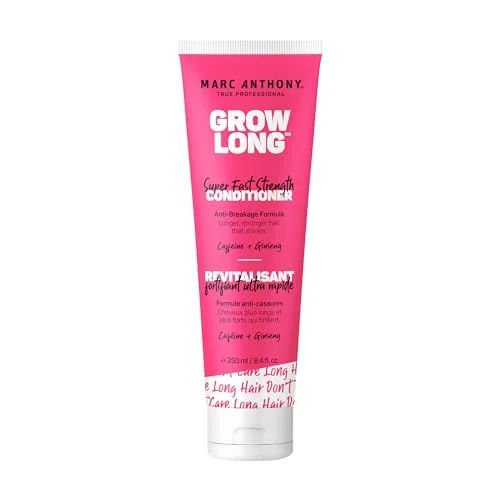
Moisturizing your hair is essential. Cold winter air tends to strip moisture from your hair, leading to dryness and potential breakage. Implement a routine that includes hydrating products to combat these effects. Look for shampoos and conditioners specifically formulated for hydration.
Invest in hair oils or serums. These products can provide an extra layer of protection against winter’s harsh conditions. Apply a small amount to your hair after washing to lock in moisture and prevent frizz.
- Choose deep conditioning treatments weekly.
- Apply a leave-in conditioner daily.
- Use humidifiers indoors to increase moisture levels.
- Limit heat styling to reduce further dryness.
Regular trims are crucial for maintaining healthy hair. Schedule appointments every six to eight weeks to eliminate split ends and promote overall hair health. This practice helps in minimizing the risk of damage exacerbated by winter conditions.
Cover your hair with hats or scarves. Protecting your hair from cold winds and harsh temperatures can significantly reduce damage. Opt for materials that won’t cause friction, such as silk or satin. This simple step can help minimize hair fall during winter.
When to Seek Professional Help
Consulting a specialist becomes necessary when hair fall exceeds normal levels during winter. If shedding escalates beyond usual amounts, it may indicate underlying issues. Observing changes in hair thickness or noticeable bald patches warrants attention. Early intervention can prevent potential long-term damage.
- Monitor shedding over a few weeks. Track daily loss to identify abnormal patterns.
- Evaluate scalp health regularly. Persistent dryness, itchiness, or redness signals possible scalp conditions.
- Seek medical advice if hair loss is sudden. Sudden changes may suggest hormonal imbalances or medical conditions.
- Consider dietary factors impacting hair health. Nutritional deficiencies can significantly affect hair growth.
- Ask for a professional examination. Dermatologists or trichologists can provide tailored advice and treatments.
Recognizing these signs is crucial for maintaining healthy hair. Early consultation can lead to effective treatment options and reassurance.
Quick Summary
- Hair fall can increase during winter due to dry air and low humidity.
- Cold temperatures can lead to a reduction in scalp circulation, affecting hair health.
- Indoor heating systems can further dry out hair and scalp, contributing to hair loss.
- Use of moisturizing shampoos and conditioners can help mitigate hair fall.
- Maintaining a healthy diet rich in vitamins and minerals supports hair growth.
- Regular scalp massages can improve circulation and promote hair health.
- If hair fall is excessive, consulting a dermatologist is recommended to rule out underlying issues.
Frequently Asked Questions
Is hair fall normal during winter?
Yes, some hair fall during winter can be normal due to the change in temperature and humidity levels. Cold weather can lead to dry scalp and hair, which may cause more hair strands to fall out.
What causes increased hair fall in winter?
In winter, the lack of moisture in the air can lead to dryness in both the scalp and hair, making them more prone to breakage. Additionally, wearing hats and scarves can cause friction and stress on the hair, contributing to hair loss.
How can I reduce hair fall in winter?
To reduce hair fall, consider using a hydrating shampoo and conditioner to combat dryness. Regular oil massages and minimizing heat styling can also help maintain moisture and reduce breakage.
Is there a difference between seasonal hair fall and other types?
Yes, seasonal hair fall typically occurs in cycles, often increasing during colder months and decreasing in warmer months. In contrast, other types of hair loss, like androgenetic alopecia, are usually more persistent and can be linked to genetic factors.
When should I be concerned about hair fall in winter?
If you notice excessive hair fall that leads to thinning patches or bald spots, it may be a sign of a more serious condition. Consulting a dermatologist or a trichologist can help determine if there is an underlying issue that needs to be addressed.

- 10 Best Hair Oil For Oily Skin Buyer Guide 2026 - October 26, 2026
- 10 Best Hair Oil For Overnight Buyer Guide 2026 - October 26, 2026
- 10 Best Hair Oil For Oily Scalp And Dry Ends Buyer Guide 2026 - October 26, 2026