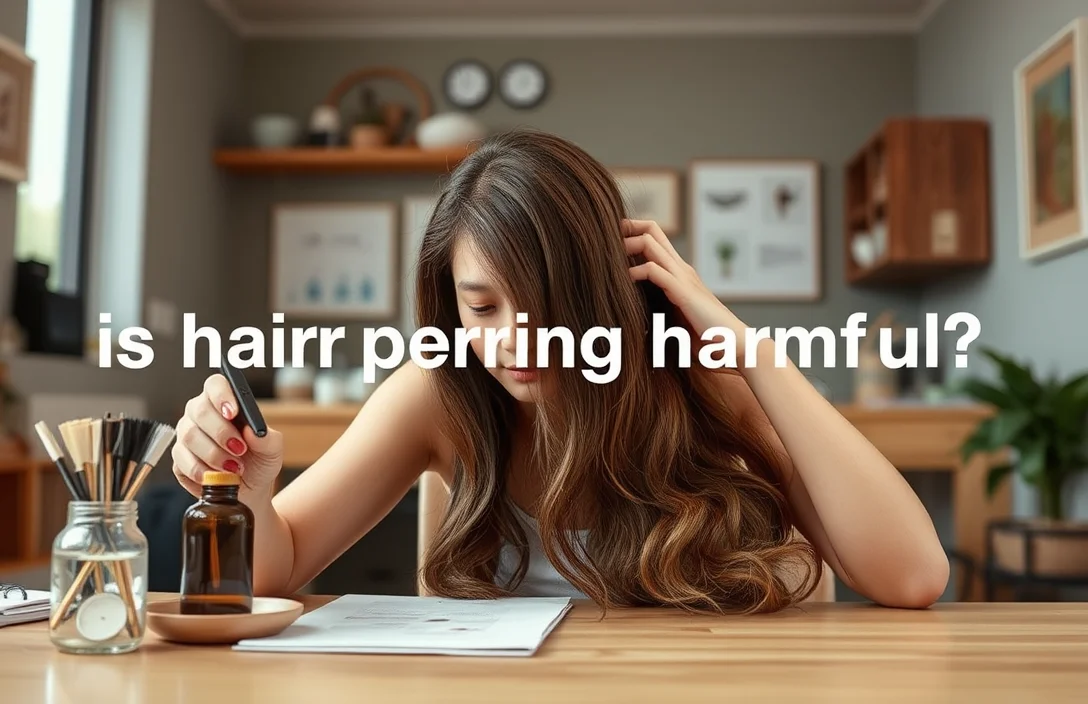
Is Hair Perming Harmful? Understanding Risks and Effects on Your Hair
Research indicates that nearly 30% of individuals experience hair damage after perming procedures. This statistic raises crucial questions about the safety and long-term effects of chemically altering hair texture. Understanding these implications is essential for anyone considering a perm.
Hair perming can be harmful if done improperly. Potential risks include dryness, breakage, and scalp irritation. Choosing a skilled professional and using quality products can mitigate some risks. Always consider hair type and previous treatments before deciding on a perm.
Chemical Composition of Perms
Perming solutions primarily contain ammonium thioglycolate, which breaks down the hair’s protein structure. This chemical allows hair to be reshaped into curls or waves. Understanding the role of this ingredient is crucial, as it directly influences the health of your hair post-treatment.
Hydrogen peroxide serves as an oxidizing agent and is often included to help set the new shape. It works by reforming disulfide bonds within the hair. While essential for the perming process, excessive exposure can lead to dryness and brittleness.
Cationic surfactants are added to improve the overall texture and manageability of hair after perming. These ingredients help in reducing frizz and enhancing shine, but they can also accumulate on hair over time, requiring proper cleansing.
Conditioning agents are sometimes included to counteract the drying effects of other chemicals. These agents aim to replenish moisture and restore some softness. Regular use of deep conditioners post-perm can help mitigate some of the chemical damage.
Knowledge of these components is vital for anyone considering a perm. Understanding how each ingredient affects hair health allows individuals to make informed decisions and take necessary precautions to minimize potential harm.
Potential Hair Damage
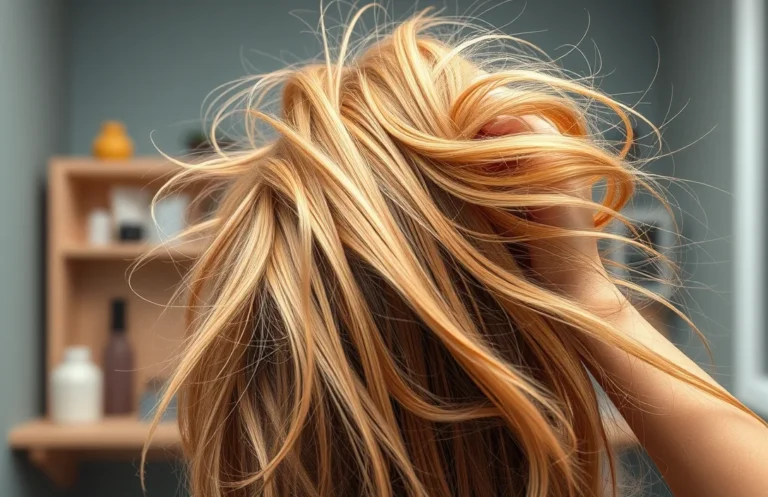
Dryness frequently occurs after perming due to the chemicals used. These solutions penetrate the hair shaft, altering its structure and potentially stripping moisture. As a result, hair can become brittle and lack luster. Regular conditioning treatments can help restore some hydration, but prevention is key.
Breakage is another common issue linked to perming. The chemical process weakens the hair, making it more susceptible to snapping. Limiting the frequency of perms and avoiding heat styling tools can reduce the risk of damage. Protective hairstyles and gentle handling are essential for maintaining hair integrity.
Split ends often emerge as a sign of hair damage from perms. The chemical alterations can leave hair ends fragile, splitting easily. Regular trims can help manage split ends, but adopting a nourishing hair care routine is crucial to prevent further deterioration.
Color fading may occur alongside perming. Chemical treatments can make hair more porous, leading to quicker loss of color. If coloring hair, consider using color-safe products post-perm to maintain vibrancy and prevent further damage.
Overall, the potential for harm exists with perming, emphasizing the importance of proper care. Opting for professional services and following up with high-quality hair products can mitigate risks. Always be proactive in your hair care to ensure health and beauty after chemical treatments.
Allergic Reactions and Sensitivities
Individuals may experience allergic reactions to the chemicals used in perming solutions. Symptoms can include redness, itching, swelling, or burning sensations on the scalp. Such reactions vary in severity and can occur immediately or days after the treatment.
- Test products beforehand on skin. Apply a small amount of the perming solution to a discreet area, like behind the ear, to monitor for any adverse reactions.
- Consult professionals about sensitivities. Discuss any known allergies or sensitivities with your stylist before undergoing a perm.
- Consider alternative products. Some brands offer gentler, less irritating formulas that may be suitable for sensitive skin.
- Monitor scalp condition post-treatment. Watch for any unusual symptoms in the days following the perm, and seek medical advice if necessary.
- Document reactions for future reference. Keeping a record of any allergic responses can help guide future hair treatments.
Awareness of potential sensitivities is crucial for anyone considering a perm. Taking precautions can help avoid discomfort and ensure a better experience overall.
Long-term Effects on Hair Quality
Repeated perming can significantly damage hair quality over time. Continuous exposure to harsh chemicals weakens the hair structure, leading to dryness and brittleness. This degradation may result in noticeable changes in texture and appearance, creating challenges for maintaining healthy hair.
- Regularly assess hair condition. Examine your hair for signs of damage, such as increased breakage or split ends. Identifying these issues early helps prevent further deterioration.
- Incorporate deep conditioning treatments. Use moisturizing masks and conditioners to restore hydration and elasticity. This practice can mitigate some of the damage caused by perming chemicals.
- Avoid frequent perming sessions. Limiting the frequency of perms allows your hair to recover from chemical damage. Waiting at least 6 months between treatments is advisable for optimal recovery.
- Choose high-quality products. Invest in sulfate-free shampoos and conditioners that cater specifically to chemically treated hair. These products help preserve moisture and protect against further damage.
- Consult a professional stylist. Regular visits to a skilled stylist can ensure your hair remains healthy. They can provide tailored advice and treatments to counteract the effects of previous perms.
Professional vs. At-Home Perming
Professional perming services generally offer superior results and minimized risks compared to at-home methods. Experienced stylists utilize high-quality products and advanced techniques, which help to reduce damage and ensure a more uniform curl pattern. These professionals also assess your hair type and condition, tailoring the perm process to your specific needs.
In contrast, at-home perming kits can lead to unpredictable outcomes and increased risks. Many consumers lack the expertise to apply these chemicals correctly, potentially resulting in over-processing or uneven curls. Additionally, the quality of at-home products may not match those found in salons, increasing the likelihood of damage and undesirable results.
| Aspect | Professional Perming | At-Home Perming |
| Expertise | Highly skilled stylists | Limited experience |
| Product Quality | Salon-grade products | Variable quality |
| Damage Risk | Lower risk | Higher risk |
| Custom Tailoring | Personalized approach | One-size-fits-all |
Overall, opting for professional services minimizes the potential harms associated with perming. Investing in a skilled stylist can provide peace of mind and better results, making it a safer choice for your hair.
Post-Perm Hair Care
Maintaining hair health after perming is crucial to minimize damage and achieve beautiful results. Proper care includes specific steps to ensure your curls remain vibrant and strong. Follow these essential tips for optimal post-perm care.
- Use sulfate-free shampoos to avoid stripping natural oils. Sulfates can dry out and damage permed hair, so opt for gentle cleansers that maintain moisture.
- Limit heat styling tools to reduce further damage. Air drying is preferable, but if you must use heat, apply a heat protectant spray first.
- Deep condition regularly to restore moisture. Incorporate a nourishing hair mask into your routine at least once a week for added hydration and repair.
- Trim split ends every 6-8 weeks to maintain healthy hair. Regular trims prevent damage from traveling up the hair shaft, keeping your curls looking fresh.
- Protect hair from chlorine and saltwater. Wear a swim cap or rinse hair with fresh water before swimming to shield the hair cuticle.
Consultation with Professionals
Consulting with hair care professionals is essential before perming. Experts can assess your hair’s condition and recommend the best course of action. They possess the knowledge and experience to evaluate the potential risks involved, ensuring your hair remains healthy.
Seeking guidance from a stylist helps identify your hair type and texture. Professionals can suggest suitable perm techniques tailored to your specific needs. Their insights can mitigate the risk of damage, leading to a more satisfying outcome.
Scheduling a consultation also allows for a discussion about your hair’s history. Any prior treatments, such as coloring or chemical straightening, may impact the perming process. Sharing this information aids professionals in making informed decisions regarding your hair.
Evaluating the right products is another critical aspect. Skilled stylists know which perm solutions are least damaging and most effective. They can recommend aftercare products that will protect and nourish your hair post-treatment.
Building a relationship with a trusted stylist can enhance your overall hair health. Regular check-ups and treatments can help maintain your perm while addressing any concerns that arise. Investing in professional advice pays off in the long run, ensuring your hair remains vibrant and strong.
Quick Summary
- Perming can damage hair structure, leading to dryness and brittleness.
- Chemical solutions used in perming can cause scalp irritation for some individuals.
- Proper aftercare, including moisturizing treatments, can mitigate damage.
- Choosing a professional stylist can reduce the risk of harmful results.
- Allergies to perming chemicals are possible; patch tests are recommended.
- Frequent perming can exacerbate damage and should be avoided.
- Consultation with a hair care professional can help assess hair health before perming.
Frequently Asked Questions
Is hair perming harmful to my hair?
Hair perming can cause damage, especially if not done properly or if the hair is already compromised. The chemicals used in the perming process can weaken hair structure, leading to dryness and breakage. It’s important to follow proper aftercare to minimize damage.
How often can I perm my hair?
It is generally recommended to wait at least 6 to 8 weeks between perms to allow your hair to recover. Frequent perming can lead to cumulative damage, making hair more brittle and prone to breakage. Always consult with a professional for personalized advice.
Can I perm my hair if it has been chemically treated before?
Perming over previously treated hair, such as color-treated or chemically straightened hair, can be risky. This can increase the likelihood of damage, so it’s crucial to consult with a stylist who can assess the condition of your hair and recommend the best course of action.
What are the signs of damage after perming?
Signs of damage after a perm include excessive dryness, brittleness, split ends, and changes in texture. If you notice these symptoms, it’s essential to use deep conditioning treatments and consider reducing heat styling to help restore hair health.
Are there safer alternatives to traditional perming?
Yes, there are safer alternatives like digital perms or using softer waving techniques that may cause less damage. Additionally, some products claim to provide wave or curl without harsh chemicals, but results may vary. Consulting with a professional can help you find the best option for your hair type.

- 10 Best Hair Oil For Oily Hair Buyer Guide 2026 - October 26, 2026
- 10 Best Hair Oil For Oily Scalp Buyer Guide 2026 - October 26, 2026
- 10 Best Hair Oil For Newborn Baby Girl Buyer Guide 2026 - October 25, 2026