Protective Styles for 4C Hair: 25 Best Hairstyles to Retain Length and Prevent Breakage (2026)
The best protective styles for 4C hair reduce breakage, protect the ends, retain moisture, and make it easier to keep your hair healthy. Styles such as box braids, knotless braids, mini twists, flat twists, and cornrows help minimize daily manipulation and improve length retention. While protective styles do not make hair grow faster, they help you keep more of the hair you naturally grow by preventing damage.
Protective styles are one of the best ways to care for 4C hair. Because 4C hair is naturally delicate and prone to dryness, frequent styling and handling can lead to breakage. Wearing the right protective hairstyle helps reduce friction, lock in moisture, and protect the ends, making it easier to retain length over time.
In this guide, you’ll discover the best protective styles for 4C hair, learn how to prepare your hair before styling, maintain your style for healthy growth, avoid common mistakes, and choose the right hairstyle based on your hair length, lifestyle, and maintenance routine.
What Are Protective Styles for 4C Hair?
Protective styles are hairstyles that keep the ends of your hair tucked away and reduce daily manipulation. Since 4C hair is naturally fragile and prone to dryness, these styles help minimize breakage while protecting the strands from friction and environmental damage. Although protective styles do not increase the speed of hair growth, they help retain more of your natural growth by keeping the hair healthy.
Definition of Protective Hairstyles
Protective hairstyles are designed to shield your natural hair from everyday stress. They reduce combing, brushing, and styling while keeping the ends protected, which are the oldest and most delicate part of the hair.
Common protective hairstyles include:
- Box braids
- Knotless braids
- Mini twists
- Flat twists
- Cornrows
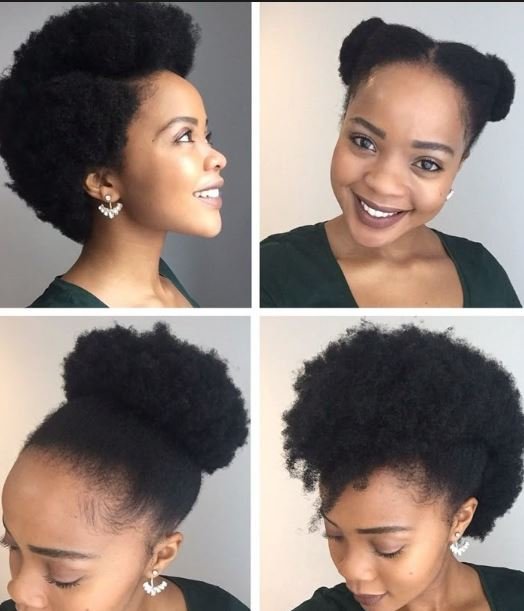
- Bantu knots
- Crochet braids
- Wigs
- Low buns
- Halo braids
How Protective Styles Support Hair Growth
Protective styles help create the right conditions for healthy hair growth by reducing breakage instead of making the hair grow faster. Less daily manipulation means fewer split ends, less friction, and stronger strands over time. When combined with proper moisturizing and scalp care, protective styles improve length retention and make growth more noticeable.
Characteristics of a Good Protective Style
A good protective style protects both your hair and scalp without causing unnecessary tension. It should feel comfortable, allow easy access to the scalp for cleansing and moisturizing, and keep the ends tucked away. The style should also be lightweight enough that it does not pull on the hairline or create excessive stress on the follicles.
Protective Styling vs Low-Manipulation Styling
Protective styles and low-manipulation styles are similar, but they are not exactly the same. Protective styles completely or mostly tuck away the ends of the hair, while low-manipulation styles simply reduce how often you handle your hair. For example, box braids and knotless braids are protective styles, while wash-and-go styles, braid-outs, and twist-outs are considered low-manipulation hairstyles because the ends remain exposed.
Who Should Wear Protective Styles?
Protective styles work well for almost anyone with 4C hair, especially those trying to reduce breakage or retain length. They are particularly helpful for people with busy schedules, active lifestyles, or hair that becomes dry and tangled easily. Choosing the right style based on your hair length, density, and maintenance routine helps achieve the best results.
Benefits of Protective Styles for 4C Hair
Protective styles offer more than convenience. They help preserve the health of 4C hair by reducing daily stress on the strands and keeping moisture locked in for longer periods. When installed and maintained correctly, these hairstyles can significantly improve the overall condition of natural hair.
Reduce Breakage and Split Ends
One of the biggest advantages of protective styles is their ability to reduce breakage. By limiting daily combing and brushing, the hair experiences less friction and mechanical damage.
Protective styles help by:
- Reducing tangles
- Preventing split ends
- Protecting fragile hair ends
- Lowering friction from clothing
- Minimizing daily styling damage
Improve Length Retention
Healthy hair grows continuously, but breakage often prevents people from seeing visible length. Protective styles reduce stress on the hair shaft, allowing you to retain more of the hair that naturally grows each month. This makes it easier to achieve longer, healthier-looking 4C hair over time.
Protect Hair From Environmental Damage
Sun exposure, wind, dry air, and friction from clothing can all remove moisture from natural hair. Protective hairstyles help shield the strands from these environmental factors, reducing dryness and helping maintain stronger, healthier hair between wash days.
Reduce Daily Manipulation
Frequent styling places repeated stress on delicate 4C strands. Protective styles minimize the need for daily combing, brushing, and restyling, giving your hair time to recover while reducing the risk of unnecessary breakage. This also saves time and simplifies your weekly hair care routine.
Help Maintain Moisture
Moisture retention is essential for healthy 4C hair because dry strands are more likely to break. Protective styles help keep moisture inside the hair by reducing exposure to air and friction. Regularly applying a leave-in conditioner or lightweight oil while wearing protective styles helps keep the hair soft, flexible, and easier to manage.
Best Protective Styles for 4C Hair
The best protective styles balance comfort, durability, and hair protection. They should minimize tension on the scalp, protect the ends of the hair, and allow you to maintain proper moisture throughout the styling period. Choosing the right hairstyle depends on your hair length, lifestyle, and personal preference.
Box Braids
Box braids are one of the most popular protective hairstyles for 4C hair because they keep the ends tucked away while reducing daily manipulation.
Benefits of box braids include:
- Excellent length retention
- Long-lasting style
- Versatile styling options
- Reduced daily maintenance
- Protection from friction
Knotless Braids
Knotless braids offer the same protective benefits as traditional box braids but place less tension on the scalp. Since the extensions are added gradually, they feel lighter, look more natural, and reduce stress on the hairline. They are an excellent option for people with fine edges or sensitive scalps.
Mini Twists
Mini twists are created using your natural hair without extensions, making them a lightweight protective style. They help retain moisture, reduce tangles, and provide easy access to the scalp for cleansing and moisturizing. With proper care, mini twists can last several weeks while keeping daily manipulation to a minimum.
Cornrows
Cornrows keep the hair close to the scalp and provide excellent protection when installed correctly. They are often used as a standalone hairstyle or as a foundation for wigs and crochet styles. Keeping the scalp moisturized while wearing cornrows helps prevent dryness and supports healthy hair throughout the protective styling period.
Flat Twists
Flat twists are a simple protective style that works well on both short and long 4C hair. They place less tension on the scalp than many braided styles and are easy to install and remove. Flat twists can also be styled into elegant updos or worn under wigs for additional protection.
More Protective Hairstyles Worth Trying
Protective styling is not limited to braids. Many hairstyles help reduce breakage, protect the ends, and simplify your hair care routine. The best choice depends on your hair length, lifestyle, and how much maintenance you’re willing to do.
Two-Strand Twists
Two-strand twists are one of the easiest protective styles for 4C hair. They can be done with your natural hair or with extensions, making them suitable for both beginners and experienced naturalistas. Twists help reduce tangles, retain moisture, and stretch the hair while placing very little tension on the scalp.
Benefits of two-strand twists include:
- Easy to install and remove
- Low tension on the scalp
- Helps retain moisture
- Reduces tangles and breakage
- Suitable for most hair lengths
Bantu Knots
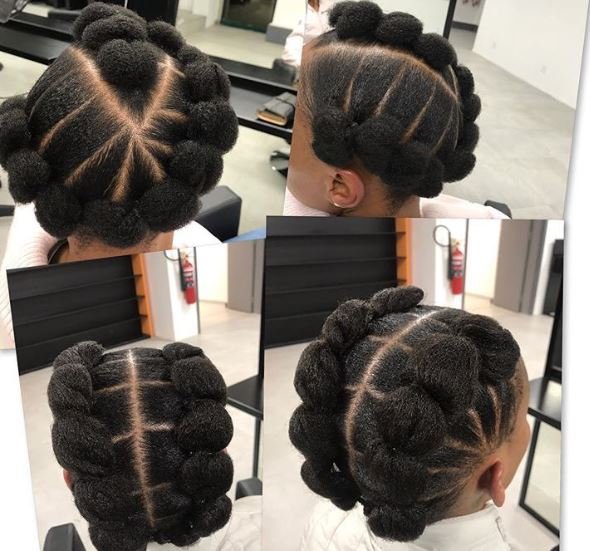
Bantu knots protect the ends of the hair by wrapping each section into a small knot. They are both a protective hairstyle and a styling method because they can create defined curls when unraveled. Bantu knots work well for short and medium-length 4C hair and require very little daily maintenance when properly moisturized.
Halo Braid
The halo braid wraps around the head like a crown, keeping the ends fully tucked away. This elegant style protects the hair from friction while creating a polished look suitable for everyday wear or special occasions. Because the ends remain hidden, moisture loss is reduced, making it easier to retain length.
Crochet Braids
Crochet braids use pre-looped extensions attached to braided cornrows, allowing you to change your hairstyle without manipulating your natural hair every day. This method protects your hair underneath while offering a wide range of styling options, including curls, twists, and faux locs.
Wigs and Glueless Wigs
Wigs provide one of the most flexible protective styling options for 4C hair. Glueless wigs, in particular, reduce tension on the hairline and make installation easier. To gain the full benefits, your natural hair underneath should remain clean, moisturized, and neatly braided or twisted.
How to Prepare 4C Hair Before Protective Styling
Preparing your hair before installing a protective style is just as important as the style itself. Clean, moisturized, and detangled hair experiences less breakage while wearing long-term styles. Proper preparation also improves comfort and makes the hairstyle last longer.
Cleanse the Scalp Thoroughly
A clean scalp creates the ideal foundation for protective styling by removing dirt, excess oil, sweat, and product buildup.
Before styling, make sure to:
- Wash with a sulfate-free shampoo.
- Massage the scalp gently.
- Remove heavy product buildup.
- Rinse thoroughly.
- Allow the scalp to dry completely.
Deep Condition for Moisture
Deep conditioning restores moisture after cleansing and strengthens the hair before it is tucked away. Since protective styles often stay in place for several weeks, starting with well-moisturized hair helps reduce dryness and breakage throughout the styling period.
Detangle Hair Properly
Detangling removes knots and shed hairs before the style is installed. Always detangle damp hair using a conditioner or detangling product, beginning at the ends and working toward the roots. Finger detangling before using a wide-tooth comb further reduces breakage and preserves healthy strands.
Moisturize and Seal
Applying a leave-in conditioner followed by a lightweight oil or butter helps lock moisture into the hair before styling. This moisture barrier protects the strands from drying out while they remain tucked away inside braids or twists. Choosing products based on your hair’s porosity improves long-term hydration.
Stretch Hair Before Styling
Stretching the hair before braiding or twisting reduces tangles and makes sectioning easier. Methods such as banding, African threading, or gentle blow-drying with a heat protectant can help stretch 4C hair without causing excessive damage. Stretched hair also produces neater, longer-lasting protective styles.
How to Maintain Protective Styles
Installing a protective style is only the first step. Proper maintenance keeps both your hair and scalp healthy while preventing dryness, buildup, and breakage. A simple maintenance routine helps your hairstyle stay fresh and supports better length retention.
Moisturize While Styled
Even while your hair is braided or twisted, it still needs regular moisture.
Keep your hair hydrated by:
- Spraying with water or a moisturizing mist.
- Applying a lightweight leave-in conditioner.
- Sealing moisture with a light oil.
- Paying attention to the ends when accessible.
- Avoiding excessive product buildup.
Keep the Scalp Clean
A clean scalp supports healthy hair growth and prevents itching or irritation. Use a diluted shampoo, scalp cleanser, or micellar scalp rinse every few weeks to remove sweat and buildup without disturbing your protective style. Keeping the scalp fresh also helps prevent unpleasant odors.
Sleep With Satin Protection
Cotton pillowcases create friction that causes frizz and moisture loss. Wearing a satin bonnet, wrapping your hair with a satin scarf, or sleeping on a silk pillowcase helps preserve your hairstyle while reducing breakage. Nighttime protection also extends the life of your protective style.
Prevent Frizz and Buildup
Applying too many styling products can cause residue to accumulate on both the scalp and braids. Using lightweight moisturizers and cleansing the scalp regularly helps maintain a neat appearance while preventing flakes and itchiness. Refreshing the edges occasionally also keeps the hairstyle looking tidy.
Know When to Remove the Style
Protective styles should not be worn indefinitely. Leaving them in for too long increases the risk of tangling, excessive shedding, and scalp buildup. Most protective styles should be removed after six to eight weeks, depending on the style, your hair condition, and how well it has been maintained.
Here’s the final section following your outline, with proper H2 and H3 structure, paragraph style, and one bullet-point H3 under each H2, optimized for Koray Semantic SEO, AEO, and GEO.
Mistakes to Avoid With Protective Styles
Protective styles help reduce breakage and improve length retention, but they can also cause damage if they are not installed or maintained correctly. Avoiding common mistakes will keep your 4C hair healthy while allowing you to get the most from every protective style.
Wearing Styles Too Long
Keeping protective styles in for too many weeks can lead to tangles, product buildup, and excessive shedding. Although the exact timing depends on the style and your hair, most braids and twists should be removed after six to eight weeks to prevent damage.
Avoid these mistakes:
- Leaving styles in longer than eight weeks
- Ignoring product buildup
- Skipping wash days
- Allowing excessive matting at the roots
- Delaying proper detangling after removal
Installing Styles Too Tight
Protective styles should never cause pain or excessive tension. Braids or twists that pull tightly on the scalp can damage the hair follicles and increase the risk of traction alopecia. A comfortable style protects the hair without placing stress on the hairline or edges.
Skipping Scalp Care
Your scalp still needs regular care while wearing protective styles. Dirt, sweat, and excess oil can build up over time, leading to itching and irritation. Cleaning the scalp with a gentle cleanser and applying a lightweight scalp oil helps maintain a healthy environment for hair growth.
Ignoring Moisture
Many people assume their hair no longer needs moisture once it is braided or twisted. In reality, 4C hair continues to lose moisture even while tucked away. Applying a leave-in conditioner or moisturizing spray throughout the week helps keep the strands hydrated and flexible.
Neglecting Hair After Removal
Removing a protective style is only the beginning. The hair should be gently detangled, cleansed, and deep conditioned before installing another style. Giving your hair a short break between styles allows both the scalp and strands to recover.
How to Choose the Right Protective Style
The best protective style depends on your hair length, density, lifestyle, and the amount of maintenance you can commit to. Choosing the right style helps protect your hair without creating unnecessary tension or making daily care difficult.
Based on Hair Length
Different hairstyles work better for different hair lengths.
Choose styles based on your hair length:
- Short hair: Flat twists, mini twists, cornrows
- Medium hair: Box braids, crochet braids, halo braid
- Long hair: Knotless braids, faux locs, passion twists
- Fine hair: Lightweight protective styles
- Thick hair: Medium or large braids and twists
Based on Hair Density
Hair density affects both comfort and appearance. People with thick hair may prefer medium-sized twists or braids that reduce styling time, while those with lower density often benefit from lightweight styles that place less stress on the scalp.
Based on Lifestyle
If you exercise regularly or have a busy schedule, choose styles that are easy to maintain and quick to refresh. Wigs, cornrows, and knotless braids are practical options because they require minimal daily styling while protecting the hair.
Based on Skill Level
Beginners may find flat twists, mini twists, or simple cornrows easier to install at home. More advanced styles such as knotless braids, faux locs, or crochet installations may require additional practice or professional assistance.
Based on Maintenance Time
Some protective styles require only a few minutes of daily care, while others need regular refreshing and moisturizing. Selecting a style that matches your available time helps you maintain healthier hair throughout the styling period.
Protective Styling Routine for Healthy 4C Hair
A consistent routine helps protective styles deliver the best results. Regular cleansing, moisturizing, and scalp care keep both your hair and scalp healthy while reducing dryness and breakage.
Weekly Wash Routine
Even with protective styles, regular cleansing is important.
A simple weekly routine includes:
- Clean the scalp with a gentle cleanser.
- Remove excess sweat and buildup.
- Apply a lightweight leave-in conditioner.
- Seal moisture with a light oil.
- Allow the scalp to dry completely.
Daily Moisture Routine
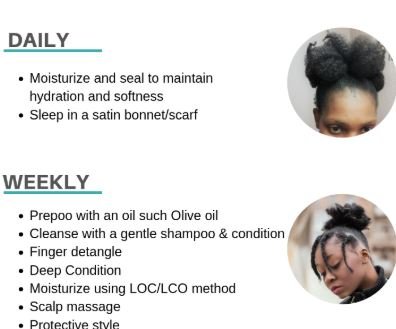
Refreshing your hair with a moisturizing spray or leave-in conditioner every few days helps prevent dryness. Applying products sparingly avoids buildup while keeping the hair soft and flexible throughout the week.
Nighttime Hair Care
Protect your hairstyle each night by wearing a satin bonnet or wrapping your hair with a satin scarf. Sleeping on a silk pillowcase also reduces friction, helping your protective style last longer while preventing moisture loss.
Monthly Scalp Care
If you wear long-term protective styles, inspect your scalp regularly for buildup or irritation. Clarifying the scalp when needed and applying a lightweight scalp treatment helps maintain a healthy foundation for hair growth.
Transition Between Styles
After removing a protective style, wash your hair thoroughly, deep condition, and trim damaged ends if necessary. Waiting several days before installing another protective style gives your scalp and hair time to recover.
Frequently Asked Questions About Protective Styles for 4C Hair
Protective styling is one of the most effective ways to reduce breakage and retain length, but many people have questions about choosing the right style and maintaining healthy hair. The answers below cover the most common concerns.
What is the best protective style for 4C hair?
There is no single best protective style for everyone. Box braids, knotless braids, mini twists, flat twists, and cornrows are among the most popular options because they protect the ends, reduce manipulation, and help retain moisture. The best choice depends on your hair length, lifestyle, and maintenance preferences.
Do Protective Styles Help 4C Hair Grow?
Protective styles do not increase your natural hair growth rate. Instead, they reduce breakage and protect the hair from daily damage, allowing you to retain more of the hair you naturally grow. Combined with a healthy scalp care routine, they support stronger and longer-looking hair over time.
How Long Should Protective Styles Stay In?
Most protective styles can be worn for six to eight weeks with proper maintenance. Leaving them in much longer increases the risk of tangling, excessive shedding, product buildup, and scalp irritation.
Can Protective Styles Damage 4C Hair?
Protective styles are safe when they are installed correctly and maintained properly. Damage usually occurs when styles are too tight, left in too long, or not moisturized regularly. Choosing comfortable styles and caring for your scalp helps prevent these problems.
How Often Should You Moisturize Protective Styles?
Most people with 4C hair benefit from moisturizing their protective styles two to three times each week. Using a water-based moisturizing spray followed by a lightweight oil helps maintain hydration without creating heavy buildup, keeping the hair soft and reducing the risk of breakage.

- How Many Washes Does Temporary Hair Color Spray Last? - September 24, 2026
- Is Temporary Hair Color Spray Safe for Curly Hair? - September 24, 2026
- Temporary Hair Color Spray: Application, Longevity, and Removal - September 22, 2026