21 Types of 4B Hair: Complete Guide to Every 4B Hairstyle, Texture, and Care Method (2026)
Type 4B hair has a tight zigzag curl pattern with sharp bends instead of defined ringlets. It is naturally dense, soft, and prone to shrinkage, dryness, and breakage. With the right hair care routine, moisturizing products, and protective styles, 4B hair can stay healthy, retain length, and grow long. Understanding the different types of 4B hairstyles and care methods makes it easier to choose the best routine for your hair.
Type 4B hair is known for its unique zigzag pattern, impressive volume, and versatility. It can be styled in many ways, from short natural cuts to protective braids and elegant updos. Because 4B hair loses moisture quickly, it benefits from gentle cleansing, deep conditioning, regular moisturizing, and low-manipulation styling to stay strong and healthy.
In this guide, you’ll discover 21 types of 4B hairstyles, learn how to identify 4B hair, understand its unique characteristics, build an effective hair care routine, choose the best products, avoid common mistakes, and keep your natural hair healthy, moisturized, and easy to manage.
What Is 4B Hair?
Type 4B hair is one of the three Type 4 curl patterns. It features tight zigzag-shaped strands instead of round curls or ringlets. This hair type is naturally full, soft, and highly versatile, but it also loses moisture quickly. Understanding its structure helps you choose the right products, hairstyles, and routine to keep it healthy and reduce breakage.
Definition of Type 4B Hair
Type 4B hair has a dense zigzag or “Z-shaped” curl pattern. Unlike 4A hair, which forms defined coils, 4B hair bends sharply at different angles. The strands can look fluffy instead of curly because the curl pattern is less defined.
Common characteristics include:
- Tight zigzag curl pattern
- High shrinkage
- Soft and fluffy texture
- Dense appearance
- Prone to dryness
- Delicate strands
- Natural volume
- Flexible styling options
Characteristics of 4B Hair
Although every person has a unique hair pattern, most 4B hair shares similar traits. It shrinks significantly after washing, making the hair appear much shorter than its actual length. Because natural oils have difficulty traveling down the zigzag strands, 4B hair often requires regular moisturizing to stay soft and manageable. Gentle handling and protective styling also help reduce breakage and improve length retention.
How 4B Hair Differs From Other Curl Types
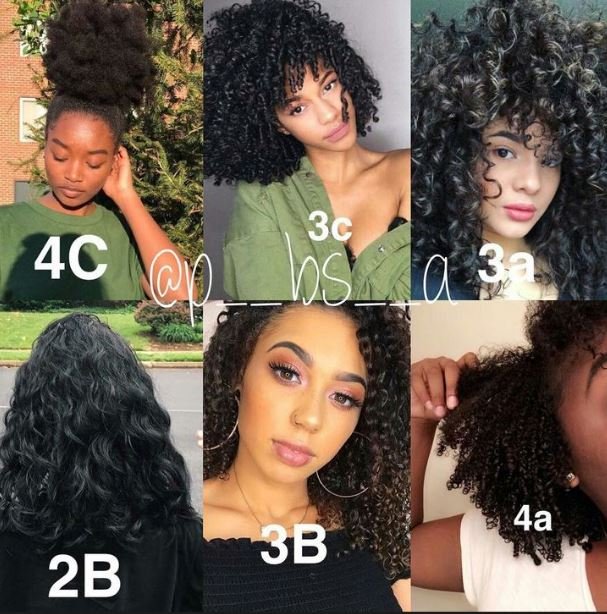
The main difference between 4B hair and other curl types is its zigzag structure. Type 3 curls form loose spirals, while 4A hair creates defined S-shaped coils. Type 4C hair has an even tighter pattern with very little visible definition. Although these hair types share similar care needs, 4B hair typically balances volume, softness, and shrinkage in a unique way.
Who Usually Has 4B Hair?
4B hair is common among people with tightly coiled natural hair. It appears in individuals from many ethnic backgrounds and is often mixed with 4A or 4C textures. Having multiple curl patterns on one head is completely normal, so your hair may not fit perfectly into a single category.
How to Identify Your 4B Hair Type
Correctly identifying your hair type helps you choose products and routines that match your hair’s needs. The easiest way to examine your natural curl pattern is after washing your hair and allowing it to air dry without heavy styling products.
Curl Pattern and Shape
The easiest way to identify 4B hair is by looking closely at the curl pattern.
Look for these signs:
- Sharp zigzag bends instead of spirals
- Less defined curls
- High shrinkage
- Soft, cotton-like appearance
- Full natural volume
Hair Density, Thickness, and Texture
Hair density refers to how much hair grows on your scalp, while thickness describes the width of each strand. People with 4B hair may have fine, medium, or coarse strands along with low, medium, or high density. Understanding these characteristics helps you select lightweight or rich products that suit your hair without causing buildup.
Hair Porosity and Moisture Needs
Hair porosity affects how easily moisture enters and leaves the hair shaft. Low-porosity 4B hair often needs lightweight moisturizers, while high-porosity hair benefits from richer creams, oils, and deep conditioning treatments. Knowing your porosity makes it easier to maintain moisture and reduce dryness.
Signs You Have 4B Hair
If your hair has a zigzag pattern, shrinks dramatically after washing, and feels soft but easily becomes dry, you likely have 4B hair. Many people also notice that their curls become more defined when moisturized, while dry hair appears fluffy with less visible curl definition.
21 Types of 4B Hair Styles and Looks
One of the biggest advantages of 4B hair is its versatility. Whether your hair is short, medium, or long, you can create a variety of styles that protect your strands, reduce manipulation, and highlight your natural texture. The 21 hairstyles below include everyday looks, protective styles, and special occasion options.
Short 4B Hairstyles
Short hairstyles are easy to maintain while showcasing the natural texture of 4B hair.
Popular short styles include:
- Teeny Weeny Afro (TWA)
- Mini Afro
- Finger Coils
- Curly Pixie
- Buzz Cut
These styles require minimal styling time and make it easy to cleanse, moisturize, and maintain healthy hair.
Medium-Length 4B Hairstyles
Medium-length hair offers excellent styling flexibility. Twist-outs, braid-outs, wash-and-go styles, mini twists, and flat twists enhance the natural texture while reducing daily manipulation. These hairstyles work well for both casual wear and professional settings, allowing you to change your look without excessive heat or chemical treatments.
Long 4B Hairstyles
Long 4B hair can be styled in protective hairstyles that help retain length and reduce breakage. Box braids, knotless braids, faux locs, passion twists, and cornrows protect the ends of the hair while making daily maintenance easier. These styles are especially useful for people focused on long-term hair growth and moisture retention.
Protective and Everyday 4B Hairstyles
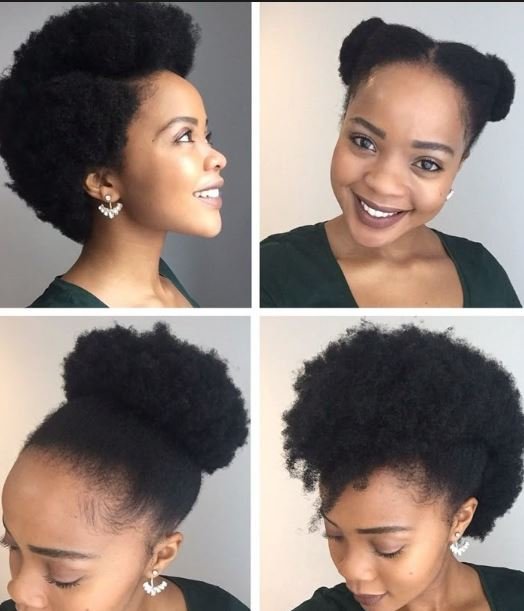
Protective and everyday styles help reduce manipulation while keeping your hair comfortable and manageable. Popular choices include the afro puff, pineapple hairstyle, halo braid, low bun, high bun, and a full natural afro. Rotating these hairstyles throughout the week helps prevent excessive tension on the same areas of the scalp while giving your hair time to recover.
Best Hair Care Routine for 4B Hair
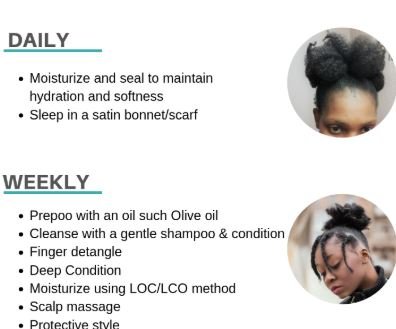
A consistent hair care routine is the foundation of healthy 4B hair. Since this hair type loses moisture quickly, each step should focus on cleansing the scalp, restoring hydration, strengthening the strands, and protecting the hair from breakage. A simple routine followed consistently produces better results than using many products occasionally.
Cleansing Without Drying the Hair
A clean scalp supports healthy hair growth, but washing too often can remove the natural oils that protect 4B hair.
For healthy cleansing:
- Use a sulfate-free shampoo.
- Wash every 7–14 days.
- Massage the scalp gently.
- Rinse thoroughly with lukewarm water.
- Follow with a moisturizing conditioner.
Moisturizing and Sealing Moisture
Moisture is essential for keeping 4B hair soft and reducing breakage. After washing, apply a leave-in conditioner to damp hair, then seal the moisture with a lightweight oil or hair butter. Choosing products that match your hair porosity helps maintain hydration between wash days and improves overall manageability.
Deep Conditioning Every Week
Weekly deep conditioning restores moisture, improves elasticity, and strengthens weak strands. A deep conditioner rich in moisturizing ingredients helps soften the hair, making detangling easier while reducing breakage during styling. Using gentle heat or a shower cap can improve product absorption.
Nighttime Hair Protection
Protecting your hair while sleeping prevents moisture loss and reduces friction. Wearing a satin bonnet, wrapping your hair with a satin scarf, or sleeping on a silk pillowcase helps preserve your hairstyle and keeps your strands smoother until the next day.
Best Products for 4B Hair
The best products for 4B hair hydrate the strands, strengthen weak areas, and keep the scalp healthy. Rather than buying many products, focus on a few essentials that work together to support your hair throughout the week.
Sulfate-Free Shampoo
A gentle shampoo removes dirt, sweat, and product buildup without stripping away too much moisture.
Look for shampoos that offer:
- Gentle cleansing
- Sulfate-free formulas
- Moisturizing ingredients
- Scalp-friendly pH
- Suitable for natural hair
Deep Conditioner and Leave-In Conditioner
Deep conditioners replenish moisture after washing, while leave-in conditioners provide daily hydration. Using both products consistently helps improve softness, reduce tangles, and make styling easier. They also help prepare the hair for protective styles by improving elasticity and reducing breakage.
Hair Oils and Hair Butters
Hair oils such as jojoba oil, rosemary oil, and Jamaican black castor oil help seal moisture into the hair, while shea butter provides long-lasting hydration for dry strands. Oils work best after applying water-based moisturizers because they help reduce moisture loss rather than replacing hydration.
Styling Creams and Curl Gels
Styling creams define the hair while keeping it soft and flexible. Curl gels provide hold for twist-outs, braid-outs, and wash-and-go styles without excessive stiffness when used correctly. Selecting lightweight formulas helps avoid heavy buildup while maintaining definition.
Common Problems With 4B Hair
Like all tightly coiled hair, 4B hair faces unique challenges. Understanding these common problems makes it easier to choose the right routine and prevent unnecessary damage. Most issues can be managed with regular moisturizing, gentle handling, and consistent scalp care.
Dryness and Moisture Loss
Dryness is one of the biggest concerns for people with 4B hair because the zigzag curl pattern slows the movement of natural scalp oils.
To reduce dryness:
- Moisturize regularly.
- Use leave-in conditioner.
- Seal with lightweight oils.
- Deep condition weekly.
- Avoid harsh shampoos.
Shrinkage and Tangling
Shrinkage is a natural characteristic of healthy 4B hair and is not a sign that your hair is short. However, the tight curl pattern can increase tangling if the hair becomes dry. Stretching techniques such as twists, braids, or banding help reduce knots while making detangling easier.
Breakage and Split Ends
Breakage often occurs when the hair lacks moisture or is handled roughly. Frequent heat styling, tight hairstyles, and aggressive brushing weaken the hair shaft over time. Regular trimming, protective styling, and gentle detangling help maintain stronger ends and improve length retention.
Scalp Buildup and Product Residue
Using heavy creams and oils repeatedly without cleansing can lead to buildup on both the scalp and the hair. This residue may cause itching, flakes, and dull-looking strands. Washing regularly with a gentle shampoo and using lightweight styling products helps keep the scalp healthy while allowing moisture to reach the hair more effectively.
How to Grow Healthy 4B Hair
Growing healthy 4B hair is about protecting the hair you naturally grow each month. A healthy scalp, consistent moisture, and gentle styling habits all contribute to stronger strands and better length retention over time.
Build a Consistent Hair Routine
Consistency is more effective than constantly changing products.
A healthy routine should include:
- Regular cleansing
- Weekly deep conditioning
- Daily or weekly moisturizing
- Gentle detangling
- Nighttime hair protection
Reduce Breakage and Retain Length
Reducing breakage allows you to keep more of your natural growth. Keeping the hair moisturized, trimming damaged ends when needed, avoiding excessive heat, and handling the hair gently all contribute to healthier, longer-looking hair over time.
Protective Styling for Growth
Protective hairstyles such as mini twists, flat twists, box braids, and cornrows reduce daily manipulation while protecting the ends of the hair. When installed without excessive tension and maintained properly, these styles help improve length retention and simplify your hair care routine.
Healthy Diet and Scalp Care
Healthy hair begins with a healthy body and scalp. Eating a balanced diet rich in protein, vitamins, healthy fats, and iron supports normal hair growth, while keeping the scalp clean and well-moisturized creates a healthy environment for stronger hair.
Mistakes to Avoid When Caring for 4B Hair
Even the best hair care products cannot fix damage caused by poor hair care habits. Many common problems, such as dryness, breakage, and split ends, come from simple mistakes that are easy to avoid. Building healthy habits helps keep 4B hair stronger, softer, and easier to manage.
Washing Too Often
Keeping your scalp clean is important, but washing 4B hair too frequently can strip away its natural oils and leave it feeling dry.
Avoid these washing mistakes:
- Washing your hair every day
- Using harsh sulfate shampoos
- Washing with very hot water
- Skipping conditioner after shampooing
- Scrubbing the hair too aggressively
Using Heavy Product Buildup
Applying too many creams, oils, and styling products without regular cleansing can weigh down the hair and block moisture from reaching the strands. Instead of layering multiple products every day, use lightweight products when possible and clarify your hair occasionally to remove buildup.
Excessive Heat and Tight Hairstyles
Frequent heat styling can weaken the hair shaft and reduce curl definition over time. Tight ponytails, braids, and buns may also place unnecessary tension on the scalp and hairline. Choosing heat-free styling methods and comfortable protective styles helps reduce long-term damage.
Skipping Moisture and Trims
Dry ends are more likely to split and break. Moisturizing regularly and trimming damaged ends when needed helps maintain healthier hair. Although trimming does not make hair grow faster, it prevents split ends from traveling up the hair shaft and causing additional breakage.
4B Hair vs Other Hair Types
Understanding how 4B hair compares with other curl patterns helps you choose the right products, styling methods, and maintenance routine. While all curly and coily hair types need moisture, each texture has unique characteristics.
4B Hair vs 4A Hair
Both hair types belong to the Type 4 category, but their curl patterns are different.
Key differences include:
- 4A hair has defined S-shaped coils.
- 4B hair has a zigzag pattern.
- 4A curls usually appear more defined.
- 4B hair often has more shrinkage.
- Both need regular moisture and gentle care.
4B Hair vs 4C Hair
4B and 4C hair share many similarities, including dryness and shrinkage, but 4C hair usually has less visible curl definition and shrinks even more. Many people naturally have a mixture of 4B and 4C textures, so it is normal for different areas of the scalp to have slightly different curl patterns.
4B Hair vs Type 3C Hair
Type 3C hair forms tight corkscrew curls, while 4B hair bends into a zigzag shape. Because 3C curls are more defined, natural oils can travel through the strands a little more easily. As a result, 4B hair often requires more frequent moisturizing and protective styling to reduce dryness and breakage.
Which Hair Type Needs the Most Moisture?
All Type 4 hair benefits from regular hydration, but 4B and 4C hair usually need the most moisture because their tightly coiled structure slows the movement of natural scalp oils. Maintaining a consistent moisturizing routine helps keep both hair types soft, flexible, and healthy.
Frequently Asked Questions About 4B Hair
Many people have questions about caring for 4B hair, especially when starting a natural hair journey. The answers below explain the basics of maintaining healthy, moisturized, and manageable 4B hair.
Is 4B Hair Difficult to Maintain?
4B hair is not difficult to maintain when you follow a consistent routine. Regular cleansing, deep conditioning, moisturizing, and gentle styling help prevent most common problems. Understanding your hair’s porosity and moisture needs also makes choosing the right products much easier.
Can 4B Hair Grow Long?
Yes. Like every hair type, 4B hair naturally grows over time. The biggest challenge is retaining length because the strands are more prone to dryness and breakage. A healthy routine that includes protective styling, moisture, and gentle handling helps you keep more of the hair you naturally grow.
How Often Should You Wash 4B Hair?
Most people with 4B hair wash their hair every one to two weeks, depending on their lifestyle, scalp condition, and product use. Washing often enough to keep the scalp clean while avoiding excessive dryness provides the best balance for healthy hair.
What Is the Best Style for 4B Hair?
There is no single best hairstyle for everyone. The right style depends on your hair length, lifestyle, and personal preference. Protective styles such as mini twists, flat twists, box braids, and cornrows help reduce manipulation, while natural styles like twist-outs, braid-outs, and afro puffs showcase the beauty and versatility of 4B hair.

- 5 Best Moisturizing Curl Defining Creams for Soft, Defined Curls - September 24, 2026
- Best Curl Creams for Straight Hair: 5 Top Picks for Women - September 24, 2026
- How Many Washes Does Temporary Hair Color Spray Last? - September 24, 2026