21 Proven Ways to Get Thicker Hair: Professional Guide
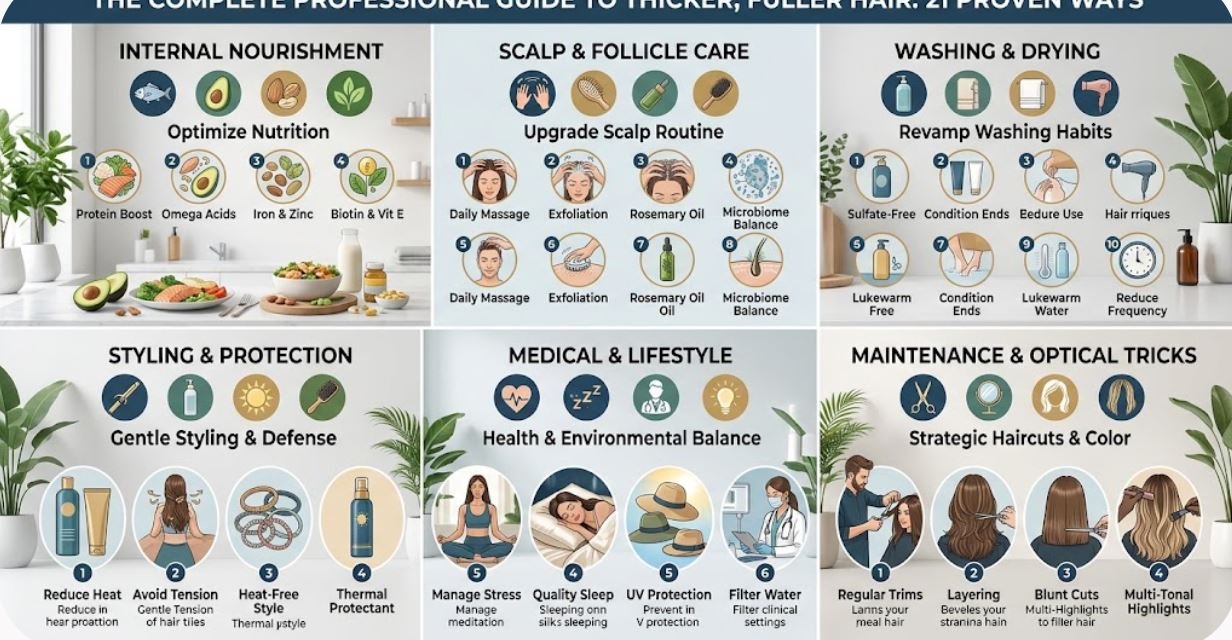
Having thin or thinning hair can be frustrating, but density and volume can often be dramatically improved with the right approach. Hair thickness is influenced by a combination of genetics, scalp health, nutrition, and daily styling practices. By addressing these factors from both the inside and the outside, you can encourage fuller, healthier, and stronger growth.
1. Optimize Your Daily Nutrition
Hair strands are primarily composed of protein, meaning your diet plays a direct role in how thick and resilient your hair grows. Nutritional deficiencies can lead to follicle miniaturization, increased shedding, and brittle strands.
Focus on High-Quality Protein
Ensure your daily meals include clean protein sources such as eggs, lean meats, fish, tofu, legumes, and Greek yogurt. Consuming adequate protein provides the essential amino acids required to produce keratin, the fundamental structural block of hair.
Incorporate Essential Fatty Acids
Omega-3 and Omega-6 fatty acids nourish the hair follicles and promote a hydrated scalp environment. Add foods like salmon, walnuts, flaxseeds, chia seeds, and avocados to your regular diet to support strand flexibility and natural shine.
Prioritize Iron and Zinc Intake
Iron deficiency is one of the leading causes of non-genetic hair thinning, especially in women, while zinc aids in hair tissue growth and repair. Include spinach, lentils, pumpkin seeds, and grass-fed beef to maintain healthy systemic levels.
Eat Foods Rich in Biotin and Vitamin E
Biotin supports cellular energy production within hair follicles, while Vitamin E acts as a powerful antioxidant protecting scalp tissue from oxidative stress. Incorporate almonds, sweet potatoes, sunflower seeds, and whole grains daily.
2. Upgrade Your Scalp Care Routine
A healthy scalp acts as the soil for your hair. If the hair follicles are clogged, inflamed, or poorly nourished by blood flow, hair cannot reach its full density potential.
Perform Daily Scalp Massages
Massaging your scalp for 4 to 5 minutes daily increases microcirculation, bringing oxygen and essential nutrients directly to the hair roots. Use your fingertips or a silicone scalp massager in circular motions.
Exfoliate to Remove Product Buildup
Dead skin cells, excess sebum, and styling products can clog hair follicles, leading to inflammation and finer growth. Use a gentle scalp scrub or a clarifying treatment once a week to maintain a clean foundation.
Apply Rosemary Essential Oil
Studies suggest that diluted rosemary oil can be as effective as standard topical treatments for encouraging hair growth. Mix a few drops of high-grade rosemary oil into a carrier oil (like jojoba oil) and massage it into your scalp twice a week.
Balance Your Scalp’s Microbiome
Maintain your scalp’s optimal pH by avoiding harsh, drying ingredients. Look for products containing prebiotics or gentle botanicals like tea tree oil and aloe vera to calm irritation and eliminate dandruff-causing fungi.
3. Revamp Your Hair Washing Habits
How often and with what products you wash your hair directly impacts its visual density and long-term health. Stripping the hair of natural oils can lead to breakage, while over-washing flattens natural volume.
Switch to a Sulfate-Free Volumizing Shampoo
Harsh sulfates strip natural lipid barriers, leaving hair weak and susceptible to breakage. Choose a sulfate-free shampoo packed with volumizing agents like hydrolyzed wheat protein, which coats and plumps individual strands.
Condition the Ends, Not the Roots
Conditioner is designed to hydrate damaged ends, not the scalp. Applying rich conditioners near the roots weighs the hair down and makes it appear flat; limit application to the mid-lengths down to the tips.
Adjust Your Water Temperature
Washing your hair with boiling hot water strips essential moisture and opens up the cuticle excessively, making strands prone to frizz and breakage. Wash with lukewarm water and finish with a cool rinse to seal the cuticles.
Reduce Washing Frequency
Washing your hair every single day strips away natural protective oils, causing the body to overproduce sebum or leaving the hair dry and brittle. Aim to wash 2 to 3 times a week to preserve natural strength.
4. Master Gentle Drying and Detangling Practices
Wet hair is in its most vulnerable state. Handling it carelessly right after a shower can lead to severe snapping and thinning along the lengths.
Swap to a Microfiber Towel or T-Shirt
Instead of aggressively rubbing your hair with a rough terrycloth towel, gently squeeze out excess water using a soft microfiber towel or an old cotton t-shirt to reduce friction and mechanical breakage.
Detangle Safely with a Wide-Tooth Comb
Never force a standard paddle brush through wet hair. Start detangling from the very bottom of your ends and work your way up toward the roots using a wide-tooth comb or a flexible wet brush.
Apply a Leave-In Detangling Spray
Using a lightweight leave-in conditioner provides slip, allowing your comb to slide through tangles without pulling or tearing the hair shaft. This preserves density by stopping unnecessary shedding.
Air-Dry Partially Before Blow-Drying
Allowing your hair to air-dry about 70–80% before introducing blow dryer heat significantly reduces the total duration of heat exposure, preventing moisture loss and structural damage.
5. Thermal and Chemical Protection
Exposing your strands to excessive temperatures and harsh chemical dyes destroys structural proteins, causing hair to split, break, and appear thin.
Lower Your Heat Styling Temperatures
Excessive heat breaks down the internal protein structure of the hair shaft. Always apply a quality heat protectant prior to styling, and keep your hot tools set below $350^\circ\text{F}$ ($175^\circ\text{C}$).
Limit Harsh Chemical Treatments
Frequent bleaching, relaxing, or chemical perming permanently breaks the disulfide bonds in your hair. Spacing these treatments farther apart allows hair time to recover and maintain its density.
Use Heat-Free Styling Techniques
Incorporate overnight heatless curls, foam rollers, or air-drying braids into your routine to achieve volume and texture without subjecting your hair to damaging heat tools.
Apply a Thermal Protectant Barrier
Never let hot metal plates touch naked hair. Spraying a thermal protectant forms a silicone or botanical barrier over the cuticle that seals in moisture and distributes heat evenly.
6. Adjust Your Hairstyles to Avoid Tension
Certain hairstyles cause continuous tension on the hair follicle—a primary cause of mechanical thinning known as traction alopecia.
Avoid High-Tension Hairstyles
Tight ponytails, sleek top knots, and tight braids exert continuous tension on the hair follicle. Opt for loose styles, silk scrunchies, and claw clips to minimize tension on the hairline.
Switch Up Your Part Line Periodically
Wearing your hair parted in the exact same spot every day forces the hair in that line to lie flat under repeated weight and tension. Shifting your part line gives roots an instant lift and prevents localized stress.
Use Gentle Hair Accessories
Ditch rubber bands and exposed metal clips that catch and slice through hair fibers. Replace them with seamless hair elastics, spiral ties, or silk scrunchies that distribute weight evenly.
Avoid Sleeping in Tight Updos
Going to bed with tight braids or buns creates overnight friction and pulling against the pillow. Leave your hair down or put it in a very loose top knot secured with a silk scrunchie.
7. Strategic Cutting and Trimming Routines
While trimming does not directly speed up growth at the root, it plays an essential role in keeping strands thick and healthy from root to tip.
Schedule Regular Split-End Trims
When split ends are left untreated, they travel up the hair shaft, causing the hair fiber to unravel and break higher up. Getting a light trim every 8 to 12 weeks stops breakage before it affects total density.
Ask for Strategic Layering
If your hair is long and heavy, uniform length can make it drag flat against your scalp. Soft, strategically placed layers add internal structure, movement, and the illusion of natural volume.
Avoid Excessive Thinning Shears
While texturizing shears work well for extremely dense hair, using them on fine or medium hair can strip away too much bulk, leaving the ends looking wispy and see-through.
Try a Blunt Cut Base
Blunt ends create an immediate optical illusion of thicker, fuller hair. Removing feathered ends establishes a clean, thick perimeter line that makes thin hair look instantly denser.
8. Utilize Over-the-Counter Topical Treatments
Topical formulations target hair follicles directly, extending the growth phase and preventing premature shedding.
Incorporate Topical Minoxidil
Minoxidil is an FDA-approved topical treatment that increases blood flow to hair follicles and prolongs the anagen (growth) phase of the hair cycle. Consistency is crucial for long-term density improvements.
Try Peptide-Based Hair Serums
Hair serums containing copper peptides and biomimetic peptides help nourish the extracellular matrix surrounding the follicle, supporting thicker anchor roots and stronger strand formation.
Use Caffeine-Infused Formulations
Topical caffeine neutralizes the effects of dihydrotestosterone (DHT) locally on the scalp, encouraging follicles to remain active and produce thicker hair fibers over time.
Apply Saw Palmetto Extract
Saw palmetto is a natural botanical extract that acts as a topical blocker for the enzyme 5-alpha-reductase, helping prevent the conversion of testosterone into follicle-shrinking DHT.
9. Explore Clinical and Professional In-Office Therapies
For individuals experiencing persistent thinning, advanced medical aesthetic treatments can stimulate stagnant follicles back into an active growth state.
Try Platelet-Rich Plasma (PRP) Therapy
PRP involves drawing a small amount of your blood, processing it to concentrate growth factors, and injecting it into the scalp to rejuvenate inactive follicles and thicken existing hair.
Undergo Low-Level Laser Therapy (LLLT)
LLLT devices (such as laser caps or helmets) emit red light wavelengths that penetrate the scalp, stimulating cellular mitochondria and encouraging increased ATP production for faster hair growth.
Receive Microneedling Treatments
Scalp microneedling creates micro-injuries on the scalp surface, triggering a natural wound-healing cascade that boosts collagen, growth factors, and absorption of topical growth serums.
Consult a Dermatologist or Trichologist
A formal evaluation by a specialist can pinpoint whether your thinning is caused by genetic androgenetic alopecia, telogen effluvium, or autoimmune issues, ensuring a tailored clinical approach.
10. Implement Stress Management Protocols
Chronic emotional and physical stress elevates stress hormones, which can prematurely push up to 30% of your growing hair into the shedding phase.
Practice Regular Mindfulness and Meditation
Engaging in 10 to 15 minutes of daily meditation helps lower systemic cortisol levels, preserving the healthy, uninterrupted duration of your hair’s active growth phase.
Engage in Low-Impact Physical Exercise
Moderate exercise like walking, swimming, or yoga reduces stress hormones while promoting blood circulation throughout the entire body, including the capillaries supplying the hair matrix.
Set Healthy Work-Life Boundaries
Overworking and burnout deplete systemic energy reserves, causing the body to divert nutrients away from non-essential tissues like hair. Establishing proper rest boundaries preserves physiological balance.
Utilize Deep Breathing Techniques
Pranayama or box-breathing exercises trigger the parasympathetic nervous system, helping instantly calm acute anxiety spikes and maintain stable physiological hormone levels.
11. Prioritize Sleep Hygiene and Circadian Health
Deep, restorative sleep is the body’s primary time for tissue repair, cellular regeneration, and hormone regulation—all vital factors for healthy hair production.
Target 7 to 9 Hours of Sleep
Consistently getting adequate sleep gives your body time to release human growth hormone (HGH), which fuels protein synthesis and cell division within the hair matrix.
Sleep on a Silk or Satin Pillowcase
Standard cotton pillowcases absorb moisture from your hair and create friction as you move overnight. Sleeping on silk allows strands to glide smoothly without tangling or breaking.
Maintain a Consistent Sleep Schedule
Going to bed and waking up at the same time daily strengthens your circadian rhythm, optimizing melatonin output—a hormone that also plays a role in hair follicle regulation.
Keep Your Bedroom Cool and Dark
A cooler room temperature optimizes deep sleep cycles. Quality sleep reduces oxidative stress across all tissues, including the delicate vascular system nourishing the scalp.
12. Shield Your Hair from Environmental Factors
Environmental stressors like UV rays, air pollution, and hard water minerals silently damage the protective cuticle layer of the hair shaft.
Wear Hats or Use UV-Protectant Sprays
Extended UV exposure breaks down keratin proteins in the hair shaft, leaving hair brittle, faded, and prone to snaps. Cover your hair or apply UV mists when outdoors.
Install a Shower Head Filter
Hard water contains heavy metals and minerals like calcium and chlorine that build up on hair, making it heavy, stiff, and prone to breakage. A shower filter neutralizes these harsh deposits.
Protect Hair Before Swimming
Chlorine and saltwater draw out all moisture from hair fibers. Wet your hair with fresh water and apply a leave-in conditioner before stepping into pools or the ocean to block chemical absorption.
Rinse Away Environmental Pollution
Airborne pollutants generate free radicals that induce oxidative stress on the scalp. Clarify your hair regularly if you live in dense urban areas with high smog levels.
13. Smart Use of Volumizing and Styling Products
While growing thicker hair takes time, choosing intelligent styling products can provide immediate, natural visual thickness without causing long-term damage.
Apply Lightweight Volumizing Mousse
Apply a dime-sized amount of volumizing mousse to damp roots. Modern mousses use light polymers that wrap around strands to create lift at the base without leaving sticky residues.
Incorporate Dry Shampoo Correctly
Dry shampoo absorbs excess oil at the roots, providing texture and lifting flat hair off the scalp. Spray it 8 to 10 inches away from roots and brush through thoroughly to avoid product buildup.
Use Texturizing Powders or Sprays
Dry texturizing powders create friction between individual hair strands, preventing them from grouping together and making the overall hair look twice as dense instantly.
Avoid Heavy Silicones and Waxes
Heavy, insoluble silicones and petrolatum-based waxes build up over time, coating the scalp and flattening fine hair. Opt for water-soluble styling products that wash out easily.
14. Optimize Blow-Drying Techniques
The way you blow-dry your hair can either leave it flat against your skull or double its perceived volume without needing heavy products.
Blow-Dry Upside Down
Drying your hair with your head tilted forward uses gravity to pull the roots away from your scalp, locking in natural volume at the base as the hair sets.
Use a Round Ceramic Brush
While drying, lift sections of hair at a 90-degree angle from the head using a round ceramic barrel brush. The heat shapes the hair upward, creating long-lasting root lift.
Set Your Style with the Cool Shot Button
Once a section of hair is fully dry and warm, hit it with the cold air button on your dryer for 5 seconds. Cool air locks the hydrogen bonds into place, preserving volume and seal.
Always Use a Concentrator Nozzle
Attaching the concentrator nozzle to your dryer directs airflow down the hair shaft rather than roughing it up sideways, keeping the cuticle smooth while building controlled lift.
15. Address Systemic Health and Hormones
Hair density is heavily regulated by internal health. Imbalances in thyroid function or sex hormones often manifest first as diffuse hair thinning.
Screen for Thyroid Imbalances
Both hypothyroidism and hyperthyroidism disrupt the natural hair growth cycle, causing widespread thinning across the entire scalp. Ask your doctor for a complete thyroid panel (TSH, Free T3, Free T4).
Monitor Androgen and Hormone Levels
Elevated levels of dihydrotestosterone (DHT) shrink hair follicles in genetically susceptible individuals. Managing hormonal conditions like PCOS can help halt hormonal thinning.
Check Ferritin and Vitamin D Levels
Low serum ferritin (iron stores) and deficient Vitamin D3 levels directly trigger excessive shedding (telogen effluvium). Supplementing under medical supervision restores optimal growth conditions.
Review Prescription Medications
Certain medications, including blood thinners, high blood pressure drugs, and specific anti-depressants, list hair thinning as a side effect. Consult your doctor to explore alternative options if needed.
16. Avoid Damaging Daily Habits
Small, unconscious daily routines can slowly undermine your hair’s integrity over time. Identifying and removing these habits protects your existing hair.
Stop Touching and Twirling Your Hair
Constantly running fingers through your hair or twirling strands transfers dirt and oils from your hands while putting continuous mechanical stress on delicate root anchors.
Avoid Brushing Hair When Soaking Wet
Wet hair stretches up to 30% beyond its normal length before snapping. Gently pat hair damp before attempting to detangle with a wide-tooth comb.
Do Not Pick at Scalp Flakes
Scratching or picking at scalp irritation causes localized trauma and scar tissue formation, which can permanently damage hair follicles in that area.
Refrain from Over-Using Dry Shampoo
While useful for quick volume, using dry shampoo several days in a row clogs hair follicles with powder and dead skin, leading to scalp inflammation and stunted growth.
17. Integrate Natural Herbal Remedies
Botanical extracts have been used for centuries to enhance hair health, with modern research confirming the efficacy of several herbal applications.
Rinse with Green Tea Extract
Green tea is packed with epigallocatechin gallate (EGCG), a powerful antioxidant that helps inhibit DHT activity on the scalp and stimulates root activity when used as a scalp rinse.
Apply Aloe Vera Gel to the Scalp
Raw aloe vera gel contains proteolytic enzymes that repair dead skin cells on the scalp while providing deep, non-greasy hydration to raw or inflamed hair follicles.
Use Ginseng Root Formulations
Ginseng contains ginsenosides, active components believed to positively influence dermal papilla cells within hair follicles, encouraging an extended active growth phase.
Try Onion Juice Topical Applications
Onion juice is rich in sulfur, an essential component for keratin production. Applying diluted onion juice can improve circulation and promote stronger hair strands.
18. Master Proper Hydration for Scalp Health
Dehydration affects every organ in the body, including the skin on your scalp and the hair follicles embedded within it.
Drink Adequate Water Daily
Consistently consuming 2 to 3 liters of water daily ensures that hair cells receive the hydration necessary to transport nutrients and maintain elasticity within the hair shaft.
Minimize Excessive Dehydrating Beverages
High alcohol and excessive caffeine intake act as diuretics, pulling moisture away from skin tissues and leaving the scalp dry, flaky, and prone to poor follicle health.
Use a Room Humidifier
Dry indoor air during winter strips moisture from hair shafts, making them brittle and prone to static breakage. Running a humidifier keeps environmental humidity balanced.
Incorporate Hydrating Water-Dense Foods
Eat water-rich foods like cucumbers, watermelons, celery, and oranges. These foods provide intracellular hydration along with bioavailable vitamins and minerals.
19. Utilize Color Techniques for Immediate Volume
Strategic hair coloring can physically expand the hair shaft while creating visual depth that makes thin hair look considerably thicker.
Choose Multi-Tonal Highlights
Flat, single-process dark color highlights thin areas on the scalp. Adding multi-tonal highlights and lowlights creates dimensional shadow effects that fake density.
Utilize Root Smudging Techniques
A slightly darker root smudge creates a shadow at the base of the hair, making the roots appear denser and deeper than they actually are.
Benefit from the Swelling Effect of Dye
Permanent hair dye opens up the hair cuticle to deposit pigment, which permanently swells the diameter of each individual strand slightly, making fine hair feel fuller.
Avoid Dark Dye directly on Light Scalps
Extremely dark hair dye against a light scalp creates high contrast, making any thin spots or exposed scalp stand out dramatically. Opt for softer shades closer to your natural tone.
20. Adopt Low-Manipulation Maintenance Routines
The less you pull, tug, comb, and restyle your hair, the less opportunity there is for mechanical snapping and premature shedding.
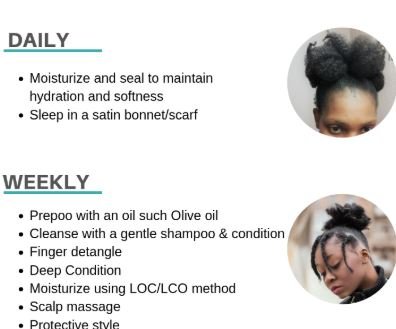
Embrace Protective Styles
Low-tension protective styles like loose twists or soft buns protect the ends of your hair from environmental wear and friction against clothing.
Limit Daily Brushing to What is Necessary
Brushing 100 strokes a day is a myth that causes unnecessary friction and damage. Brush gently only as needed to style or detangle your hair.
Leave Hair Natural on Non-Work Days
Give your hair a break from hot tools, styling products, and tight ties at least two days a week to let strands rest and maintain their natural moisture balance.
Handle Hair Gently During Washing
Avoid piling your hair on top of your head to scrub it, which creates severe tangles. Gently massage shampoo onto your scalp and let the suds rinse down through the lengths naturally.
21. Stay Consistent and Patient
Hair growth is a slow physiological process. The average hair strand grows roughly half an inch per month, requiring dedicated effort over several months to see true results.
Commit to a Routine for at least 3 to 6 Months
Hair cycles take time. Any new diet, topical serum, or routine modification requires at least 90 to 180 days of consistent application before visible results appear.
Track Your Progress with Monthly Photos
Day-to-day changes are hard to notice in the mirror. Take clear, well-lit photos of your hairline, crown, and overall density once a month to track real growth objectively.
Avoid Switching Products Too Quickly
Constantly jumping between different shampoos, serums, and treatments irritates the scalp and prevents any single product from completing its full therapeutic cycle.
Focus on Overall Retention Alongside Growth
Growing hair thicker requires protecting the length you already have. Balancing root stimulation with length retention ensures long-term, lasting volume.
Quick Summary Matrix
| Category | Primary Focus Areas | Key Benefit |
| Internal Health & Diet | Protein, Iron, Zinc, Hydration, Sleep | Supplies necessary keratin building blocks |
| Scalp Care & Actives | Massages, Exfoliation, Minoxidil, Rosemary Oil | Maximize circulation & follicle activity |
| Damage Prevention | Heat limits, Microfiber towels, Silk pillowcases | Stops strand snapping & retention loss |
| Styling & Illusion | Root smudging, Upside-down blow-drying, Mousses | Creates instant visual fullness and lift |
Frequently Asked Questions
How long does it take to see noticeable results when trying to get thicker hair?
Hair grows at an average rate of about half an inch (1.25 cm) per month. Because hair follicles go through distinct resting and growth phases, it typically takes 3 to 6 months of consistent nutrition, scalp care, and gentle handling before you notice visible improvements in overall density and thickness.
Can thin hair actually become genetically thick if it has always been fine?
While you cannot fundamentally change your baseline genetic follicle structure or increase your total number of hair follicles, you can maximize the diameter and health of your existing strands. Many people suffer from reduced thickness due to breakage, nutritional deficiencies, or clogged follicles—issues that, when corrected, result in significantly fuller hair.
Does washing your hair every day cause it to thin out?
Washing your hair daily does not directly cause internal hair loss, but it strips away natural sebum oils that protect the hair shaft from friction and brittleness. This dryness leads to increased breakage and split ends, making your hair look progressively thinner and more frayed over time.
Are natural oils like rosemary oil truly effective for hair growth?
Clinical studies indicate that diluted essential oils such as rosemary can stimulate microcirculation in the scalp comparably to certain conventional topical treatments. When used consistently alongside a carrier oil, they help nourish the roots and support a healthy growth cycle.

- 7×5 vs. 13×4 Lace Wigs: Which Is Better for You? - October 14, 2026
- 13×4 Human Hair Lace Wigs: Benefits, Types, Installation, and Care Guide - October 14, 2026
- 21 Proven Ways to Get Thicker Hair: Professional Guide - October 14, 2026