Wolf Cut vs Butterfly Cut: Which Haircut Is Better for You?
Choosing between a wolf cut and a butterfly cut can be tricky, especially when both look beautiful in hairstyle photos. I think the easiest way to decide is to look at how you want your hair to feel and move every day. A wolf cut gives your hair a shaggy, textured look with plenty of personality, while a butterfly cut creates soft, flowing layers that make long hair look bouncy and full. Both can work on different hair types, but they need different styling approaches. In this guide, you’ll learn how the two haircuts compare, which suits your face shape and hair texture, and how to choose a style you’ll actually enjoy maintaining.
1. Wolf Cut vs Butterfly Cut: What Is the Difference?
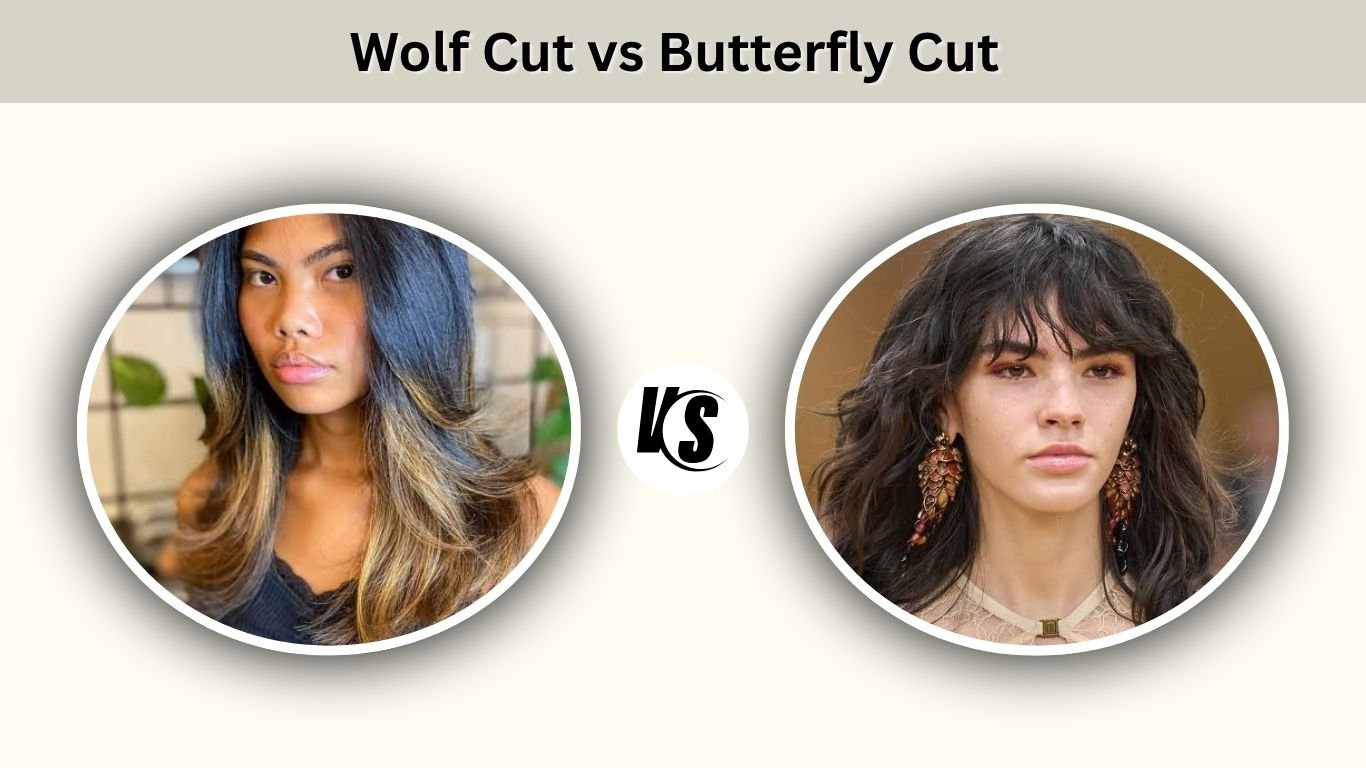
The biggest difference between these two haircuts is the shape of their layers. A wolf cut looks more textured and deliberately messy, while a butterfly cut focuses on soft layers that blend into the rest of your hair.
- A wolf cut creates a shaggy shape with shorter layers around the crown.
- A butterfly cut uses shorter face-framing layers and longer layers through the back.
- Both haircuts can add movement, but the final look depends on your hair texture, length, and styling routine.
What Is a Wolf Cut?
A wolf cut combines features of a shag haircut and a mullet. It usually has shorter layers at the top, more texture around the face, and longer pieces toward the back. The result looks relaxed, full, and slightly edgy.
- Best for: People who enjoy textured, casual hairstyles.
- Layering style: Shorter crown layers with choppy or feathered ends.
- Styling: Works with natural waves, curls, or straight hair when cut appropriately.
- Overall look: Shaggy, playful, and modern.
You can customize a wolf cut with curtain bangs, wispy fringe, or longer face-framing pieces. If you prefer a softer appearance, ask your stylist for a longer wolf cut with less dramatic layers.
What Is a Butterfly Cut?
A butterfly cut is designed to create soft, flowing layers while keeping the overall hair length. The shorter layers frame your face, while the longer sections remain underneath. When styled, the shorter pieces can give the appearance of a shorter haircut without removing much visible length.
- Best for: People who want volume and movement while keeping long hair.
- Layering style: Soft, blended, face-framing layers.
- Styling: Often looks especially bouncy with a round brush, blow-dryer, or rollers.
- Overall look: Feminine, polished, and voluminous.
A butterfly cut can also be worn more naturally without a blowout. However, the classic rounded shape usually looks more defined when the layers are styled.
The Main Differences Between Wolf Cut and Butterfly Cut
The two haircuts can look similar from certain angles, but their shapes and styling effects are different.
| Feature | Wolf Cut | Butterfly Cut |
|---|---|---|
| Layer style | Shaggy and textured | Soft and blended |
| Crown volume | Often noticeable | Usually softer |
| Face-framing | Choppy or wispy | Flowing and feathered |
| Overall appearance | Edgy and casual | Smooth and bouncy |
| Styling preference | Texture and separation | Curved, voluminous layers |
| Length | Short, medium, or long | Often medium to long |
| Best-known effect | Textured silhouette | Long hair with shorter-looking front layers |
2. Wolf Cut vs Butterfly Cut: Key Differences at a Glance
If you’re still unsure, think about the finish you want rather than focusing only on the name of the haircut. Both styles can add volume, but one creates more texture while the other emphasizes flowing layers.
- Choose a wolf cut if you prefer a relaxed, slightly messy hairstyle.
- Choose a butterfly cut if you like soft, bouncy layers around your face.
- Consider your natural hair texture before choosing a highly layered version of either cut.
Layers, Shape, and Overall Appearance
The way the stylist distributes the layers has the biggest impact on the final result.
- Wolf cut: Shorter layers around the crown create a shaggy shape, while the longer sections add contrast.
- Butterfly cut: Blended layers create a smoother shape that flows from the face toward the ends.
- Which should you choose? Pick the wolf cut for a more dramatic silhouette or the butterfly cut for a softer, salon-style appearance.
Volume, Texture, and Face-Framing
Both haircuts can make hair look fuller, but they emphasize different areas.
- Wolf cut: Often creates visible texture and lift around the crown.
- Butterfly cut: Can create fullness around the face and through the lengths, especially when blow-dried.
- Styling tip: Use lightweight products if your hair is fine, because heavy creams and oils can flatten the layers.
Which Haircut Creates More Movement?
Neither haircut automatically creates more movement for every hair type. The result depends on your natural texture and the way the layers are cut.
- Wolf cut: Creates a separated, textured appearance that works well with natural waves.
- Butterfly cut: Creates flowing movement, especially when the shorter layers are brushed away from the face.
- Best choice: Choose the wolf cut for a textured finish or the butterfly cut for soft, sweeping movement.
3. Wolf Cut vs Butterfly Cut for Different Hair Types
Your hair type can change how a haircut looks after washing, drying, and styling. Before choosing a wolf cut or butterfly cut, consider whether your hair is straight, wavy, curly, fine, or thick.
- Straight hair may need styling to show the full shape of either cut.
- Wavy hair naturally adds movement to both styles.
- Curly hair needs careful layer placement because curls can shrink and spring upward when dry.
Which Cut Works Better for Straight Hair?
Straight hair can suit both cuts, but the styling result will be different.
- Wolf cut: Adds texture and shape to straight hair that might otherwise look flat.
- Butterfly cut: Creates soft volume when the layers are shaped with a round brush or rollers.
- My tip: If you rarely style your hair, ask for layers that look good when air-dried rather than relying on a salon blowout.
Wolf Cut vs Butterfly Cut for Wavy Hair
Wavy hair is a natural match for layered hairstyles because it already has movement.
- Wolf cut: Highlights natural waves and creates a relaxed, textured finish.
- Butterfly cut: Emphasizes flowing layers and soft face-framing pieces.
- My tip: Ask your stylist to cut your hair with its natural wave pattern in mind, especially if it tends to shrink or become frizzy after washing.
Which Cut Suits Curly and Thick Hair?
Both cuts can work on curly and thick hair, but the stylist needs to understand how your hair behaves when dry.
- Wolf cut: Can create a rounded, textured shape and distribute visual bulk.
- Butterfly cut: Can frame the face while preserving the appearance of long curls.
- My tip: Discuss shrinkage and layer length before cutting. Too many short layers can create more volume than you want.
4. Wolf Cut vs Butterfly Cut for Different Hair Lengths
Hair length affects how clearly the layers appear and how much flexibility you have when styling. The wolf cut can work on shorter hair, while the butterfly cut is often associated with longer lengths.
- Short hair can emphasize the wolf cut’s shaggy shape.
- Medium hair offers flexibility for either haircut.
- Long hair gives both styles room to create different layering effects.
Is a Wolf Cut Good for Short Hair?
Yes, a wolf cut can look great on short hair. Shorter crown layers create texture, while the remaining length helps maintain the overall shape.
- Best feature: A bold, textured look without needing perfectly smooth styling.
- Styling tip: Use a small amount of lightweight mousse or texture cream to define the layers.
- Keep in mind: Short layers or bangs may need regular trimming to maintain their shape.
Does a Butterfly Cut Work on Medium-Length Hair?
A butterfly cut can work on medium-length hair if there is enough length for the shorter front pieces to blend naturally with the rest.
- Best feature: Soft face-framing layers without committing to a short haircut.
- Styling tip: Ask for a customized version that works with your current length.
- Keep in mind: The classic butterfly effect may look different on shoulder-length hair than on very long hair.
Which Cut Looks Better on Long Hair?
Both styles can look beautiful on long hair, but they create different moods.
- Wolf cut: Adds texture and a more dramatic, shaggy silhouette.
- Butterfly cut: Creates flowing layers and a bouncy appearance while preserving visible length.
- My tip: Choose the butterfly cut if keeping the appearance of long hair is your priority. Choose the wolf cut if you want more texture and contrast.
5. Wolf Cut vs Butterfly Cut for Face Shapes
Your face shape can help you decide where the shortest layers should fall, but it shouldn’t limit your options. A skilled stylist can customize either haircut to complement your features.
- Round faces may benefit from carefully placed, longer face-framing pieces.
- Oval faces can often accommodate a wide range of layer placements.
- Square and heart-shaped faces can work well with softer layers around the cheeks and jawline.
Best Haircut for Round Faces
If you have a round face, you may prefer layers that create a longer visual line around your cheeks.
- Wolf cut: Longer side pieces and curtain bangs can create a more elongated effect.
- Butterfly cut: Face-framing layers that begin below the cheekbones can create a soft frame.
- My tip: Choose the shortest layers carefully so they don’t add unwanted width where you prefer a slimmer appearance.
Which Cut Suits Oval and Square Faces?
Both cuts can work well with oval and square faces. The difference comes down to the style you prefer.
- Oval face: A wolf cut can create a playful look, while a butterfly cut can emphasize soft, flowing layers.
- Square face: Softer face-framing pieces may help balance the appearance of a strong jawline.
- My tip: Bring reference photos to your stylist and discuss how the layers will sit around your forehead, cheeks, and jaw.
Wolf Cut vs Butterfly Cut for Heart-Shaped Faces
Heart-shaped faces often have a wider forehead and a narrower chin. Layers can help create a balanced appearance.
- Wolf cut: Curtain bangs or longer side pieces can soften the forehead area.
- Butterfly cut: Layers around the cheeks and jawline can add visual fullness to the lower part of the face.
- My tip: Ask for a face-framing shape that works with your natural parting and hair density.
6. Wolf Cut vs Butterfly Cut for Thin and Thick Hair
Hair density matters because layers remove some of the weight that makes hair look full. The right haircut can improve the appearance of volume, but excessive layering can have the opposite effect.
- Fine hair often benefits from preserving fullness at the ends.
- Thick hair may benefit from carefully distributed layers.
- Both cuts should be customized to avoid unwanted puffiness or a sparse-looking finish.
Which Cut Makes Fine Hair Look Fuller?
For fine hair, the goal is to create movement without removing too much fullness.
- Wolf cut: Can add texture and crown lift, but heavy layering may make the ends look thinner.
- Butterfly cut: Subtle layers can add movement while preserving the appearance of length and density.
- My tip: Ask for a softer version of either haircut if your ends already look thin.
Which Haircut Works Better for Thick Hair?
Thick hair can support both haircuts, depending on how the layers are distributed.
- Wolf cut: Creates texture and can help shape bulky hair.
- Butterfly cut: Creates a softer silhouette and flowing layers through the lengths.
- My tip: Tell your stylist if you want less bulk, more volume, or a smoother outline. These goals require different cutting techniques.
Can Layered Haircuts Make Thin Hair Look Thinner?
Yes. If too much weight is removed, the ends can look sparse, even when the hair itself is healthy.
- Avoid: Excessively short layers that remove too much fullness.
- Choose: Subtle face-framing pieces and carefully placed layers.
- Remember: A haircut changes the appearance of hair, not the underlying number of follicles. Progressive thinning may need assessment by a dermatologist.
7. Wolf Cut vs Butterfly Cut: Styling and Maintenance
The best haircut is one you can manage comfortably at home. Think about whether you prefer natural texture or a polished finish before deciding.
- Wolf cuts can work well with natural waves and textured styling.
- Butterfly cuts often show their signature shape with a blowout or rollers.
- Both styles can be air-dried, depending on your hair texture and the finish you want.
How to Style a Wolf Cut at Home
A wolf cut doesn’t always need a complicated routine. The goal is to enhance the layers rather than make every strand look perfectly smooth.
- Step 1: Apply a lightweight styling product to damp hair.
- Step 2: Scrunch wavy or curly hair, or use a blow-dryer to lift the roots of straight hair.
- Step 3: Allow the hair to dry, then add a small amount of texture product if needed.
- Tip: Avoid heavy products that can make the crown look flat.
How to Style a Butterfly Cut for a Blowout Look
A butterfly cut often looks most recognizable when the front layers curve away from the face.
- Step 1: Apply a heat protectant before using hot tools.
- Step 2: Use a round brush and blow-dryer to lift the roots and shape the front layers.
- Step 3: Use rollers if you want extra bounce, allowing the hair to cool before removing them.
- Tip: Finish with a lightweight product that doesn’t weigh down the layers.
Which Haircut Is Easier to Maintain?
Neither haircut is automatically easier for everyone. Your natural texture and preferred styling finish make the biggest difference.
- Wolf cut: May be easier if you like natural waves and a slightly messy finish.
- Butterfly cut: May be easy to wear naturally, but a polished blowout can take more time.
- My tip: Ask your stylist how the cut will look without heat and how frequently it may need reshaping.
8. Wolf Cut vs Butterfly Cut: Daily Styling Time
Your daily routine matters just as much as the haircut itself. A style that looks great in a salon may be frustrating if it requires more effort than you want to spend each morning.
- Natural waves and curls can reduce styling time.
- A smooth butterfly blowout may require brushing, rollers, or heat styling.
- Both cuts can be adapted for people who prefer simpler routines.
How Much Time Does a Wolf Cut Take to Style?
A wolf cut can be quick to style if your natural hair already has texture.
- For wavy hair: Scrunch damp hair and allow it to air-dry or use a diffuser.
- For straight hair: Add root lift or texture if you want a more defined shape.
- For busy mornings: Use a lightweight product and refresh only the sections that need it.
How to Maintain Butterfly Cut Volume and Shape
A butterfly cut often relies on soft curves and volume around the face.
- For extra bounce: Use a round brush or rollers to shape the shorter layers.
- For a simpler routine: Air-dry and use a suitable lightweight styling product.
- For long-term maintenance: Ask your stylist when the layers may need reshaping to maintain your preferred look.
Can You Air-Dry Either Haircut?
Yes, both can be air-dried. The finished result depends on your natural texture and how the layers fall.
- Wolf cut: Can look naturally textured on wavy or curly hair.
- Butterfly cut: Can look soft and flowing, although it may have less of the rounded blowout effect.
- Tip: Use a suitable leave-in product if needed and avoid repeatedly touching your hair while it dries if frizz is a concern.
9. Wolf Cut vs Butterfly Cut: Pros and Cons
Both haircuts have advantages, but the right choice depends on your hair type, preferred appearance, and styling habits.
- Wolf cuts emphasize texture and a relaxed silhouette.
- Butterfly cuts emphasize soft, flowing layers.
- Either haircut can be adjusted to preserve fullness or create more movement.
Wolf Cut Benefits and Drawbacks
Pros
- Creates an edgy, textured appearance.
- Can add visual lift around the crown.
- Works with many straight, wavy, and curly textures.
- Can look good with a relaxed styling routine.
Cons
- Short layers may need regular reshaping.
- Heavy layering can make fine ends look sparse.
- Curly hair may need extra customization to account for shrinkage.
- A polished finish may require styling products or heat.
Butterfly Cut Benefits and Drawbacks
Pros
- Creates soft, flowing layers.
- Can add the appearance of volume and movement.
- Preserves the look of long hair.
- Offers customizable face-framing options.
Cons
- The classic blowout effect may require extra styling.
- Excessive layering can reduce fullness at the ends.
- The shape depends on careful layer placement.
- Fine hair may need a more subtle version.
Which Cut Is Better for a Low-Maintenance Routine?
If you prefer air-drying and natural texture, a customized wolf cut may suit you. If you enjoy soft, flowing layers and don’t mind occasional blow-drying, a butterfly cut may be a better choice.
- Choose based on your natural texture rather than online photos alone.
- Discuss how the haircut will look without heat styling.
- Ask your stylist to keep the maintenance routine realistic for your lifestyle.
10. Wolf Cut vs Butterfly Cut: Which One Is More Versatile?
Both cuts offer several styling options, but their signature shapes create different results. The wolf cut naturally leans toward texture, while the butterfly cut often looks softer and more polished.
- Both can be worn casually or styled for special occasions.
- Short layers may fall out of ponytails and updos.
- Your hair length and natural texture affect how versatile each cut will be.
Best Cut for Casual and Everyday Hairstyles
A wolf cut can be a great option if you like casual, textured hair that doesn’t need to look perfectly smooth.
- Wolf cut: Works well with relaxed waves and a tousled finish.
- Butterfly cut: Can be worn naturally or styled into soft, flowing layers.
- Best choice: Pick the style that looks good with the amount of effort you want to spend every day.
Which Cut Works Better for Ponytails and Updos?
Both cuts can be tied back, but shorter layers may fall out around the face or neck.
- Wolf cut: Short crown layers can leave more loose pieces around the head.
- Butterfly cut: Face-framing layers may need pins or styling products to stay in place.
- My tip: If you frequently wear ponytails, buns, or braids, tell your stylist before cutting your hair.
Which Haircut Offers More Styling Options?
Both hairstyles are flexible, but the results are different.
- Wolf cut: Can be worn messy, wavy, curly, or blown out for more definition.
- Butterfly cut: Can be styled straight, curled, brushed out, or worn with soft waves.
- Best choice: Consider which styles you actually wear rather than choosing based only on the number of possible looks.
11. How to Choose Between a Wolf Cut and a Butterfly Cut
The easiest way to choose is to consider your hair type, preferred finish, and daily routine. A haircut should fit your lifestyle as well as your appearance.
- Decide whether you prefer a textured or polished look.
- Consider how much length and fullness you want to preserve.
- Bring reference photos and explain your styling habits to your hairstylist.
Questions to Ask Before Choosing Your Haircut
Before making your decision, think about these questions:
- Do I prefer a shaggy, textured look or soft, flowing layers?
- Do I want volume at the crown or around the face?
- Is my hair fine, thick, straight, wavy, or curly?
- Do I usually air-dry my hair or use heat styling?
- How much time can I spend maintaining the haircut?
Your answers can help you choose a style that works beyond the first day at the salon.
What to Tell Your Hairstylist
A haircut name doesn’t always communicate exactly what you want. Describe the features that matter most to you.
- For a wolf cut: Explain how much crown volume, texture, and fringe you want.
- For a butterfly cut: Discuss where the face-framing layers should begin and how much fullness you want at the ends.
- For both: Bring reference photos and explain how you usually style your hair.
Common Layering Mistakes to Avoid
Layered haircuts can be difficult to manage when the shape doesn’t match your hair texture or density.
- Avoid choosing a haircut based only on a photo of someone with a different hair type.
- Don’t remove too much weight if your hair is fine or your ends are already sparse.
- Discuss shrinkage before cutting curly hair.
- Make sure your stylist understands how you want the hair to look when air-dried.
12. Wolf Cut vs Butterfly Cut: Which One Should You Choose?
By now, the main difference should be clear: a wolf cut emphasizes texture, while a butterfly cut emphasizes soft, flowing layers. Neither is universally better, so focus on the look and routine that suit you.
- Choose the wolf cut for a shaggy, edgy appearance.
- Choose the butterfly cut for soft, voluminous layers that maintain the appearance of length.
- Ask for a customized version if you want elements of both styles.
Choose a Wolf Cut for a Shaggy, Edgy Look
A wolf cut may be the better option if you enjoy texture and a relaxed hairstyle with personality.
- It can highlight natural waves and curls.
- It creates a more noticeable, layered silhouette.
- It can be customized with curtain bangs or longer face-framing pieces.
- A softer version can help preserve fullness if your hair is fine.
Choose a Butterfly Cut for Soft, Voluminous Layers
A butterfly cut may suit you better if you want long hair with movement and a softer frame around your face.
- It creates flowing layers that can look bouncy when styled.
- It preserves the appearance of long hair.
- It works well with round-brush styling and rollers.
- A subtle version can maintain more fullness at the ends.
Final Verdict: Which Haircut Fits Your Hair and Lifestyle Best?
Choose the wolf cut if you prefer a textured, slightly messy hairstyle. Choose the butterfly cut if you want soft layers and a bouncy, polished appearance.
Before deciding, consider your natural hair texture, density, face-framing preferences, and styling routine. A good stylist can customize either haircut to suit your features and help you get a result you can comfortably maintain.
Frequently Asked Questions About Wolf Cut vs Butterfly Cut
Is a Wolf Cut Better Than a Butterfly Cut?
Neither is better for everyone. A wolf cut suits people who prefer texture and a shaggy shape, while a butterfly cut suits those who like soft, flowing layers. The best option depends on your hair type, desired appearance, and styling habits.
Can You Get a Butterfly Cut and Wolf Cut Together?
Yes. You can ask your stylist to combine soft butterfly-style face-framing layers with more textured wolf-cut layers around the crown. The final result should be customized to your hair density, texture, and preferred length.
Which Haircut Looks Better as It Grows Out?
Both can grow out well when the layers are planned carefully. A butterfly cut may maintain a soft appearance as the layers lengthen, while a wolf cut may gradually lose some of its shaggy shape. Your hair growth and starting cut will affect the result.
Final Thoughts: Wolf Cut vs Butterfly Cut
The wolf cut and butterfly cut can both transform your hairstyle, but they create different effects. The wolf cut offers texture and an edgy silhouette, while the butterfly cut gives you soft, flowing layers and the appearance of long, voluminous hair.
Think about how you want your hair to look on an ordinary day, not just in a salon photo. With the right layer placement and a stylist who understands your hair type, either cut can become a flattering and manageable choice.

- 7×5 vs. 13×4 Lace Wigs: Which Is Better for You? - October 14, 2026
- 13×4 Human Hair Lace Wigs: Benefits, Types, Installation, and Care Guide - October 14, 2026
- 21 Proven Ways to Get Thicker Hair: Professional Guide - October 14, 2026