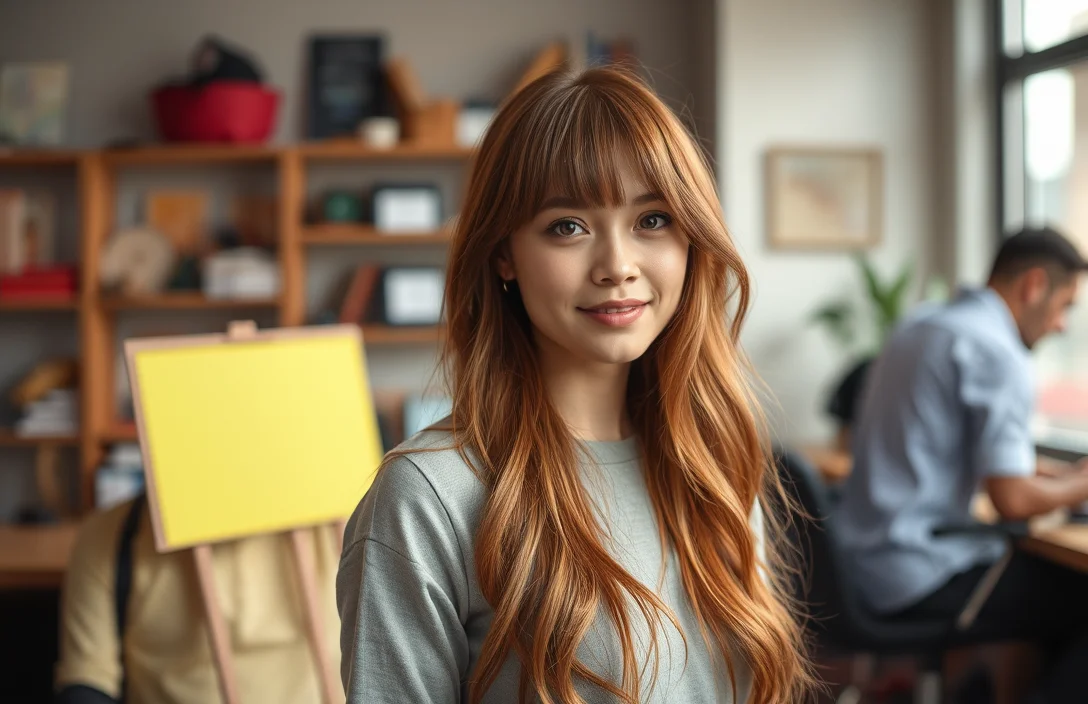
The Color Code: Unlocking the Secrets to Irresistible Hair Shades
Studies show that 71% of people consider hair color a significant factor in attractiveness, indicating its powerful influence on first impressions. This statistic suggests a strong correlation between hair color and perceived beauty, making it a crucial element in personal styling decisions.
Research indicates that blondes are often perceived as more attractive, while brunettes convey sophistication. Redheads stand out for their uniqueness, and dark shades tend to suggest mystery. Personal preference plays a vital role in attraction.
Popular Hair Color Trends
Bright shades dominate current trends. Bold colors like fiery reds and electric blues attract attention and make a statement. These eye-catching hues not only enhance personal style but also radiate confidence. In social settings, vibrant hair colors can spark conversations and draw compliments, making them a popular choice for those wanting to stand out.
Natural tones remain timeless favorites. Colors like warm browns and honey blondes provide a classic and elegant look. Many find these shades versatile, easily blending with various outfits and occasions. They convey sophistication and can be perceived as more approachable, making them ideal for both professional and casual settings.
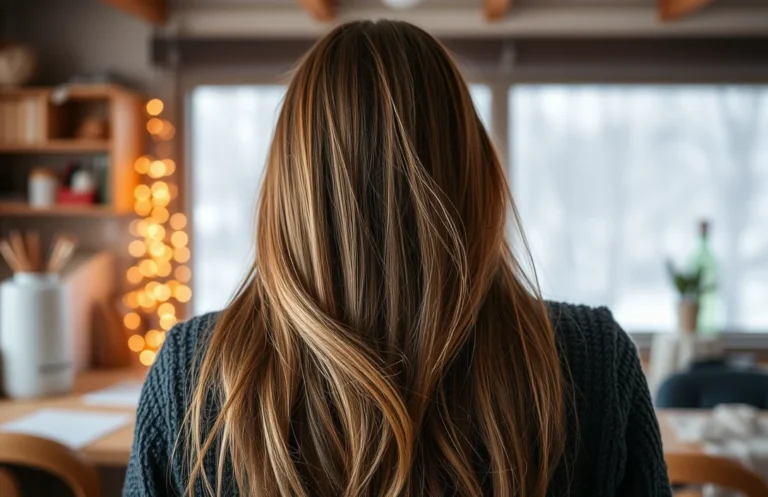
Ombre and balayage techniques add depth. These methods create a gradual transition between colors, resulting in a softer, more natural appearance. Blending highlights into a base color allows for dimension and movement, making the hair look fuller. Many individuals choose these styles for their low-maintenance appeal and the ability to refresh the look without a complete overhaul.
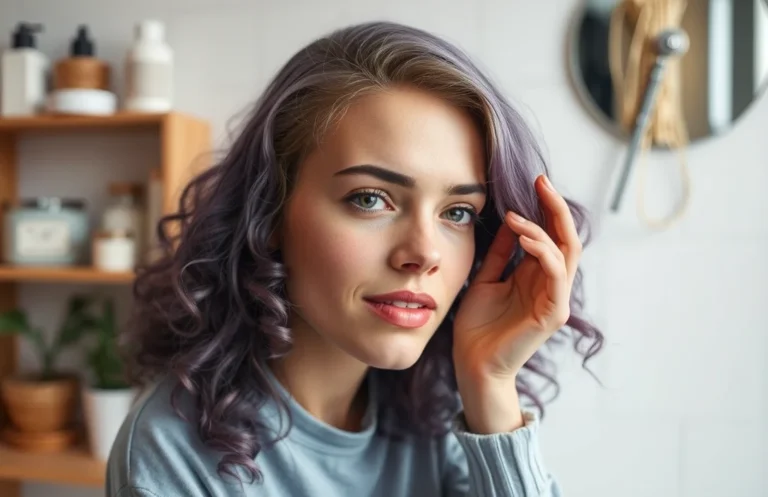
Pastel shades are trending upward. Soft pinks, lavenders, and mint greens offer a subtle yet playful vibe. Ideal for those seeking a unique twist without going too extreme, these hues can be especially appealing in spring and summer. Their lightness complements various skin tones, making them a versatile choice for many.
Multi-toned styles create visual intrigue. Combining different colors into one look can result in a striking effect. Techniques such as color blocking or chunking allow for creativity, enabling individuals to express their personality through hair. This trend appeals to those who enjoy experimenting and showcasing their individuality.
Psychology of Hair Color
Research indicates that hair color influences perceptions of attractiveness. Lighter shades, such as blonde, often evoke feelings of youthfulness and vibrancy. In contrast, darker colors like brunette can suggest sophistication and depth. Understanding these associations can help individuals choose shades that enhance their appeal.
Studies show that red hair garners unique attention. Often linked to fiery personalities, red shades can make a bold statement. This color is less common, which can lead to increased intrigue and memorability, enhancing attractiveness in social situations.
Color psychology extends beyond mere aesthetics. Warm tones, including golden blondes and rich auburns, tend to create inviting impressions. Cool tones, like ash blondes and deep blacks, can project a more reserved or mysterious persona. Selecting the right tone can significantly impact how others perceive you.
Personal preference plays a crucial role in perceived attractiveness. Individuals often gravitate toward colors that reflect their personality and style. Confidence in one’s hair color can amplify its attractiveness, as self-assuredness tends to draw positive attention from others.
Hair maintenance also contributes to attractiveness. Well-kept hair, irrespective of color, signals care and attention to personal grooming. Regular trims, healthy shine, and vibrant color can enhance overall appeal, reinforcing the idea that attractive hair is not solely about the shade but also the condition.
Celebrities and Hair Color
Celebrities often influence hair color trends significantly. Their choices can set the stage for what is considered attractive at any given time. Notable figures like Jennifer Aniston and Rihanna have made particular shades iconic, demonstrating how a specific hair color can enhance one’s appeal and presence in public life.
Research highlights that certain colors can evoke specific feelings and perceptions. For example, blonde hair is frequently associated with youthfulness and vibrancy, while brunette shades can exude warmth and sophistication. Celebrities embody these traits, making their hair colors more desirable to fans and followers.
Surveys reveal that many individuals adopt celebrity-inspired hairstyles and colors. Observing how celebrities style their hair can provide valuable insights into what might work best for you. Experimenting with similar shades or techniques can increase your attractiveness and confidence.
Social media platforms amplify the reach of these trends. Influencers and celebrities showcase their hair transformations, prompting followers to replicate their looks. Engaging with these trends allows for a personal twist on styles that have proven to be attractive.
Ultimately, embracing a hair color that resonates with personal style, inspired by celebrity choices, can enhance overall attractiveness. Balancing current trends with individual preferences leads to a confident and appealing appearance.
Seasonal Color Choices
Spring often favors lighter, vibrant shades like honey blonde and strawberry red. These colors reflect the freshness of the season, enhancing brightness in one’s appearance. Opting for these hues can create a youthful and invigorating look that many find attractive. Choosing the right shade can significantly influence how others perceive you.
Summer leans towards sun-kissed shades, such as golden blonde or warm caramel. These tones complement the sun’s glow and bring out warmth in your overall look. Sporting these colors can evoke feelings of relaxation and fun, making them particularly appealing during warm weather months. Highlighting your hair with subtle variations can add depth and dimension.
Autumn introduces rich, warm colors like copper and chestnut. These shades resonate with the season’s earthy tones, providing a cozy and inviting appearance. Deep reds and burgundies can also be striking choices that convey confidence and sophistication. Transitioning to these colors can enhance your overall presence as the weather cools.
Winter typically showcases darker, bolder shades like jet black or deep brown. These colors can add drama and elegance to one’s look, often perceived as more sophisticated. Opting for striking colors during this season can create a striking contrast against the winter backdrop, making you stand out. Choosing the right hue can elevate your overall style.
Skin Tone Compatibility
Determining your skin tone is essential for selecting the most attractive hair color. Warm skin tones typically complement golden, honey, and copper shades, while cool tones shine with ashy, platinum, or deep burgundy hues. Identifying your undertone can significantly enhance your overall appearance and draw attention to your features.
Experimenting with different shades can provide insights into what works best. For example, a rich chocolate brown can beautifully contrast with light skin, while caramel highlights may brighten darker complexions. Observing how various colors interact with your skin can refine your choices.
Combining different hues allows for unique looks that enhance your natural beauty. Balayage or ombre techniques can add depth and dimension to your hair, making it more visually appealing. Colors that harmonize with your skin tone can create a cohesive and attractive overall appearance.
Consulting a color expert can provide tailored advice based on your specific complexion. These professionals can analyze your skin tone and suggest complementary shades that enhance your attractiveness. Investing time in understanding these nuances can lead to a more satisfying hair color choice.
Cultural Preferences for Hair
Cultural influences significantly shape perceptions of attractive hair colors. Various regions and societies have distinct preferences that reflect their values, traditions, and historical contexts. For instance, in some cultures, darker shades symbolize sophistication and elegance, while lighter tones are often associated with youth and vitality.
Regional trends can also dictate what is considered attractive. In Western cultures, blonde hair has historically been celebrated, often linked to ideals of beauty and desirability. In contrast, Asian cultures may favor rich black or deep brown hues, reflecting a connection to heritage and classic beauty.
Personal preferences often correlate with cultural influences. Individuals may feel compelled to choose hair colors that align with societal standards, leading to increased confidence and social acceptance. Recognizing these dynamics can help individuals make informed decisions about their hair color, ensuring they resonate with their cultural background.
Social media plays a pivotal role in shaping trends. Platforms like Instagram and TikTok showcase diverse styles and colors, influencing what people find attractive. Following popular influencers can provide inspiration and guidance on current hair color trends within different cultural contexts.
Ultimately, understanding these cultural nuances allows for a more personalized approach to hair color. It empowers individuals to select shades that not only enhance their appearance but also resonate with their identity and cultural background, making their choice feel authentic and meaningful.
Hair Color Maintenance Tips
Regular touch-ups maintain vibrant hair color. Schedule appointments every 4 to 6 weeks to refresh roots and ensure even tones. This practice prevents fading and keeps your color looking fresh, enhancing overall attractiveness. Use a professional stylist who understands your specific hair type for the best results.
Investing in quality hair care products is essential. Choose sulfate-free shampoos and conditioners designed for color-treated hair. These products help preserve color while keeping hair healthy and moisturized. Always read labels to ensure they cater specifically to your hair color needs.
Protect your hair from heat damage. High temperatures from styling tools can fade color and weaken hair strands. Employ heat protectants before using blow dryers, straighteners, or curling irons, and aim for lower heat settings to maintain vibrancy.
Rinsing with cold water seals the cuticle. After washing, finish with a cold rinse to lock in moisture and enhance shine. This simple step helps keep your hair color looking rich and radiant while reducing frizz and damage.
Minimize sun exposure to prevent fading. UV rays can alter your color and lead to dryness. Wear hats or use UV protection sprays designed for hair when spending extended time outdoors. This helps maintain your shade’s original vibrancy.
Hydration is crucial for maintaining hair health. Drink plenty of water and consider using deep conditioning treatments weekly. Moisturized hair appears shinier and healthier, which contributes to an attractive overall look.
Listening to your hair’s needs is vital. Observe how it reacts to products and environmental factors, adjusting your routine as necessary. Tailoring your maintenance approach ensures that your color remains striking and appealing over time.
Quick Summary
- Attractiveness of hair color can be subjective and influenced by personal preferences.
- Studies suggest that blonde hair is often perceived as more attractive in some cultures.
- Brunettes are frequently associated with warmth and reliability, appealing traits in attractiveness.
- Red hair can be seen as unique and exotic, drawing attention and intrigue.
- Hair color preferences can vary based on trends, cultural backgrounds, and individual experiences.
- Confidence and personality often play a more significant role in attractiveness than hair color alone.
- Ultimately, beauty standards are diverse and fluid, making it essential to embrace one’s natural hair color.
Frequently Asked Questions
What hair color is considered the most attractive?
Attractiveness is subjective and varies by personal preference, cultural influences, and trends. However, studies have shown that shades like brunette and blonde are often rated highly in surveys about attractiveness.
Does hair color affect first impressions?
Yes, hair color can influence first impressions. People often associate certain colors with personality traits, such as blondes being viewed as more fun and brunettes as more serious, which can impact how individuals are perceived initially.
Do different hair colors attract different demographics?
Research suggests that different hair colors can attract varying demographics based on age, culture, and personal taste. For example, younger individuals may favor bold colors, while older generations might prefer more natural shades.
How can I choose a hair color that suits me?
Choosing a hair color should take into account your skin tone, eye color, and personal style. Consulting with a professional colorist can help you find a shade that enhances your features and fits your personality.
Are there any hair colors that are universally attractive?
While no hair color is universally attractive, some shades like chestnut brown or soft blonde tend to be more widely appreciated across different cultures. Ultimately, attractiveness is highly individualistic, and confidence plays a significant role in how any hair color is perceived.

- 7 Best Detangling Brushes for Curly Hair: Thick, Fine, Long & Natural Hair - September 25, 2026
- 5 Best Moisturizing Curl Defining Creams for Soft, Defined Curls - September 24, 2026
- Best Curl Creams for Straight Hair: 5 Top Picks for Women - September 24, 2026