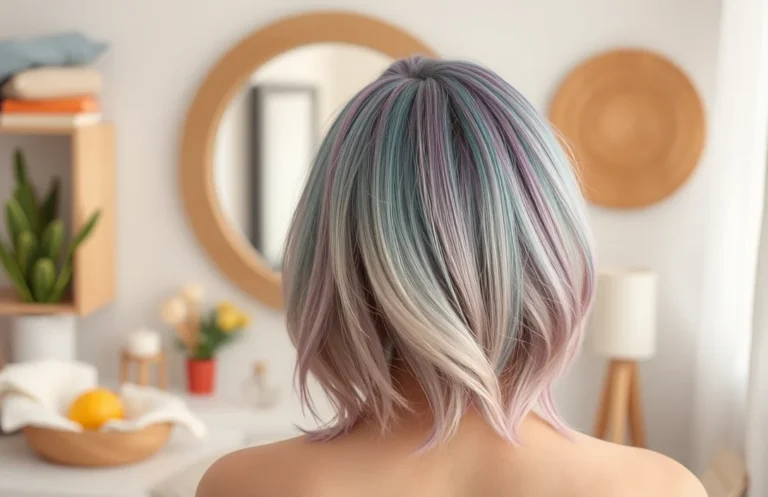
Coloring Your Hair: Understanding the Risks and Safe Practices
Over 50% of women in the U.S. color their hair, but many worry about potential damage. Frequent exposure to chemicals can lead to hair breakage and scalp irritation, raising concerns about the long-term effects of hair dye on health and appearance.
Coloring your hair can cause damage to hair structure, leading to dryness and breakage. Some dyes contain harsh chemicals that may irritate the scalp or cause allergic reactions, so it’s essential to choose products carefully.
Chemical Ingredients in Hair Dye
Ammonia serves as a common ingredient, opening the hair cuticle to allow color penetration. While effective, it can also cause dryness and irritation on the scalp. Many products replace ammonia with less harsh alternatives, but it’s crucial to know what you’re applying to your hair.
Peroxide acts as a bleaching agent, enabling color change. Its presence can weaken hair structure, leading to breakage if used excessively. Understanding peroxide levels in hair dyes helps in choosing safer products.
PPD, or para-phenylenediamine, is a chemical often used in darker hair dyes. This ingredient can trigger allergic reactions in sensitive individuals, resulting in itching or swelling. Patch testing is recommended to avoid adverse effects.
Resorcinol is another chemical found in hair dye formulations. While it helps in color development, it has raised concerns regarding its potential health effects, including skin irritation. Checking product labels for resorcinol content can be beneficial.
Metallic salts are sometimes included for color enhancement but can lead to hair damage. These compounds build up over time, making future dye applications less effective and potentially harmful. Opting for non-metallic dyes can mitigate these risks.
Short-Term Effects on Hair
Cuticle lifting from dyeing causes immediate porosity, moisture loss, and surface roughness; hair feels drier, tangles more, and reflects light less. Color molecules sit in the cortex while the cuticle swells, temporarily weakening fiber bonds and increasing breakage risk when wet or brushed. Use a deep conditioner, avoid heat styling for 48–72 hours, and comb gently to reduce damage.
Long-Term Health Risks of Coloring
Repeat exposure to hair-dye chemicals may increase long-term risk of chronic scalp inflammation, follicle damage and possibly certain cancers linked to aromatic amines and PPD derivatives; evidence is mixed but measurable in high-frequency users. Limit permanent dye use, especially oxidative formulas, and prefer demi-permanent or vegetable-based dyes to reduce cumulative chemical load. If you ask ‘is coloring your hair harmful’, reduce frequency and choose gentler dyes.
Professionals recommend spacing color sessions eight to twelve weeks and minimizing permanent oxidative treatments to lower cumulative exposure; use semi- or demi-permanent alternatives for frequent changes. Request professional application to limit scalp contact, work in a ventilated space, wear nitrile gloves, and discard products past expiration to avoid harmful breakdown products.
Allergic Reactions to Hair Dye
Patch-test: apply a pea-sized amount of dye to 1 cm² on the inner elbow or behind the ear and cover with a bandage; leave for 48 hours without washing and monitor for redness, itching, swelling, blistering or systemic symptoms; if you notice any reaction stop use and seek medical advice—this step is essential if you wonder “is coloring your hair harmful”.
Severe reactions: call emergency services if you experience breathing difficulty, throat tightness, facial or tongue swelling, fainting, or rapid pulse; use an epinephrine auto-injector if available, keep the dye box for ingredient identification, report the allergy to your clinician and avoid products listing the same chemicals until you undergo patch testing with a dermatologist.
Natural vs Chemical Hair Dyes
Natural hair dyes utilize plant-based ingredients, offering a gentler alternative to chemical dyes. Common options include henna, indigo, and herbal blends. These products generally contain fewer harsh substances, reducing the risk of irritation and allergic reactions. While they may not provide the same range of colors, they often promote healthier hair.
Chemical hair dyes frequently contain synthetic compounds such as ammonia and peroxide, which can damage hair structure over time. These ingredients enhance color longevity but may lead to dryness, brittleness, and scalp irritation. Users should weigh the benefits of vibrant results against potential harm.
| Aspect | Natural Dyes | Chemical Dyes |
| Ingredients | Plant-based | Synthetic compounds |
| Hair Health | Gentler, less damaging | Can cause dryness |
| Color Range | Limited options | Wide variety |
| Allergic Reactions | Less likely | Higher risk |
Choosing between these options depends on individual preferences and hair health considerations. Evaluating desired outcomes is essential for informed decisions. Prioritizing natural products may reduce risks associated with dyeing, but may sacrifice color vibrancy.
Safe Coloring Practices
Prioritize safety by selecting high-quality products. Look for hair dyes that are free from harsh chemicals like ammonia and parabens. Products labeled as “natural” or “organic” can be gentler on your hair and scalp. Always read ingredient lists to ensure you avoid potentially harmful substances.
- Conduct a patch test before application. Apply a small amount of dye to your skin 48 hours prior to coloring to check for allergic reactions. This simple step can prevent serious discomfort or skin issues.
- Follow manufacturer instructions meticulously. Each brand may have different usage guidelines. Adhering closely to the recommended timing and application methods can reduce the risk of damage and ensure even color.
- Use gloves during the coloring process. Protecting your hands from chemicals is essential for your skin’s health. Disposable gloves are readily available and can prevent staining and irritation.
- Consider consulting a professional stylist. Professional services often use better-quality products and have the expertise to apply color safely. For complicated color changes, seeking expert advice can minimize risks.
- Schedule regular hair treatments post-coloring. Maintaining hair health with conditioning treatments can mitigate damage caused by dye. Look for products specifically designed for color-treated hair to support vibrancy.
Hair Care Post-Coloring
Prioritize hydration after coloring. Use deep conditioning treatments weekly to restore moisture. Look for products containing natural oils like argan or coconut oil, which help nourish and protect color-treated hair. A leave-in conditioner can also provide added hydration and minimize damage from heat styling.
Incorporate sulfate-free shampoos. Sulfates can strip color and moisture, causing faded results and dryness. Opt for shampoos specifically formulated for color-treated hair, as they are gentler and help preserve vibrancy. Always follow up with a conditioner to reinforce moisture and shine.
Limit heat styling tools. Excessive heat can further damage hair that’s already been treated with chemicals. If you must use heat, apply a heat protectant spray beforehand to shield hair from potential harm. Embrace air-drying when possible to minimize damage.
Regular trims are essential. Schedule haircuts every 6-8 weeks to remove split ends and maintain healthy hair. Trimming helps prevent breakage and keeps your style looking fresh, ensuring that your color remains vibrant and your hair stays strong.
Sun protection proves crucial. UV rays can fade color and dry out your hair. Consider wearing a hat or using hair products with UV filters to shield your locks when spending time outdoors. This simple step can significantly prolong the life of your hair color.
Quick Summary
- Hair coloring products often contain chemicals that can cause allergic reactions or skin irritation.
- Frequent use of hair dye may lead to hair damage, including dryness and brittleness.
- Some studies suggest a potential link between certain hair dyes and health risks, such as cancer, although more research is needed.
- Natural hair dye alternatives exist, offering a safer option for coloring without harsh chemicals.
- Proper application and following manufacturer guidelines can minimize risks associated with hair coloring.
- It is important to perform a patch test before using a new hair dye to check for allergic reactions.
- Consulting a professional stylist can provide personalized advice and safer application techniques.
Frequently Asked Questions
Is coloring your hair harmful to your health?
Hair coloring products can contain chemicals that may cause irritation or allergic reactions in some individuals. However, when used as directed, most hair dyes are considered safe for occasional use.
What are the long-term effects of hair coloring?
Long-term use of hair dye can lead to hair damage, dryness, and breakage. Frequent exposure to harsh chemicals may also increase the risk of scalp irritation or allergic reactions.
Are there safer alternatives to traditional hair dyes?
Yes, there are natural hair dye options available, such as henna and vegetable-based dyes, which are less likely to cause damage. These alternatives often provide a more subtle color change and are gentler on the hair and scalp.
How can I minimize damage when coloring my hair?
To minimize damage, consider using a deep conditioning treatment before and after coloring, and choose semi-permanent dyes instead of permanent ones. Additionally, avoid frequent dyeing and use heat styling tools sparingly.
Should I consult a professional before coloring my hair?
Consulting a professional stylist is recommended, especially if you are making a significant color change or using bleach. A professional can assess your hair’s condition and recommend the best products and techniques for achieving your desired look safely.

- 7 Best Detangling Brushes for Curly Hair: Thick, Fine, Long & Natural Hair - September 25, 2026
- 5 Best Moisturizing Curl Defining Creams for Soft, Defined Curls - September 24, 2026
- Best Curl Creams for Straight Hair: 5 Top Picks for Women - September 24, 2026