Fade Hairstyles Unveiled: Elevate Your Look with Style and Confidence
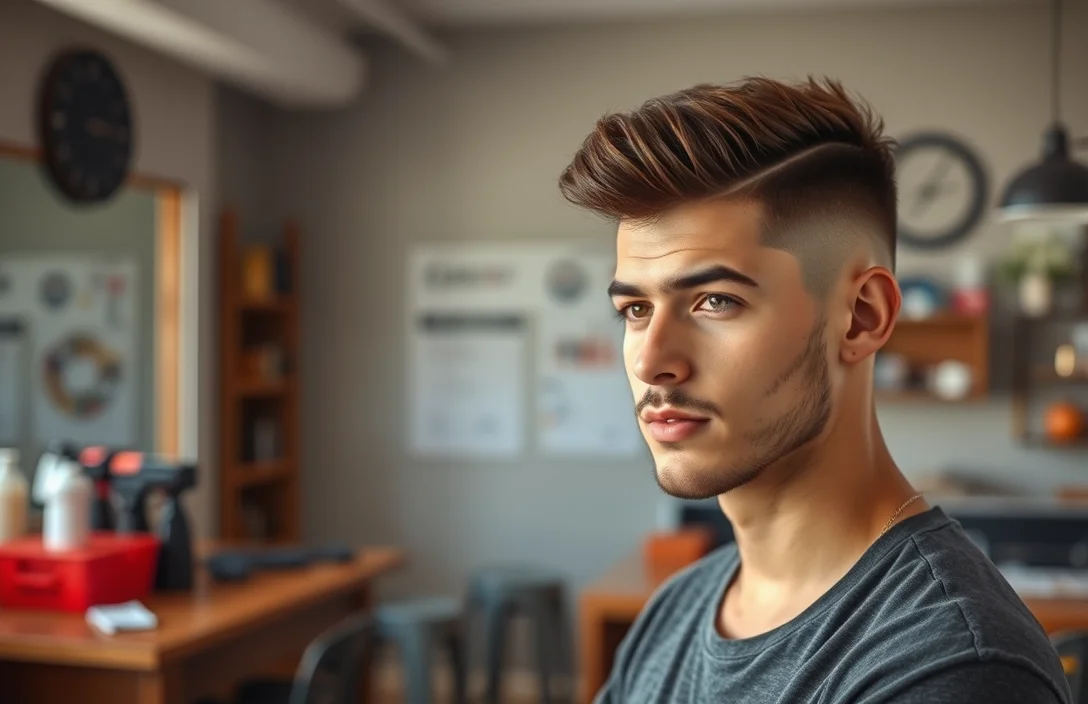
Seventy percent of men choose a fade hairstyle at least once in their lives, making it one of the most popular haircuts. This style blends short hair on the sides and back with longer hair on top, creating a seamless transition that enhances any look.
Fade hairstyles feature various lengths from skin to longer hair, blend seamlessly into one another, and can be styled with different hair types. They allow for versatility, accommodating casual to formal settings effortlessly.
Understanding Types of Fade Hairstyles
Barbers classify fades by height: low, mid, and high dictate where the taper starts and how much contrast appears. Low fade begins just above the ear for subtle contrast; mid starts around the temple for balanced proportion; high starts at the hairline for dramatic contrast. Skin (bald) fades remove hair to bare skin; tapers keep length at nape and around ears.
Select fade height to match face shape and hair density: high fades sharpen short faces and work best with dense hair; low fades suit longer faces and thinner hair; skin fades require weekly upkeep and frequent barber visits to maintain the clean line.
Styling Techniques for Fades
Experimenting with products enhances your fade. Using the right styling products can make a significant difference in how the fade looks and holds throughout the day. For best results, consider the following steps to effectively style your fade.
- Choose a lightweight pomade for shine. Apply a small amount evenly through damp hair to achieve a sleek look. This product allows for flexibility and control, ensuring your fade remains sharp.
- Opt for a matte wax for texture. This option is ideal for a more casual, tousled appearance. Work the wax into dry hair, focusing on the top and front sections for added volume.
- Use sea salt spray for a beachy wave. Mist a light layer on damp hair before styling. The spray adds texture and enhances the natural movement of the hair, making the fade look effortless.
- Incorporate a blow dryer for volume. After applying your chosen product, use a blow dryer on low heat to lift the hair at the roots. This technique creates height and defines the fade more prominently.
- Finish with hairspray for hold. Once your style is set, a light mist of hairspray will keep everything in place without weighing it down. This final step ensures your fade looks fresh throughout the day.
Comparing Fade and Taper Cuts
Fade hairstyles blend seamlessly into shorter hair, creating a smooth transition from longer to shorter lengths. Taper cuts, on the other hand, maintain a more distinct length difference. While both styles reduce hair bulk, fades offer a sharper contrast, giving a more dramatic appearance. Understanding these differences helps in choosing the right style.
Fades are categorized by their gradual blending, starting from the skin up to the longer hair on top. Various fade types include low, mid, and high fades, each offering a unique look and level of boldness. Taper cuts, however, focus on reducing length while keeping the hair on the sides and back longer than a fade would.
Trimming techniques also differ significantly. Fades often require skilled barbers who can execute precise blends using clippers and scissors. Taper cuts provide more leniency, as they can be achieved with less intricate cutting methods. This makes tapers more accessible for quick trims at home or in less specialized settings.
Personal preference plays a critical role in deciding between these styles. If you desire a more striking look with sharp contrasts, a fade may be preferable. For a subtle, polished appearance, a taper cut can serve well. Ultimately, both styles can enhance your overall look, depending on your desired aesthetic.
Ideal Hair Types for Fades
Curly hair types excel with fades. The natural texture adds volume and definition, enhancing the fade’s visual impact. Curls create a distinct contrast between longer hair on top and shorter sides, making the style more dynamic. This is particularly appealing for those wanting to showcase their curls while keeping a clean, modern look.
Straight hair types also suit fades well. With sleek strands, the transition from long to short can appear sharp and precise. This hair type allows for a smooth fade, providing a polished finish that can be styled in various ways, from slicked back to textured looks. Straight hair often requires less maintenance to maintain the cleanliness of the fade.
Wavy hair offers versatility for fades. The natural movement and texture can enhance the styling options available. Waves can contribute to a softer look while still allowing for definition at the fade. This hair type is particularly suitable for those who enjoy a casual, laid-back appearance without sacrificing style.
Thick hair benefits significantly from fade hairstyles. The density of thick locks allows for distinct layering, making the fade more pronounced and stylish. A fade can help reduce bulk, offering a manageable style while still providing a trendy finish. Thick hair types also pair well with various fade designs, from low to high fades.
Maintenance Tips for Fading Styles
Regular maintenance is essential for keeping your fade hairstyle sharp and stylish. Scheduling frequent haircuts will help maintain the clean lines and blended effects that define this look. Most barbers recommend visiting every 2-4 weeks, depending on your hair growth rate and desired appearance.
- Invest in quality hair products. Choosing shampoos and conditioners designed for your hair type will keep your fade healthy and vibrant. Look for products that add moisture without weighing down your hair.
- Use the right styling tools. Combs and pomades specifically formulated for fades enhance your hairstyle while preventing frizz. A good quality pomade can provide hold without making your hair greasy.
- Wash hair regularly but not excessively. Clean hair promotes a healthy fade, but over-washing can strip natural oils. Aim for 2-3 washes per week to keep it fresh without losing moisture.
- Protect your hair from heat. Minimize exposure to heat styling tools, as they can damage hair and affect your fade. If using heat, apply a heat protectant spray beforehand.
- Consult your barber for tips. Seeking professional advice on how to maintain your specific fade will provide tailored strategies. Barbers can recommend techniques and products suitable for your hair type and style.
Fade Hairstyles for Different Genders
Fade hairstyles suit both men and women, providing versatility in styling. For men, popular options include the low, mid, and high fade, each creating distinct looks depending on personal preference. Women can sport fades as well, often combined with longer hair on top for a chic, modern appearance.
Men’s fades work seamlessly with various styles, like pompadours or crew cuts, allowing for easy transitions from casual to formal settings. Experimenting with beard styles can also enhance these looks, creating a polished finish that complements fade designs.
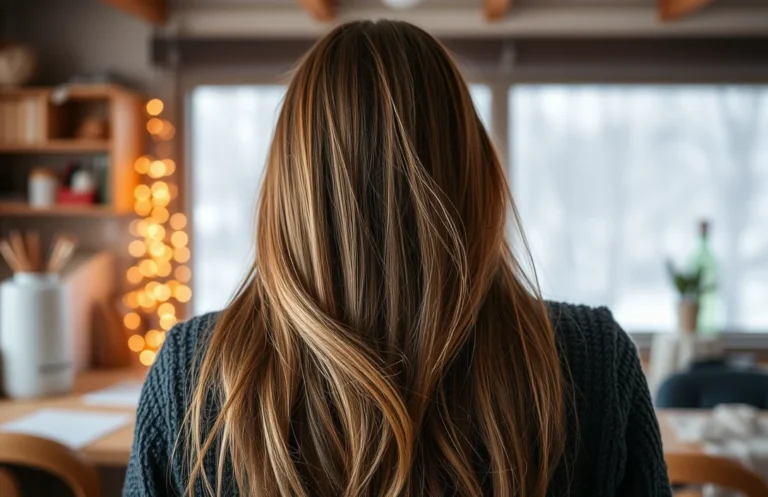
Women often opt for fades to frame their faces, pairing them with textured waves or straight styles. This approach adds depth and movement to the hair, making it an eye-catching choice. Adding color highlights can further elevate the style, bringing out the fade’s unique characteristics.
Creative variations exist, such as the burst fade or skin fade, which can be adapted to suit any gender. These styles offer a fresh take on traditional designs, making them popular among fashion-forward individuals. Regardless of gender, fades provide an opportunity to express personal style while maintaining a clean, sharp look.
Professional vs DIY Fade Approaches
Professionals generally offer precision and expertise that can make a significant difference in the outcome of a fade hairstyle. Their experience allows them to evaluate your hair type, face shape, and desired style, ensuring a tailored result. They also utilize high-quality tools, ensuring smooth transitions and clean lines that might be hard to achieve at home.
DIY approaches often save money but come with risks. Mistakes can lead to uneven fades or accidental buzz cuts, which may require professional correction later. Home kits may include basic clippers that lack the versatility needed for various fade styles, limiting your options. Practicing on your own can be a learning curve, and achieving the perfect fade often takes time and patience.
| Aspect | Professional | DIY |
|---|---|---|
| Skill Level | Expertise and training | Varies; often inexperienced |
| Tools Used | High-quality clippers | Basic home kits |
| Cost | Higher initial investment | Lower cost but potential hidden costs |
| Outcome | Precise, tailored results | Varied results, potential mistakes |
Ultimately, deciding between a professional and DIY approach boils down to your budget, skill level, and desired outcome. For a flawless finish that matches your vision, a professional may be the best route. Alternatively, if you’re willing to learn and experiment, DIY can be a rewarding option.
Quick Summary
- A fade hairstyle involves gradually shortening the hair from the top to the sides and back.
- Fades can be combined with various styles, including crew cuts, pompadours, and undercuts.
- There are different types of fades, including low, mid, and high fades, depending on where the fade starts on the head.
- Fades are versatile and suitable for all hair types and lengths.
- This hairstyle can create a clean and polished look or a more relaxed style, depending on the top styling.
- Regular maintenance is required to keep the fade looking sharp and fresh.
- Fade hairstyles are popular among men and women, often seen as fashionable and trendy.
Frequently Asked Questions
What is a fade hairstyle?
A fade hairstyle is a popular men’s haircut that features a gradual transition from short hair to longer hair, typically on the sides and back. The fade can vary in length and style, ranging from a low, medium, to high fade, depending on personal preference.
How do I choose the right type of fade for my hair type?
The right type of fade depends on your hair texture and the overall look you want to achieve. For thick hair, a high fade can give a clean look, while a low fade might work better for fine hair. Consulting with a barber can help you decide what suits you best.
How often should I get a fade haircut?
To maintain a fresh fade, it’s generally recommended to get a haircut every 2 to 4 weeks. This frequency can vary based on how quickly your hair grows and the specific fade style you choose.
Can I style my hair differently with a fade?
Yes, a fade hairstyle is versatile and can be paired with various styles, such as pompadours, quiffs, or textured crops. Using styling products can help you achieve different looks while maintaining the fade’s sharpness.
Is a fade hairstyle suitable for all face shapes?
A fade can be flattering for most face shapes, but the specific cut and style can enhance certain features. For instance, a fade with longer hair on top can help balance a round face, while a fade with shorter top hair can complement square or oval faces.

- 7 Best Detangling Brushes for Curly Hair: Thick, Fine, Long & Natural Hair - September 25, 2026
- 5 Best Moisturizing Curl Defining Creams for Soft, Defined Curls - September 24, 2026
- Best Curl Creams for Straight Hair: 5 Top Picks for Women - September 24, 2026