Understanding Hair Breakage After Coloring: Causes and Prevention Tips
Forty percent of individuals experience hair breakage after coloring, primarily due to chemical damage. Permanent dyes contain harsh ingredients that disrupt the hair’s natural structure, leading to weakness and brittleness. Understanding this can help you mitigate damage and maintain healthier hair even after coloring.
Coloring can cause hair to break due to chemical exposure, moisture loss, and overprocessing. Frequent dyeing increases the risk of structural damage, while improper aftercare can exacerbate issues. Minimizing these factors is crucial for preserving hair integrity.
Chemical Damage from Dyes
Chemicals in hair dyes can severely weaken hair structure. These products often contain ammonia and peroxide, which are essential for altering hair color but can also strip moisture and essential oils. This damage leads to increased brittleness, resulting in breakage after coloring. Knowing this can help you better manage your hair care routine.
- Ammonia opens hair cuticles aggressively. This process allows color to penetrate but also exposes the inner layers of hair to damage. The cuticle layer serves as protection, and once compromised, hair becomes vulnerable.
- Peroxide lightens hair by breaking down natural pigments. While effective, this process can dehydrate hair, making it more prone to breakage. Regular exposure to peroxide can lead to cumulative damage over time.
- Harsh chemicals strip natural oils. Oil is crucial for maintaining hair’s elasticity and strength. With reduced oil, hair becomes dry and brittle, increasing the likelihood of snapping and splitting.
- Frequent coloring amplifies damage risk. Each coloring session can add up to the cumulative effect of harsh chemicals, resulting in significant structural issues that lead to breakage.
- Coloring techniques matter as well. Methods such as bleaching or permanent coloring can inflict more damage than semi-permanent options. Selecting gentler alternatives can reduce the risk of breakage.
Over-Processing Techniques
Frequent coloring and processing can severely damage hair. Repeated applications of bleach or dye compromise the hair structure, leading to breakage. Each chemical treatment strips moisture and essential oils, weakening strands. Limiting the frequency of these treatments is crucial for maintaining hair health.
- Minimize chemical treatments to every 6-8 weeks. Give hair time to recover from each processing session.
- Opt for semi-permanent dyes instead of permanent options. Semi-permanent formulas are less damaging and gradually fade without harsh chemicals.
- Incorporate bond-building treatments into your hair care routine. Products containing ingredients like olaplex can help repair and strengthen damaged strands.
- Consult a professional stylist for color services. Experts can assess hair condition and recommend suitable techniques that reduce breakage risk.
- Use heat protection products when styling post-coloring. Protecting hair from heat can prevent additional damage and maintain integrity.
Balancing color treatments with restorative practices is essential. Prioritizing hair health over frequent changes helps maintain its strength and appearance.
Moisture Loss After Coloring
Coloring hair often strips essential moisture, making strands brittle and prone to breakage. The chemicals in hair dye disrupt the hair’s natural moisture balance, leading to dryness. This moisture loss is a significant factor contributing to hair damage after the coloring process. Protecting hair’s hydration is crucial for maintaining its strength and integrity.
- Hydrate before coloring: Apply a deep conditioning treatment a day or two before coloring. This practice prepares hair by infusing moisture, which can help mitigate the drying effects of hair dye.
- Choose quality products: Select hair dyes that contain moisturizing ingredients such as oils or butters. These formulations help to reduce moisture loss during the coloring process.
- Limit heat exposure: Avoid using heat styling tools immediately after coloring. Heat can exacerbate moisture loss, so allow hair to air dry whenever possible.
- Monitor water temperature: Use lukewarm water when washing hair post-coloring. Hot water can strip hair of moisture, while cooler water helps preserve hydration.
- Incorporate leave-in treatments: Regularly use leave-in conditioners or moisture sprays specifically designed for colored hair. These products provide ongoing hydration and help maintain moisture levels.
Improper Aftercare Practices
Neglecting proper hair care significantly contributes to breakage after coloring. Post-coloring, hair becomes more vulnerable and requires specific attention to maintain its integrity. Skipping essential steps in your aftercare routine can lead to increased damage and dryness, exacerbating the issue of hair breakage.
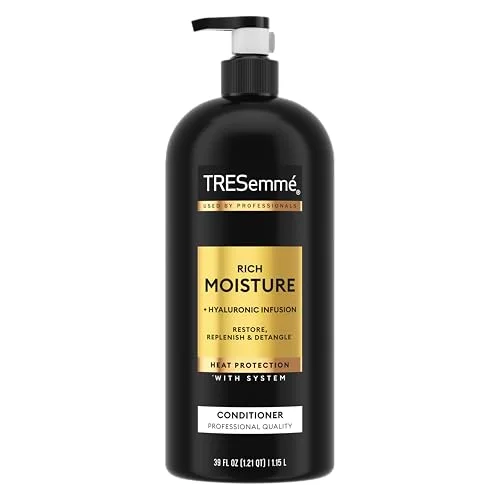
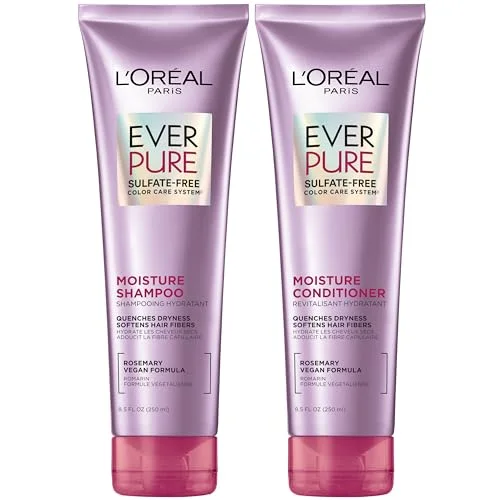
Moisturizing products play a crucial role in aftercare. Regularly using shampoos and conditioners formulated for color-treated hair helps maintain moisture levels. Look for products containing hydrating ingredients like argan oil or shea butter, as these can help replenish lost moisture and protect the hair from further damage.
Avoiding heat styling tools is equally important. Excessive heat can exacerbate damage, especially on color-treated hair. If you must use heat, always apply a heat protectant beforehand. This will create a barrier that reduces the potential for breakage while allowing you to achieve your desired style.
Regular trims also contribute to maintaining hair health. Cutting off split ends prevents them from traveling up the hair shaft, which can lead to more extensive damage. Aim for a trim every 6-8 weeks to keep your hair looking vibrant and healthy.
Consistent deep conditioning treatments are vital for repairing and nourishing colored hair. Incorporate a deep conditioning mask into your routine at least once a week to restore moisture and strengthen your strands, significantly reducing the risk of breakage.
Heat Styling Effects
Heat styling tools can significantly worsen hair health after coloring. Excessive use of blow dryers, flat irons, or curling wands can strip moisture from hair, making it brittle and prone to breakage. Even healthy hair can suffer when exposed to high temperatures, especially after undergoing chemical processes like coloring.
- Limit heat exposure immediately. Reducing the frequency of heat styling can help hair recover and maintain its strength. Aim to style hair with heat only once or twice a week.
- Choose lower temperature settings. If heat styling is necessary, select the lowest effective temperature. Using lower heat minimizes damage while still achieving desired styles.
- Invest in heat protectants. Apply a quality heat protectant spray before styling. These products coat the hair and provide a barrier against heat damage, helping to preserve moisture.
- Opt for air drying techniques. Allow hair to air dry whenever possible. Natural drying reduces the need for heat and supports healthier hair in the long run.
- Incorporate conditioning treatments. Deep conditioning or hydrating masks can replenish moisture lost due to heat styling. Regular treatments strengthen and nourish hair, reducing breakage risk.
Allergic Reactions to Products
Allergic reactions to hair products can significantly contribute to hair breakage. Sensitivities to ingredients found in dyes, shampoos, and conditioners may lead to scalp irritation, which ultimately weakens hair strands. Recognizing these reactions is crucial in preventing further damage.
- Identify symptoms of allergies. Redness, itching, or swelling on the scalp indicates a possible allergic reaction. Pay close attention to any changes after applying new products.
- Discontinue use of offending products. If symptoms arise after coloring, stop using the product immediately to prevent additional irritation and damage.
- Consult a dermatologist or allergist. Professional evaluation can help identify specific allergens and suggest alternative products that are safer for your hair and scalp.
- Opt for hypoallergenic products. Choosing dyes and hair care items designed for sensitive skin can minimize the risk of allergic reactions and potential breakage.
- Perform patch tests regularly. Testing new products on a small skin area before full application can help prevent allergic reactions that lead to breakage.
Addressing allergic reactions promptly is essential in maintaining hair health. Ignoring symptoms can lead to chronic issues, resulting in significant hair breakage after coloring.
Genetic Factors in Hair Health
Genetics significantly influences hair strength and resilience. People with a family history of hair breakage may find their strands more prone to damage, especially after coloring. Genetic predispositions can determine hair structure, porosity, and overall health. Understanding these factors helps in managing expectations and implementing preventive measures.
- Analyze your hair type and texture. Different hair types exhibit varying susceptibility to breakage. For instance, fine hair may be more fragile compared to coarse hair.
- Conduct a strand test before coloring. This test helps gauge how your hair responds to products and processes, giving insight into its strength.
- Monitor family trends in hair health. If relatives experience breakage after coloring, consider consulting a professional for tailored advice.
- Implement a personalized hair care regimen. Focus on moisturizing, strengthening treatments, and gentle handling to fortify your hair against potential damage.
- Seek professional guidance when coloring. A stylist can recommend techniques and products suited to your genetic hair characteristics, minimizing the risk of breakage.
Quick Summary
- Hair color treatments can strip natural oils, leading to dryness.
- Chemicals in hair dye may weaken hair structure, making it more prone to breakage.
- Frequent coloring can accumulate damage over time, resulting in brittle hair.
- Improper application techniques can cause additional stress on hair strands.
- Using heat styling tools after coloring can exacerbate hair damage.
- Inadequate aftercare, such as not using hydrating products, can worsen breakage.
- Regular trims can help manage split ends and maintain healthier hair post-coloring.
Frequently Asked Questions
Why does hair break after coloring?
Hair can break after coloring due to the chemical processes involved in altering its structure. These chemicals can strip moisture and weaken the hair shaft, making it more prone to damage.
What factors increase the risk of hair breakage after coloring?
Factors such as the hair’s natural texture, porosity, and previous damage can increase the risk of breakage. Additionally, using harsh or high-volume developers can exacerbate the problem.
How can I minimize hair breakage when coloring?
To minimize breakage, consider using a high-quality hair dye with conditioning agents and avoid frequent coloring. Additionally, ensure to use deep conditioning treatments before and after the coloring process.
Is it safe to color damaged hair?
Coloring damaged hair is not recommended as it can worsen the existing issues. If your hair is already compromised, it is advisable to focus on repairing it before applying any color treatments.
What should I do if my hair has already started breaking after coloring?
If your hair is breaking, it’s essential to stop any further chemical treatments and focus on hydration and repair. Use protein treatments, and consult a professional stylist for personalized advice on restoring your hair’s health.

- What To Avoid After Prp Hair Treatment? - August 28, 2026
- What Is The Malibu Treatment For Hair? - August 27, 2026
- What Is Malibu Hair Treatment? - August 27, 2026