Understanding Hair Breakage When Wet: Causes and Prevention Tips
Seventy percent of hair’s strength comes from its internal structure, which becomes weakened when wet. This leads to increased breakage, especially if hair is manipulated or styled while damp. Understanding this phenomenon is crucial for maintaining healthy hair and preventing unnecessary damage.
Wet hair is particularly fragile due to increased elasticity, swelling of the hair shaft, and weakened hydrogen bonds. These factors combine to make hair more susceptible to breakage and split ends if not handled with care.
Hydration Levels and Hair Strength
Moisture plays a crucial role in maintaining hair strength. Hair absorbs water and swells, which can lead to structural changes. Excessive hydration can weaken the hair shaft, making it more prone to breakage. Understanding how hydration affects hair is essential for preventing damage.
- Hair consists of a protein structure called keratin, which can become fragile when overly hydrated.
- High moisture content can disrupt the internal hydrogen bonds, weakening the hair’s integrity.
- Wet hair is more elastic but also more susceptible to stretching and snapping when pulled.
- Heat styling tools can exacerbate breakage by further compromising the moisture balance in hair.
- Regular deep conditioning treatments can help maintain a healthy moisture level, reducing the risk of breakage.
Monitoring hydration levels is vital for maintaining healthy hair. Use products specifically formulated to strengthen and protect hair when it is wet, ensuring that moisture enhances rather than harms its structure.
Cuticle Damage from Water Exposure
Water exposure leads to cuticle damage, significantly impacting hair integrity. The hair cuticle, a protective outer layer, becomes more vulnerable when wet, making it easier for breakage to occur. Understanding this mechanism is crucial for maintaining healthy hair, especially for individuals with textured or chemically treated strands.
- Hydration weakens the cuticle structure. Water causes the cuticle to swell, creating stress on its bonds. This increased flexibility can lead to lifting and separation.
- Prolonged exposure exacerbates damage. Extended periods of wetness, such as during swimming or showering, can weaken the cuticle, resulting in frizz and split ends.
- Temperature influences cuticle integrity. Hot water can strip natural oils, making hair even more susceptible to damage. Opting for lukewarm water is a beneficial strategy.
- Products can enhance protection. Using leave-in conditioners or specialized treatments can create a barrier, reducing cuticle exposure to water and minimizing harm.
- Drying techniques matter. Rubbing hair with a towel can cause further cuticle damage. Instead, gently patting or using a microfiber cloth is advisable for effective drying.
Mechanical Stress When Wet
Handling wet hair can lead to significant physical damage. The structure of hair becomes weakened due to the absorption of water, making it more susceptible to breakage. Mechanical stress occurs as you brush, style, or manipulate damp strands. Understanding how to manage wet hair properly can help prevent this type of damage.
- Use a wide-tooth comb immediately. Wet hair is fragile, so opt for a wide-tooth comb to gently detangle. Start from the ends and work your way up to minimize tugging.
- Pat dry instead of rub. Instead of vigorously rubbing hair with a towel, gently pat it dry to reduce friction. This method helps to preserve the hair’s integrity and prevent breakage.
- Limit heat styling on wet hair. Heat can exacerbate damage, so avoid using hair dryers, curling irons, or straighteners on damp hair. Allow hair to air dry when possible to maintain its strength.
- Consider protective hairstyles. If you need to manage wet hair, opt for loose braids or buns that minimize tension on the hair shaft. This approach reduces the risk of breakage while keeping hair secure.
- Trim regularly to maintain health. Keeping hair well-trimmed helps manage split ends and overall health, especially after exposure to water and mechanical stress.
Chemical Treatments and Wet Hair
Chemical treatments like coloring can weaken hair, especially when wet. Wet hair is more porous and vulnerable, making it susceptible to damage during and after the treatment process. To minimize breakage, consider these steps:
- Apply treatments on dry hair. Applying color or chemical solutions to dry hair reduces the risk of swelling and minimizes damage.
- Use gentle formulas. Opt for hair products that are specifically designed for fragile or processed hair to help maintain integrity.
- Limit exposure time. Follow the recommended timing for applications to avoid over-processing, which can lead to increased breakage.
- Conduct strand tests. Always perform a strand test before applying a new treatment to assess the hair’s reaction and determine the safest method.
- Moisturize regularly. Use conditioners and hair masks frequently to restore moisture and strengthen hair after chemical treatments.
Paying attention to these factors can significantly reduce the risk of hair breakage when wet, especially during chemical treatments. Protecting your hair’s health ensures that it remains vibrant and resilient.
Temperature Effects on Wet Hair
Heat exposure significantly impacts wet hair’s stability. High temperatures can weaken hair strands, making them more prone to breakage. Wet hair is already in a vulnerable state, and the application of heat exacerbates this issue. Avoiding heat is crucial for maintaining hair integrity.
- Keep hair away from hot tools. Heat styling tools like flat irons and curling wands should never be used on wet or damp hair. Always ensure hair is completely dry before styling.
- Use lower temperature settings when styling. If you must use heat, opt for the lowest effective temperature. This minimizes damage while allowing you to achieve your desired style.
- Apply heat protectant products. Before using any heat source, apply a quality heat protectant. These products create a barrier that reduces moisture loss and shields hair from damage.
- Limit exposure time to heat. Prolonged heat exposure can lead to severe damage. Style your hair efficiently to minimize the duration of heat application.
- Consider alternative styling methods. Embrace no-heat styling techniques like braiding or twisting to achieve waves or curls. These methods prevent damage associated with heat use.
pH Balance and Hair Integrity
Maintaining optimal pH levels is crucial for healthy hair. Hair’s natural pH typically ranges from 4.5 to 5.5. When hair is wet, its cuticles lift, making it more susceptible to damage if exposed to high pH products. Using products with a balanced pH helps maintain hair’s integrity and reduces breakage risk.
Chemical treatments often disrupt pH balance. Hair relaxers, dyes, or perms can raise the pH, weakening hair structure. Opting for color-safe or pH-balanced shampoos and conditioners aids in restoring the natural balance. Regular use of such products significantly supports hair health.
Monitoring water quality can also impact pH levels. Hard water, rich in minerals, can increase hair’s pH and lead to brittleness. Installing a water filter or using chelating shampoos can help mitigate this issue, keeping hair’s pH in check even after washing.
Incorporating acidic rinses can enhance hair health. Rinsing with apple cider vinegar or lemon juice after washing can lower the pH, closing cuticles and enhancing shine. Such practices protect against breakage while promoting overall hair vitality.
Protective Products for Wet Hair
Silicone-based serums effectively coat hair strands. These products create a protective barrier, reducing moisture absorption that leads to breakage. Apply a small amount to damp hair before styling to enhance strength and minimize damage. Look for serums that contain dimethicone or cyclopentasiloxane for optimal results.
Leave-in conditioners offer hydration and protection. Formulated to remain in the hair, these products help retain moisture without the risk of the hair swelling and becoming fragile. Apply generously after washing, focusing on mid-lengths and ends, to improve manageability and reduce the likelihood of breakage.
Heat protectants are essential for styling. Before using any heat tools, spray a heat protectant to shield the hair from high temperatures. Choose sprays with ingredients like argan oil or keratin, as they not only protect but also nourish the hair, making it less susceptible to damage.
Moisture-locking oils can enhance hair health. Oils such as jojoba or coconut penetrate the hair shaft, providing essential nutrients. Use them sparingly on wet hair to seal in moisture and reduce the risk of breakage during the drying process.
Quick Summary
- Wet hair is more fragile than dry hair due to its increased elasticity.
- Water disrupts the hydrogen bonds in hair, making it weaker.
- Over-washing can strip natural oils, leading to dryness and brittleness.
- Using harsh shampoos or hot water can exacerbate hair damage when wet.
- Rough drying methods, like vigorous towel drying, can cause breakage.
- Heat styling tools applied to wet hair can lead to severe damage.
- Proper conditioning and gentle handling can help minimize breakage.
Frequently Asked Questions
Why does hair become weaker when wet?
When hair is wet, its structure changes, making it more elastic and prone to stretching. This increased elasticity can lead to breakage if the hair is pulled or manipulated too harshly while damp.
How can I prevent my hair from breaking when it’s wet?
To prevent breakage, avoid brushing or combing wet hair aggressively. Use a wide-tooth comb and be gentle, starting from the ends and working your way up to minimize tension on the hair shaft.
Does the type of hair affect how it breaks when wet?
Yes, different hair types have varying levels of strength and elasticity. Curly or textured hair may be more susceptible to breakage when wet, so it requires extra care and hydration to maintain its health.
What products can help strengthen hair to reduce breakage?
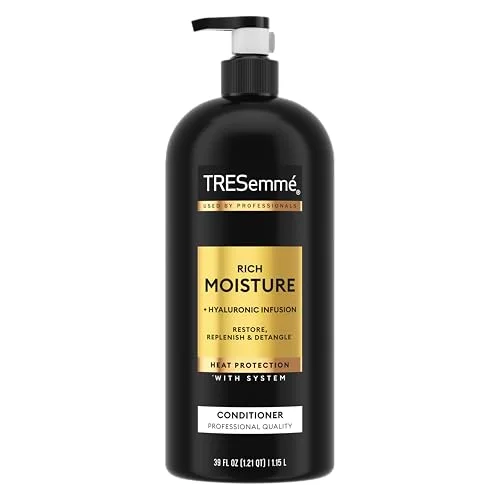
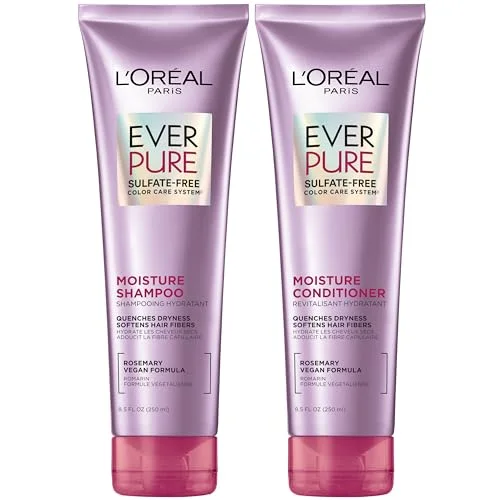
Using conditioners and hair masks that contain protein can help strengthen hair and reduce breakage. Additionally, incorporating leave-in treatments or oils can provide moisture and protection while the hair is wet.
Is it better to let my hair air dry or use a blow dryer to avoid breakage?
Air drying is generally gentler on the hair compared to blow drying, especially if towel drying is done carefully. However, if you must use heat, always apply a heat protectant spray to minimize damage.