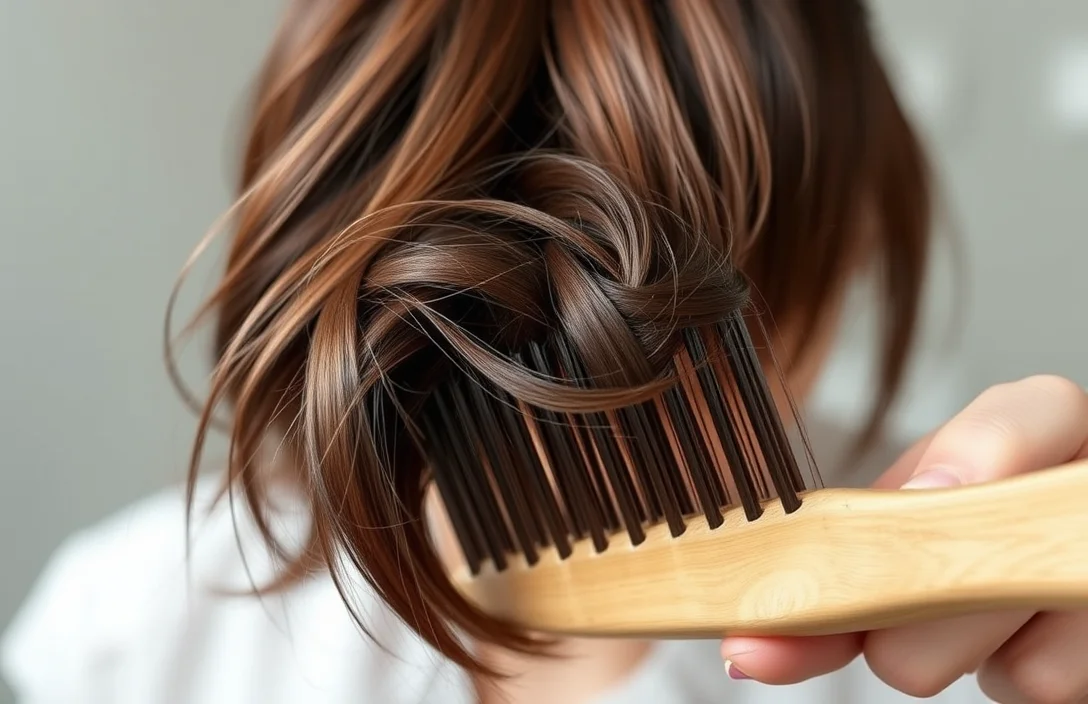
Understanding Hair Breakage: Causes and Solutions During Combing
Approximately 40% of individuals experience hair breakage during combing due to various factors. Understanding these causes can help you take preventive measures and maintain healthier hair. Ignoring this issue may lead to more significant damage and hinder your hair care efforts.
Hair breaks during combing primarily because of weak strands, improper techniques, and environmental factors. Utilizing the right tools and methods can significantly reduce breakage, ensuring your hair remains strong and vibrant.
Dry and Damaged Hair
Dryness significantly increases hair breakage during combing. Lack of moisture makes strands brittle, leading to splits and frays. When hair loses its natural oils, it becomes less flexible and more prone to damage. Maintaining hydration is essential to prevent these issues.
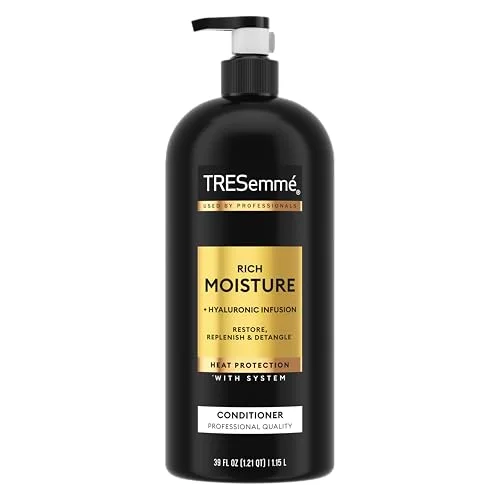
- Invest in quality moisturizers. Opt for conditioners that specifically target dry hair, providing deep hydration and nourishment.
- Incorporate leave-in treatments. These products help retain moisture throughout the day, reducing brittleness and enhancing manageability.
- Limit heat styling tools. Excessive heat exacerbates dryness, so minimize the use of blow dryers, curling irons, and straighteners.
- Stay hydrated. Drinking enough water daily supports overall hair health and moisture retention, combating dryness from within.
- Consider regular trims. Cutting off damaged ends prevents further splitting, promoting healthier growth and reducing breakage risk.
Improper Combing Techniques
Pulling hair aggressively causes breakage. Many people make the mistake of yanking through knots without gentle care. This force can damage the hair shaft and lead to split ends. Instead, always start at the ends and gradually work your way up to minimize tension on the roots.
Using the wrong tools contributes significantly. Brushes with stiff bristles or fine-toothed combs can snag and tear hair. Opt for wide-toothed combs or brushes designed for detangling. These are specifically made to glide through hair without causing unnecessary stress.
Combing wet hair often results in damage. Hair is most vulnerable when wet and can stretch beyond its limits. Always ensure hair is either dry or damp before combing, and apply a good leave-in conditioner for added protection and slip.
Skipping regular maintenance leads to problems. Neglecting trims can result in split ends, making hair more prone to breakage during combing. Regularly schedule haircuts every 6-8 weeks to keep your ends healthy and manageable.
Failing to section hair properly causes issues. Combing all your hair at once can lead to tangles and breakage. Divide hair into smaller sections, especially if it’s thick or curly. This technique allows for more effective and gentle detangling.
Hair Texture and Type
Hair texture significantly influences breakage risk during combing. Different types—straight, wavy, curly, and coily—respond uniquely to mechanical stress. For instance, curly hair often tangles more easily, increasing the likelihood of breakage. Understanding how each texture behaves can help in selecting appropriate combing techniques and tools that minimize damage.
- Straight hair typically requires fewer detangling efforts. Use wide-toothed combs to avoid unnecessary tension.
- Wavy hair benefits from gentle combing techniques. Start from the ends and work upwards to prevent snags.
- Curly hair often demands a more patient approach. Utilize your fingers to detangle before using a comb, reducing potential breakage.
- Coily hair is the most fragile and should be combed when wet and conditioned. This reduces friction and enhances elasticity.
Recognizing these differences allows for tailored hair care routines that prioritize health and reduce breakage during the combing process. Tailoring techniques to specific hair types enhances overall hair resilience.
Use of Harsh Products
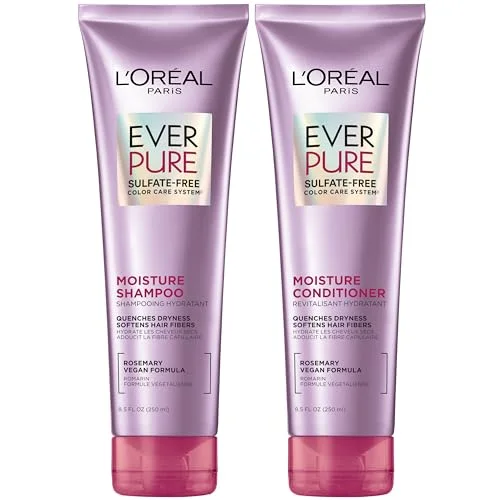
Harsh products can significantly weaken hair, leading to breakage during combing. Many shampoos and conditioners contain sulfates, alcohol, or parabens, which strip natural oils and moisture. Opting for gentler, sulfate-free alternatives will maintain hair health and reduce the risk of damage.
Coloring agents and chemical treatments also contribute to hair fragility. Permanent dyes often contain ammonia and other aggressive ingredients that compromise the hair’s structure. Choosing semi-permanent or ammonia-free dyes can minimize damage.
Heat styling tools exacerbate hair breakage as well. Frequent use of flat irons and curling wands can dry out strands, making them brittle. Reducing heat application and using heat protectants will help preserve hair integrity while styling.
Specialized treatments like deep conditioners and hair masks can counteract the effects of harsh products. Incorporating these treatments into your hair care routine will provide moisture and strengthen the hair cuticle. Regular use of nourishing formulas can make hair more resilient against breakage.
Environmental Factors
Climate conditions and pollution significantly impact hair health, leading to breakage during combing. High humidity levels can cause hair to swell and become more prone to damage, while dry climates strip moisture from the strands, increasing brittleness. Pollution introduces harmful particles that can weaken hair structure, making it essential to protect your locks from these external aggressors.
- Humidity affects hair elasticity. High humidity can make hair swell, increasing its susceptibility to breakage. Using anti-humidity products can help maintain hair’s integrity.
- Dry air leads to brittleness. In arid conditions, hair loses moisture rapidly, resulting in fragile strands. Incorporate hydrating treatments into your routine to combat dryness.
- Pollution damages hair cuticles. Particles from environmental pollutants can cling to hair, leading to weakening and breakage. Regular cleansing with clarifying shampoos can help remove these impurities.
- UV exposure can weaken strands. Prolonged sun exposure can damage hair proteins, leading to increased fragility. Wearing hats or using UV-protectant sprays can shield your hair from harmful rays.
- Seasonal changes impact hair health. Different seasons bring varying levels of moisture and temperature. Adjust your hair care routine according to the season to maintain optimal health.
Lack of Moisture and Nutrition
Moisture and nutrition play crucial roles in maintaining hair integrity. Hydrated hair is less prone to breakage during combing. Incorporating hydrating products like leave-in conditioners or oils can significantly improve moisture levels, making strands more resilient against mechanical stress.
Nutrition also contributes to hair strength. Essential nutrients such as proteins, vitamins A, C, D, E, and minerals like zinc and iron are vital for healthy hair growth. Consuming a balanced diet rich in these components helps fortify hair from within, reducing its susceptibility to damage.
Regularly drinking sufficient water hydrates not only the body but also the hair. Dehydration can lead to dry, brittle strands that break easily, especially during combing. Aim for at least eight glasses of water daily to support overall hair health.
Using hair masks infused with moisturizing ingredients such as honey or avocado can boost hydration levels. Apply these treatments weekly to maintain optimal moisture balance, helping to prevent breakage when styling or combing.
Consider supplements if your diet lacks essential nutrients. Biotin and omega-3 fatty acids can enhance hair health and minimize breakage. Regular intake of these supplements can promote stronger, more resilient hair, reducing the likelihood of damage during daily grooming.
Combing Frequency and Timing
Optimal hair health requires specific combing practices. Frequent combing can lead to breakage, especially if done inappropriately. Establishing a routine that respects your hair type and condition is essential for maintaining its integrity. Combing too often or at the wrong times can exacerbate damage. Here are steps to ensure you are combing effectively:
- Limit daily combing sessions. Reducing the frequency to once or twice a day minimizes stress on the strands. Over-combing can lead to friction and damage, particularly for fragile hair types.
- Choose the right time for combing. Preferably, comb after washing your hair when it is damp. Wet hair is more pliable and less likely to break compared to dry hair.
- Implement gentle techniques during combing. Start from the ends and work your way up to avoid pulling on the roots. This method decreases the risk of breakage during the process.
- Incorporate detangling products. Utilizing sprays or leave-in conditioners can make the combing process smoother, reducing friction and helping to prevent breakage.
- Adjust your combing method. Opt for wide-toothed combs or brushes designed for detangling. These tools reduce the risk of snagging and pulling, which are common causes of hair damage.
Prioritizing the right frequency and timing during combing promotes healthier hair. Following these guidelines will help minimize breakage and maintain the overall health of your hair.
Quick Summary
- Hair can break during combing due to physical damage from rough handling.
- Wet hair is more fragile and prone to breakage, making gentle drying essential.
- Using the wrong type of comb or brush can increase the risk of hair breakage.
- Lack of moisture and dryness can weaken hair, leading to increased breakage.
- Regular use of heat styling tools can damage hair structure, making it more susceptible to breaking.
- Health factors like nutritional deficiencies can affect hair strength and resilience.
- Infrequent haircuts can lead to split ends, contributing to breakage during combing.
Frequently Asked Questions
Why does hair break during combing?
Hair can break during combing due to several factors including lack of moisture, excessive heat styling, and using the wrong type of comb. When hair is dry and brittle, it becomes more susceptible to breakage.
What types of combs are best for preventing hair breakage?
Wide-toothed combs are generally better for detangling hair without causing breakage. Additionally, using combs made of materials like wood or plastic can minimize static and friction, which helps protect the hair.
How can I reduce hair breakage while combing?
To reduce hair breakage, always comb your hair when it’s damp and use a leave-in conditioner or detangling spray. Start combing from the tips and work your way up to the roots to gently remove tangles.
Is there a specific technique to comb my hair to avoid breakage?
Yes, use slow and gentle strokes to avoid pulling on tangles. Sectioning your hair and combing one section at a time can also help minimize strain on the hair and reduce breakage.
Can hair products contribute to breakage during combing?
Certain hair products, particularly those that contain alcohol or harsh chemicals, can dry out hair and contribute to breakage. It’s important to choose products that are hydrating and suitable for your hair type to maintain its health.