Understanding Hair Breakage: Key Reasons for Ends Breaking and Prev…
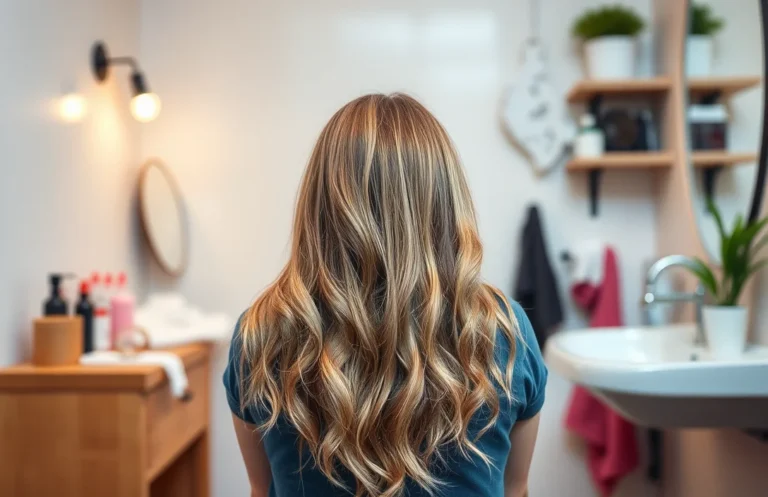
Seventy percent of women report experiencing hair breakage, particularly at the ends. This common issue can result from various factors, including environmental stressors, product choices, and hair care habits. Understanding these reasons is crucial for maintaining healthy hair and preventing further damage.
Breakage occurs due to dryness, heat damage, and chemical exposure. Additional causes include over-brushing, lack of moisture, and improper hair care techniques. Identifying these factors will help you implement effective strategies to reduce hair breakage.
Dry Hair and Split Ends
Lack of moisture directly causes hair breakage at the ends. When hair becomes dry, the cuticle layer, which protects the inner structure, becomes damaged. As a result, the hair loses elasticity and strength, making it more susceptible to splitting and breaking off. Maintaining proper hydration is essential for healthy hair.
- Apply leave-in conditioners regularly. These products provide an extra layer of moisture that can help combat dryness and prevent breakage.
- Incorporate hydrating hair masks weekly. Masks formulated with natural oils and ingredients like shea butter or argan oil can restore essential moisture and improve hair strength.
- Limit heat styling tools. Excessive use of blow dryers, curling irons, and straighteners can exacerbate dryness, leading to split ends.
- Use a humidifier indoors. Dry air, particularly in winter months, can strip moisture from hair. A humidifier adds moisture back into the environment, benefiting hair health.
- Drink sufficient water daily. Hydration starts from within, so ensuring adequate water intake supports overall hair moisture levels.
Chemical Damage Effects
Chemical treatments weaken hair significantly. Frequent use of dyes, perms, or relaxers alters the hair’s structure, leading to fragile ends. These processes strip natural oils and proteins, which are essential for maintaining hair strength. This damage often results in breakage at the ends, where hair is already more vulnerable.
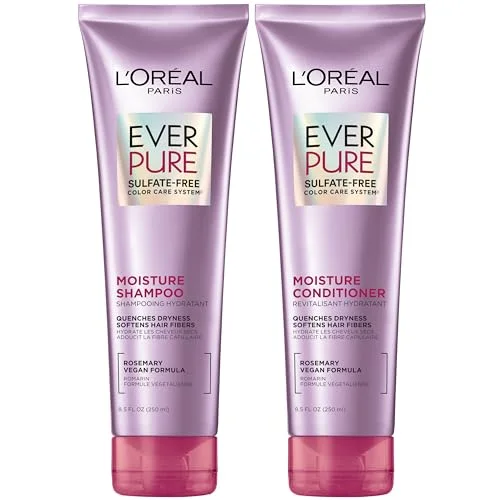
- Cleansing agents in shampoos can exacerbate damage. Look for sulfate-free formulas to maintain moisture levels.
- Color treatments should be spaced out. Allowing time between applications helps hair recover and retains moisture.
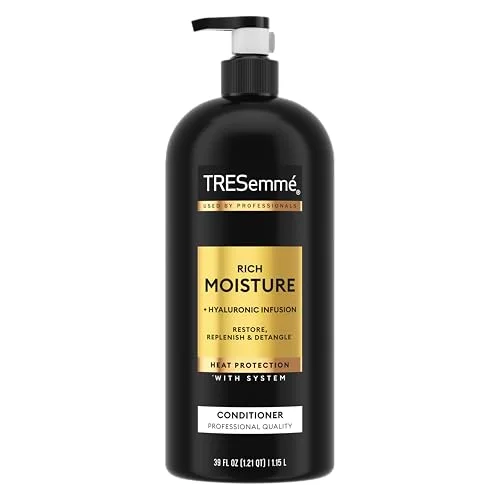
- Deep conditioning treatments are essential. Use them weekly to restore protein and moisture balance, enhancing resilience.
- Consult a professional before significant changes. Stylists can recommend safer alternatives tailored to your hair type.
- Limit chemical exposure when possible. Opt for natural or less damaging alternatives to maintain hair integrity.
Heat Styling Consequences
Excessive heat application damages hair. Frequent use of styling tools like flat irons, curling wands, and blow dryers causes the hair cuticle to weaken, resulting in split ends and breakage. Maintaining the health of your hair requires mindful heat styling practices to prevent undesirable consequences.
- Limit heat exposure to once weekly. Reducing the frequency with which you use heat styling tools can significantly lessen the risk of damage at the ends.
- Opt for lower temperature settings. Using a lower heat setting can help maintain your hair’s integrity while still achieving the desired style.
- Incorporate heat protectants into your routine. Applying a heat protection spray or serum before styling creates a barrier that shields your strands from high temperatures.
- Air dry whenever possible. Allowing hair to dry naturally minimizes exposure to heat, promoting healthier ends.
- Invest in quality styling tools. Professional-grade tools often come with better heat control, reducing the risk of damaging your hair.
Mechanical Stress Factors
Brushing and tying hair tightly can significantly contribute to breakage at the ends. Excessive pulling or friction on the hair strands weakens them, making them more susceptible to damage. This mechanical stress often leads to split ends and overall fragility. Understanding how to mitigate these factors can help maintain healthier hair.
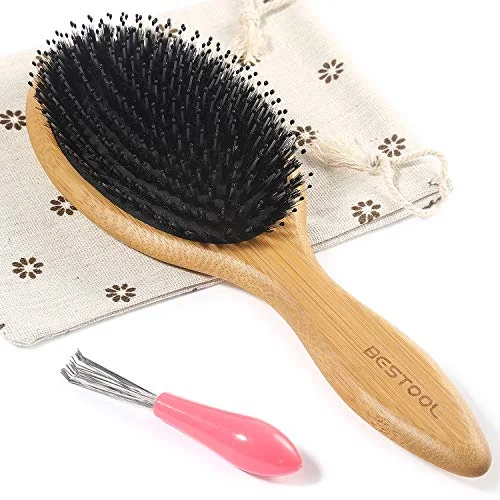
- Gentle brushing techniques are essential. Use a wide-tooth comb or a brush designed to minimize breakage, working from the ends upward to detangle without force.
- Loose hairstyles are preferable. Tight ponytails, braids, or buns can create stress on the hair shafts, leading to breakage. Opt for loose styles and use soft hair ties.
- Regularly trimming ends helps. Schedule trims every six to eight weeks to remove split ends and prevent further damage from traveling up the hair shaft.
- Protective styles can reduce wear. Styles like twists or braids provide coverage and minimize exposure to environmental damage, but ensure they aren’t too tight.
- Moisturizing products are crucial. Hydrating your hair with leave-in conditioners or oils can create a protective barrier, reducing friction during styling and everyday activities.
Options for why does hair break at the end
Environmental factors play a significant role in hair condition. Sun exposure, pollution, and harsh weather can weaken hair strands, leading to breakage at the ends. These elements strip moisture and natural oils from hair, making it brittle and prone to damage. Protecting hair from external stressors is essential for maintaining its health.
- Sun exposure damages hair cuticles. UV rays break down keratin, causing ends to weaken. Wearing hats or using UV protectant sprays can shield hair from harmful rays.
- Pollution coats hair with dirt and chemicals. These pollutants can infiltrate the hair shaft and weaken it over time. Washing hair regularly and using clarifying shampoos can help remove buildup.
- Harsh weather conditions, such as extreme heat or cold, contribute to hair dryness. Cold air can dehydrate strands, while humidity can lead to frizz. Moisturizing products and protective hairstyles can mitigate these effects.
- Chlorine from pools can damage hair. This chemical can strip away natural oils and lead to discoloration and breakage. Rinsing hair with clean water before swimming can reduce chlorine absorption.
- Wind can create friction and tangles. This mechanical stress on hair can cause ends to split. Using leave-in conditioners or anti-frizz serums can help minimize tangling and protect hair.
Nutritional Deficiencies Role
Poor nutrition directly impacts hair health. Essential vitamins and minerals are crucial for maintaining strong hair strands. A lack of specific nutrients can lead to weakened hair, making it more susceptible to breakage, particularly at the ends. Focusing on diet can significantly improve hair resilience and overall appearance.
- Vitamin A deficiency weakens hair. It plays a vital role in cell growth and repair. Include foods like carrots and sweet potatoes to boost intake.
- B vitamins support hair’s strength and shine. Biotin, in particular, is known for promoting hair growth. Incorporate eggs, nuts, and whole grains into meals.
- Vitamin C aids in collagen production. This protein is essential for hair structure. Citrus fruits, strawberries, and bell peppers are excellent sources.
- Iron is crucial for oxygen transport. Insufficient iron can lead to hair loss and breakage. Red meat, spinach, and lentils are great options.
- Omega-3 fatty acids nourish hair follicles. These healthy fats can improve scalp health and reduce dryness. Fatty fish, flaxseeds, and walnuts should be part of the diet.
Infrequent Trimming Effects
Regular trims prevent split ends and overall breakage. Cutting hair every 6 to 8 weeks removes damaged tips, which can travel up the strand and cause more extensive issues. Performing this simple maintenance keeps your hair healthier and reduces the risk of breakage at the ends.
Ignoring haircuts leads to accumulative damage. As hair grows, the ends become more exposed to environmental stressors, heat styling, and chemical treatments. By neglecting trims, you allow these factors to weaken the hair shaft, increasing the likelihood of breakage.
Scheduling consistent appointments with a stylist ensures your hair remains in optimal condition. Professionals can assess your hair’s health and recommend the appropriate length for trimming based on your hair type and lifestyle. This proactive approach is essential in combating breakage.
Maintaining a healthy hair routine complements regular trims. Use nourishing products that enhance strength and moisture, as they work in conjunction with periodic cuts. Consider incorporating a weekly deep conditioning treatment to further support your hair’s resilience against breakage.
Quick Summary
- Hair breakage at the ends often results from dryness and lack of moisture.
- Over-processing with chemical treatments can weaken hair structure.
- Excessive heat styling damages the hair cuticle, leading to brittleness.
- Environmental factors, such as sun exposure and pollution, can contribute to hair deterioration.
- Improper hair care practices, like rough towel drying or using the wrong hair products, can exacerbate breakage.
- Regular trims can help maintain hair health and reduce split ends.
- Healthy diet and hydration play crucial roles in maintaining strong, resilient hair.
Frequently Asked Questions
Why does hair break at the ends?
Hair breaks at the ends primarily due to damage, which can be caused by factors like excessive heat styling, chemical treatments, and environmental stressors. The ends of the hair are the oldest and most fragile parts, making them more susceptible to wear and tear.
What are the signs of split ends?
Split ends can be identified by the appearance of frayed or split strands at the tips of the hair. You may also notice a rough texture or a lack of shine in the affected areas.
How can I prevent hair from breaking at the ends?
To prevent breakage, maintain a regular trimming schedule, use heat protectants when styling, and incorporate moisturizing treatments into your hair care routine. Additionally, avoiding tight hairstyles can help reduce stress on the ends.
Does hair type affect the likelihood of breakage?
Yes, hair type can influence breakage rates. For instance, fine hair is typically more prone to breakage than thicker hair, while curly or textured hair may be more susceptible to dryness and damage due to its unique structure.
Are there specific products that can help with breakage?
Look for products that contain nourishing ingredients like keratin, argan oil, or shea butter, which can strengthen and hydrate the hair. Additionally, avoiding sulfates and silicones can help maintain the health of your hair and reduce breakage.

- 7 Best Detangling Brushes for Curly Hair: Thick, Fine, Long & Natural Hair - September 25, 2026
- 5 Best Moisturizing Curl Defining Creams for Soft, Defined Curls - September 24, 2026
- Best Curl Creams for Straight Hair: 5 Top Picks for Women - September 24, 2026