Understanding Oily Hair During Puberty: Hormonal Changes Explained
Puberty triggers significant hormonal changes that increase oil production in the scalp. Specifically, testosterone and other hormones stimulate sebaceous glands, leading to an oily texture in hair. This process often starts around ages 9 to 14, affecting both boys and girls equally.
Hormones boost sebaceous gland activity, causing hair to appear greasy. Increased sebum production leads to oiliness, which can be managed with proper hair care routines and shampooing techniques. Understanding these factors helps in addressing oily hair effectively.
Hormones and Sebum Production
Hormonal changes during puberty significantly increase oil production in hair follicles. As the body matures, the endocrine system ramps up the production of various hormones, particularly androgens. These hormones directly stimulate sebaceous glands, leading to greater sebum secretion. Increased sebum can contribute to oily hair, affecting many adolescents during this developmental phase.
- Androgens trigger sebaceous gland activity.
- Higher sebum levels lubricate hair strands.
- Excess sebum can attract dirt.
- Oily hair may require more frequent washing.
- Balancing hormones can reduce oiliness.
Increased oiliness often leads to changes in hair texture and appearance. Managing oil production becomes essential for maintaining healthy hair during puberty. Regular washing with suitable shampoos helps control excess sebum and keeps hair looking its best. Being mindful of hair care routines can mitigate the effects of hormonal changes.
Androgens Role in Oiliness
Androgens significantly impact oiliness in hair. These hormones, primarily testosterone, increase sebum production from sebaceous glands during puberty. As adolescents experience hormonal fluctuations, the scalp produces more oil, leading to greasier hair. This is a natural process that varies in intensity among individuals.
Increased androgen levels directly stimulate sebaceous glands. These glands, located near hair follicles, become more active and produce excess sebum. Consequently, hair can appear oily and heavy, which can be frustrating for many teens. Proper hair care becomes crucial during this phase to manage oiliness effectively.
Regular shampooing can help control this oiliness. Opt for clarifying shampoos that target excess oil and cleanse the scalp thoroughly. Additionally, incorporating a balanced diet can influence hormone levels, aiding in the management of sebum production. Foods rich in omega-3 fatty acids and antioxidants may contribute to healthier skin and hair.
Understanding individual hair types is essential. Some may find they require more frequent washing, while others might benefit from less. Experimenting with different products can help identify what works best for managing oiliness during this hormonal period.
Changes in Scalp Skin
Oiliness during puberty is significantly influenced by alterations in scalp skin. As hormone levels surge, sebaceous glands become more active, producing greater amounts of sebum. This natural oil moisturizes the scalp but can lead to greasy hair if produced excessively.
Increased oil production can lead to a variety of scalp issues. For example, an oily scalp may contribute to dandruff or inflammation, creating discomfort. Addressing these changes early can help maintain scalp health and reduce oiliness in hair.
Regular cleansing is crucial for managing scalp oiliness. Using a gentle shampoo formulated for oily hair can effectively remove excess sebum without stripping the scalp of its natural moisture. Aim to wash hair every other day to maintain a healthy balance.
Choosing the right hair products also matters. Opt for lightweight conditioners and styling products that won’t weigh hair down or contribute to oiliness. Avoid heavy oils or creams that might exacerbate the greasy appearance.
Maintaining a healthy scalp environment can also help. Incorporating scalp exfoliation into your routine promotes the removal of dead skin cells and prevents clogged pores, reducing the likelihood of excessive oiliness. Consider a gentle exfoliating treatment once a week.
Diet and Hair Oiliness
Diet plays a crucial role in how oily hair develops during puberty. Consuming foods high in refined sugars, unhealthy fats, and dairy can increase oil production in the scalp. Balancing your diet with healthier options can help manage oiliness effectively.
- Include more fruits and vegetables. These foods provide essential vitamins and minerals that promote scalp health and regulate oil production.
- Opt for whole grains instead of refined carbohydrates. Whole grains help maintain stable blood sugar levels, which can minimize excess oil production.
- Incorporate healthy fats like avocados and nuts. These fats can help balance the skin’s oil levels and improve overall hair health.
- Limit processed foods and sugary snacks. Reducing these items can prevent spikes in insulin levels that lead to increased oiliness.
- Stay hydrated by drinking plenty of water. Adequate hydration helps maintain skin health, including the scalp, which can reduce oily hair.
Puberty and Hair Texture
Changes in hair texture during puberty significantly affect oiliness. Hormonal fluctuations lead to increased sebum production, resulting in greasier hair. Understanding how these variations in texture occur can help manage oiliness effectively. Hair may become thicker, coarser, or curlier, which impacts the distribution and visibility of oil on the scalp.
- Texture alterations can trap oil. Curly or wavy hair tends to hold onto sebum, making oiliness more apparent. Regular cleansing helps reduce buildup.
- Thicker strands absorb oil differently. Coarse hair may feel greasier at the roots but drier at the ends. Use moisturizing products to maintain balance.
- Scalp health affects hair texture. An unhealthy scalp can lead to increased oil production and contribute to excessive greasiness. Regular exfoliation can promote a healthier scalp environment.
- Product choice matters. Heavy styling products can weigh hair down, making oiliness more noticeable. Opt for lightweight formulations to maintain texture without adding grease.
- Environmental factors play a role. Humidity can exacerbate oiliness in textured hair. Using anti-frizz products and proper styling techniques can help manage this issue.
Stress and Oil Production
Stress directly influences oil production during puberty. Increased stress levels trigger hormonal changes that elevate sebum secretion from sebaceous glands. This condition makes hair feel greasier and more oily than usual, impacting overall appearance and comfort.
- Identify stressors in daily life. Common sources include academic pressures, social interactions, and family expectations. Recognizing these factors helps in managing stress effectively.
- Practice relaxation techniques regularly. Activities such as deep breathing, yoga, or meditation can significantly decrease stress levels, thereby reducing oiliness in hair. Implementing these practices daily promotes a calmer state of mind.
- Engage in physical activities. Regular exercise not only alleviates stress but also improves blood circulation and promotes healthier skin and hair. Aim for at least 30 minutes of moderate exercise most days.
- Maintain a balanced diet. Eating a variety of nutritious foods supports overall health, influencing hormone levels and reducing the likelihood of excess oil production. Focus on fruits, vegetables, lean proteins, and healthy fats.
- Establish a supportive social network. Spending time with friends and family who provide emotional support can help mitigate stress. Building strong relationships contributes positively to mental well-being.
Hair Care Practices
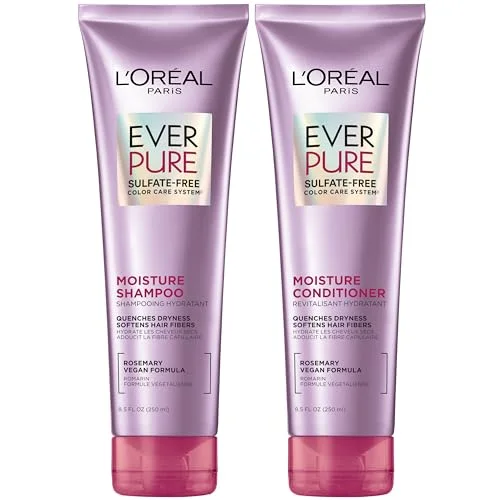
Implementing a consistent washing routine helps manage oily hair. Use a gentle, sulfate-free shampoo specifically designed for oily scalps. Aim to wash hair every other day to prevent excess buildup of oil without over-drying the scalp. This frequency allows for effective cleansing while balancing natural oils.
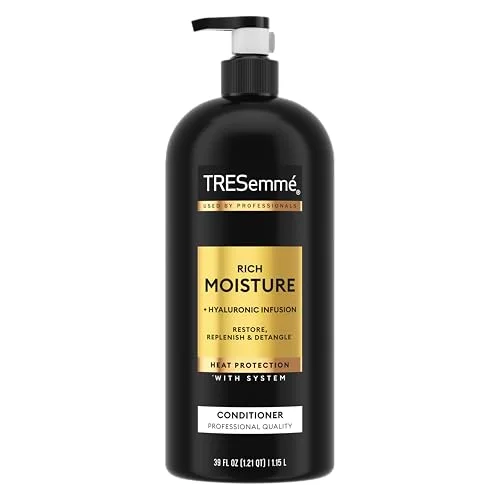
Choosing the right conditioner is essential. Opt for lightweight, oil-free conditioners and apply them only to the ends of your hair. Avoid applying conditioner directly to the scalp, as this can exacerbate oiliness. Rinse thoroughly to ensure no residue remains.
Incorporating dry shampoo into your routine can be beneficial. Spray or sprinkle dry shampoo onto the roots to absorb excess oil between washes. This product can refresh hair and extend the time between necessary washes, making it a practical solution for managing oil during puberty.
Maintaining a balanced diet also plays a role. Eating foods rich in omega-3 fatty acids, vitamins, and minerals can promote healthier hair and scalp. Hydration is equally important, so drink plenty of water to support overall skin and scalp health.
Consulting with a dermatologist can provide tailored advice. If oily hair persists despite implementing these practices, a professional can assess for underlying issues and recommend suitable treatments or products. Personalized care can make a significant difference in managing hair oiliness effectively.
Quick Summary
- During puberty, hormonal changes lead to increased oil production in the sebaceous glands.
- Androgens, such as testosterone, stimulate these glands, causing hair and skin to become oilier.
- Oily hair can be a normal part of adolescent development and varies from person to person.
- Increased oiliness can lead to acne and other skin issues if not managed properly.
- Regular washing and appropriate hair care products can help control excess oil.
- Diet and lifestyle choices may also influence oil production in hair and skin.
- Understanding these changes can help adolescents better manage their hair and skin health.
Frequently Asked Questions
Why does hair get oily during puberty?
During puberty, the body undergoes hormonal changes that increase the production of sebum, an oily substance produced by sebaceous glands. These changes can lead to hair becoming greasier as the scalp produces more oil to keep the hair moisturized.
What factors contribute to oily hair during puberty?
Several factors can contribute to oily hair during puberty, including hormonal fluctuations, genetics, and diet. Increased testosterone levels can stimulate oil production, while a diet high in sugars and fats may exacerbate oiliness.
How can I manage oily hair during puberty?
To manage oily hair, consider using a gentle shampoo specifically designed for oily hair, and wash it regularly to remove excess oil. Additionally, avoid heavy styling products that can weigh hair down and make it appear greasier.
Is it normal for hair to be oily during puberty?
Yes, it is completely normal for hair to become oily during puberty due to hormonal changes. Most teenagers experience this, and it typically improves as they move into adulthood when hormone levels stabilize.
When should I see a doctor about oily hair?
If you notice excessive oiliness accompanied by scalp irritation, itching, or hair loss, it may be a good idea to consult a dermatologist. They can provide advice or treatment options tailored to your specific needs.

- 7 Best Detangling Brushes for Curly Hair: Thick, Fine, Long & Natural Hair - September 25, 2026
- 5 Best Moisturizing Curl Defining Creams for Soft, Defined Curls - September 24, 2026
- Best Curl Creams for Straight Hair: 5 Top Picks for Women - September 24, 2026