How Long Do I Deep Condition My Hair?
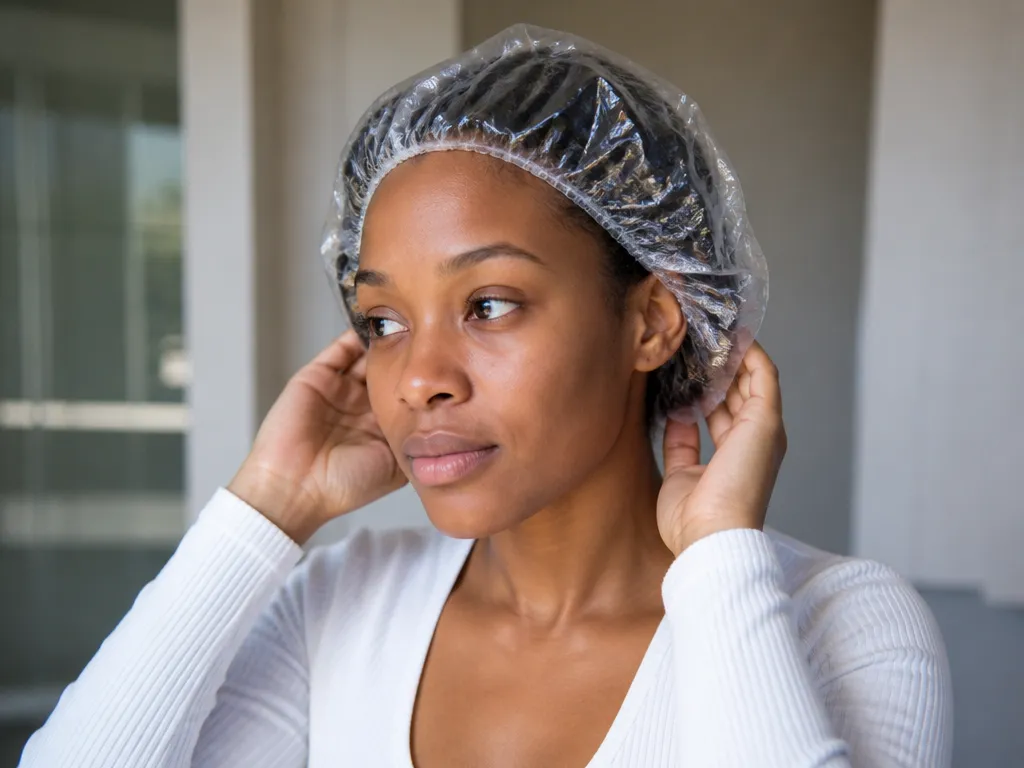
Struggling with deep conditioning timing? You are not alone. Leaving a mask on too short can feel like nothing happened, and going too long can leave hair coated or mushy, especially if your formula has protein. The sweet spot depends on your hair texture, dryness level, and whether you use heat, so the minutes really do matter.
Deep conditioner timing is usually 10-15 minutes for light dryness, 20-30 minutes for normal dryness, and 25-45 minutes for heavy damage masks (skip the long time for protein). Look for glycerin or panthenol for softness, and keep protein treatments shorter if your hair turns stiff.
How Long Do I Deep Condition My Hair?
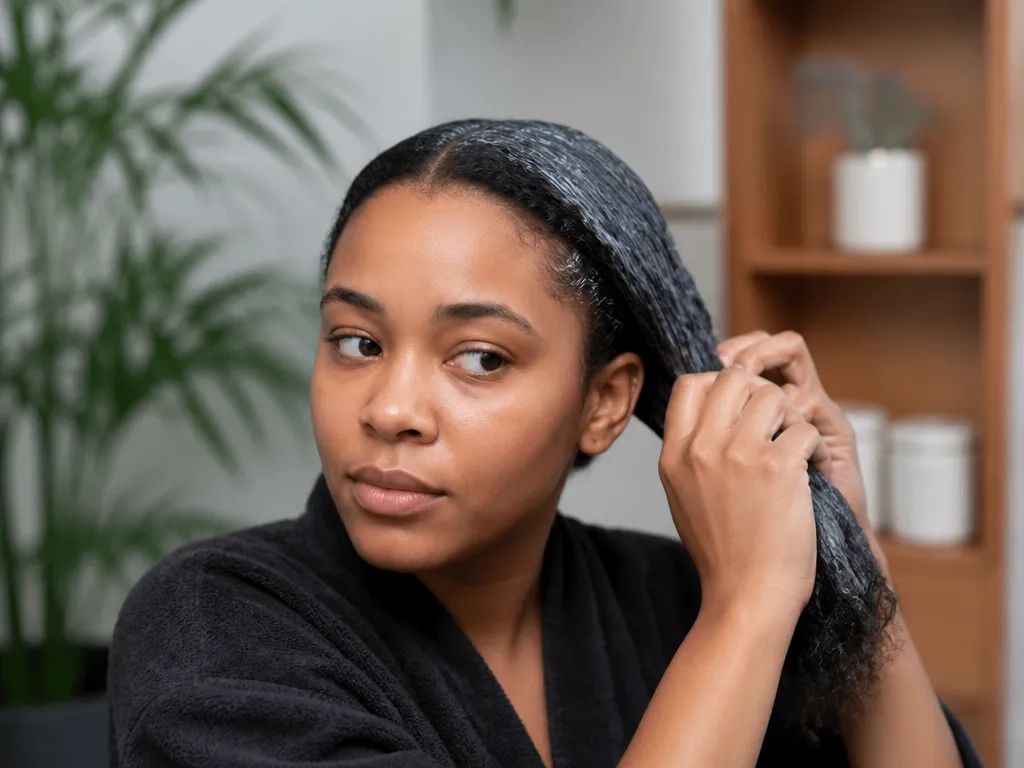
Deep conditioning usually needs 20 to 30 minutes to improve softness and moisture without overdoing it. If your hair is very dry or porous, you can extend to 35 to 45 minutes with a moisture-focused mask. If your formula is protein-heavy, start at 10 to 15 minutes and reassess next time.
Conditioning and deep conditioning are not the same step. Regular conditioner sits briefly to smooth the cuticle, while a true deep conditioner or hair mask is designed to penetrate longer so your strands feel more flexible, less rough, and easier to detangle.
Timing matters because hair changes as it dries. Too short can leave the strands feeling dry or tangly, especially on curly and coily textures that need more slip, longer wear, and water-binding ingredients to fully hydrate. Too long can cause an overly coated feel, limp roots, or in some cases a stiffness effect if the treatment is heavy on strengthening ingredients.
Pick Your Leave-time By Formula Type And Hair State
Choose your time based on what is in the product and how your hair feels before you start. Look at the label for cue ingredients like glycerin, panthenol, aloe, and hyaluronic acid for hydration masks, and keratin, collagen, hydrolyzed proteins, or amino acids for protein treatments.
For example, a moisture mask with fatty alcohols and emollients usually benefits from the middle range, while a protein treatment often needs less time to avoid that dry, “straw-like” stiffness. If you are using heat, monitor the hair closely and use the shorter end of the product’s recommended range.
| Hair Need / Treatment | Ideal Deep-Condition Time | Best For | What to Watch |
|---|---|---|---|
| Moisture-focused deep conditioner or hair mask | 20 to 30 min | Dry, dull hair across textures | Over-coating or build-up if it leaves hair heavy |
| Very dry, high-porosity, or frizzy hair | 30 to 45 min | Curly, coily, and chemically processed hair | Still-dry ends means you may need more water at the start |
| Protein treatment (or bond-building style mask) | 10 to 15 min | Low elasticity, limp curls, or after damage | Stiffness means shorten time next round |
| Heat or steamer used | 10 to 20 min | Thick or resistant hair | Stop sooner if hair feels coated or crunchy |
In practice, straight hair and fine hair can tip into “too much” faster because they load product easily. For fine, low-porosity strands, start with 15 to 20 minutes and apply only from mid-length to ends.
In practice, thick, wavy, curly, and coily hair usually tolerates longer wear because the density and curl pattern hold more hydration and need more dwell time. For coarse or very porous textures, aim for 25 to 40 minutes without heat, then adjust based on softness after rinsing.
Patch test tip: If you have a sensitive scalp, test the mask on a small area of skin first, especially if the formula includes acids, strong fragrances, or noticeable protein load. Keep deep conditioner off the scalp unless the product specifically says it is scalp-safe.
For oily to combination scalp types, stick to shorter timing and end-focused application to reduce buildup at the roots. For normal to very dry scalps, you can follow the time range, but still avoid leaving formula on the scalp if it triggers itch or tingling.
Identify Your Hair Type And Porosity
Start by matching your texture (straight, wavy, curly, coily) to a baseline leave-in time, then adjust for porosity (high vs low) and how much damage or chemical processing your hair has. Most deep conditioners work best in the 10- to 30-minute window, with shorter times for low-porosity hair and longer times for very dry, high-porosity strands.
Texture Guide: How Your Hair Behaves Under Conditioner
Texture affects how quickly water and conditioning agents spread through the hair shaft. Straight and wavy hair usually gets limp if you overdo weight, so plan for 10 to 20 minutes with lightweight masks. Curly and coily hair typically needs more time for slip and moisture penetration, so plan for 20 to 30 minutes.
Fine hair absorbs faster but can also feel “coated” sooner, while thick hair resists absorption and often needs extra time. Use your hair’s response as a starting point for your next session.
Porosity Test: High Vs. Low Porosity In Real Life
Porosity is your hair’s tendency to absorb and hold moisture. A quick float test can help: hair that sinks quickly in clean water is often high porosity, while hair that floats longer is often low porosity.
High-porosity hair usually benefits from more dwell time so conditioning ingredients have a chance to bind, while low-porosity hair often needs gentler heat and less time because product can sit on the surface.
| Porosity sign | What you’ll feel | Deep condition time | What helps absorption |
|---|---|---|---|
| Low porosity (floats, resists getting saturated) | Rinses out fast, may feel coated | 10-15 minutes | Use a warm cap or short steaming, and apply to soaking-wet hair |
| High porosity (sinks, drinks water then dries fast) | Feels rough, tangles, dries quickly after | 25-35 minutes | Focus on consistent moisture and gentle detangling |
| Medium porosity | Moisture holds moderately | 20-30 minutes | Standard routine is usually enough |
Assessing Damage And Chemical History
Damage shifts your “best time” because stressed hair often needs more slip, while chemically treated hair can become over-soft and break if you leave the wrong type of treatment too long. Look at your pattern after washing: does your hair feel mushy, stretch too far, or snap when detangling? Mushy stretch means you need a shorter dwell time, or a different treatment category (more moisture than protein, for example).
For chemical history, plan conservatively. For example, if you recently did relaxers, color, or repeated bleaching, start at 15-20 minutes even for coily hair and reassess next wash cycle.
Trichology-style reality check: if your hair is still dry at the root after rinsing, the solution is usually better application (soaked hair, even coverage, detangle during processing) rather than jumping straight to 45-60 minutes.
Best Ingredients For Targeted Results
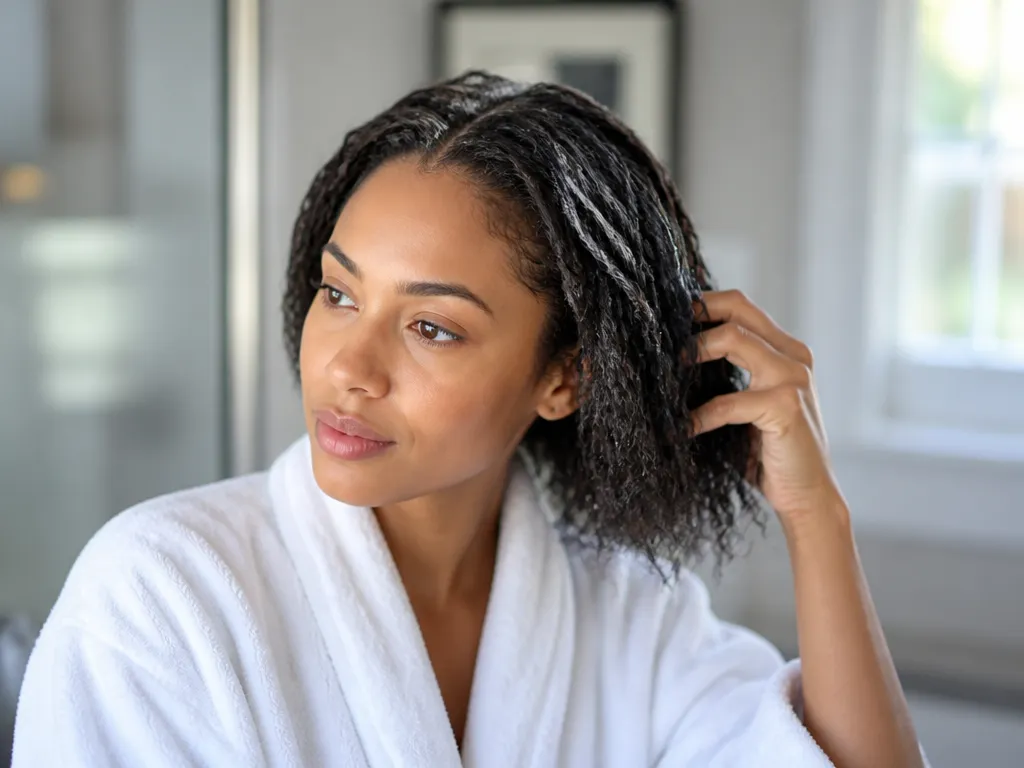
Moisture-heavy conditioners work best with humectants and slip-providing oils, then quick scalp rinse and a manageable leave-on time. Strengthening treatments need proteins or amino acids to reduce breakage, so follow the product’s instructions and watch how your hair responds. Sealants help lock hydration in for longer between washes.
For oily to combination scalps and fine hair, start with moisture formulas and lighter oils so your hair does not feel coated or limp. For dry, curly, coily, or color-treated hair, add a strengthening step when you feel mushy ends or lots of shedding from tangles. For very porous strands, prioritize sealants and humectants so the hair drinks water then holds it.
| Item | Amount/Specification | Notes |
|---|---|---|
| Humectants (glycerin, propanediol, panthenol) | Look for glycerin and/or panthenol listed early | Best for moisture. Works across hair types, especially wavy to coily dryness. |
| Moisture oils (argan, olive, coconut, jojoba) | Often paired with fatty alcohols or esters | Use in deeper conditioners if your hair tangles easily or feels rough after washing. |
| Amino acids (hydrolyzed keratin, silk, collagen) | Look for “hydrolyzed” or “amino acid” near mid-list | Best for breakage-prone hair. Start less frequently if hair feels stiff or hard. |
| Protein-support (wheat protein, soy protein) | Moderation matters | Helps strength for damaged strands, but can cause brittleness if overused. |
| Sealants (dimethicone, behentrimonium chloride, oils with film-formers) | Common in masks and conditioners | Best after moisture, especially for high porosity. Reduces frizz and speeds detangling. |
Hair rule of thumb: if your hair feels mushy and overly stretchy, add a protein/amino-acid deep condition. If your hair feels rough, frizzy, and dry, swap to humectant + oil moisture for your next pass.
What Not To Combine In The Same Deep Conditioning Session
For straight and fine hair, humectants plus a light oil blend is usually enough, then seal with a conditioner that contains film-formers like dimethicone. For thick wavy and curly hair, you can use richer oils and a moderate protein touch when breakage shows up. For coily and high-porosity hair, pair humectants with sealants so water and oils stay locked inside the strands longer.
Optimal Processing Time Guide
Lightweight or frequently used masks often need 10 to 20 minutes, while richer moisture masks generally need 20 to 30 minutes. Heavily damaged hair benefits from extended time without heat, while fine hair needs caution to avoid weighing it down.
Standard moisture masks work like a hydrating facial for skin. Most formulas work well within 15 to 30 minutes, and heat can help shorten the required time when used gently.
| Hair Type & Condition | Processing Time | Heat Usage |
|---|---|---|
| Normal / Oily | 10 – 15 minutes | Optional |
| Dry | 20 – 30 minutes | Recommended |
| Very Dry / Chemically Treated | 30 – 45 minutes | Essential |
Protein treatments differ because they are stronger. Hydrolyzed proteins fill gaps in the cuticle but can make hair brittle if left too long. Follow the product label and rinse promptly if the hair begins to feel stiff.
Adjusting for heat requires careful monitoring. Heat opens the hair shaft, allowing ingredients to absorb faster. However, excessive heat can cause the hair to dry out further. Use a hooded dryer on a low setting or a warm towel to boost penetration without cooking the strands.
The golden rule is to rinse with cool water to seal the cuticle and stop processing. Never leave a protein treatment on the hair for longer than the label specifies, as this can lead to breakage.
Avoid Common Conditioning Mistakes
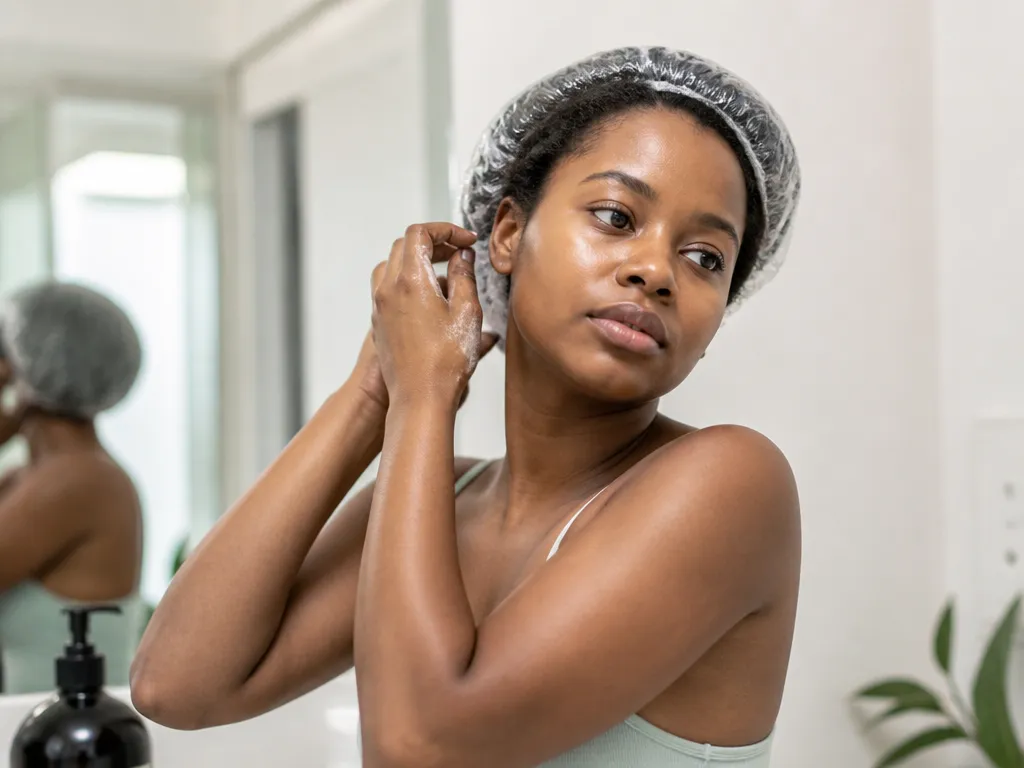
Excessive moisture or improper product application can lead to hygral fatigue, a condition where hair strands swell and shrink repeatedly until the cuticle weakens. This cycle causes hair to feel mushy, limp, or overly stretchy when wet. Maintaining a balance between protein and moisture helps prevent this structural damage.
Protein treatments require more careful handling than standard hydrating masks. Leaving hydrolyzed wheat protein or keratin on for too long can cause protein overload. This makes hair feel brittle, straw-like, and prone to snapping because the strands become too rigid.
Professional Tip: If your hair feels stiff and lacks “bounce” even after a moisturizing treatment, you likely have protein buildup and need to focus on pure hydration.
Improper Application And Timing
Scalp contact is a primary cause of product buildup and irritation. Deep conditioners are designed for the hair shaft, not the skin of the scalp. Applying heavy creams directly to the roots can clog hair follicles and lead to oily buildup or even scalp acne.
Overnight conditioning carries specific risks for most hair types. While some people swear by it, leaving heavy products on for 8+ hours can trap moisture too deeply within the hair cortex. This contributes to the aforementioned hygral fatigue and can make hair feel heavy and greasy the next morning.
For instance, someone with fine, straight hair might find that a 30-minute mask feels heavy, while a person with coarse, coily hair might need the full duration to see a difference. Always adjust based on how your hair responds to the weight of the product.
| Mistake | Primary Risk | Best Practice |
|---|---|---|
| Leaving protein on too long | Brittle, snapping hair | Follow package instructions exactly |
| Applying to the scalp | Clogged follicles, oiliness | Apply from mid-lengths to ends |
| Overnight soaking | Hygral fatigue, mushy texture | Stick to 20-45 minute windows |
Drugstore Vs. High-end Options
High-end masks with peptide complexes or hydrolyzed proteins may be designed to work in 5 to 10 minutes. Standard drugstore conditioners may use heavier emollients and recommend a longer application window of 20 to 30 minutes; always follow the product label.
Expert Tips For Maximum Absorption
Leave a lightweight or frequently used deep conditioner on for 10 to 20 minutes, then use 20 to 30 minutes if your hair is very dry, coarse, or damaged. Protein treatments and bond builders should follow the label timing closely, since overdoing them can make hair feel stiff or rough.
Proper application on damp hair is where absorption actually happens. Apply to freshly washed hair that is damp, then gently squeeze out excess water so the product is coating, not sliding. For extra slip, finger-comb the conditioner through from mid-lengths to ends before you wrap or cover.
Sectioning for even distribution prevents the “product only where you can reach it” problem. Divide hair into 4 to 8 sections (more for thick or long hair), then apply conditioner strand by strand. Concentrate the leave time on the driest zones (usually ends), and keep it lighter near the scalp to avoid buildup or irritation.
| Conditioner/Mask Type | Ideal Leave Time | Best For |
|---|---|---|
| Standard deep conditioner (hydrating) | 10-20 min | Oily to combination scalps, dry ends |
| Thick hair mask (richer emollients) | 20-30 min | Very dry, frizzy, textured hair |
| Protein treatment (keratin/amino acids) | Follow label (often shorter) | Raised porosity, mushy strands |
“Rinsing techniques lock in moisture.” Focus on thorough, gentle rinsing, then squeeze out water instead of rough towel friction so the cuticle stays smooth.
Rinsing thoroughly makes a bigger difference than people think. Rinse with cool to lukewarm water, start at the scalp-to-ends direction, and keep the water running long enough that hair moves freely. If you still feel coated, rinse 30 to 60 seconds more, then finish with a light conditioner-free leave-in only on ends.
In practice, check for “enough” by feel: hair should be slippery while wet, detangle easily, and look less fuzzy once it’s rinsed. If hair feels mushy after drying, you likely need less time or more protein balancing, especially if your strands are frequently heat styled. If hair feels crunchy or overly rigid, shorten the next session and avoid stacking protein with deep conditioning.
Heat can help absorption, but keep it controlled. Use a warm hood dryer or wrap for 5 to 10 minutes max, then rinse, and avoid scalding heat that can worsen dryness for curly and coily textures.
Quick Summary
Deep conditioning timing varies based on your specific hair texture and the level of dryness you are addressing. For light dryness, you should aim for 10 to 15 minutes, while normal dryness requires a 20 to 30 minute window. If your hair is heavily damaged, you can extend this to 25 to 45 minutes, but you must skip long durations if the mask contains protein. Using gentle heat like a steamer can shorten your required time, so use the shorter end of the recommended range.
The ingredients in your formula dictate how long you should leave the product on your strands. Hydration masks containing glycerin, panthenol, or hyaluronic acid are great for softness, whereas protein treatments with keratin or collagen should follow the label timing to prevent stiffness. Fine or low-porosity hair benefits from shorter 15 to 20 minute sessions applied from mid-length to ends. Always rinse until the water runs clear and ensure your hair feels supple rather than gummy or coated.
| Hair Need | Ideal Time | Best For |
|---|---|---|
| Moisture Mask | 20-30 min | Dry, dull hair |
| Very Dry/High Porosity | 30-45 min | Curly, coily, or processed hair |
| Protein Treatment | 10-15 min | Low elasticity or limp curls |
| With Heat/Steamer | 10-20 min | Thick or resistant hair |
Frequently Asked Questions
How Long Should I Leave A Hair Mask On For The Best Results?
Most professional masks require between 10 to 30 minutes to fully condition the hair. Leaving it on longer than the instructions suggest usually won’t yield extra benefits and can sometimes weigh hair down.
Can Deep Conditioning Cause Breakouts On My Face?
Yes, if heavy oils or silicones from the mask touch your skin, they can clog pores. Always wash your face after rinsing your hair to ensure no product residue remains on your forehead or jawline.
What Is The Difference Between A Regular Conditioner And A Deep Conditioner?
Regular conditioners are designed for quick surface smoothing, while deep conditioners have smaller molecules that penetrate deeper into the hair shaft. You should use a deep conditioner only once a week or as needed for extra moisture.
Do I Really Need To Use Heat When Deep Conditioning?
You don’t strictly need it, but using a warm towel or a steamer can help open the hair cuticle for better absorption. This technique is especially helpful if you have highly porous or thick hair.
Is An Expensive Salon Mask Worth It Compared To Drugstore Brands?
It depends on your hair needs, but salon brands often use higher concentrations of active ingredients like hydrolyzed proteins. If you have chemically treated or damaged hair, the investment in a professional formula is usually worth it.

- 13 Best Natural Deep Conditioning Ingredients to Tame Frizzy Hair - September 29, 2026
- How to Make Deep Conditioner for Natural Hair: 8 Easy DIY Recipes - September 29, 2026
- Natural Homemade Deep Conditioner for Natural Hair: Easy DIY Recipes - September 29, 2026