How Long For Hair To Fall Out After Laser Treatment?
Seeing hair stuck in your skin after a session can feel like the treatment failed, but it is actually a sign the laser worked. Most people experience hair shedding between 1 and 3 weeks after their appointment. I will explain exactly when to expect that fallout and how to manage the process without irritating your skin.
You might notice hair appearing to grow longer or “poking out” around day 5, but this is often dead hair being pushed out. Most people see the majority of treated hairs fall out within 14 days. Best for: most skin and hair types. Use caution if: you have very fair hair or extremely dark skin.
How Long For Hair To Fall Out After Laser Treatment?
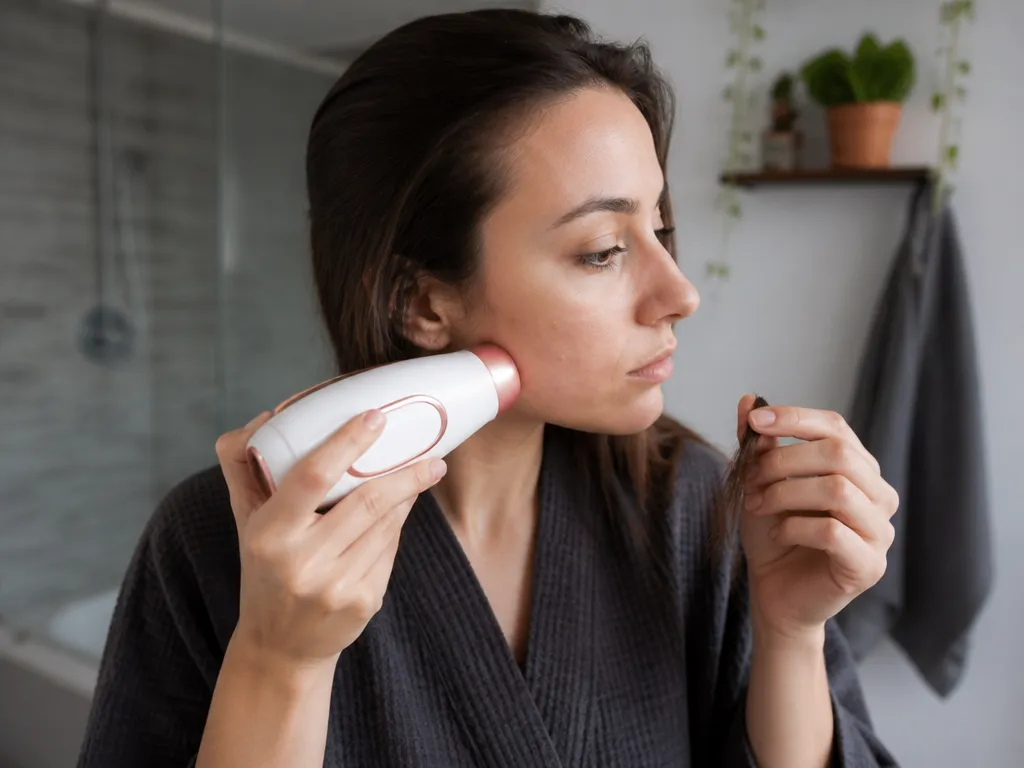
Visible shedding typically begins 7 to 14 days after a session and continues for up to three weeks. The hair does not disappear instantly because the follicle is destroyed beneath the skin, but the shaft remains in place.
Laser energy targets the melanin in the hair follicle to destroy the root. The body then treats the dead hair as a foreign object and slowly pushes it to the surface.
Hair often looks longer or thicker during the second week. This is a common illusion called pseudo-growth.
The dead hair is simply moving toward the surface as it prepares to exit the pore. It is not new growth, even though it looks like the hair is returning.
| Timeframe | What Happens | Appearance |
|---|---|---|
| Week 1 | Follicle recovery | Normal hair growth |
| Week 2 | Shedding begins | Stubble looks thicker |
| Week 3 | Peak shedding | Hair falls out easily |
Esthetician tip: Do not scrub the skin to force the hair out. Let the natural exfoliation process happen to avoid irritation and breakouts.
Shave the area gently between sessions. Avoid plucking or waxing because these methods remove the root entirely.
Removing the root prevents the laser from finding its target in the next session. This can slow down your overall results and increase the number of appointments needed.
Treatment outcomes vary by skin tone and hair color. Darker hair on fair skin often sheds more noticeably, while those with deeper skin tones using Nd:YAG lasers may notice a more gradual thinning process.
For instance, facial hair often sheds faster than leg hair due to thinner skin and different follicle depth. Expect the face to clear up in 10 days, while legs may take the full three weeks.
Identify Your Hair And Skin Type
Your hair characteristics and skin tone significantly impact how quickly hair sheds after laser treatment and the overall effectiveness of the procedure.
Anagen Phase And Treatment Efficacy
Laser hair removal works best on hairs in the anagen (active growth) phase. This phase varies by body area and individual genetics, typically lasting 2-7 years on the scalp but only 1-3 weeks on the legs. Hairs in this phase contain the most melanin, allowing the laser to effectively target and destroy the hair follicle.
The percentage of hairs in the anagen phase at any given time determines the immediate results you’ll see.
For example, the face typically has more hairs in anagen than the underarms, resulting in faster shedding and better initial response.
Coarse Hair Vs. Fine Hair Response
Thick, coarse hair typically sheds more quickly and completely after laser treatment compared to fine, light-colored hair. Coarse hairs contain more melanin, which absorbs laser energy more effectively, leading to better follicular damage and faster shedding.
Fine hairs, especially those with light color, may require more sessions to achieve the same results. These hairs often have less melanin, making them less responsive to laser energy and potentially delaying the shedding process.
Skin Tone And Laser Absorption
Your skin tone affects how laser energy is absorbed during treatment. Light skin tones with dark hair show the best results because there’s high contrast between hair and skin pigmentation, allowing the laser to target hair follicles without affecting surrounding skin.
Darker skin tones require specialized laser technology with longer wavelengths to avoid damaging melanin in the skin. This may affect the speed of shedding as the energy settings must be carefully calibrated to be safe yet effective for your specific skin type.
Soothe Skin With Calming Ingredients
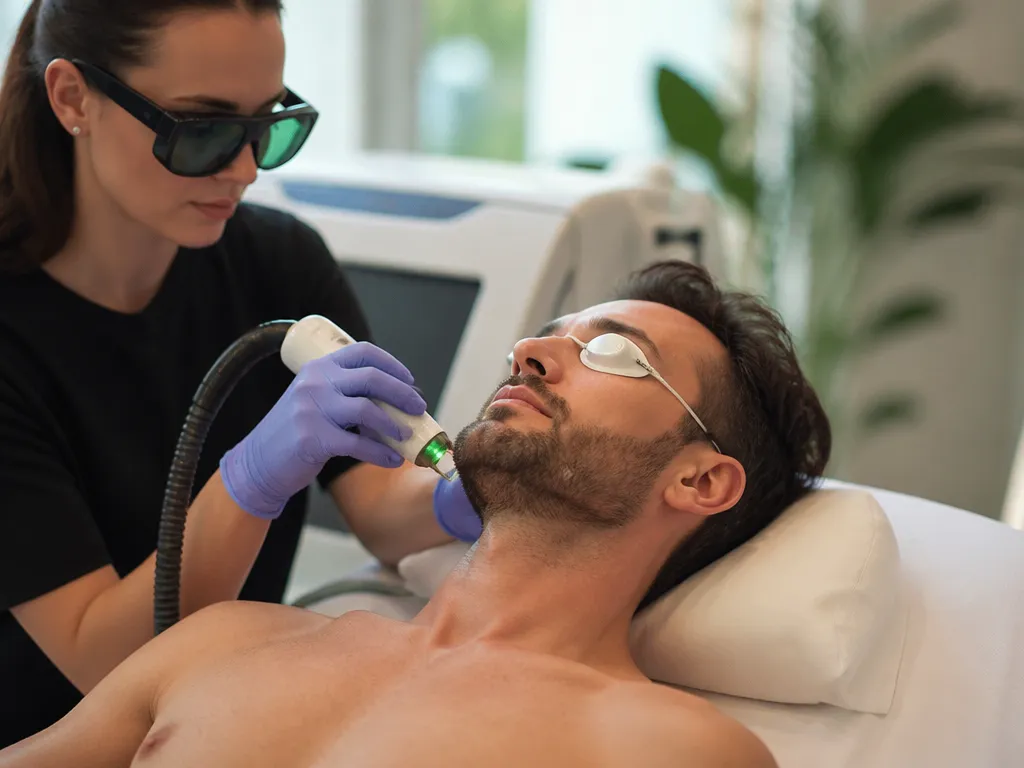
Post-laser skin requires immediate topical relief to manage heat retention and inflammation. Cooling agents and barrier repair molecules help prevent the redness and dryness that often accompany the hair shedding phase. Applying these ingredients within the first 24 to 48 hours after your session can significantly reduce discomfort.
Aloe vera provides instant cooling relief for skin that feels hot or prickly after a session. Look for pure, fragrance-free aloe gels to avoid stinging. This works well for all skin types, including sensitive or acne-prone skin, as it is non-comedogenic.
Centella Asiatica, also known as Cica, is highly effective for reducing visible redness and calming irritation. This ingredient is a favorite for those with reactive skin or darker complexions prone to post-inflammatory hyperpigmentation. It helps the skin recover from the thermal energy used during the procedure.
Ceramides are essential for restoring the skin barrier that may be temporarily compromised by laser heat. These lipids help lock in moisture and prevent transepidermal water loss. Use a ceramide-rich cream if your skin feels tight or flaky during the shedding window.
| Ingredient | Primary Benefit | Best For |
|---|---|---|
| Aloe Vera | Immediate cooling | Heat sensation/Stinging |
| Centella Asiatica | Redness reduction | Inflammation/Sensitivity |
| Ceramides | Barrier repair | Dryness/Tightness |
Esthetician tip: Always patch test new soothing products on a small area of your inner arm before applying them to large treatment areas like your legs or bikini line.
Budget Vs. Splurge Options
Finding the right balance between cost and efficacy depends on your skin’s specific reaction to the laser. You can achieve excellent results with drugstore staples or invest in high-end formulations.
Drugstore options like CeraVe Moisturizing Cream ($15) provide high concentrations of ceramides for barrier support. For a cooling gel, Seven Minerals Aloe Vera Gel ($10) is a clean, simple choice for sensitive areas.
High-end alternatives like La Roche-Posay Cicaplast Baume B5 ($35) use panthenol and copper-zinc to speed up skin recovery. If you prefer a luxury experience, Dr. Jart+ Cicapair Tiger Grass Sleepair Ampoule ($50) offers a concentrated dose of Centella Asiatica for intense calming.
Follow This Post-laser Shedding Routine
Post-laser care focuses on maintaining the skin barrier to let follicles release dead hair naturally. A consistent routine prevents irritation and supports the shedding process.
Morning Routine
Start with a soap-free, fragrance-free cleanser. This prevents stripping the skin, which is especially important for dry or sensitive skin types.
Apply a serum with Hyaluronic Acid to damp skin for hydration. This keeps the skin pliable, which helps the shedding hairs slide out more easily.
Finish with a broad-spectrum SPF 30+. This is non-negotiable because laser-treated skin is highly prone to hyperpigmentation if exposed to the sun.
Budget: CeraVe Hydrating Cleanser ($15). High-end: SkinCeuticals Gentle Cleanser ($38). Both use mild surfactants that do not irritate the skin.
Esthetician tip: Apply your products from thinnest to thickest consistency. Start with your water-based serum and end with your cream or sunscreen.
Evening Routine
Cleanse the area again to remove sweat and SPF. Use lukewarm water, as hot water can trigger inflammation in the follicles.
Apply a soothing agent like Aloe Vera or a cream with Panthenol (Pro-vitamin B5). These ingredients calm redness and reduce the itching that often accompanies shedding.
Lock everything in with a basic, fragrance-free moisturizer. For oily skin, a gel-cream is best. For dry skin, a thicker ceramide cream works better to prevent flaking.
| Step | Product Type | Key Ingredient | Skin Type |
|---|---|---|---|
| Cleanse | Gentle Wash | Glycerin | All Types |
| Soothe | Gel or Balm | Aloe Vera | Sensitive/Irritated |
| Hydrate | Moisturizer | Ceramides | Dry to Normal |
Safe Shaving Techniques
Shave only with a clean, sharp razor or an electric trimmer. Do not use wax, epilators, or plucking tools.
Always shave in the direction of hair growth to avoid ingrowns. This is critical for coarse hair on the bikini line or neck.
For example, if you shave your legs, move the razor downward. Do not go against the grain during the shedding phase to avoid creating micro-tears in the skin.
Wait at least three to five days after your session before your first shave. This gives the skin time to recover from the heat of the laser.
Avoid These Common Shedding Mistakes
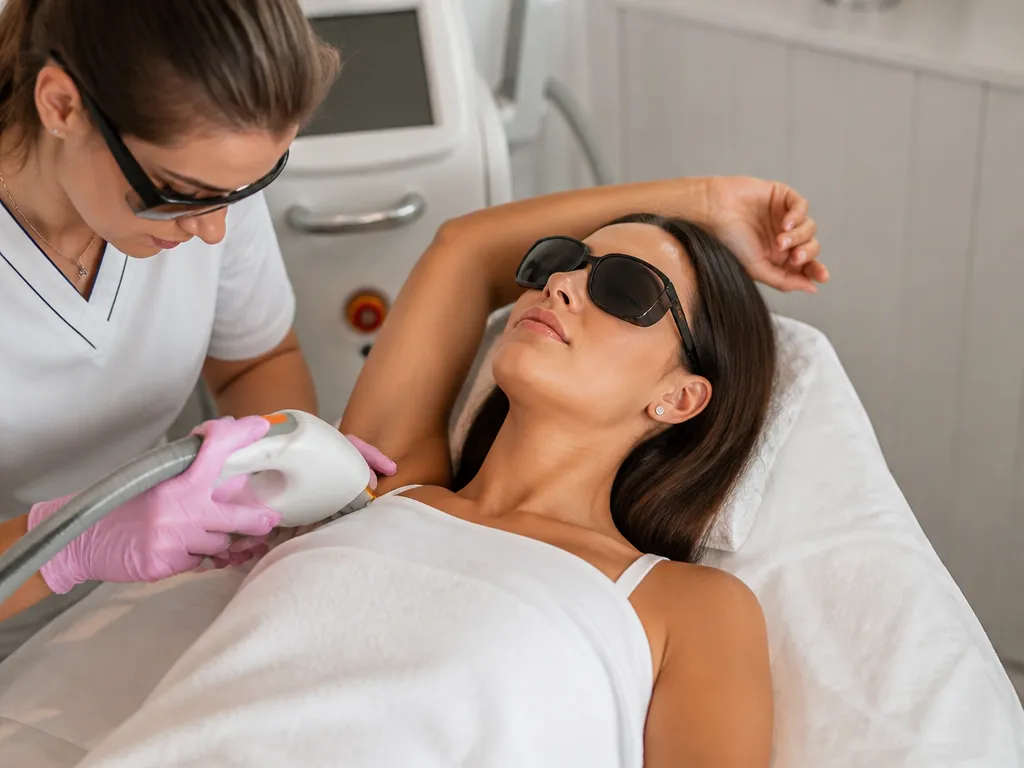
Many people unknowingly disrupt their natural hair shedding cycle after laser treatments by interfering with the hair follicles during their most vulnerable phase. This not only reduces treatment effectiveness but can also lead to unnecessary skin irritation and complications.
During the 7-21 day shedding period following laser hair removal, your follicles are in a delicate transition state. Making these common mistakes can compromise your results.
Remember that patience is essential during the shedding phase. Your body needs time to eliminate the damaged hair naturally for optimal results. If you notice excessive redness, blistering, or unusual pain, consult your provider rather than attempting home remedies that could worsen the situation.
Compare Drugstore And Professional Aftercare
Post-laser skin requires ingredients that lower heat and rebuild the lipid barrier. Pure aloe vera and ceramides are the most effective tools for reducing redness and irritation.
Budget-friendly Soothing
Drugstore options provide high-quality basic hydration. Look for 100% pure aloe vera gel without added fragrance or alcohol to avoid stinging. This works best for oily to combination skin.
CeraVe Moisturizing Cream is a strong alternative for dry skin. It uses three essential ceramides to lock in moisture and protect the skin from environmental stressors.
For instance, applying a thin layer of La Roche-Posay Cicaplast Baume B5 can calm intense redness on sensitive skin. It uses panthenol and madecassoside to accelerate the healing process.
Premium Barrier Repair
Professional-grade creams often include stabilized growth factors or higher concentrations of panthenol. These products speed up the skin’s recovery time more efficiently than basic lotions.
High-end options like SkinCeuticals post-procedure formulas focus on deep cellular repair. They are more expensive but provide a concentrated dose of active soothing agents for compromised skin.
| Product Type | Budget Option | Premium Option | Key Ingredient | Best For |
|---|---|---|---|---|
| Soothing Gel | Pure Aloe Vera | SkinCeuticals Gel | Hyaluronic Acid | All Skin Types |
| Barrier Cream | CeraVe Cream | Zo Skin Health | Ceramides | Dry to Normal |
| Recovery Balm | Cicaplast B5 | La Mer Intensive | Panthenol | Sensitive Skin |
Essential Home Maintenance Kit
A basic home maintenance kit prevents complications like hyperpigmentation. It should include a fragrance-free cleanser, a bland moisturizer, and a mineral SPF 30+.
Always patch test new products on your inner arm for 24 hours. This is critical because laser-treated skin is hyper-reactive and prone to contact dermatitis.
Esthetician tip: Avoid all active acids like glycolic or salicylic acid for at least 7 days after treatment. These can cause chemical burns on freshly treated skin.
Maximize Your Laser Hair Removal Results
Consistent adherence to your provider’s treatment schedule ensures you catch hair follicles during their active growth phase. Missing appointments can disrupt the cycle and extend the total number of sessions required to reach your goals.
Success depends on monitoring how your skin and hair respond after each session. You should track the density of regrowth and the speed at which hair sheds to gauge if the energy settings are effective for your specific hair type and skin tone.
Esthetician tip: Keep a simple log of your treatment dates and any skin reactions to help your technician adjust laser intensity for future sessions.
Optimizing Your Session Strategy
Professional results require patience and discipline. Most people need between six and eight sessions to see significant, long-term reduction, though some may require more depending on the area being treated.
Treatment areas like the face or underarms often respond differently than legs or the bikini area. Smaller areas may require more frequent checks, while larger areas might show gradual thinning over several months.
For example, if you are treating dark hair on light skin, you may see faster results than someone with finer, lighter hair. Skin tone also dictates which laser wavelength is safest and most effective for you.
When To Contact Your Provider
Monitoring for adverse reactions is a vital part of your aftercare. While mild redness or swelling is normal, certain signs indicate you should pause treatments and call your clinic.
| Symptom | What it usually means | Action to take |
|---|---|---|
| Mild redness | Standard inflammatory response | Apply cool compress |
| Intense itching | Skin dryness or irritation | Use fragrance-free moisturizer |
| Blistering | Potential burn or improper settings | Contact provider immediately |
| Dark spots | Post-inflammatory hyperpigmentation | Consult provider and use SPF |
In practice, if you notice any persistent crusting or unusual pain that lasts more than 48 hours, do not apply active ingredients like AHAs or retinoids. Wait until your skin is fully healed and consult your technician first.
Quick Summary
Seeing hair stuck in the skin after a session is actually a sign the treatment worked. The hair does not disappear instantly because the follicle is destroyed beneath the skin, but the shaft remains in place. The body then treats the dead hair as a foreign object and slowly pushes it to the surface. Hair often looks longer or thicker during the second week due to this movement.
Facial hair often sheds faster than leg hair, typically clearing up in ten days, while legs may take the full three weeks. Coarse hair usually sheds more quickly and completely compared to fine, light-colored hair. Shaving is safe between sessions, but wait at least three to five days after treatment before shaving. Contact your clinic if you see blisters or intense swelling.
| Week | What Happens | Appearance |
|---|---|---|
| 1 | Follicle recovery | Normal hair growth |
| 2 | Shedding begins | Stubble looks thicker |
| 3 | Peak shedding | Hair falls out easily |
Frequently Asked Questions
When Will I See My Hair Falling Out After A Laser Session?
The damaged hair is naturally pushed out of the follicle as part of the shedding process.
Can I Wax Or Pluck Between Laser Appointments?
You should never wax, pluck, or use an epilator between sessions. These methods remove the hair from the root, which prevents the laser from being able to target the follicle effectively.
How Many Laser Sessions Do I Actually Need?
Most people require between 6 and 8 sessions to see lasting results. Results vary based on your hair color and skin type, so following your technician’s schedule is essential.
Is Laser Hair Removal Better Than Electrolysis?
Laser is great for large areas and targets pigment, while electrolysis is the only FDA-cleared method for permanent hair removal. You might use laser for your legs and electrolysis for small, stubborn facial areas.
Is Laser Hair Removal Safe For Dark Skin Tones?
It is safe if your provider uses an Nd:YAG laser. This specific technology is designed to target the hair follicle without damaging the melanin in your skin.

- 7 Best Detangling Brushes for Curly Hair: Thick, Fine, Long & Natural Hair - September 25, 2026
- 5 Best Moisturizing Curl Defining Creams for Soft, Defined Curls - September 24, 2026
- Best Curl Creams for Straight Hair: 5 Top Picks for Women - September 24, 2026