How to Grow 4C Hair: Healthy Growth, Length Retention, and Strong Natural Hair
4C hair grows at the same average rate as other hair types—about ½ inch (1.25 cm) per month. What often limits visible growth is breakage and shrinkage, not slow hair growth. To grow 4C hair successfully, focus on a healthy scalp, consistent moisturizing, gentle handling, deep conditioning, and protective styling. Improving length retention is the key to seeing longer, healthier natural hair over time.
Growing 4C hair is less about making it grow faster and more about keeping the hair you naturally grow. Because Type 4C hair has tightly coiled strands, it is more susceptible to dryness, tangles, and breakage, which can make growth seem slow. A consistent routine that prioritizes scalp health, moisture, strength, and low manipulation helps maximize length retention.
In this guide, you’ll learn how 4C hair grows, what affects healthy growth, and the daily habits that encourage stronger, longer natural hair.
How 4C Hair Grows
Many people believe 4C hair grows more slowly than other hair types, but this is a common misconception. Hair growth begins beneath the scalp at the hair follicle, and the natural growth rate is generally similar for all hair textures. The difference is that tightly coiled hair experiences more shrinkage and is more prone to breakage, making growth less noticeable.
Understanding how hair grows allows you to focus on habits that improve length retention instead of searching for shortcuts.
Does 4C Hair Grow Naturally?
Yes, 4C hair grows naturally just like every other hair type. Hair develops through a continuous growth cycle that includes the growing, resting, and shedding phases. Healthy hair follicles continuously produce new strands as long as the scalp remains healthy and the follicles are functioning normally.
Healthy growth depends on several important factors, including:
- A clean and healthy scalp
- Balanced nutrition
- Consistent moisture
- Gentle hair care practices
- Protection from excessive damage
Why 4C Hair Appears to Grow Slowly
Many people feel their 4C hair is not growing because its tightly coiled structure causes significant shrinkage. Hair that measures several inches when stretched may appear much shorter in its natural state. In addition, frequent breakage at the ends prevents visible length from accumulating, making progress seem slower than it actually is.
Several factors contribute to this perception, including:
- Natural shrinkage
- Dryness and brittleness
- Frequent tangles
- Split ends
- Breakage from excessive manipulation
Hair Growth vs Length Retention
Hair growth and length retention are closely related but not identical. Hair growth occurs beneath the scalp, while length retention depends on keeping the ends healthy enough to avoid breaking off. Even if your hair grows consistently every month, excessive breakage can prevent you from seeing longer hair.
Improving length retention involves:
- Moisturizing consistently
- Deep conditioning regularly
- Detangling carefully
- Wearing protective hairstyles
- Trimming damaged ends when necessary
Average Hair Growth Rate for 4C Hair
Type 4C hair typically grows at the same average rate as other hair textures, which is approximately half an inch (1.25 cm) per month or about six inches (15 cm) per year under normal conditions. Genetics, age, overall health, and lifestyle can influence individual growth rates, but the curl pattern itself does not slow hair growth.
Hair growth is influenced by factors such as:
- Genetics
- Hormonal balance
- Nutrition
- Scalp health
- Stress levels
Factors That Influence Hair Growth
Healthy hair growth depends on much more than using the right products. Your scalp condition, daily habits, diet, and hair care routine all work together to determine how much of your natural growth you retain over time.
The most important growth factors include:
- Healthy hair follicles
- Proper scalp care
- Moisture retention
- Protein and moisture balance
- Minimal breakage
- Consistent hair care routine
Build a Healthy Foundation for Hair Growth
Long, healthy 4C hair starts with a strong foundation. Before focusing on specialized treatments or growth products, it’s important to improve the condition of your scalp and hair. Healthy strands are less likely to break, allowing you to retain more of the hair you naturally grow each month.
Maintain a Healthy Scalp
The scalp is where healthy hair growth begins. Hair follicles require a clean, balanced environment to function properly. Excess oil, product buildup, and irritation can affect scalp health and reduce the effectiveness of your hair care routine.
To maintain a healthy scalp:
- Cleanse regularly with a gentle shampoo.
- Massage the scalp during wash day.
- Remove product buildup consistently.
- Avoid scratching with your fingernails.
- Keep the scalp hydrated if it becomes excessively dry.
Understand Hair Porosity
Hair porosity determines how well your hair absorbs and retains moisture. Knowing whether your hair has low, medium, or high porosity helps you choose products that support hydration without causing unnecessary buildup.
General porosity guidelines include:
- Low porosity: Use lightweight products and apply them to damp hair.
- Medium porosity: Maintain a balanced moisturizing routine.
- High porosity: Deep condition weekly and seal moisture with oils or butters.
Daily Habits That Help Grow 4C Hair
Healthy 4C hair grows through consistent daily care rather than occasional treatments. Small habits, such as moisturizing properly, reducing manipulation, and protecting the hair while sleeping, play a significant role in minimizing breakage and improving length retention. When these practices become part of your routine, your hair is more likely to stay hydrated, stronger, and easier to manage.
Moisturize Your Hair Properly
Moisture is one of the most important factors in maintaining healthy 4C hair. Since natural oils struggle to travel down tightly coiled strands, the hair dries out more quickly than other hair types. Applying water or a water-based leave-in conditioner before sealing with an oil or butter helps keep the hair soft and flexible.
For the best results:
- Use water as the primary moisturizer.
- Apply a leave-in conditioner to damp hair.
- Seal moisture with a lightweight oil or butter.
- Refresh moisture every 2–4 days as needed.
- Focus on the ends, which lose moisture first.
Reduce Daily Manipulation
The more frequently 4C hair is combed, brushed, or restyled, the greater the chance of breakage. Constant manipulation weakens the strands and makes it difficult to retain length. Choosing styles that last several days allows the hair to rest while reducing unnecessary stress on the strands. Gentle handling also helps preserve curl definition and minimizes split ends over time.
Protect Your Hair During the Day
Everyday exposure to wind, sunlight, dry air, and friction from clothing can gradually remove moisture from your hair. Wearing low-manipulation styles and avoiding unnecessary touching help protect the hair throughout the day. If you spend long periods outdoors, covering your hair with a satin-lined hat or scarf can also reduce moisture loss and environmental damage.
Nighttime Hair Protection
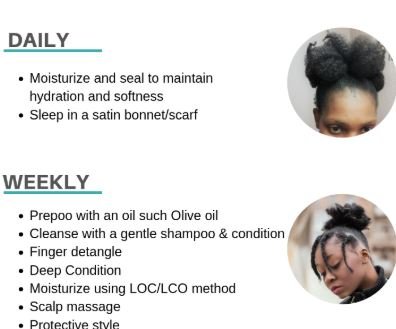
Nighttime care is essential because cotton pillowcases absorb moisture and create friction that leads to frizz and breakage. Protecting your hair before bed helps preserve both moisture and your hairstyle, making morning styling much easier. Sleeping with a satin bonnet or on a silk pillowcase also reduces tangles and helps maintain healthy ends.
Stay Consistent With Your Routine
Healthy hair growth comes from consistency rather than using expensive products or constantly changing routines. Following the same moisturizing, cleansing, and protective habits each week allows your hair to maintain a healthy moisture balance. Over time, these consistent practices improve strength, reduce breakage, and increase visible length retention.
Weekly Hair Care Routine for Growth
A weekly routine restores moisture, cleanses the scalp, and prepares your hair for healthy growth. Most people with 4C hair benefit from washing every one to two weeks, followed by deep conditioning, gentle detangling, and styling that minimizes daily manipulation. Consistency on wash day helps create the ideal conditions for stronger, healthier hair.
Cleanse the Scalp Regularly
A healthy scalp supports healthy hair growth by removing sweat, excess oil, dead skin cells, and product buildup that can interfere with the hair follicles. Using a gentle sulfate-free shampoo cleanses the scalp without stripping away too much moisture.
To cleanse your scalp effectively:
- Wet the hair thoroughly.
- Apply shampoo directly to the scalp.
- Massage gently using your fingertips.
- Rinse completely before conditioning.
- Clarify monthly if heavy products are used regularly.
Deep Condition Every Week
Deep conditioning restores hydration after shampooing and improves the elasticity of 4C hair. Moisturized hair is less likely to snap during detangling and styling, making weekly deep conditioning one of the most effective habits for retaining length. Choose a conditioner that matches your hair’s moisture needs and allow it enough time to penetrate the hair shaft before rinsing.
Detangle Hair Safely
Detangling should always be done on damp, conditioned hair to minimize friction and reduce breakage. Begin by separating the hair into sections and removing tangles gently with your fingers before using a wide-tooth comb if needed. Starting from the ends and gradually working toward the roots helps preserve healthy strands while making styling easier.
Apply Leave-In Conditioner and Seal Moisture
After washing and conditioning, apply a leave-in conditioner while the hair is still damp. Following with an oil or butter helps reduce moisture loss and keeps the hair hydrated until the next wash day. Choosing lightweight or richer sealants based on your hair porosity improves long-term moisture retention without causing excessive buildup.
Choose Protective Weekly Styles
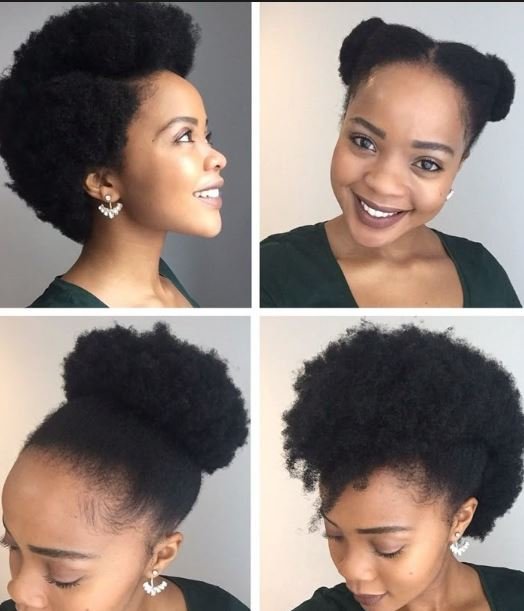
Protective hairstyles reduce daily manipulation and help preserve the healthy ends of your hair. Styles such as mini twists, flat twists, braid-outs, and low buns allow your hair to remain moisturized while minimizing tangles and breakage. Rotating protective styles throughout the month also prevents repeated tension on the same areas of the scalp.
Best Products to Grow 4C Hair
The right products support healthy hair growth by keeping the scalp clean, maintaining moisture, and reducing breakage. While no product can dramatically speed up the natural growth cycle, the right combination of cleansers, conditioners, and moisturizers helps create an environment where 4C hair can thrive. Product selection should always be based on your hair’s needs rather than trends or marketing claims.
Sulfate-Free Shampoo
A sulfate-free shampoo cleanses the scalp without removing too much natural moisture. Since 4C hair tends to be naturally dry, gentle cleansing helps maintain a healthier moisture balance while still removing dirt, oil, and product buildup.
When choosing a shampoo, look for:
- Gentle cleansing ingredients
- Moisturizing formulas
- Scalp-friendly ingredients
- Low-residue performance
- Compatibility with natural hair
Moisturizing and Deep Conditioners
Conditioners play a major role in keeping 4C hair hydrated and manageable. A moisturizing conditioner softens the hair after cleansing, while a deep conditioner penetrates more deeply to restore moisture and improve elasticity. Consistent conditioning helps reduce breakage, making it easier to retain length over time.
Leave-In Conditioners
Leave-in conditioners provide ongoing hydration after wash day and help protect the hair from dryness throughout the week. They create a foundation for styling products while improving softness and manageability. Applying leave-in conditioner to damp hair allows moisture to remain trapped inside the hair shaft for longer periods.
Hair Oils and Butters
Hair oils and butters help seal moisture into the hair and reduce water loss between wash days. While they do not moisturize hair on their own, they are highly effective when applied after water-based products. Lightweight oils work well for low-porosity hair, while richer butters may benefit high-porosity hair that loses moisture quickly.
Scalp Treatments and Growth Serums
Scalp treatments and growth serums are designed to support scalp health rather than directly force hair growth. A healthy scalp allows hair follicles to function more efficiently and may improve the overall condition of growing hair. Consistent scalp care, combined with proper cleansing and moisturizing, often provides better long-term results than relying solely on growth products.
Protective Hairstyles That Support Length Retention
Protective hairstyles are one of the most effective ways to retain length because they reduce daily manipulation and protect the ends of the hair. Although protective styles do not increase the speed of hair growth, they help you keep more of the hair you naturally grow by minimizing breakage and environmental damage.
Box Braids
Box braids are a popular long-term protective style that keeps the ends tucked away while reducing daily styling requirements. When installed correctly and maintained properly, they help preserve moisture and reduce friction between strands.
Benefits of box braids include:
- Reduced daily manipulation
- Better length retention
- Versatile styling options
- Lower risk of tangles
- Convenient maintenance
Knotless Braids
Knotless braids provide many of the same benefits as traditional box braids but with less tension on the scalp. Because they begin with your natural hair before extensions are gradually added, they create a lighter and more natural feel. This reduced tension helps protect fragile edges and makes the style more comfortable to wear for extended periods.
Mini Twists
Mini twists use your natural hair without requiring extensions, making them a lightweight protective option. They help preserve moisture, reduce tangling, and allow easy access to the scalp for cleansing. With proper care, mini twists can remain neat for several weeks while keeping daily manipulation to a minimum.
Cornrows
Cornrows keep the hair close to the scalp and offer excellent protection when installed correctly. They can be worn alone or used as a foundation for wigs and crochet styles. Maintaining proper moisture levels while wearing cornrows helps prevent dryness and ensures the hair remains healthy underneath the style.
Wigs and Low-Manipulation Styles
Wigs, buns, flat twists, and other low-manipulation hairstyles provide flexibility while protecting natural hair from daily stress. These styles allow you to maintain a polished appearance without constantly handling your hair. The key is ensuring that the natural hair underneath remains moisturized and clean throughout the protective styling period.
Nutrition and Lifestyle for Healthy Hair Growth
Hair growth is influenced by more than external products and styling techniques. Nutrition, hydration, sleep quality, and overall health all affect how well your hair grows and how strong it remains. A healthy lifestyle supports the biological processes responsible for producing healthy hair strands.
Protein, Vitamins, and Minerals
Hair is primarily made of protein, making proper nutrition essential for healthy growth. Nutrients such as iron, zinc, vitamin D, and B vitamins help support normal hair follicle function and overall scalp health.
Important nutrients for hair health include:
- Protein
- Iron
- Zinc
- Vitamin D
- Biotin
- Omega-3 fatty acids
Hydration and Water Intake
Water supports countless bodily functions, including those involved in maintaining healthy hair. While drinking more water alone will not instantly accelerate hair growth, staying hydrated helps support scalp health and overall hair condition. Proper hydration also works alongside topical moisturizing routines to keep the hair from becoming excessively dry.
Sleep and Stress Management
Poor sleep and chronic stress can affect the body’s ability to maintain healthy growth cycles. High stress levels may contribute to increased shedding, while insufficient sleep can negatively impact recovery and overall health. Establishing healthy sleep habits and managing stress effectively supports both physical wellness and hair health.
Exercise and Blood Circulation
Regular exercise improves circulation throughout the body, including the scalp. Improved blood flow helps deliver oxygen and nutrients to hair follicles, supporting healthy growth conditions. Physical activity also helps reduce stress, which can indirectly benefit overall hair health.
Medical Conditions That Affect Hair Growth
Certain medical conditions can contribute to thinning hair, excessive shedding, or slower growth. Hormonal imbalances, nutritional deficiencies, scalp disorders, and some medications may affect hair health. If you experience sudden or unusual hair loss despite following a healthy routine, consulting a healthcare professional may help identify underlying causes.
Common Mistakes That Prevent 4C Hair Growth
Growing 4C hair successfully requires more than using quality products. Certain habits can weaken the hair shaft, increase breakage, and make it difficult to retain length. Avoiding these common mistakes helps create a routine that supports healthier, stronger hair over time.
Excessive Heat Styling
Heat styling can temporarily straighten or stretch 4C hair, but frequent exposure to high temperatures weakens the hair cuticle and reduces elasticity. Over time, excessive heat may cause permanent curl pattern changes and increase breakage, making healthy growth less visible.
To minimize heat damage:
- Always use a heat protectant.
- Keep heat settings as low as possible.
- Avoid repeated passes with flat irons.
- Deep condition after heat styling.
- Limit heat styling to occasional use.
Overwashing or Product Buildup
Keeping the scalp clean is important, but washing too often can remove natural oils that help protect 4C hair. At the same time, applying heavy creams and oils repeatedly without cleansing creates product buildup that blocks moisture from reaching the hair shaft. A balanced cleansing routine keeps the scalp healthy while allowing moisturizing products to work effectively.
Tight Hairstyles and Tension
Protective styles should protect the hair, not damage it. Hairstyles that are installed too tightly place excessive stress on the hairline and hair follicles, increasing the risk of breakage and traction-related hair loss. Choosing styles that feel comfortable and avoiding unnecessary tension helps preserve healthy edges and improve long-term length retention.
Skipping Regular Trims
Although trimming removes a small amount of length, it prevents split ends from traveling farther up the hair shaft. Ignoring damaged ends often leads to increased breakage, making it more difficult to retain healthy growth. Regular trims help keep the ends smooth, reduce tangles, and improve the overall appearance of your hair.
Frequently Changing Products
Many people switch products too quickly without giving their routine enough time to produce results. Healthy hair responds best to consistency. Using a simple routine with products that match your hair’s porosity and moisture needs is often more effective than constantly experimenting with new products.
How to Measure and Track 4C Hair Growth
Tracking your progress helps you understand whether your routine is improving hair health and length retention. Since shrinkage can hide visible growth, using consistent measurement methods provides a more accurate picture of your progress.
Monthly Length Checks
Measuring your hair once each month allows you to monitor growth without becoming discouraged by day-to-day changes. Stretching the same section of hair each time provides a more consistent comparison and helps you identify improvements in length retention.
For accurate measurements:
- Measure the same section every month.
- Stretch the hair gently before measuring.
- Record the length in a notebook or app.
- Measure after wash day for consistency.
- Avoid checking too frequently.
Growth Journals and Progress Photos
Keeping a hair journal or taking monthly photographs makes it easier to recognize gradual improvements that might otherwise go unnoticed. Recording your wash schedule, products, hairstyles, and trimming dates also helps identify which habits produce the best results over time.
Monitoring Breakage vs. Shedding
Understanding the difference between breakage and shedding helps you solve problems more effectively. Shedding is a normal part of the hair growth cycle and usually includes a small white bulb at the end of the strand. Breakage occurs when strands snap due to dryness, excessive manipulation, or damage. Reducing breakage is one of the most effective ways to retain more length.
Adjusting Your Routine
Your hair’s needs can change throughout the year due to weather, product use, or lifestyle changes. Reviewing your routine regularly allows you to increase moisture, clarify more often, or reduce protein treatments when necessary. Small adjustments based on your hair’s condition help maintain consistent progress.
When to Expect Visible Results
Healthy hair growth takes time and consistency. While hair typically grows about half an inch each month, visible progress depends largely on how well you retain that growth. Most people begin noticing healthier, stronger, and longer hair after several months of following a consistent routine that minimizes breakage and supports moisture retention.
Frequently Asked Questions About Growing 4C Hair
Growing healthy 4C hair often raises questions about growth speed, washing frequency, and the best ways to prevent breakage. The answers below address some of the most common concerns and provide practical guidance for building a routine that supports long-term hair health.
How long does it take to grow 4C hair?
Most people’s hair grows approximately half an inch (1.25 cm) each month, regardless of texture. Depending on your routine and how well you retain length, noticeable progress is often visible after three to six months. Consistent moisturizing, gentle handling, and protective styling make it easier to keep the hair you naturally grow.
Can 4C hair grow long?
Yes. Type 4C hair can grow just as long as any other hair type when it is cared for properly. The biggest challenge is usually retaining length rather than increasing the natural growth rate. A healthy routine that reduces breakage allows your hair to reach its full growth potential over time.
What helps 4C hair grow faster?
No product can dramatically increase your natural hair growth rate. Instead, healthy scalp care, balanced nutrition, deep conditioning, regular moisturizing, and protective hairstyles help reduce breakage so more of your natural growth is retained. Consistency is far more effective than searching for quick fixes.
How often should I wash 4C hair for growth?
Most people benefit from washing their 4C hair every one to two weeks using a moisturizing, sulfate-free shampoo. This schedule keeps the scalp clean while preserving moisture. If you use heavy styling products or exercise frequently, you may need to cleanse your scalp more often and clarify once a month.
Which products are best for growing 4C hair?
A healthy growth routine focuses on products that strengthen and protect the hair rather than products that promise instant growth. The essentials include a sulfate-free shampoo, moisturizing conditioner, deep conditioner, leave-in conditioner, hair oil or butter, and a gentle scalp treatment when needed. Choosing products that suit your hair’s porosity and moisture needs will provide the best long-term results.

- Temporary Hair Color Spray: Application, Longevity, and Removal - September 22, 2026
- 10 Best Washable Hair Dye Sprays for Dark Hair That Actually Show Up - September 22, 2026
- Washable Hair Dye Spray vs. Hair Chalk: Which Is Better? - September 22, 2026