
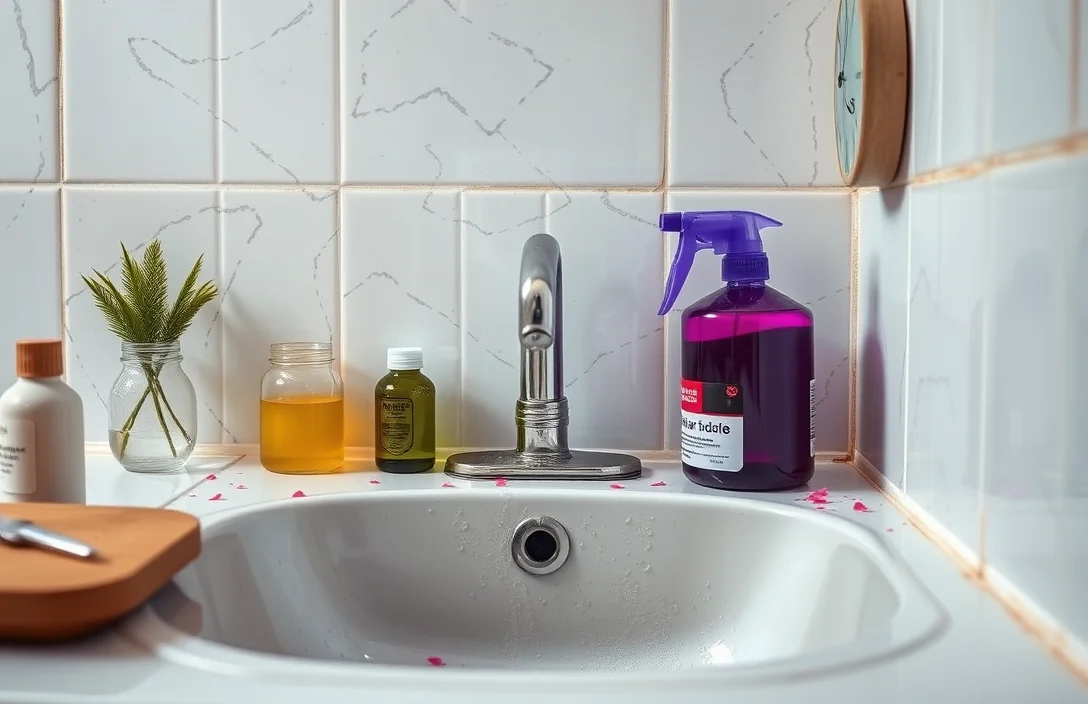
Erase the Evidence: Simple Tricks to Clear Hair Dye from Your Sink
Seventy-five percent of homeowners struggle with stubborn hair dye stains in their sinks, often leading to frustration and wasted time. Quick and effective solutions exist, allowing you to keep your sink looking fresh without the use of harsh chemicals.
Start with baking soda or vinegar for gentle stain removal. Use non-abrasive pads to avoid scratching. Follow with a thorough rinse to ensure no residue remains.
Immediate Steps to Tackle Stains
Act quickly to remove hair dye stains. Fresh spills are easier to address than dried ones. Grab a clean, damp cloth immediately and gently blot the stained area to absorb as much dye as possible without rubbing, which can spread the stain further.
- Blot with a damp cloth. Use warm water to moisten the cloth, ensuring it’s not dripping. Press it against the stain gently and lift, repeating until the dye transfers to the cloth.
- Apply mild dish soap. Mix a few drops of eco-friendly dish soap with warm water. Dampen another cloth with this solution and gently dab the stained area to lift remaining dye.
- Rinse thoroughly with water. After cleaning, rinse the area with plain water to remove any soap residue. This step helps prevent any potential damage to the sink’s surface.
Eco-Friendly Cleaning Solutions
Vinegar serves as a powerful natural cleaner. Mix equal parts of white vinegar and water in a spray bottle. Spray the solution directly onto the stained area of your sink and let it sit for about 5-10 minutes. The acidity in vinegar helps break down the dye, making it easier to remove.
Baking soda can enhance your cleaning efforts. After applying the vinegar solution, sprinkle a generous amount of baking soda over the same area. This will create a mild abrasive that helps lift stubborn stains without scratching your sink’s surface.
Olive oil provides an alternative removal method. Apply a small amount of olive oil to a soft cloth and rub it over the stain. This technique works well on certain surfaces and can help dissolve the dye without harsh chemicals.
Hydrogen peroxide is another effective option. Use a 3% solution and dab it onto the stained sink with a cotton ball. Allow it to sit for several minutes, then wipe clean with a damp cloth. This gentle bleach alternative effectively lightens hair dye marks.
Always test these methods on a small, inconspicuous area first. This precaution ensures your sink’s finish remains intact while effectively removing hair dye stains. Keeping these natural ingredients on hand can prepare you for any future mishaps.
Overview of Chemical Cleaners
Commercial cleaners specifically designed for hair dye removal can be effective. Look for products labeled as stain removers or color removers. Ensure they are safe for your sink material, whether it’s porcelain, stainless steel, or acrylic. Always check the manufacturer’s recommendations and product reviews to confirm effectiveness without risking damage.
Stain removers containing hydrogen peroxide or sodium percarbonate are often effective. Apply the product directly to the stained area, allowing it to sit for several minutes. Use a soft cloth or sponge to gently scrub the area, being careful not to scratch the surface. Rinse thoroughly with water to remove any residue, which helps prevent further staining.
Some brands offer eco-friendly options that are safer for your family. These products usually contain natural ingredients and avoid harsh chemicals. Look for certifications indicating the product is environmentally safe. Read the labels carefully to ensure they meet your safety standards while effectively removing dye.
Consider multi-purpose cleaners that target tough stains and are safe for various surfaces. These versatile products can save time and simplify your cleaning routine. Always test a small, inconspicuous area first to ensure compatibility with your sink material.
Preventing Future Hair Dye Stains
Sealants provide an effective barrier against hair dye stains. Applying a clear sealant to your sink not only protects the surface but also simplifies cleaning. Look for eco-friendly options that are safe for your family while ensuring durability. This small investment can save you time and effort in the long run.
Wipe down surfaces immediately after dyeing. Keeping a microfiber cloth handy allows you to quickly clean up any spills or splatters. The sooner you address potential stains, the easier they are to remove. Make it a habit to check the sink before moving on to the next step of your hair coloring process.
- Cover the sink with plastic wrap. This prevents dye from coming into direct contact with the surface.
- Use a dedicated dyeing bowl. Mixing dye in a separate container reduces the chances of spills in the sink.
- Consider dye application techniques that minimize mess. For example, using a brush can help direct color more accurately.
Choose eco-friendly cleaning products for routine maintenance. Regularly using gentle, natural cleaners maintains sink integrity while also being safe for your family. Look for options with biodegradable ingredients that are tough on stains but gentle on surfaces.
Cleaning Different Sink Materials
Granite surfaces require gentle cleaning solutions. Mix a few drops of dish soap with warm water to create a safe cleaning solution. Apply it using a soft cloth or sponge. Avoid abrasive cleaners, as they can scratch the surface and lead to discoloration.
Stainless steel responds well to baking soda. Sprinkle some on the stained area, then use a damp cloth to scrub gently in a circular motion. Rinse thoroughly with water to ensure no residue remains, which could affect its shine.
Porcelain sinks are more delicate and need extra care. Mix equal parts of white vinegar and water in a spray bottle. Spray the solution on the stain and let it sit for 10 minutes before wiping with a soft cloth. Rinse well to prevent any lingering acidity.
Composite sinks can be tricky but manageable. A paste of baking soda and water works wonders. Apply the paste to the stain, let it sit for 5-10 minutes, and then scrub with a non-abrasive sponge. Rinse thoroughly and dry with a soft towel.
Plastic sinks can be cleaned using a simple mixture of vinegar and dish soap. Combine one part vinegar with two parts water and add a few drops of dish soap. Wipe down the sink using this solution and a soft cloth, ensuring you rinse afterwards to avoid any soap residue.
Baking Soda and Vinegar Method
Combine baking soda and vinegar for an effective stain removal solution. Start by sprinkling a generous amount of baking soda over the stained area. Pour white vinegar over the baking soda, allowing it to fizz and bubble. This reaction helps lift the dye from the sink’s surface.
Wait for about 10-15 minutes after applying the mixture. During this time, the natural cleaning properties of both ingredients work together to break down the hair dye stains. Patience is key, as this method is safe for various sink materials and avoids harsh chemicals.
After waiting, scrub the area with a soft sponge or cloth. Gently buff the stain, focusing on the most affected spots. Rinse thoroughly with warm water to remove any residue from the baking soda and vinegar. Ensure your sink is clean and free of any lingering stains.
Repeat this process if necessary for stubborn stains. If the dye persists, consider using a bit more baking soda or vinegar. This eco-friendly method effectively addresses hair dye stains while keeping your family safe from harmful chemicals.
Effective Scrubbing Techniques
Soft cloths work wonders for removing stains effectively. Use a microfiber cloth dampened with warm water to gently wipe the stained area. This technique helps lift the dye without scratching the sink’s surface. Ensure the cloth is not too wet to prevent water damage around the sink area.
Stainless steel cleaners can enhance results. Apply a small amount of a non-abrasive stainless steel cleaner to the cloth. Gently buff the stained area in a circular motion. This method not only removes stains but also restores shine, giving your sink a fresh appearance.
Plastic scrapers can be beneficial as well. If stubborn stains persist, use a plastic scraper to gently lift the dye without scratching. Angle the blade slightly and glide it across the stain to avoid damaging the sink’s finish.
Patience proves essential in stain removal. If a stain doesn’t come out immediately, repeat the process, allowing cleaning solutions to sit for a few minutes. Rinse thoroughly with water afterward to ensure no residue remains.
Regular maintenance prevents future stains. After dyeing your hair, wipe down the sink with a mild soap solution. This simple step reduces the likelihood of stains setting in and keeps your sink looking its best.
Quick Summary
- Act quickly to prevent the dye from setting in the sink.
- Use a mixture of baking soda and water for gentle scrubbing.
- Apply rubbing alcohol or hand sanitizer for tougher stains.
- Test any cleaning solution on a small, inconspicuous area first.
- Consider using commercial stain removers designed for hair dye.
- Always wear gloves to protect your skin while cleaning.
- Rinse the sink thoroughly after cleaning to remove any residue.
Frequently Asked Questions
What’s the quickest safe way to remove fresh hair dye from my sink?
Rinse the area immediately with warm water to stop the dye setting, then apply a drop of mild dish soap and rub gently with a soft cloth or non-scratch sponge for a minute or two. Rinse and repeat if needed—acting fast usually avoids any scrubbing or harsh chemicals.
How do I remove dye that has already dried or stained the surface?
Make a paste of baking soda and a little water, apply it to the stain, let it sit 10–15 minutes, then gently scrub with a soft cloth or nylon scrubber and rinse. If the stain persists, dab 3% hydrogen peroxide on the spot, let it sit a few minutes, then rinse and test on an inconspicuous area first.
Which household cleaners are effective but family-friendly and safe for my sink?
Mild dish soap, baking soda, white vinegar (diluted), and 3% hydrogen peroxide are effective and low-risk when used separately and rinsed well. Avoid mixing cleaners and always test anything new in a hidden spot to protect finishes and your family’s health.
Can I use bleach or abrasive pads without damaging the sink?
Abrasive pads and powders can scratch acrylic and soft finishes, so use only soft cloths or nylon scrubbers; porcelain and stainless tolerate gentler cleansers better than acrylic. Bleach will remove some dye but can damage finishes and produce harmful fumes, so it’s a last resort—if you must use it, dilute, ventilate the area, and rinse thoroughly, or choose safer alternatives first.
How can I prevent future dye stains without adding time to my routine?
Line the sink with a disposable towel or plastic wrap before rinsing dye, or rinse dye into a bowl instead of under running water to contain messes. Keep dish soap and baking soda handy so you can wipe spills immediately—quick cleanups save time and protect the sink finish.

- 7 Best Detangling Brushes for Curly Hair: Thick, Fine, Long & Natural Hair - September 25, 2026
- 5 Best Moisturizing Curl Defining Creams for Soft, Defined Curls - September 24, 2026
- Best Curl Creams for Straight Hair: 5 Top Picks for Women - September 24, 2026