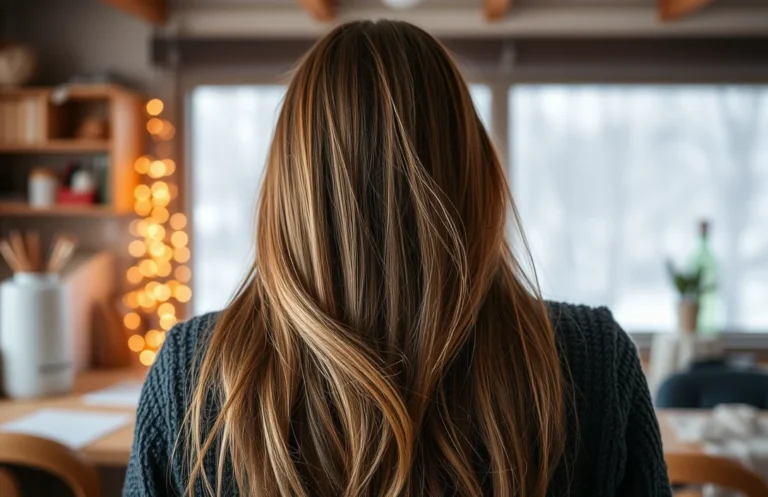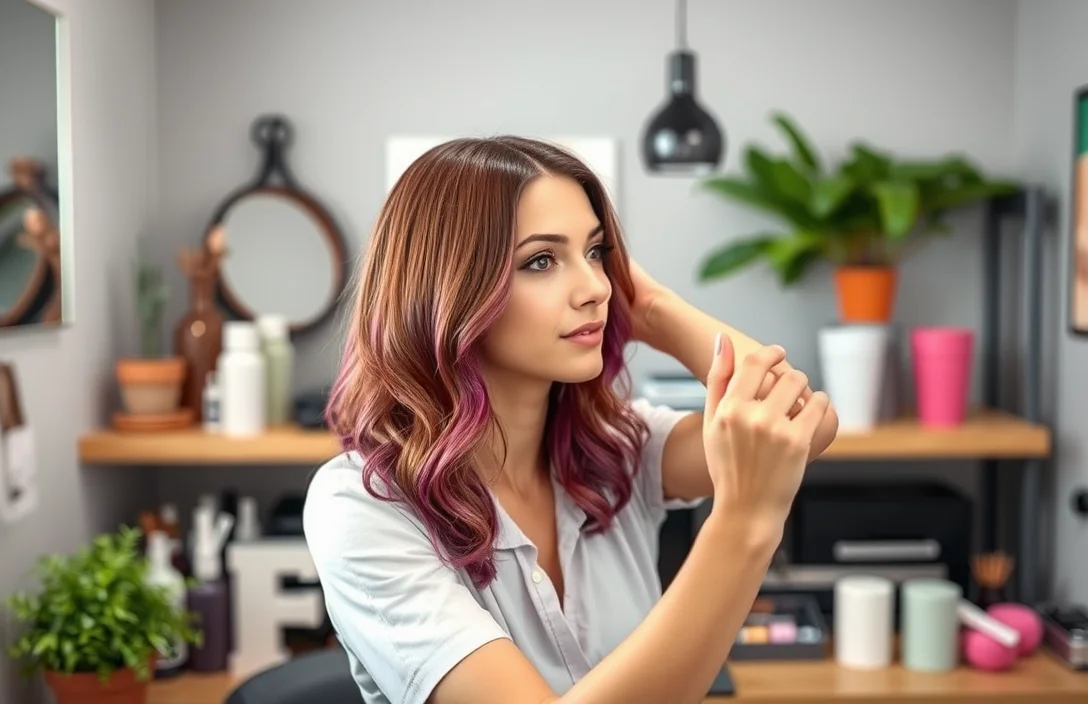
Transform Your Locks: Mastering Professional Hair Color at Home
Seventy percent of women dye their hair at home, proving that professional results are attainable without a salon visit. With the right techniques, products, and mindset, anyone can transform their hair color effectively, saving time and money while achieving salon-quality results.
Mastering preparation, application, and aftercare is essential for success. Selecting the right shade, using quality products, and following instructions carefully will ensure a beautiful finish. Preparing your hair beforehand can also enhance the final look, making it crucial to invest time in the process.
Selecting the Perfect Hair Dye
Color selection greatly impacts your results. Start by identifying your natural hair color and the desired shade. Professionals advise choosing a dye that is one to two shades lighter or darker than your natural hue for the best outcome. This helps create a more natural look while minimizing the risk of drastic changes.
- Consider your hair type and texture. Fine hair may require a different formula than thick or coarse hair. Look for dyes specifically labeled for your hair type to achieve optimal results.
- Evaluate the dye’s formula. Permanent, semi-permanent, and temporary dyes offer various levels of commitment and color longevity. Permanent dyes provide long-lasting results, while semi-permanent options allow for easier color changes.
- Research ingredients for safety. Many brands now offer ammonia-free formulas, which are gentler on hair. Reading ingredient labels can help you avoid harsh chemicals that may damage your locks.
- Test for allergies before applying. Perform a patch test 48 hours prior to coloring to ensure no allergic reactions occur. This precaution protects your scalp and overall health.
- Seek professional recommendations or reviews. Browsing online reviews or asking friends for their favorite brands can lead you to high-quality products that deliver excellent results.
Preparing Your Hair for Coloring
Ensuring your hair is healthy before coloring is crucial. Damaged hair can absorb dye unevenly and result in disappointing outcomes. Focus on repairing any damage and enhancing moisture levels a week or two before applying color. Here’s how to prepare your hair effectively:
- Wash hair with gentle shampoo. Use a sulfate-free shampoo to avoid stripping natural oils. This keeps hair hydrated and prepares it for color absorption.
- Deep condition once or twice weekly. Apply a quality deep conditioner or hair mask to restore moisture and elasticity. Prioritize products designed for color-treated hair.
- Avoid heat styling tools. Refrain from using blow dryers, straighteners, or curling irons at least a week prior. Allowing hair to air dry prevents additional damage.
- Trim split ends as needed. Schedule a haircut to remove damaged ends. Healthy hair enhances the overall color application.
- Consider a clarifying treatment. Use a clarifying shampoo once before dyeing to remove product buildup. This creates a clean canvas for the dye.
Following these steps will ensure your hair is in optimal condition for coloring, making the process smoother and the results more professional.
Gathering Essential Coloring Tools
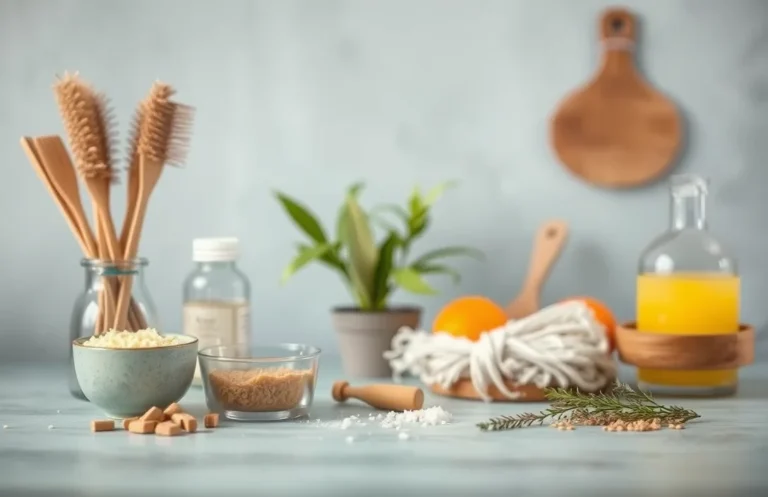
Gathering necessary tools ensures professional results. Begin with high-quality hair dye, which matches your desired shade. Look for brands that provide comprehensive instructions and reliable outcomes. Always check the expiration date and perform a patch test before applying.
Investing in a mixing bowl facilitates accurate dye preparation. Choose a bowl made of non-metal material to prevent chemical reactions. A dedicated bowl ensures proper mixing and prevents contamination with other products.
Brushes designed for application streamline the process. Select a tint brush with a pointed tip for precision, allowing you to reach the roots effectively. Wider brushes can cover larger sections quickly, saving time.
Gloves protect your hands from staining. Opt for disposable latex or nitrile gloves, which provide a snug fit and prevent dye transfer. Wearing gloves maintains cleanliness and minimizes skin irritation during the coloring process.
Sectioning clips help manage hair during application. Use sturdy, non-slip clips to divide hair into manageable sections. This organization allows for even coverage and reduces the chance of missing spots.
Finally, a timer ensures you follow development times accurately. Setting a timer helps achieve the desired color intensity without over-processing. Keep your phone or a clock nearby to monitor the timing closely.
Executing the Coloring Process
Gather your hair dye and tools. Make sure to prepare your workspace by laying down old towels or newspaper to catch any drips. Wear an old shirt and gloves to protect your skin and clothing from stains. Mixing the dye according to the manufacturer’s instructions is essential for achieving the desired color.
- Section off your hair evenly. Use clips to divide your hair into four sections: two at the front and two at the back. Starting from the nape of the neck helps ensure full coverage.
- Apply the dye to roots first. Using an applicator brush, apply the dye directly onto the roots, ensuring complete saturation. Focus on one section at a time to avoid missing spots.
- Continue to the lengths. After covering the roots, apply the dye to the mid-lengths and ends of your hair. This method ensures that the roots, which process faster, don’t over-develop.
- Massage the dye in thoroughly. Use your fingers to gently work the dye through your hair, ensuring even distribution and coverage. This step is crucial for a professional-looking finish.
- Set a timer according to instructions. Once applied, let the dye sit for the recommended time to allow the color to develop fully. Avoid extending this time, as it can lead to unwanted results.
Achieving Even Application Techniques
Ensure even color distribution by sectioning hair methodically. Divide your hair into manageable parts, typically four or more sections, depending on length and thickness. Use hair clips to secure each section, allowing easy access and control while applying the dye. This helps avoid missing spots and promotes uniform coverage throughout the entire head.
Maintain consistency in application speed. Apply color at a steady pace to prevent unevenness. Moving too quickly can lead to blotchy results, while taking too long can cause the dye to dry before fully saturating the hair. Aim for a smooth, continuous motion as you work through each section.
- Start at the roots, where color is most needed for coverage.
- Use an applicator bottle or brush for precise application.
- Ensure the dye saturates each strand by gently massaging it in.
- Check for missed spots frequently as you work.
Finish by combing through the hair after application. Using a wide-tooth comb helps distribute the dye evenly, ensuring that every strand is covered. This step also helps eliminate any tangles that may have formed during the process, leading to a more polished final look.
Managing Roots and Touch-Up Techniques
Root touch-ups require precision and timing. Begin by assessing the growth of your roots; typically, this occurs every four to six weeks. Select a color that closely matches your existing shade to ensure a seamless blend. Prepare your tools, including a tint brush and bowl, to facilitate an even application.
Applying color starts at the roots. Section hair into manageable parts, using clips to hold back the rest. Focus on the roots first, applying color directly and carefully to the regrowth area. Ensure complete saturation for the best results, which helps maintain the professional appearance you desire.
Timing is critical for successful touch-ups. Follow the instructions on your hair dye package regarding processing time, usually around 30 to 45 minutes. Regularly check the color development to avoid over-processing, which can lead to damage. Rinse thoroughly with cool water once the appropriate time has passed.
Maintaining your color involves using color-safe shampoo and conditioner. These products help prolong the vibrancy of your hair, reducing the frequency of touch-ups. Store leftover dye in a cool, dark place for future use, allowing for quick fixes whenever necessary.
Caring for Colored Hair After Application
Moisturizing products are essential. After coloring your hair, invest in high-quality shampoos and conditioners specifically designed for colored hair. These products help maintain vibrancy and prevent fading, ensuring your color looks fresh and vibrant for longer. Look for sulfate-free options that won’t strip the color and contain ingredients like oils and proteins to nourish and protect.
Rinsing hair with cool water can make a significant difference. Hot water opens the hair cuticle, allowing color to escape more easily. By using cool water, you seal the cuticle, locking in color and adding shine. Try to avoid hot showers, especially in the first few weeks after applying color.
Limiting heat styling tools preserves color integrity. Frequent use of hairdryers, straighteners, and curling irons can lead to color fading and damage. When you do style your hair, apply a heat protectant spray to shield your strands from the damaging effects of high temperatures.
Scheduling regular deep conditioning treatments aids in maintaining hair health. Once a week, treat your hair to a deep conditioning mask or treatment. These products penetrate the hair shaft, providing intensive moisture and nutrients that help combat dryness and brittleness often associated with color-treated hair.
Avoiding sun exposure protects your color. UV rays can fade hair dye just like they can damage your skin. Consider wearing a hat or using hair products with UV protection when spending time outdoors. Taking these precautions helps maintain your desired shade and keeps your hair looking vibrant.
Quick Summary
- Choose the right hair color that complements your skin tone and desired look.
- Perform a patch test 48 hours before coloring to avoid allergic reactions.
- Gather all necessary supplies: gloves, dye, developer, mixing bowl, and applicator brush.
- Follow the instructions on the hair dye package carefully, paying attention to timing.
- Section your hair properly to ensure even application and avoid missed spots.
- Use a deep conditioner after coloring to maintain hair health and vibrancy.
- Schedule regular touch-ups to keep your color looking fresh and prevent regrowth lines.
Frequently Asked Questions
What supplies do I need to color my hair at home?
To color your hair at home, you’ll need a hair dye kit, gloves, a mixing bowl, an applicator brush, and a comb. Additionally, having a cape or towel to protect your clothes and some clips to section your hair will make the process easier.
How do I choose the right hair color for my skin tone?
Choosing the right color involves considering your skin’s undertones. Warm undertones pair well with golden or caramel shades, while cool undertones look great with ash or platinum hues. If you’re unsure, consult a color wheel or do a strand test with different shades.
How can I ensure even application of hair dye?
To achieve an even application, section your hair into four parts and clip them up before starting. Apply dye from the roots to the ends, ensuring you saturate each section fully, and use your comb to distribute the product evenly.
What should I do if the color turns out too dark?
If your hair color turns out darker than expected, try washing your hair with a clarifying shampoo to lighten it slightly. Alternatively, you can use a color remover or seek professional help if the color is too intense.
How long should I leave the dye on my hair?
The recommended time to leave the dye on your hair can vary by product, so always check the instructions on the packaging. Generally, it’s around 30 to 45 minutes, but make sure to perform a strand test for the best results.

- 7 Best Detangling Brushes for Curly Hair: Thick, Fine, Long & Natural Hair - September 25, 2026
- 5 Best Moisturizing Curl Defining Creams for Soft, Defined Curls - September 24, 2026
- Best Curl Creams for Straight Hair: 5 Top Picks for Women - September 24, 2026