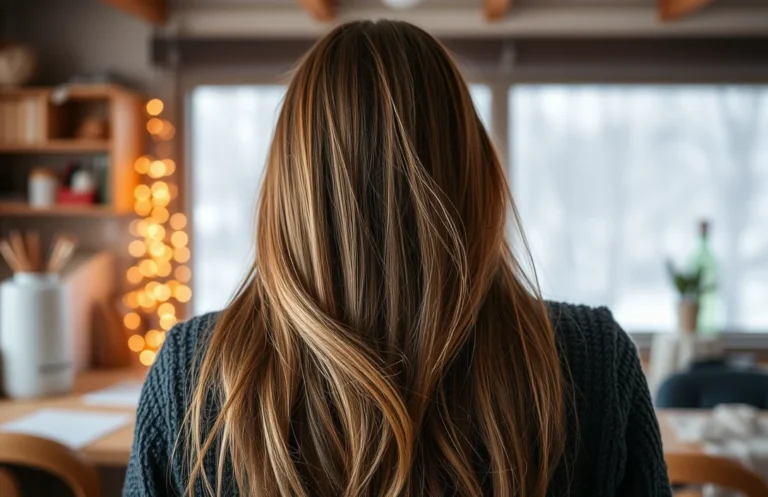
Color Hair Dirty or Clean? The Best Way (Pro Tips)
The Quick Answer: Dirty Hair (1–2 Days Unwashed) Is Better
If you’re coloring your hair, don’t wash it right before. Hair that’s 1–2 days unwashed is the ideal condition for dyeing. Natural oils protect your scalp from irritation, help dye adhere evenly, and reduce damage during the coloring process.
Here’s what you need to know:
- Dirty hair (1–2 days old) = natural scalp protection + better dye adhesion + less irritation
- Freshly washed hair = more porous but scalp is vulnerable to chemical irritation
- Too dirty (3+ days) = product buildup can block dye penetration
This guide covers the science behind why stylists recommend dirty hair, how to time your wash perfectly, what happens with different hair types, and answers to your most common questions.
Why Stylists Recommend Dirty Hair for Coloring
Professional colorists almost universally recommend coloring hair that’s 1–2 days unwashed. Here’s why this matters for your results.
Natural Oils Protect Your Scalp
When you wash your hair, you strip away natural oils (sebum) that your scalp produces to protect itself. These oils act as a barrier against the chemicals in hair dye, preventing burning sensations, irritation, and potential allergic reactions.
Fresh dye contains strong alkaline chemicals and peroxide developers that can cause:
- Scalp burning or tingling
- Redness and inflammation
- Flaking and dryness
- In severe cases, chemical burns
The protective layer of natural oils dramatically reduces these risks. This is why professionals tell you to skip shampooing before your appointment—they’re protecting your comfort and scalp health.
Better Dye Adhesion and Even Coverage
Contrary to what some believe, natural oils actually improve color adhesion rather than block it. Here’s the mechanism:
- Natural oils seal the cuticle layer — Hair cuticles (the outer scales) lay down and lock in moisture when oils are present. This sealed state allows dye molecules to penetrate the cortex (inner layer) where color actually bonds.
- Prevents over-processing — Oils regulate how quickly the dye penetrates, preventing spotty, over-processed areas.
- Reduces frizz during coloring — The protective oils keep the cuticle layer smooth, resulting in shinier, more even color.
When you color freshly washed hair, cuticles are raised and porous. Dye penetrates too quickly and unevenly, leading to:
- Patchy color (darker roots, lighter ends)
- Overly brassy or muted tones
- Frizzy, damaged appearance
When Clean Hair Might Seem Better (And Why It’s a Misconception)
You may have heard that “clean hair accepts color better” or that “product residue blocks dye.” This is partially true, but misleading:
The Real Issue: Product Buildup, Not Natural Oils
The problem isn’t natural oils—it’s heavy styling products and mineral buildup:
- Silicones (in most conditioners and serums) coat the hair shaft and do block dye penetration
- Waxes and pomades create a waxy barrier that prevents dye molecules from reaching the cortex
- Mineral deposits from hard water or chlorine can interfere with color development
- Dry shampoo buildup (especially if applied multiple days before) can block even dye absorption
Natural scalp oils are different. They’re thin, waxy compounds your body produces—not heavy product coatings. They don’t block dye; they regulate how dye is absorbed.
The Solution: Light Clarification, Not Full Washing
If you have product buildup but want to color your hair:
- Do a clarifying wash 24–48 hours before coloring — Use a chelating shampoo to strip silicones, waxes, and minerals
- Skip conditioner after this wash — Let natural oils rebuild over the next 1–2 days
- Don’t shampoo again — The 24–48 hour wait allows protective oils to return
This gives you the best of both worlds: clean hair (free of product residue) with protective natural oils intact.
The Ideal Timeline: When to Wash Before Coloring
Optimal timeline: Wash your hair 24–48 hours before your coloring appointment.
Why This Timing Works
| Timing | What Happens | Result |
|---|---|---|
| Same day wash | Scalp is vulnerable, cuticles are raised and porous | High irritation risk, uneven color, frizz |
| 24–48 hours after wash | Natural oils have rebuilt, scalp is protected | Ideal: protected scalp + even dye penetration |
| 3+ days unwashed | Scalp oils accumulate too much, may have light product buildup | Risk of uneven color, dye doesn’t penetrate consistently |
How to Prepare During the Waiting Period
After your clarifying wash (if needed), follow these steps for 24–48 hours:
- Avoid heavy styling products — Skip serums, pomades, waxes, and thick conditioners. Light leave-in conditioners are okay.
- Don’t over-wash — Avoid additional shampoos. If your hair feels dusty, use dry shampoo sparingly.
- Minimize manipulation — Don’t brush aggressively or use heat tools. Gentle handling preserves the protective oil layer.
- Skip additional treatments — No deep conditioning masks, scalp treatments, or oils in the 24 hours before coloring.
Different Hair Types: Adjusting Your Approach
While the 1–2 day rule applies to most people, your hair type may require tweaks.
Fine or Thin Hair
Fine hair has a smaller diameter and higher porosity. Natural oils coat the hair more noticeably.
- Recommendation: Wash 24–36 hours before coloring (closer to 24 hours)
- Why: Allows oils to build without weighing down fine strands
- Caution: Don’t wait 48 hours—oils may make fine hair look limp before coloring
Oily Hair
Oily scalps produce excess sebum, which can accumulate.
- Recommendation: Wash 24–48 hours before; stick to 24 hours if hair gets greasy quickly
- Why: Prevents excess buildup while maintaining protective barrier
- Tip: Use dry shampoo lightly on day 2 if oil is visible, but apply only to roots—never the lengths
Dry or Coarse Hair
Dry hair needs maximum oil protection.
- Recommendation: Wash 36–48 hours before coloring; closer to 48 hours is ideal
- Why: Allows time for maximum oil accumulation and protective barrier
- Bonus: Natural oils also protect dry hair from color damage
Curly or Textured Hair
Curls benefit from moisture and oils more than straight hair.
- Recommendation: Wash 36–48 hours before (closer to 48 hours)
- Why: Curls need maximum moisture and oil to prevent frizz and dryness from dye
- Extra step: Co-wash (conditioner-only wash) 2–3 days before if you need to remove dust without stripping oils
Scalp Health Before Coloring: What You Need to Check
Before you color, assess your scalp condition. An unhealthy scalp can lead to adverse reactions and poor results.
Signs Your Scalp Is Ready to Color
✅ No irritation or redness — Scalp appears normal, not inflamed
✅ No excessive oiliness — Some shine is okay; greasy buildup is not
✅ No flaking or itching — Healthy scalp doesn’t itch or have visible flakes
✅ No recent scratches or sores — Scalp is intact with no open wounds
Signs to Wait Before Coloring
⚠️ Active irritation or redness — Your scalp is already compromised
⚠️ Excessive itching or flaking — May indicate dandruff or dermatitis; coloring can worsen it
⚠️ Recent scalp treatments — Wait 3–5 days after medicated shampoos or scalp treatments
⚠️ Open sores or scratches — Never color over broken skin
⚠️ Known sensitivity to dye — Perform a patch test 48 hours before coloring
Protecting Your Scalp During Coloring
If your scalp is sensitive or you want extra protection:
- Apply a scalp protector — Use a thin barrier cream or oil along your hairline, ears, and neck to prevent dye staining and irritation
- Consider a gentler formula — Some dyes are formulated for sensitive scalps with lower ammonia
- Tell your stylist — If you’re at a salon, inform them of your sensitivity so they can work carefully
Clearing Product Buildup: When You Need a Clarifying Wash
If you have product buildup from styling, dry shampoo, or hard water, a clarifying wash is necessary—but do it right.
When You Need Clarification
- You use dry shampoo 2–3 times per week
- You frequently use silicone-heavy products (smoothing serums, mousses, pomades)
- You live in an area with hard water (mineral deposits on hair)
- Your hair feels coated, dull, or stiff
- Your colorist recommends it (they can often tell)
How to Clarify Correctly for Coloring
24–48 hours before your coloring appointment:
- Use a chelating shampoo — Apply to damp hair, lather thoroughly for 1–2 minutes
- Let it sit — Leave on scalp and lengths for 2–5 minutes (follow product instructions)
- Rinse thoroughly — Use cool water to help close cuticles
- Condition lightly (optional) — If your hair feels dry after, use a light conditioner on the ends only—avoid the scalp
- Towel-dry gently — Don’t rough-dry; pat and squeeze gently
Then wait 24–48 hours without additional washing or heavy products. Natural oils will rebuild and protect your scalp during coloring.
Color Retention: Why Dirty Hair Keeps Color Better
Color fades faster in freshly washed hair. Here’s why proper pre-coloring preparation matters for longevity.
How Scalp Oils Affect Color Retention
Natural oils do more than just protect during coloring—they help your color last longer:
- Oils seal the cuticle layer — A sealed cuticle traps color molecules inside the cortex, preventing premature fading
- Reduced water absorption — Unsealed cuticles absorb water, which swells the hair shaft and allows color to escape. Oils prevent this
- Moisture balance — Healthy oil production keeps hair hydrated, which is essential for color vibrancy
Why Freshly Washed Hair Loses Color Faster
When you shampoo right before coloring:
- Cuticles are raised and porous
- Dye penetrates too deeply and unevenly
- Color molecules aren’t optimally positioned in the cortex
- The first wash after coloring (which removes excess dye) also removes the newly deposited color more easily
Result: Freshly washed pre-coloring = duller color + faster fading.
Extend Your Color’s Life
After coloring:
- Wait 48–72 hours before shampooing — Allows color molecules to fully set
- Use sulfate-free shampoo — Sulfates strip color and natural oils
- Wash in cool water — Hot water opens cuticles; cool water closes them
- Shampoo less frequently — Wash every 2–3 days instead of daily
- Use a color-safe conditioner — Helps seal cuticles and lock in color
Professional vs. DIY Coloring: Does the Clean/Dirty Rule Change?
Both professional and DIY coloring benefit from the same 1–2 day unwashed timing. Here’s how they compare.
| Aspect | Professional Coloring | DIY Coloring |
|---|---|---|
| Timing Flexibility | Can work around product buildup with skill | Less forgiving; depends more on clean conditions |
| Product Quality | Higher-quality formulas, gentler on scalp | Varies; some box dyes are harsher |
| Application Precision | Even application due to technique and tools | Can be harder to reach all sections evenly |
| Scalp Protection | Stylist can apply protector carefully | You apply it yourself (easier to miss spots) |
| Ideal Pre-Coloring State | Dirty hair (1–2 days unwashed) | Dirty hair (1–2 days unwashed) |
Bottom line: Whether you’re paying for a professional or doing it yourself, don’t wash your hair right before. The 1–2 day timing applies equally.
DIY Coloring Tips for Best Results
If you’re coloring at home:
- Do a strand test on unwashed hair — Tests on clean hair won’t reflect your actual results
- Apply protector — Use petroleum jelly or a scalp protector along your hairline and ears
- Have someone help — Ask a friend to apply dye to the back sections you can’t see
- Work section by section — Divide hair into 4–6 sections and apply dye systematically for even coverage
- Time it carefully — Set a timer; over-processing leads to damage and uneven color
Quick Summary
✓ Dirty hair (1–2 days unwashed) is better for coloring than freshly washed hair
✓ Natural oils protect your scalp from chemical irritation and burning
✓ Natural oils improve dye adhesion and result in more even color coverage
✓ Product buildup is the real issue, not natural oils—clarify if needed, then wait 24–48 hours
✓ The ideal timing is 24–48 hours after your last wash to balance protection and clean conditions
✓ Adjust for your hair type: Fine hair prefers 24 hours; dry/curly hair prefers 48 hours
✓ Check your scalp health before coloring; wait if you have irritation or open sores
✓ Use a clarifying wash 24–48 hours before if you have product buildup, then skip washing again
✓ Color retention is better when you color dirty hair (1–2 days unwashed) because oils seal the cuticle
✓ The rule applies to both professional and DIY coloring
Frequently Asked Questions
Q: Is it better to color clean or dirty hair?
A: Dirty hair (unwashed for 1–2 days) is better for coloring. The natural oils on your scalp act as a protective barrier against the dye’s harsh chemicals, reducing irritation, burning, and damage. Clean hair leaves your scalp vulnerable and can feel tighter or more irritated during the process.
Q: How long should I wait after washing my hair to color it?
A: Wait 24–48 hours after your last wash. This gives your scalp time to produce natural oils without becoming overly greasy. If you wash too close to your coloring appointment, you risk scalp sensitivity. If you wait too long (3+ days), product buildup can prevent even dye absorption.
Q: What if my hair is too dirty or has product buildup?
A: If you have excessive buildup from styling products, dry shampoo, or mineral deposits, do a light clarifying wash 24–48 hours before coloring. This removes the barrier blocking dye while still leaving enough natural oils to protect your scalp. Skip heavy conditioners after this wash.
Q: Will dirty hair affect my color outcome?
A: Slightly. Dirty hair may result in a marginally different tone than freshly washed hair, but the difference is minimal for most people. The scalp protection you gain far outweighs any slight variation in final color. Professional colorists factor this in when mixing and applying dye.
Q: Can I use dry shampoo before coloring my hair?
A: Yes, but use it sparingly. Dry shampoo can extend the time between washes, but too much buildup will interfere with dye penetration. Apply it the evening before or morning of your appointment, not days before. If you’ve used dry shampoo multiple times in the past week, do a clarifying wash 24–48 hours before coloring.
Q: What if I have a sensitive scalp?
A: Sensitive scalps benefit most from dirty hair. The protective oils are especially important for you. Don’t wash for 24–48 hours beforehand, and consider:
- Applying a scalp protector or thin oil along your hairline before coloring
- Doing a patch test 48 hours before to check for allergic reactions
- Consulting your stylist about gentler dye formulas or lower-ammonia options
- Asking if a protein filler can be applied first to strengthen the scalp barrier
Q: Should I condition my hair before coloring?
A: Skip conditioner for 2–3 days before coloring if possible. Heavy conditioners coat the hair shaft and can block dye penetration. However, if your hair is very dry, a light conditioner 2–3 days before is okay—just not the day of coloring. After your clarifying wash, you can apply a light leave-in conditioner to the ends, but avoid the scalp and mid-lengths.
Q: Is there a difference between professional and DIY coloring timing?
A: Both professional and DIY coloring benefit from the 1–2 day unwashed timing. However, professionals have better technique to work around minor product buildup, while DIY results are more dependent on clean conditions and even application. Either way, don’t wash right before coloring.
Q: What if I just washed my hair and my coloring appointment is tomorrow?
A: If you washed your hair today and your appointment is tomorrow, you’ll be okay. 24 hours is sufficient for some natural oil production to occur. However, if possible, try to schedule future appointments 36–48 hours after your last wash for optimal results. If your appointment is in a few hours, don’t wash again—let your scalp’s natural oils continue building.
Q: Can I color my hair if it’s been 3–4 days since I’ve washed it?
A: Yes, you can, but there’s a risk of product buildup affecting results. If your hair feels clean and light (not greasy), you’re fine. If it feels coated or looks dull, do a clarifying wash, then wait 24–48 hours before coloring. The goal is clean hair with a protective oil layer—not excessively oily hair.
Q: How should I care for my hair after coloring?
A: After coloring:
- Wait 48–72 hours before shampooing to allow color to set
- Use sulfate-free shampoo to avoid stripping color and natural oils
- Wash in cool water to close the hair cuticle and lock in color
- Shampoo 2–3 times per week instead of daily to extend color life
- Use a color-safe conditioner to seal the cuticle layer
- Avoid heat styling for at least 48 hours post-color
Q: Does the clean vs. dirty hair rule apply to all hair coloring types (permanent, semi-permanent, highlights)?
A: Yes, the 1–2 day unwashed timing applies to all coloring methods: permanent color, semi-permanent, demi-permanent, highlights, balayage, and root touch-ups. The principle is the same—natural oils protect your scalp and improve color adhesion. The only exception is if your colorist specifically advises otherwise based on your hair’s unique condition.
Need personalized advice? Consult a professional colorist who can assess your hair type, scalp condition, and color goals before you color. They can recommend whether you should adjust the 24–48 hour timing based on your specific needs.

- 7 Best Detangling Brushes for Curly Hair: Thick, Fine, Long & Natural Hair - September 25, 2026
- 5 Best Moisturizing Curl Defining Creams for Soft, Defined Curls - September 24, 2026
- Best Curl Creams for Straight Hair: 5 Top Picks for Women - September 24, 2026